The United States military has significantly widened its scope of operations against Iranian interests, launching strikes that reached as far north as the Caspian Sea while President Donald Trump issued a stern ultimatum regarding ongoing maritime disruptions. The escalation follows a series of aggressive maneuvers by Tehran and its Houthi allies in Yemen, who have effectively extended their theater of operations to include a second critical shipping chokepoint at the southern entrance of the Red Sea. The White House has characterized these developments as an intolerable threat to global commerce, prompting the president to threaten "major military punishment" if the attacks on international shipping do not cease immediately.
The conflict reached a new intensity on Friday as Iran retaliated with a barrage of missile and drone fire directed at U.S. military installations and regional allies. Reports indicate that Tehran has also hardened its diplomatic stance, with the New York Times reporting that the Iranian government rejected a comprehensive ceasefire proposal. This proposal was reportedly delivered through Iraqi Prime Minister Ali al-Zaidi, though the narrative remains contested. While U.S. Secretary of State Marco Rubio recently suggested that Iran was "begging" for an end to hostilities, the rejection of the Iraqi-mediated deal suggests a significant disconnect between Washington’s assessment and Tehran’s actual posture.
Red Sea Strikes and the Expanding Theater of War
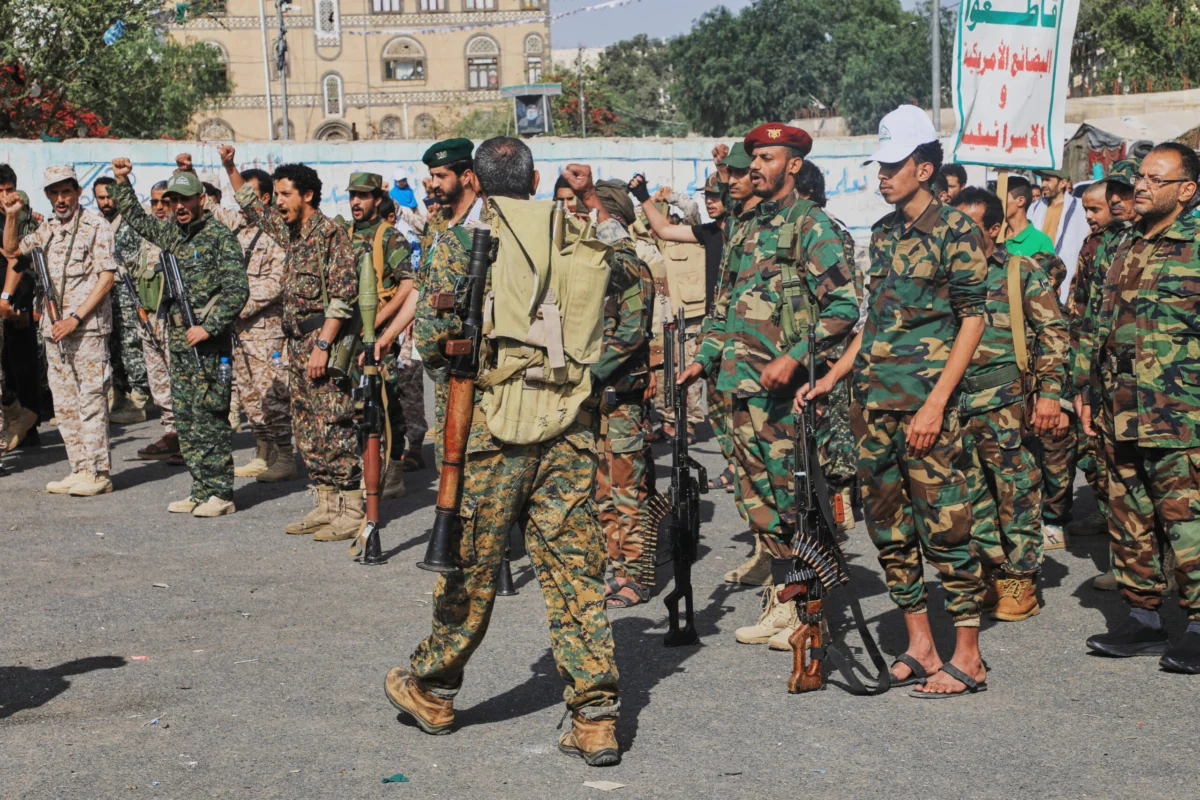
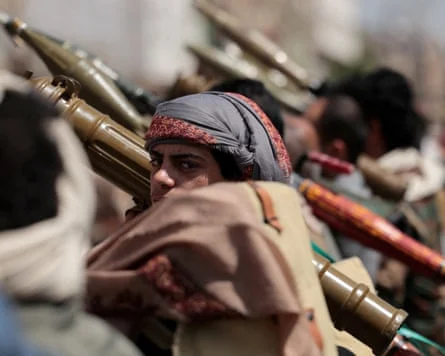
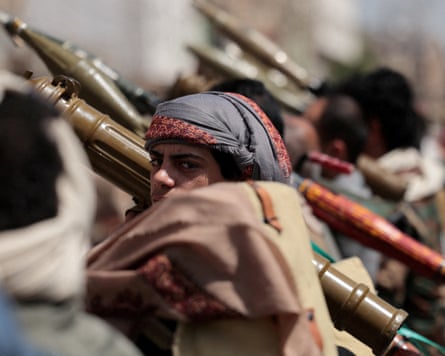
The expansion of U.S. strikes into the Caspian Sea region marks a notable shift in the geography of the conflict, signaling that no Iranian asset is considered out of reach. Simultaneously, the situation in the Bab el-Mandeb strait has deteriorated. The Houthis, who maintain control over significant portions of northern and western Yemen, have declared a naval blockade targeting Saudi Arabian ports and any vessels utilizing the strategic waterway at the entrance to the Red Sea.
This maritime blockade has already produced tangible shocks in the global energy market. Following Houthi strikes on two Saudi oil tankers on Thursday, crude oil prices surged by 7%, crossing the $100-per-barrel threshold for the first time since May. The volatility has forced several major shipping conglomerates to abandon the Red Sea route entirely, opting instead for the lengthy and expensive journey around the Cape of Good Hope in Africa. This diversion adds thousands of miles to transit times and significantly increases fuel and labor costs for goods bound for Asian and European markets.
In response to these disruptions, President Trump utilized his Truth Social platform to issue a direct warning to the Iranian leadership. "Major military punishment will be inflicted upon Iran and, of course, the Houthis themselves," the president wrote, adding that he would hold Tehran directly accountable for any further interference with Red Sea shipping. Sources close to the administration suggest that the Pentagon is currently reviewing plans for a broader sustained air campaign intended to degrade Iran’s domestic military infrastructure.

Diplomatic Friction and the Role of Global Powers
The geopolitical stakes have been further complicated by the involvement of Russia and China. During a series of public statements on Friday, President Trump addressed the possibility of Moscow and Beijing providing military hardware to Tehran. The president noted that he had received personal assurances from Xi Jinping and Vladimir Putin that they were not currently selling weapons to Iran, though he warned that any shift in that policy would result in severe consequences for those nations.
Despite these assurances, Iranian officials confirmed they are in active consultations with both the Kremlin and the Chinese leadership. Iranian Foreign Minister Abbas Araghchi met with his Russian counterpart, Sergei Lavrov, in Kyrgyzstan to discuss regional security and "mutual interests." The optics of the meeting, occurring as U.S. missiles struck Iranian targets, underscored the deepening divide between the Western coalition and the emerging bloc of adversarial powers.
The diplomatic efforts to de-escalate the situation have so far proven fruitless. While Pakistan has attempted to act as a mediator, hosting Iranian Interior Minister Eskandar Momeni in Islamabad twice in the last ten days, the fundamental disagreements over the Strait of Hormuz remain a primary obstacle. Iran continues to assert sovereign control over the strait, a position the United States and its allies view as a violation of international maritime law.
Military Escalation and Retaliatory Strikes
The tactical situation on the ground remains fluid and increasingly dangerous. Iranian state media reported that U.S. cruise missiles struck Qeshm Island, a strategic location within the Strait of Hormuz that houses significant military and industrial assets. In retaliation, the Iranian military launched a coordinated drone offensive against U.S. positions across the Middle East.
Targets of the Iranian strikes included Camp Buehring in northern Kuwait, as well as Camp Arifjan and Camp Doha near Kuwait City. Iranian officials also claimed to have inflicted significant damage on a surveillance tower utilized by the U.S. Navy’s Fifth Fleet in Bahrain. In a move that signaled expectations of further violence, the Iranian military issued a warning to civilians across the region, advising them to remain at least 500 meters away from any location where U.S. troops are stationed.
President Trump has expressed a willingness to move beyond precision strikes and toward a larger-scale military engagement. In an interview with Axios, the president suggested that the current level of military pressure had not yet achieved the desired effect. "They haven’t received enough pain yet," Trump reportedly said, indicating that the administration is considering relaunching major combat operations to force a change in Iranian behavior.
Economic Impact and Global Supply Chain Disruption
The fallout of the "US expands Iran attacks" headline is being felt far beyond the borders of the Middle East. The maritime insurance industry has reacted with alarm; shipping insurance costs for vessels traversing the southern Red Sea doubled in a single 24-hour period. While some ships continue to attempt the passage by broadcasting their neutral status and crew nationalities, many have deemed the risk too great.
The disruption is also manifesting in unexpected sectors of the global economy. For example, Coca-Cola recently announced a price increase of over 10% for Diet Coke in India. The company cited the conflict’s impact on the supply of aluminum cans, which are typically shipped through the now-contested maritime routes. This serves as a stark reminder of how localized military conflicts in the Middle East can trigger inflationary pressures for consumers thousands of miles away.
Furthermore, the volume of trade through the Strait of Hormuz has plummeted. On Thursday, only one tanker was recorded crossing the strait, the lowest number since early May. This represents a near-total halt of one of the world’s most vital energy arteries, threatening the stability of global fuel supplies and the economies of oil-dependent nations in Asia.
Future Outlook and Strategic Sovereignty
At the heart of the impasse is a fundamental disagreement over maritime sovereignty and the rules of international engagement. Foreign Minister Araghchi has remained defiant, stating that "preserving Iran’s interests in the Strait of Hormuz" is a non-negotiable principle. He insisted that Tehran would not yield to "the American approach" or be intimidated by the threat of expanded military action.
As the U.S. continues to bolster its presence in the region and expand its target list, the potential for a miscalculation leading to a full-scale regional war remains high. The White House has maintained that its actions are defensive and intended to restore the freedom of navigation, yet the Iranian response suggests that Tehran views the situation as an existential struggle for regional dominance.
With peace talks stalled and military activity reaching the Caspian Sea, the international community is bracing for a prolonged period of instability. The effectiveness of President Trump’s "major military punishment" strategy will likely be measured by whether it can successfully deter the Houthis and the Iranian Revolutionary Guard without igniting a broader conflagration that permanently alters the global economic and security landscape. For now, the world remains on edge as the two sides continue to trade blows in the air, on the sea, and in the halls of international diplomacy.