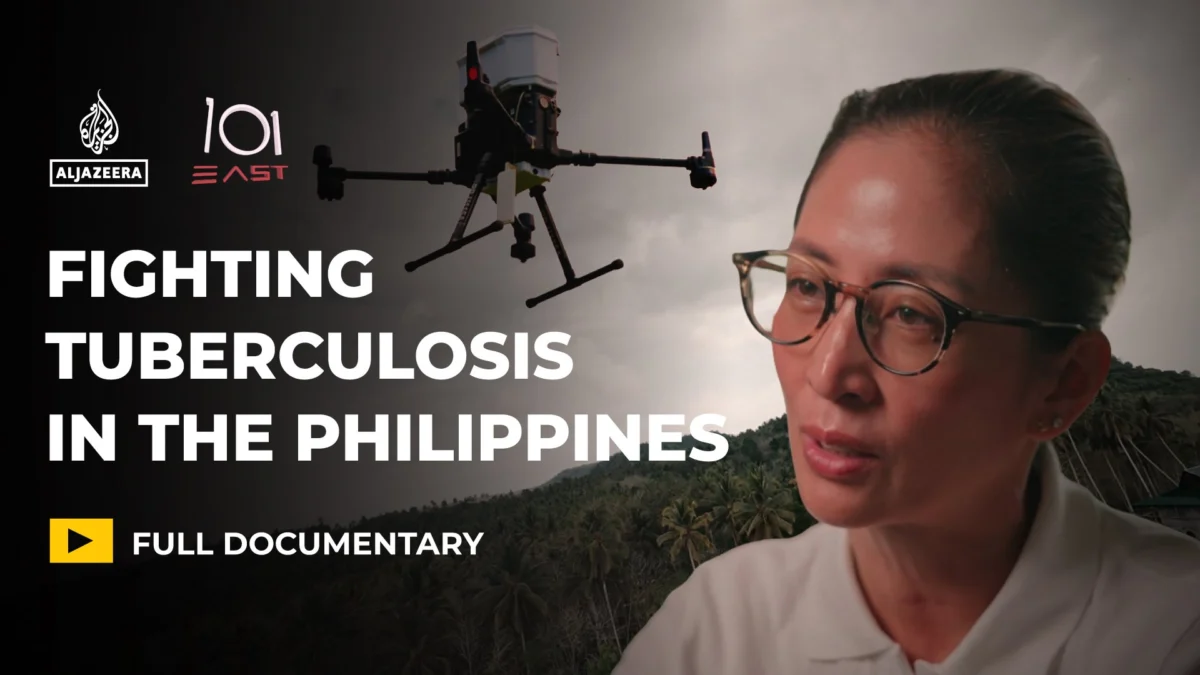
In the Philippines, where tuberculosis remains a formidable public health crisis, a groundbreaking initiative is leveraging cutting-edge drone technology to bridge geographical divides and expedite life-saving medical interventions. This innovative approach is specifically targeting remote and underserved communities, offering a beacon of hope against a disease that claims nearly 100 lives daily across the archipelago.
The Persistent Threat of Tuberculosis in the Philippines
Tuberculosis (TB), a preventable and treatable infectious disease, continues to cast a long shadow over the Philippines, ranking among the leading causes of mortality nationwide. The stark reality is that an estimated 98 individuals succumb to TB each day, a statistic that underscores the urgency and scale of the challenge. The burden of this disease is disproportionately felt in remote and geographically isolated areas.
These communities, often characterized by rugged terrain, limited infrastructure, and scarce medical personnel, face significant hurdles in accessing timely diagnosis and treatment. Delays in medical services, exacerbated by the sheer inaccessibility of many locations, can transform a manageable infection into a fatal outcome. This critical gap in healthcare delivery has long been a central concern for public health officials and medical practitioners.
Dr. Sampang’s Vision: Drones as a Lifeline
Amidst these challenges, a determined Filipino doctor, Dr. Heidi Sampang, has emerged as a pivotal figure, championing the integration of modern technological innovations to combat TB. Dr. Sampang’s pioneering work centers on the strategic deployment of drones, not for the delivery of aid in disaster relief, but for the crucial and often time-sensitive transport of medical samples.
Her vision is to harness the speed and efficiency of unmanned aerial vehicles (UAVs) to significantly shorten the diagnostic and treatment pathways for TB patients, particularly those residing in hard-to-reach locales. The Philippines, an archipelago comprising over 7,000 islands, many of which are mountainous and lack adequate road networks, presents a unique logistical puzzle for healthcare delivery.
Bridging the Gap: Drone Technology in Action
The core of Dr. Sampang’s initiative involves using drones to fly sputum samples from remote villages to centralized laboratories for testing. Traditionally, collecting and transporting these vital samples could take days, involving arduous journeys by land and sea. This delay often meant that patients would not receive their diagnosis for an extended period, during which the disease could progress, making treatment more difficult and increasing the risk of transmission.
By employing drones, the turnaround time for sample delivery and subsequent test results can be dramatically reduced. This acceleration is crucial for initiating prompt treatment, which is paramount in controlling the spread of TB and improving patient outcomes. The technology offers a tangible solution to the problem of geographical isolation hindering effective healthcare.
The Mechanics of Innovation: How it Works
The operational framework of this drone-based TB sample transport system is designed for efficiency and reliability. Local healthcare workers in remote clinics collect sputum samples from suspected TB patients. These samples are then carefully packaged and prepared for aerial transport.
Drones, equipped with specialized cargo compartments, are dispatched from designated hubs. These UAVs are programmed to navigate complex terrains, often flying over dense forests, rivers, and mountains, to reach the remote collection points. Upon arrival, the healthcare workers load the samples onto the waiting drones.
The drones then fly back to a central laboratory, where the samples are processed. This streamlined process significantly cuts down on the transit time compared to conventional transportation methods. The faster the diagnosis, the quicker the treatment can begin, directly impacting the patient’s recovery and preventing further spread of the infection.
Expanding the Reach: Beyond Sample Transport
While the primary focus of Dr. Sampang’s drone initiative is the swift delivery of diagnostic samples, the potential applications extend to other critical areas of TB care. The same technology can be utilized for the rapid transport of essential medicines, diagnostic kits, and even personal protective equipment to remote health facilities.
This expanded capability ensures that healthcare providers in underserved areas have the necessary resources to effectively manage TB cases. It addresses the recurring issue of stockouts and delayed resupply, which can cripple healthcare services in these isolated regions. The drones act as a vital conduit, ensuring a consistent flow of medical supplies.
The Broader Context: The Global Fight Against Tuberculosis
The Philippines is not alone in its struggle against tuberculosis. Globally, TB remains a significant public health threat, claiming millions of lives annually. The World Health Organization (WHO) has long identified TB as a major infectious killer, and efforts to eradicate it are ongoing.
However, the challenges in controlling TB are often amplified in low-resource settings and remote areas, where access to healthcare is limited. Innovations like drone technology offer promising solutions to overcome these persistent obstacles. They represent a shift towards leveraging technology to democratize healthcare access and improve public health outcomes.
Impact on Remote Communities: A Tangible Difference
The impact of this drone-driven initiative on remote communities in the Philippines is profound and multifaceted. For individuals living in these areas, it means the difference between life and death. Delayed diagnosis of TB can lead to severe illness, irreversible lung damage, and transmission to family members and neighbors.
With faster diagnosis and treatment initiation, patients are more likely to recover fully, reducing the burden of the disease on individuals and communities. The psychological relief of knowing that their health concerns are being addressed swiftly, despite their geographical isolation, is also a significant benefit. It instills a sense of hope and confidence in the healthcare system.
Furthermore, by reducing transmission, the initiative contributes to the broader public health goal of controlling and eventually eliminating TB within these communities. This has ripple effects on economic productivity and overall well-being.
Challenges and the Road Ahead
Despite the promising advancements, the widespread adoption of drone technology for medical purposes in the Philippines faces several challenges. Regulatory hurdles, the cost of acquiring and maintaining drone fleets, and the need for skilled personnel to operate and manage the technology are significant considerations.
Ensuring the security and integrity of the samples during transport is also paramount. Strict protocols and robust packaging are necessary to prevent contamination or damage. Moreover, the sustainability of such programs requires consistent funding and government support.
Future Implications and Scaling Up
The success of Dr. Sampang’s project has broader implications for healthcare delivery in the Philippines and potentially in other archipelagic or geographically challenging nations. It demonstrates that with strategic investment and innovative thinking, even the most remote populations can be reached with essential medical services.
Discussions are underway to scale up these operations, potentially integrating drones into the national TB control program. This would involve training more healthcare professionals, establishing a wider network of drone hubs, and potentially developing advanced drone capabilities for longer-range missions. The vision is to create a robust, technology-enabled healthcare infrastructure that leaves no community behind.
Collaboration and Partnerships
The transformation of TB care in the Philippines through drone technology is a testament to the power of collaboration. It involves the dedication of medical professionals like Dr. Sampang, the ingenuity of technology providers, and the support of local communities. Partnerships with non-governmental organizations and international health agencies are also crucial for resource mobilization and knowledge sharing.
These collaborations are essential for overcoming the financial and technical barriers that often hinder the implementation of such innovative solutions. By working together, stakeholders can create a more resilient and equitable healthcare system capable of tackling persistent public health threats.
A New Era in Philippine Healthcare
The use of drones to combat tuberculosis in the Philippines marks a significant leap forward in the nation’s healthcare landscape. It signifies a paradigm shift from traditional, often slow-moving medical logistics to a dynamic, technology-driven approach. This innovation is not merely about delivering samples; it is about delivering hope, improving access, and ultimately, saving lives.
As this technology matures and its applications expand, it holds the potential to revolutionize healthcare delivery across the Philippines, ensuring that geographical barriers no longer dictate the quality or accessibility of medical care for its citizens. The drone is becoming an indispensable tool in the fight against TB, proving that even in the most remote corners of the world, modern technology can bring vital healthcare closer.