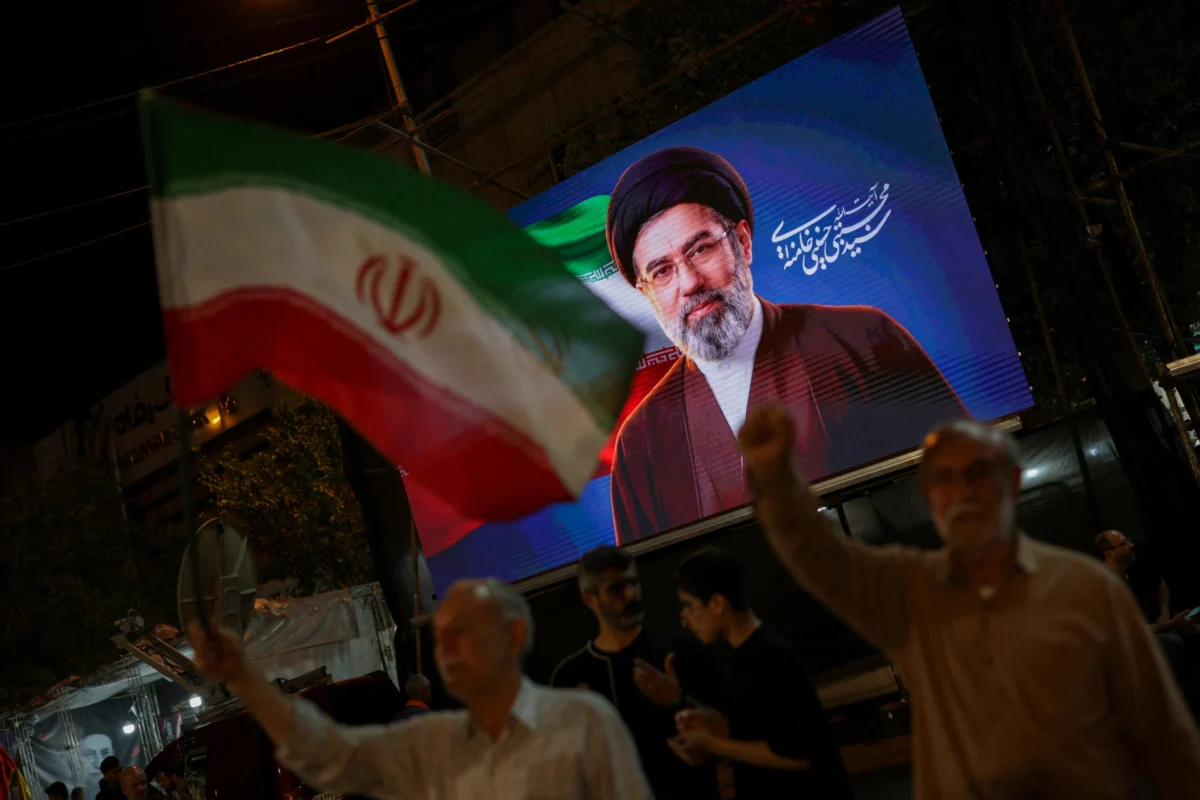
Iran’s Supreme Leader Mojtaba Khamenei has declared that any prospect of peace between Tehran and Washington hinges on an immediate and unconditional cessation of Israeli military operations against Lebanon. The pronouncement, delivered via the social media platform X, signals Iran’s unwavering stance on the protracted conflict in its northern neighbor and underscores the complex geopolitical landscape shaping Middle Eastern security. Khamenei’s statement arrives amidst swirling reports of a potential de-escalation and renewed diplomatic overtures between the United States and Iran, a development that could be significantly impacted by this latest declaration.
Iran’s Ultimatum on Lebanese Sovereignty
Mojtaba Khamenei, who assumed leadership following the assassination of his father, Ali Khamenei, by U.S. and Israeli forces, articulated Iran’s non-negotiable precondition for any agreement aimed at resolving the ongoing hostilities. "Iran has designated the preservation of Lebanon’s territorial integrity, and the absolute, unconditional termination of the Zionist regime’s aggression as the primary condition for any agreement to ending the imposed war against the aggressive US," he wrote in a series of posts. This explicit linkage places the onus squarely on Israel to halt its military actions in Lebanon, framing it as a fundamental prerequisite for broader diplomatic progress.
The Supreme Leader’s pronouncements also extended a clear message of solidarity with the Lebanese resistance movement Hezbollah, its late leader Hassan Nasrallah, and the residents of southern Lebanon, which has borne the brunt of Israel’s offensive. Khamenei affirmed Iran’s strategic commitment, stating, "The Islamic Republic of Iran considers the defense of these oppressed yet powerful mujahideen [of Hezbollah] to be its strategic mandate." This statement reinforces Iran’s long-standing policy of supporting its regional allies and underscores its perception of Hezbollah as a crucial element in regional security dynamics.
Shifting Diplomatic Sands and Precedent
Khamenei’s intervention occurs at a pivotal moment, with indications of a pause in hostilities and nascent diplomatic discussions between Tehran and Washington. These reports suggest a potential thaw in relations, though the path forward remains fraught with challenges. Iran has historically positioned the end of Israeli strikes on Lebanon as a cornerstone of its demands for de-escalation. This demand was reportedly enshrined in the initial clauses of a Memorandum of Understanding (MoU) signed between Iran and the U.S. in June, an agreement that subsequently faltered over disagreements concerning the Strait of Hormuz.
The current escalation in Lebanon began in March, triggered by Hezbollah’s missile launches into northern Israel. These actions were attributed to the assassination of Ali Khamenei on February 28 and Israel’s persistent bombardment of Lebanese territory, which Hezbollah contends violated a previous ceasefire. The conflict has since intensified, drawing southern Lebanon into the broader regional tensions.
The Troubled Framework Agreement
In the wake of the June MoU signing, a U.S.-mediated framework agreement was reached between Lebanon and Israel, outlining a phased withdrawal of Israeli forces from occupied Lebanese territory. However, the agreement notably lacked a specific timeline for this withdrawal. Instead, it stipulated that Israel would only disengage from these areas contingent upon the disarmament of Hezbollah.
Both Iran and Hezbollah have publicly rejected this framework agreement, viewing it as insufficient and failing to address their core security concerns. The Lebanese army has recently reported that Israeli forces are actively obstructing the implementation of the initial phase of the agreement, which involves Israel’s withdrawal from three designated "pilot zones" in southern Lebanon. Reports indicate that Israeli forces have refused to vacate these territories, continuing their military operations.
Persistent Israeli Military Operations
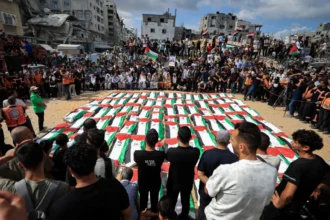
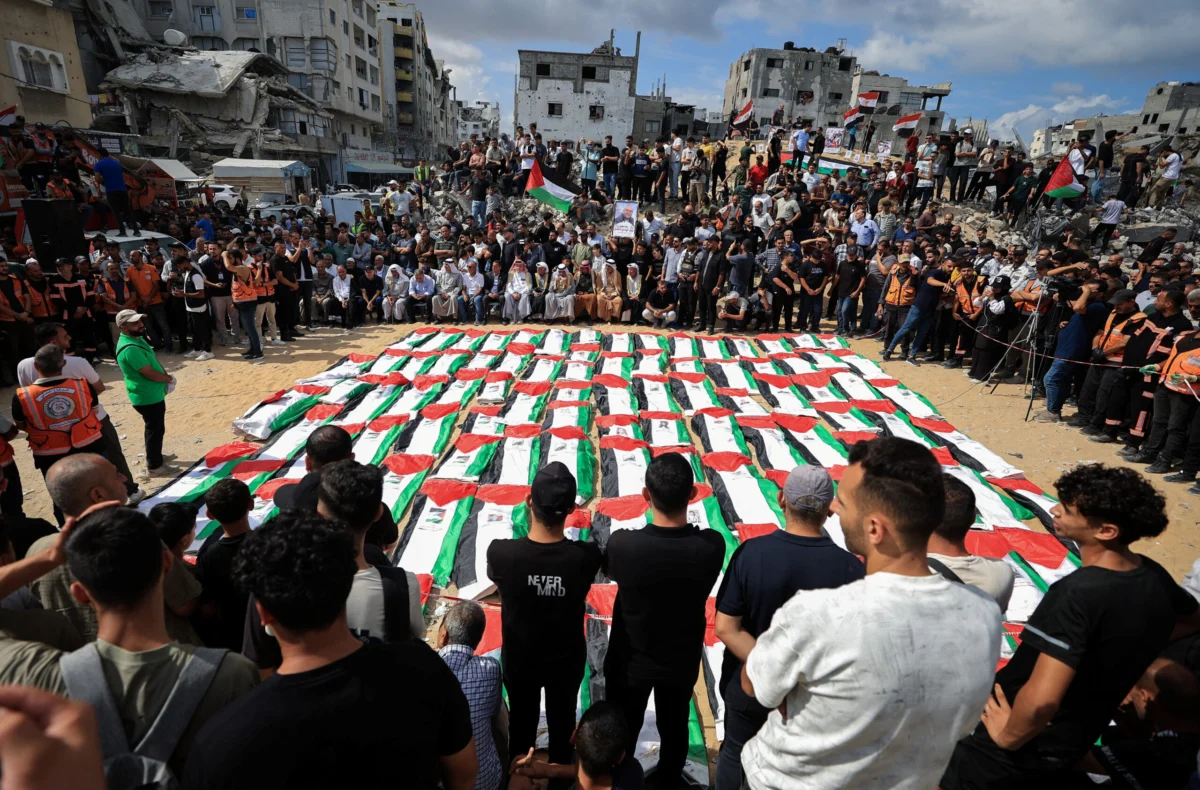
As of Sunday, Israeli military activity, including bulldozing, shelling, and machine-gun operations, was reportedly ongoing across significant portions of occupied southern Lebanese territory. This continued aggression directly contradicts any notion of de-escalation and fuels the ongoing cycle of violence. The human cost of this conflict is stark, with at least 4,329 people killed in Lebanon and 37 Israeli soldiers and four Israeli civilians losing their lives in the latest wave of hostilities.
UN peacekeepers have previously documented that Israel violated a prior ceasefire agreement between Hezbollah and Israel on more than 10,000 occasions. These persistent violations have eroded trust and exacerbated the already volatile security situation along the Israel-Lebanon border.
Broader Regional Implications and Emerging Conflicts
Mojtaba Khamenei’s assertive stance on Lebanon coincides with a worrying expansion of conflict into Yemen. Reports indicate an exchange of attacks between Houthi forces and Saudi Arabia, signaling a widening of regional instability. This broader pattern of escalating tensions across multiple fronts underscores the fragility of the Middle East’s security architecture and the potential for a wider conflagration.
The ongoing conflict in Lebanon and the associated diplomatic entanglements are not isolated events but are deeply intertwined with the complex power dynamics and rivalries that characterize the region. Iran’s consistent policy of leveraging its support for groups like Hezbollah as a strategic tool highlights its approach to projecting influence and challenging its adversaries.
Analysis of Iran’s Strategic Objectives
Iran’s insistence on an unconditional end to Israeli attacks on Lebanon serves multiple strategic objectives. Firstly, it aligns with Iran’s broader regional policy of opposing Israeli influence and asserting its role as a protector of Muslim populations against perceived aggression. By framing the issue as a matter of Lebanese territorial integrity and an end to "Zionist regime’s aggression," Tehran seeks to garner international sympathy and legitimacy for its position.
Secondly, the demand positions Iran as a key player in any regional peace negotiations, underscoring its indispensability in achieving stability. The linkage between U.S.-Iran relations and the situation in Lebanon suggests that Tehran views its regional proxy conflicts as leverage in its dealings with Washington, particularly concerning broader geopolitical issues and sanctions relief.
Thirdly, by highlighting the actions of Hezbollah and its deceased leader, Iran aims to bolster the narrative of resistance and martyrdom, reinforcing its ideological appeal within the region and among its domestic population. The repeated emphasis on "oppressed yet powerful mujahideen" serves to rally support and frame the conflict as a righteous struggle.
The Role of Hezbollah and its Capacity
Hezbollah, a powerful Shiite political and paramilitary organization, has been a central actor in the conflict since the initial Israeli withdrawal from southern Lebanon in 2000. Its military capabilities, reportedly bolstered by Iranian support, have allowed it to engage Israeli forces in prolonged confrontations. The group’s political influence within Lebanon is substantial, making any resolution to the conflict contingent on its consent and the broader political landscape of the country.
The recent attacks and counter-attacks have demonstrated Hezbollah’s continued capacity to launch significant operations against Israel, while Israel’s retaliatory strikes have aimed to degrade Hezbollah’s infrastructure and capabilities. The ongoing cycle of violence suggests a strategic stalemate, where neither side has been able to achieve a decisive victory, leading to protracted instability.
Public and Political Repercussions
The sustained conflict has had devastating consequences for the civilian populations of southern Lebanon, leading to displacement, destruction of infrastructure, and loss of life. The economic impact on the region, already grappling with internal challenges, is significant. The ongoing hostilities also contribute to a climate of fear and uncertainty, impacting daily life and long-term development prospects.
Politically, the conflict has heightened tensions between Iran and Israel, further complicating any prospects for regional dialogue or cooperation. For the United States, navigating its relationship with both Iran and Israel while seeking to de-escalate regional conflicts presents a significant diplomatic challenge. The U.S. has often found itself attempting to mediate between these opposing forces, with mixed results.
Examining the U.S.-Iran Diplomatic Trajectory
The reported "halt to attacks and renewed diplomacy" between the U.S. and Iran suggests a potential opening for dialogue, possibly aimed at addressing a range of issues, including Iran’s nuclear program, regional proxy conflicts, and sanctions. However, Khamenei’s pronouncements serve as a stark reminder of Iran’s deeply entrenched positions and its willingness to use regional conflicts as bargaining chips.
The success of any U.S.-Iran diplomatic initiative will likely depend on the ability of both sides to find common ground on critical issues, including the cessation of hostilities in Lebanon. The U.S. faces the delicate task of balancing its support for Israel with its desire to de-escalate regional tensions and prevent further proliferation of conflict.
Future Prospects and Continued Volatility
The current situation indicates a continued period of heightened tension and uncertainty in the Middle East. Iran’s unwavering stance on Lebanon, coupled with the expanding conflict in Yemen, suggests that regional instability is likely to persist. The efficacy of international diplomatic efforts will be tested by the entrenched positions of key actors and the complex web of alliances and rivalries that define the region.
Any future agreements will need to address the fundamental security concerns of all parties involved, including the territorial integrity of Lebanon, the security of Israel, and the broader regional implications of Iran’s influence. Without a comprehensive and inclusive approach, the cycle of violence and diplomatic deadlock is likely to continue, with significant humanitarian and geopolitical consequences. The future of U.S.-Iran relations, and indeed regional peace, remains inextricably linked to the resolution of the conflict in Lebanon and the broader geopolitical dynamics at play.