Millions of mobile devices across Australia will emit a loud, high-pitched siren at 2:00 p.m. AEST on Monday, July 27, as federal authorities conduct the first nationwide trial of the AusAlert emergency notification infrastructure. The comprehensive AusAlert test is designed to verify the reach and reliability of a new cell-broadcast system that will replace the aging SMS-based warning protocols currently used by state and territory governments. This mandatory exercise will trigger an audible alarm and a full-screen notification on nearly every smartphone, smartwatch, and tablet in the country, regardless of whether the device is set to silent or "do not disturb" mode.
The National Emergency Management Agency (NEMA) confirmed that the 10-second siren is a critical step toward the official launch of the system, scheduled for October 2026. Unlike standard text messages, which can be delayed by network congestion during a crisis, the AusAlert technology utilizes a dedicated broadcast channel to deliver near-instantaneous warnings to all compatible devices within a specific geographic area. Federal officials have stressed that while the noise may be startling, no action is required from the public during this afternoon’s demonstration.
Understanding the Technology Behind the AusAlert Test
The transition to AusAlert represents a fundamental shift in how the Australian government communicates with its citizens during life-threatening events. For over a decade, emergency services have relied on the "Emergency Alert" system, which sends traditional SMS messages based on billing addresses or the last known location of a device. However, the limitations of SMS became tragically apparent during recent natural disasters, where network lag and high traffic volumes caused some residents to receive evacuation orders hours after the danger had passed.
The new AusAlert system employs "cell broadcast" technology, a method of sending messages to all mobile devices connected to specific cell towers simultaneously. This approach does not require the system to know individual phone numbers, nor is it susceptible to the "bottleneck" effect that occurs when thousands of people try to use a network at once. Because the broadcast uses a specialized frequency, the alerts can bypass the standard messaging queue, ensuring that critical information reaches the public in seconds rather than minutes.
Government technical experts have spent months refining the delivery mechanism to ensure maximum compatibility. The siren itself has been calibrated to be "loud enough to get attention" without reaching the deafening levels of a commercial fire alarm. On most devices, the alert will be accompanied by a unique vibration pattern and a pop-up window that stays on the screen until the user acknowledges it.
Lessons from the Black Summer Bushfires
The impetus for the AusAlert system can be traced back to the findings of the Royal Commission into National Natural Disaster Arrangements, established following the catastrophic 2019-2020 "Black Summer" bushfires. That inquiry highlighted significant gaps in Australia’s emergency communication framework, noting that inconsistent messaging and technical failures likely contributed to the loss of life and property. One of the primary recommendations was the creation of a nationally consistent, robust warning system that could operate across all jurisdictions.

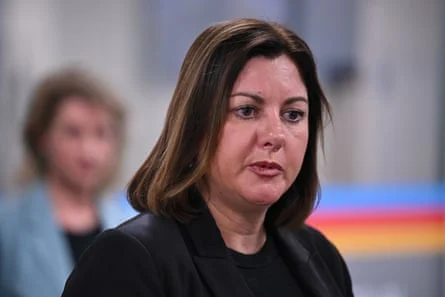
Federal Emergency Management Minister Kristy McBain, who represents the electorate of Eden-Monaro—one of the regions hardest hit by the 2019 fires—has been a vocal proponent of the upgrade. McBain noted that during the Black Summer crisis, many of her constituents were left in the dark because their specific mobile providers were unable to deliver SMS alerts in a timely fashion. In some cases, the lack of interoperability between different carrier networks meant that people standing on opposite sides of a street received different information, or no information at all.
By implementing a "geofenced" system, AusAlert allows authorities to target very specific areas, such as a single suburb at risk of flash flooding or a town facing a fast-moving fire front. This precision reduces the risk of "alert fatigue," where citizens begin to ignore warnings because they frequently receive notifications that do not apply to their immediate location.
What Time Will National Emergency Warning Siren Sound on Phones in Australia Today?
The synchronized AusAlert test is scheduled to occur at 2:00 p.m. Australian Eastern Standard Time (AEST). Due to the country’s multiple time zones, the actual local time for the siren will vary by state and territory. Residents in New South Wales, Victoria, Queensland, Tasmania, and the Australian Capital Territory will hear the alert at 2:00 p.m. In South Australia and the Northern Territory, the test will occur at 1:30 p.m. local time, while Western Australian residents will receive the notification at 12:00 p.m.
NEMA officials have spent weeks coordinating with major telecommunications providers, including Telstra, Optus, and TPG/Vodafone, to ensure the broadcast triggers correctly across all networks. While local tests have been conducted in smaller batches over the past year, today’s event marks the first time the entire national grid will be activated at once. This "stress test" is vital for identifying any unforeseen technical glitches before the system goes live for real-world emergencies.
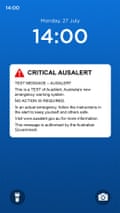
To minimize public panic, the text of the notification will clearly state "TEST MESSAGE" and "NO ACTION IS REQUIRED." Authorities have also reached out to schools, hospitals, and transportation hubs to ensure staff are prepared for the simultaneous noise. Despite these efforts, officials acknowledge that the sound may be disruptive to those in sensitive environments, such as courtrooms, places of worship, or theaters.
Device Compatibility and Limitations of the AusAlert Test
While the vast majority of Australians will receive the alert, NEMA has cautioned that not every device is compatible with the new technology. Generally, smartphones manufactured after 2019 are equipped with the hardware and software necessary to process cell broadcasts. This includes approximately 80% of Apple iPhones currently in use and an estimated 16 million Android devices.
For the alert to function, the device must be powered on and connected to a cellular network. Tablets with cellular capabilities and modern smartwatches with independent LTE connections are also expected to trigger. However, Apple iPads—even those with cellular data plans—are currently not configured to receive these specific types of broadcasts. Older "feature phones" or early-model smartphones may also fail to respond to the signal.
NEMA’s deputy coordinator general, Katarina Carroll, noted that the agency is particularly interested in hearing from people whose phones do not ring. "We want to know where the gaps are," Carroll said. "If you have a modern phone and you don’t receive the alert, that is a data point that helps us improve the system before the October launch." A public survey will be made available following the test to gather feedback on device performance and signal clarity.
Protecting Vulnerable Communities and "Safe Phones"
One of the most significant concerns raised during the planning of the AusAlert test involves the safety of individuals experiencing domestic and family violence. Advocates have pointed out that many victims maintain "safe phones"—hidden devices kept for emergency communication or to plan an escape from an abusive situation. Because the AusAlert siren ignores silent and "do not disturb" settings, a hidden phone could be discovered if it emits a loud alarm while a perpetrator is nearby.
In response to these concerns, NEMA has collaborated with domestic violence support organizations, including the Women’s Safety Commissioner and DV Connect, to distribute safety advisories. The primary recommendation for anyone with a hidden device is to turn the phone completely off or switch it to "airplane mode" for at least 24 hours surrounding the test period.
"The only way to ensure a device remains silent is to sever its connection to the cellular network," said Pat Hetherington, interim coordinator general at NEMA. "We have advised those with safe phones to keep them powered down from Sunday evening through Monday evening to be absolutely certain the test does not compromise their safety." This extended window accounts for any potential delays in the broadcast queue and ensures the device is not triggered upon being turned back on.
Global Context and Future Applications of AusAlert
Australia is not alone in adopting cell-broadcast technology for public safety. The United States has long utilized the Wireless Emergency Alerts (WEA) system, managed by FEMA and the FCC, which has been credited with saving lives during tornadoes and hurricanes. Similarly, the United Kingdom and several European nations have recently implemented similar frameworks. By adopting these international standards, Australia ensures that its emergency infrastructure is aligned with global best practices.
Once fully operational in October, the AusAlert system will be used for a wide range of scenarios beyond natural disasters. Authorities envision using the tool for serious public health incidents, biosecurity threats—such as an outbreak of foot-and-mouth disease—and even critical public safety warnings during a terrorist event. State and territory governments will retain the primary authority to trigger alerts within their borders, but the federal government will have the ability to issue nationwide warnings if necessary.
The successful implementation of the AusAlert test today will mark a milestone in Australia’s disaster preparedness. As climate change increases the frequency and severity of extreme weather events, the ability to reach the entire population in a matter of seconds is no longer a luxury but a fundamental requirement of modern governance. Following the conclusion of the 2:00 p.m. test, NEMA will begin a months-long analysis of the data to ensure that when the first real emergency strikes, the system performs without a hitch.