The Civil Aviation Authority has officially authorized Heathrow Airport Limited to recoup hundreds of millions of pounds in development costs associated with its long-delayed third runway project, a move that guarantees travelers will shoulder the financial burden of the expansion for decades to come. In a landmark decision released this week, the United Kingdom’s aviation regulator confirmed that the airport may recover approximately £320 million ($405 million) spent on planning and design since the beginning of last year. These costs will be integrated into the landing fees charged to airlines, which are almost universally passed on to consumers in the form of higher ticket prices.
The regulatory ruling establishes a framework for a recovery period spanning 20 to 25 years, ensuring that the financial impact of the current planning phase will persist well into the middle of the century. While the individual increase per ticket may appear marginal in the short term, the cumulative effect on the aviation market and the precedent it sets for infrastructure financing have sparked immediate pushback from major carriers and consumer advocacy groups.
Regulatory Approval for Cost Recovery and the Impact on Travelers
The Civil Aviation Authority (CAA) justified its decision by stating that the move balances the need for critical infrastructure investment with the protection of consumer interests. According to the regulator, the decision will result in a maximum airport charge increase of approximately 15 pence per passenger starting in 2028. This figure is projected to rise to an estimated 30 pence per passenger in subsequent years as the recovery mechanism fully takes effect.
In addition to the primary award to Heathrow Airport Limited (HAL), the regulator also granted a smaller recovery allowance to Heathrow West. This rival expansion proposal, spearheaded by property billionaire Surinder Arora, has been permitted to recoup £4.1 million for expenses incurred between early 2025 and November 25 of the same year. This date marks the point at which the British government formally designated HAL’s proposal as its preferred option for the airport’s growth.
The funds being recovered are specifically allocated for the "pre-construction" phase of the third runway. This includes the complex architectural design, environmental impact assessments, and the legal preparation required for a Development Consent Order (DCO). A DCO is the essential legal instrument required for major infrastructure projects in the United Kingdom to bypass traditional local planning hurdles and move toward actual construction.
Why Heathrow Passengers Face Higher Fares for Decades
The mechanism through which Heathrow passengers face higher fares is rooted in the "per-passenger" charging model used by major international hubs. Heathrow already holds the distinction of being one of the most expensive airports in the world for airlines to operate from. When the CAA allows the airport to increase its price cap, airlines—which operate on thin profit margins—rarely absorb these costs. Instead, the charges are added to the base fare or fuel surcharges of every ticket sold for flights departing from or arriving at the terminal.
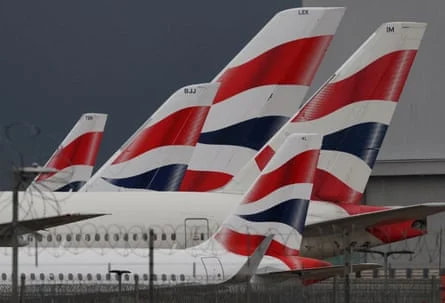
British Airways, which maintains its primary global hub at Heathrow, has been the most vocal critic of the CAA’s decision. In documents submitted to the regulator, the airline warned that allowing HAL to recover early costs creates a significant risk that the entire expansion project will become "unaffordable for consumers." The airline further argued that the rising costs are "inconsistent with a credible benefits case," suggesting that the economic advantages of a third runway may be outweighed by the increased cost of travel.
Industry analysts suggest that the 30-pence-per-passenger estimate may be a conservative starting point. As the project moves from the design phase to the actual movement of millions of tons of earth and the rerouting of the M25 motorway, the capital expenditure is expected to soar into the tens of billions. If the current trend of passing planning costs to the consumer continues, the eventual price of the third runway could lead to significantly higher fare hikes in the 2030s.
Heathrow Passengers Face Higher Fares Amid Political Pressure for Growth
The timing of the CAA’s decision aligns with a renewed push from the British government to prioritize national infrastructure as a driver of economic growth. Chancellor Rachel Reeves has signaled a "pro-growth" agenda, stating her determination to see "spades in the ground" for the Heathrow expansion within the current parliament. The government’s current timeline aims for the third runway to be operational by 2035, a target that requires the planning and legal phases to proceed without further financial interruption.

Last month, the government launched a formal consultation on the Heathrow expansion National Policy Statement. This document outlines the specific environmental, noise, and economic conditions that HAL must meet to secure final approval. However, the political consensus is far from absolute. While the central government views Heathrow as a "national asset" essential for post-Brexit trade, regional leaders have expressed concerns that the focus on London-centric infrastructure comes at the expense of the rest of the country.
Andy Burnham, the Mayor of Greater Manchester, has been a prominent critic of the expansion’s funding model. Burnham has argued that the massive investment required for Heathrow effectively "traps" infrastructure capital in the southeast of England, diverting much-needed resources away from the "Northern Powerhouse" and other regional rail and air projects. This geographical tension adds a layer of political complexity to the fare increases, as passengers from across the UK and the world essentially subsidize a project located in London’s western suburbs.
The Financial Scrutiny of the Third Runway Expansion
To mitigate public backlash, the CAA has emphasized that the cost recovery will not be a "blank check" for the airport. Tim Johnson, the CAA’s director of consumers and markets, stated that the costs Heathrow can recover are capped and will be subject to "independent scrutiny and efficiency reviews." The goal, according to Johnson, is to ensure that passengers only pay for "efficient costs that are justified" by the eventual delivery of the project’s benefits.
However, the definition of "efficient" remains a point of contention. Airlines have long argued that Heathrow’s operational costs are bloated compared to other global hubs like Dubai International or Singapore Changi. By allowing the airport to recover costs for a project that has been stalled in legal and political limbo for over a decade, critics argue the regulator is shielding the airport’s private shareholders from the financial risks of their own development plans.
A separate regulatory process is already being scheduled to determine the cost-recovery arrangements for expenses incurred from 2027 onward. This suggests that the current £320 million is merely the first installment in a series of financial adjustments that will keep ticket prices on an upward trajectory.
Environmental and Global Market Consequences
Beyond the immediate financial impact, the decision to proceed with cost recovery for the third runway touches on the broader debate regarding the aviation industry’s environmental footprint. Environmental groups argue that by baking the costs of expansion into the ticket prices of today’s passengers, the regulator is incentivizing a growth model that is incompatible with the UK’s "Net Zero" carbon targets.
Furthermore, there is the question of Heathrow’s competitive standing in the global market. If Heathrow passengers face higher fares compared to those using Charles de Gaulle in Paris or Frankfurt Airport in Germany, airlines may choose to shift their transit traffic to continental hubs. This "hub hopping" could undermine the very economic case for the third runway, leaving the airport with a massive debt load and fewer passengers to pay for it.
The expansion plan involves not just a new runway, but also new terminal capacity and a massive reconfiguration of the surrounding road network. The complexity of building in one of the world’s most densely populated urban corridors means that unforeseen costs are almost a certainty. Under the current regulatory logic, many of those unforeseen costs could eventually find their way onto the passenger’s boarding pass.
Future Outlook for Travelers and the Aviation Industry
As the consultation process continues and the DCO application nears, the focus will remain on the balance between growth and affordability. The CAA’s decision represents a definitive win for Heathrow Airport Limited, providing the financial certainty needed to keep its planning teams employed and its architects at their desks. For the airlines, it represents a continued struggle to keep Heathrow a viable destination for budget-conscious travelers.
For the millions of people who pass through Heathrow’s gates every year, the reality is now clear: the price of a more connected future is a more expensive present. As the 15p and 30p charges begin to appear in the breakdown of ticket taxes and fees, they will serve as a constant reminder of the high cost of expanding one of the world’s busiest pieces of infrastructure. The legal and financial architecture is now in place to ensure that the expansion of Heathrow remains a passenger-funded endeavor for the next quarter-century.