A once ambitious regreening program in the Philippines, launched with the promise of restoring vast tracts of barren land and bolstering the nation’s dwindling forests, is now facing widespread criticism for its failure to meet its fundamental objectives, leaving environmentalists and Indigenous communities disillusioned and concerned about the country’s ecological future. The National Greening Program (NGP), initiated in 2011 with significant fanfare and considerable investment, aimed to reforest millions of hectares by engaging local populations to plant and care for trees. However, a comprehensive investigation reveals a stark disconnect between the program’s lofty goals and its tangible outcomes, highlighting systemic failures that have exacerbated, rather than alleviated, the Philippines’ deforestation crisis.
The NGP was envisioned as a cornerstone of the Philippines’ environmental policy, a large-scale initiative designed to combat deforestation, mitigate climate change impacts, and provide economic opportunities for impoverished rural communities. The program’s core mechanism involved providing financial incentives to individuals and communities, particularly those in remote and marginalized areas, to cultivate and protect newly planted seedlings. The government set aggressive targets for tree planting, with the expectation that these efforts would translate into significant increases in forest cover and a healthier ecosystem.
Launched with a target of reforesting 1.5 million hectares between 2011 and 2016, the NGP was later expanded with even more ambitious goals, aiming to cover 22.5 million hectares by 2028. This expansion underscored the perceived urgency of addressing the Philippines’ historical deforestation, a problem driven by illegal logging, agricultural expansion, and infrastructure development. The program’s architects believed that by directly involving local populations, it would foster a sense of ownership and responsibility for forest conservation, thereby ensuring the long-term success of reforestation efforts.
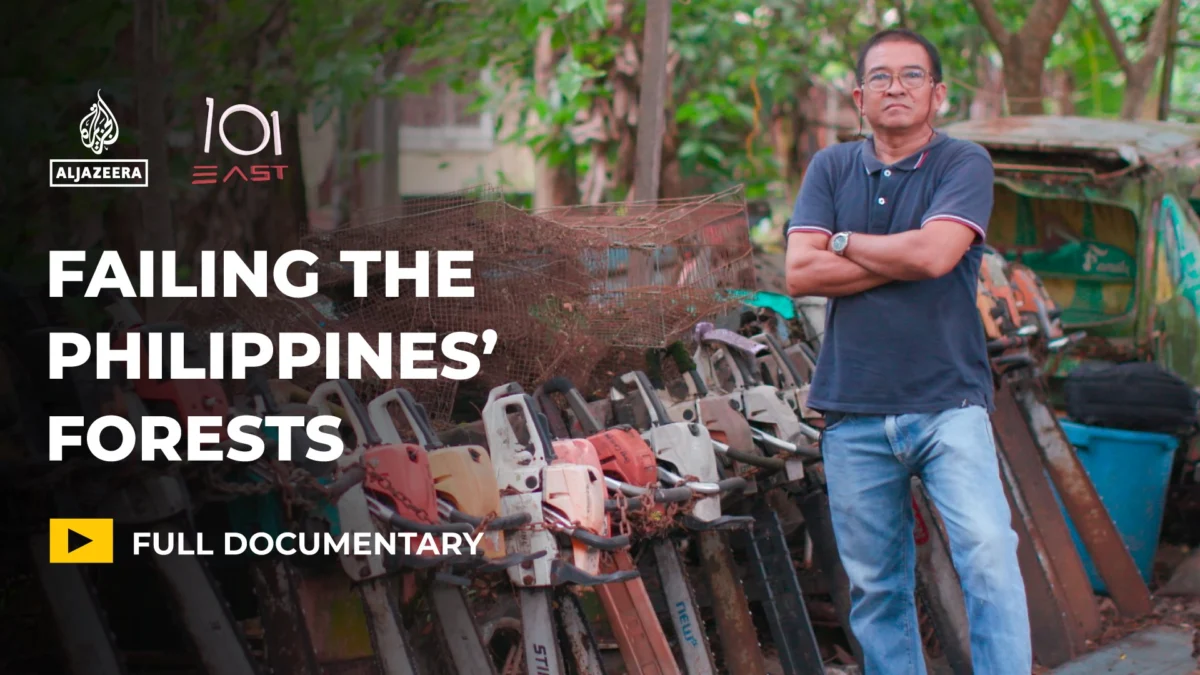
However, nearly a decade and a half into the program, a joint investigation by 101 East and Lighthouse Reports has unearthed a troubling reality: the NGP has largely failed to achieve its stated targets. Satellite imagery analysis, a crucial component of monitoring land use change, indicates that instead of witnessing widespread forest regeneration, some areas designated for reforestation have actually experienced further degradation and deforestation. This alarming finding suggests that the program’s implementation has been deeply flawed, with resources and efforts failing to translate into meaningful ecological gains.
The implications of these findings are profound. The Philippines, an archipelago nation highly vulnerable to the impacts of climate change, including typhoons and sea-level rise, relies heavily on its forest cover for natural protection. Forests act as critical buffers against extreme weather events, prevent soil erosion, and support biodiversity. The failure of the NGP to effectively restore these vital ecosystems leaves the country more exposed to environmental hazards and jeopardizes the delicate balance of its natural resources.
Furthermore, the program’s shortcomings have had a disproportionate impact on Indigenous communities, many of whom consider their ancestral lands to be intrinsically linked to their cultural identity and economic survival. These communities often possess traditional knowledge of forest management and have historically been stewards of the land. The NGP, in its current form, has reportedly led to the displacement of some Indigenous groups or has failed to adequately consult them, raising concerns about land rights and the erosion of traditional practices. The promised economic benefits have also often failed to materialize for these communities, leading to further marginalization.
The investigation points to several key factors contributing to the NGP’s ineffectiveness. One significant issue appears to be the lack of robust monitoring and enforcement mechanisms. While millions of trees may have been planted, there is little evidence to suggest that these saplings have survived or that the protected areas are genuinely shielded from illegal activities. Corruption and mismanagement within the program’s administration have also been cited as potential impediments, diverting resources and undermining accountability.
The choice of species for reforestation has also come under scrutiny. Critics argue that the program has often prioritized fast-growing, non-native species over indigenous trees that are better suited to local ecosystems and provide more sustainable benefits for biodiversity and soil health. This approach, while potentially yielding quicker visible results, can lead to ecological imbalances and a failure to establish truly resilient forests.
The reliance on contractors and intermediaries in the program’s implementation has also been identified as a source of weakness. In some cases, payments have been disbursed without adequate verification of work completed or the survival rate of planted trees, creating opportunities for graft and inefficiency. This contractual model, while intended to streamline implementation, has inadvertently diluted direct accountability and oversight, allowing for widespread malfeasance.
The failure of the National Greening Program extends beyond environmental concerns; it represents a significant missed opportunity for socio-economic development. The program was intended to create sustainable livelihoods for rural populations, offering them an alternative to destructive practices. However, reports suggest that many participants received inadequate compensation or faced difficulties in accessing promised support, leading to disillusionment and a lack of sustained engagement.
This situation has ignited significant public concern and calls for reform. Environmental advocates and civil society organizations have been vocal in their criticism, urging the government to undertake a thorough review of the NGP and implement corrective measures. They emphasize the need for greater transparency, stricter oversight, and a more community-centered approach to reforestation efforts.
The implications of these failures are far-reaching, impacting not only the ecological health of the Philippines but also its vulnerability to climate-related disasters and the well-being of its most marginalized populations. The country’s commitment to international environmental agreements, such as the Paris Agreement, is also implicitly challenged by the evident shortcomings in its national reforestation initiatives.
Moving forward, experts suggest that a fundamental shift in strategy is required. This includes a greater emphasis on planting native species, strengthening partnerships with local communities and Indigenous peoples, and establishing independent, transparent monitoring systems. Investing in the long-term survival of planted trees, rather than solely focusing on the initial act of planting, is crucial for achieving genuine reforestation.
The ongoing investigation aims to shed further light on the specific instances of mismanagement and environmental damage. By bringing these issues to the forefront, the hope is to catalyze a more effective and equitable approach to forest restoration in the Philippines, ensuring that future initiatives truly contribute to the nation’s ecological resilience and the sustainable development of its people. The future of the Philippines’ forests, and the communities that depend on them, hangs in the balance, demanding urgent and decisive action to rectify the current course.
The revelations from the investigation underscore the critical need for accountability and effective governance in environmental programs. The Philippines, a nation rich in biodiversity but also acutely vulnerable, cannot afford to squander its resources and opportunities in the fight against climate change and deforestation. The path to successful reforestation demands not just planting trees, but cultivating trust, ensuring transparency, and empowering the very communities who are the frontline stewards of these vital natural assets. The current trajectory of the National Greening Program suggests that a significant course correction is not merely desirable but essential for the survival and well-being of the Philippine archipelago.