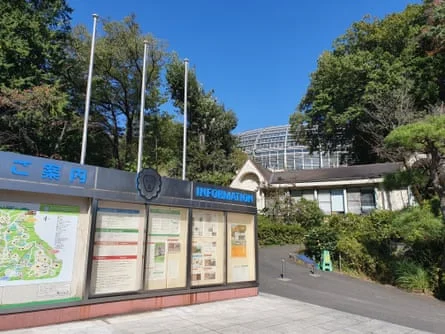
Three lions die of suspected heatstroke at Tokyo zoo following a period of unprecedented thermal intensity that has seen temperatures across Japan surge to record-breaking levels. Officials at the Tama Zoological Park confirmed on Tuesday that three lionesses succumbed to the sweltering conditions, while several other members of the pride remain under emergency veterinary care. The deaths have sent shockwaves through the international zoological community, raising urgent questions about the viability of maintaining large African mammals in climates where high humidity compounds the effects of extreme heat.
The fatalities began mid-July when zookeepers noticed a sudden shift in the behavior of the pride. According to a formal statement released by the facility, 10 of the zoo’s 16 lions began exhibiting signs of severe distress, including a total loss of appetite and a marked decrease in physical activity. The timeline of the tragedy unfolded rapidly: the first lioness died on Friday, followed by a second on Sunday, and a third on Tuesday morning.
Veterinary examinations conducted immediately following the deaths revealed a harrowing internal physical state. Pathologists observed advanced dehydration and multiple organ failure, both of which are hallmark indicators of severe heatstroke in large felids. While lions are evolutionarily adapted to the arid heat of the African savannah, experts note that the physiological toll of Japan’s "wet bulb" conditions—a combination of high heat and oppressive humidity—presents a radically different challenge to their cooling mechanisms.
The Crisis at Tama Zoological Park and the Struggle for Survival
The deaths at Tama Zoological Park, located in the Hino suburb of western Tokyo, highlight a growing crisis for captive wildlife as global temperatures rise. The facility, which opened in 1958 and is famous for its pioneering "Lion Bus" that allows visitors to view the animals in a sprawling enclosure, has long been a centerpiece of Japanese conservation efforts. However, the infrastructure of many older zoos was not designed to mitigate the consistent 40-degree Celsius (104-degree Fahrenheit) peaks now becoming common in the region.
A spokesperson for the zoo emphasized that while lions are typically considered heat-resistant, the specific nature of the Japanese summer is increasingly lethal. In Africa, heat is generally accompanied by dry air, which allows for more efficient evaporative cooling through panting. In contrast, the heavy moisture content in Tokyo’s air prevents sweat and respiratory moisture from evaporating, effectively trapping heat within the animal’s body and causing core temperatures to skyrocket to fatal levels.
In response to the initial signs of lethargy among the pride, zoo staff reportedly accelerated their heat-mitigation protocols. These efforts included the installation of industrial-strength spot air conditioners in holding areas, the deployment of large-scale ventilation fans, and the continuous sprinkling of water over the enclosures to lower ground temperatures. Despite these interventions, the sudden onset of extreme heat following the conclusion of the rainy season in late July proved too much for the vulnerable lionesses.
Japan’s "Cruelly Hot Days" and the New Meteorological Reality
The tragedy at the zoo coincides with a broader national emergency as Japan swelters through what meteorologists are calling a "cruelly hot" summer. The Japan Meteorological Agency recently introduced the "kokushobi" designation—translated as "cruelly hot day"—to describe temperatures that reach or exceed 40C. This new classification reflects a grim reality: the country’s previous standards for heat warnings are no longer sufficient to describe the current climate trajectory.
Last year, Japan experienced its hottest summer since record-keeping began in 1898. This year is on track to challenge that record, with the city of Isesaki, north of Tokyo, previously registering a staggering 41.8C. These spikes are not isolated incidents but part of a documented trend toward more frequent and more intense extreme heat events. Scientists point to human-induced climate change as the primary driver, noting that the atmospheric patterns over the Japanese archipelago are increasingly prone to "heat domes" that trap stagnant, hot air for weeks at a time.
The transition from the "Tsuyu" (rainy season) to the height of summer was particularly abrupt this year. This lack of a gradual acclimation period is often cited by health experts as a major factor in heat-related fatalities for both humans and animals. When the body—regardless of species—is not given time to adjust its metabolic and cooling processes to a 10-degree jump in temperature, the risk of systemic failure increases exponentially.

Human Toll and the Broader Regional Impact of the Heatwave
The impact of the heatwave extends far beyond the gates of the Tokyo zoo. Data released by the Fire and Disaster Management Agency reveals a staggering human cost. Between July 20 and July 26 alone, approximately 18,600 people across Japan were rushed to hospitals due to heat-related illnesses. Tragically, 45 of those individuals were pronounced dead on arrival or died shortly after reaching medical facilities.
The crisis is not limited to Japan. Neighboring South Korea is currently engulfed in a similar heatwave, with at least 16 deaths linked to rising summer temperatures in recent weeks. Across East Asia, governments are struggling to adapt infrastructure and public health policies to protect vulnerable populations, including the elderly, outdoor laborers, and, increasingly, animals in captivity.
In Japan, the government has set an ambitious goal to halve the number of annual heat-related deaths by 2030. Currently, the country sees an average of 1,300 such deaths per year. Achieving this target will require a massive overhaul of urban planning, including the creation of "cool islands," the expansion of green spaces, and a fundamental shift in how the public views the dangers of humidity.
Cultural Shifts and the Cancellation of Major Events
The severity of the heat has forced a reevaluation of Japan’s vibrant summer cultural calendar. For decades, the summer months were defined by outdoor festivals, sporting events, and "matsuri." However, the physical danger of gathering in unshaded areas has led to a string of cancellations and adjustments.
The World Cosplay Summit in Nagoya, a major international event that draws thousands of participants in elaborate, often heavy costumes, recently held what many speculate could be its last traditional summer edition. Organizers have been forced to move events indoors or reschedule them for cooler times of the day to prevent participants from collapsing. Similarly, youth baseball tournaments and regional athletic meets are being moved to early morning or late evening slots to avoid the peak "kokushobi" hours.
The loss of the three lions has also sparked a debate regarding animal welfare and the ethics of keeping large mammals in regions where the climate has shifted so dramatically. Animal rights advocates in Japan are calling for more stringent regulations on zoo infrastructure, demanding that all enclosures for non-native species be equipped with climate-controlled indoor retreats that the animals can access at will.
Future Outlook for Wildlife Conservation in a Warming World
As the remaining lions at Tama Zoological Park continue their recovery, the facility remains under close observation by the Tokyo Metropolitan Government. The deaths of the three lionesses serve as a "canary in the coal mine" for the broader challenges facing biodiversity in a warming world. If an animal as resilient as a lion can succumb to the environment in a controlled, well-funded setting like a Tokyo zoo, the implications for wildlife in the "urban heat islands" of the world are profound.
The zoo has pledged to conduct a full review of its cooling systems and may look into long-term structural changes to the lion habitat. This could include the construction of subterranean cooling dens or the installation of more advanced misting technologies that can lower ambient temperatures without significantly increasing humidity.
For now, the focus remains on the survival of the remaining pride. The tragedy has underscored a difficult truth: as the climate enters uncharted territory, the traditional methods of animal husbandry and public safety must be radically reimagined. The "cruelly hot days" of the Japanese summer are no longer an anomaly; they are a permanent fixture of a new, more dangerous meteorological era.