Lebanon marked the sixth anniversary of the devastating Beirut port explosion on August 4, 2026, a somber commemoration overshadowed by a relentless new wave of destruction engulfing the nation, particularly in its southern regions. Families of the more than 200 victims, who have for years demanded justice and accountability for the unsafe storage of ammonium nitrate that led to one of the largest non-nuclear blasts in modern history, found their pleas for closure drowned out by the immediate and escalating crisis on their borders. Despite promises of an independent judiciary following the explosion, investigations have stalled, leaving a void of accountability that now feels all too familiar in the face of Lebanon’s ongoing tragedies.
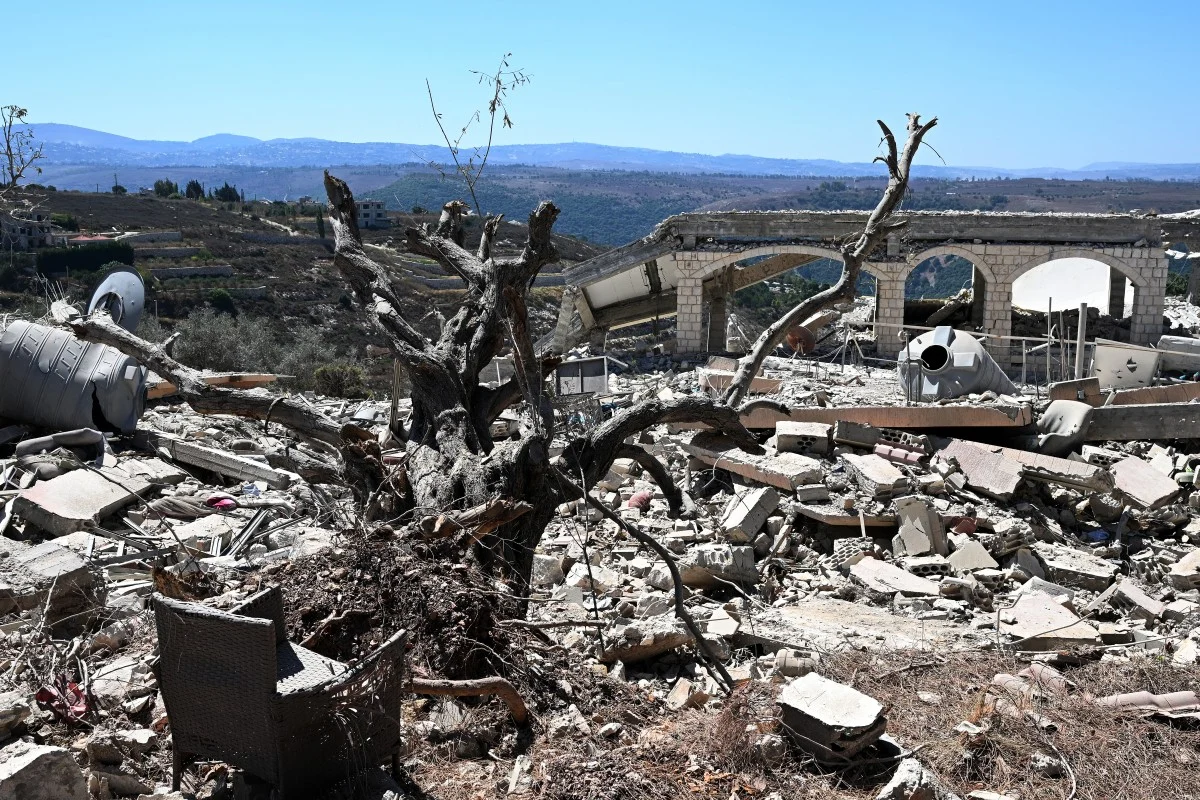
The author of this report, unable to attend the Beirut commemorations, was instead documenting the devastation in Zawtar al-Gharbiyeh, a small town in southern Lebanon reduced to rubble by weeks of intense Israeli airstrikes and shelling. This latest round of violence, occurring amidst ongoing conflict between Israel and Hezbollah, has displaced countless residents and left the majority of homes uninhabitable. The destruction is not merely collateral; in some instances, it appears to be the result of deliberate demolitions, compounding the misery of a population already struggling with the aftermath of previous escalations.
The current conflict between Israel and Hezbollah, which ignited in October 2023, has seen significant escalations, notably in September 2024 and again in early March 2026. These intensified offensives have repeatedly caught communities like Zawtar al-Gharbiyeh off guard, forcing residents to flee their homes only to return to scenes of unimaginable ruin. The emotional toll is profound, with elderly residents expressing deep humiliation as they scavenge for scrap metal from their former homes to survive, their dignity stripped away by the relentless destruction.
Lebanon’s economic woes have compounded the humanitarian crisis. The country’s financial system, currency, and banking sector largely collapsed in 2019, severely limiting access to personal savings. Political inaction and a failure to implement crucial financial reforms have exacerbated this situation, hindering any potential for international financial assistance. This pre-existing vulnerability means that the cost of rebuilding, estimated to be in the billions of dollars and potentially reaching $20 billion, is an insurmountable burden for the Lebanese government and its citizens.
Escalating Conflict and Unprecedented Devastation in Southern Lebanon
The scale of destruction across southern Lebanon is unprecedented. Following a recent reduction in hostilities, a grim assessment of the damage reveals a landscape of widespread devastation. Basic services, including telecommunication networks, have been severed in many areas. The situation is further complicated by the presence of Israeli military forces occupying dozens of villages, rendering them inaccessible and preventing damage assessments and humanitarian aid. In these occupied zones, reports indicate continued demolition of homes, destruction of water infrastructure, and the torching of agricultural lands and olive groves. This deliberate destruction persists despite a supposed ceasefire and a framework agreement, raising serious questions about the efficacy of diplomatic efforts and the commitment to de-escalation.
Reconstruction Hindered by Political Leverage and Targeted Attacks
The cycle of destruction and the lack of progress on reconstruction highlight a deeply troubling pattern. In March 2026, when hostilities escalated, reconstruction efforts from the previous round of fighting in 2024 had not even commenced. The World Bank had estimated losses at $11 billion from that conflict, a sum the already bankrupt Lebanese government could not possibly cover. Crucially, international donor aid for reconstruction has been consistently withheld, seemingly as leverage to compel the disarmament of Hezbollah.
This strategic withholding of aid, coupled with direct Israeli military actions, has systematically crippled rebuilding efforts. For 15 months following a November 2024 ceasefire and leading up to the most recent escalation, the Israeli military actively targeted recovery and rebuilding initiatives. Heavy machinery, construction equipment, factories, and prefabricated housing units were bombed. Even workers clearing rubble were attacked, effectively preventing displaced residents from returning to their homes. This intensified pressure has occurred against a backdrop of significant displacement, with nearly 100,000 people already displaced before the 2026 war forced over a million more from their homes.
A Recurring Nightmare: Six Years of Unresolved Trauma and New Destruction
On the sixth anniversary of the Beirut port blast, Lebanon found itself confronting yet another devastating wave of destruction, a grim echo of the past. The author notes a painful similarity to the previous year’s observations, with the current destruction originating from external forces, specifically Israeli attacks on areas with Hezbollah influence. These regions remain blanketed in rubble, a stark testament to the ongoing conflict.

Once again, the immense task of rebuilding falls upon the Lebanese people, many of whom are left to piece together their lives with minimal external support. The pervasive atmosphere of fear is palpable in front-line towns like al-Mansouri. Here, the municipal head, Haidar Mudayhi, warns residents away from hills surrounding the town center due to the constant threat of Israeli forces deploying stun grenades, daily machine-gun fire, and recurrent airstrikes. This narrative of instability and constant threat is a recurring theme in villages situated north of the former occupation zone.
The fragile calm that exists is precarious, with no guarantees that hostilities between Israel and Hezbollah will not reignite. Israel appears to operate as if no ceasefire is in effect, while the signed agreement between Lebanon and Israel, lauded by the United States as "historic," lacks any concrete commitment or timeline for an Israeli withdrawal from southern Lebanon. This leaves the population in a perpetual state of anxiety, with the specter of renewed violence always looming.
The Lingering Shadow of the Beirut Port Blast
The memory of the Beirut port explosion on August 4, 2020, remains a deep wound for Lebanon. The blast, caused by the detonation of 2,750 tons of ammonium nitrate stored unsafely, claimed over 200 lives, injured thousands, and devastated large parts of the capital. The subsequent pursuit of justice has been a long and arduous journey, marked by political obstruction and a lack of transparency. Families of the victims have consistently protested, demanding accountability for the officials and individuals responsible for the negligence that led to the catastrophe.
The failure to achieve justice for the port blast has fostered a pervasive sense of impunity among Lebanon’s ruling elite. Critics argue that this lack of accountability has emboldened those responsible and contributed to a culture where state institutions are perceived as serving corrupt interests rather than the public good. This historical context of unresolved grievances and systemic failures is crucial to understanding the broader Lebanese experience, where each new tragedy is layered upon existing layers of trauma and disillusionment.
The Human Cost of Persistent Conflict and Economic Collapse
The human cost of the ongoing conflict and the protracted economic crisis is immense and multifaceted. Beyond the immediate devastation of homes and infrastructure, there is the erosion of social fabric, the loss of livelihoods, and the psychological toll on a population already battered by years of instability. The displacement of over a million people in the latest conflict adds a significant burden to a country already struggling to cope with internal displacement and the needs of refugees.
The economic collapse has stripped many Lebanese of their savings and their ability to secure basic necessities. The inability to access funds, coupled with rampant inflation, has pushed a significant portion of the population into poverty. The destruction of agricultural lands and the disruption of trade routes further cripple the economy, making recovery an even more distant prospect. The youth are particularly affected, facing limited opportunities and a bleak future, leading to a growing exodus of skilled professionals and young families seeking stability and a better life elsewhere.
International Stasis and the Quest for Lasting Peace
The international community’s response to the escalating crisis in Lebanon remains complex and, for many Lebanese, insufficient. While there have been expressions of concern and calls for de-escalation, concrete actions to alleviate the humanitarian crisis or pressure parties towards a sustainable peace have been limited. The role of external powers, their allegiances, and their influence on regional dynamics continue to shape the conflict’s trajectory.
The framework agreement between Lebanon and Israel, while presented as a diplomatic breakthrough, has yet to translate into tangible peace or security for the residents of southern Lebanon. The absence of a clear roadmap for Israeli withdrawal and the continued Israeli military operations underscore the fragility of the current situation. The international community faces the challenge of moving beyond rhetoric to implement measures that can genuinely protect civilians, facilitate humanitarian aid, and foster conditions for a lasting resolution to the conflict, addressing both the immediate devastation and the underlying political and security issues. The path forward requires sustained diplomatic engagement, robust humanitarian assistance, and a commitment to holding accountable those responsible for the suffering of the Lebanese people, from the port blast to the current wave of destruction.