Israeli Prime Minister Benjamin Netanyahu formally declined a 15-point peace proposal for the Gaza Strip on Sunday, signaling a significant diplomatic rift with the Trump administration. The rejection represents a departure from the historically close alignment between Netanyahu and President Donald Trump, as the Israeli leader asserted that military operations would continue until the total disarmament of Hamas is achieved. Netanyahu’s announcement comes amid intensifying regional conflicts involving Lebanon and Iran, creating a complex backdrop for U.S. efforts to broker a lasting ceasefire.
During a televised cabinet meeting, Netanyahu addressed what he described as a "wave of rumors" regarding potential Israeli concessions or withdrawals from active battlefronts. He explicitly rebuked international pressure to conclude hostilities without a definitive military victory that meets Israel’s security benchmarks. The Prime Minister’s rhetoric suggested a prioritization of domestic security imperatives over the diplomatic objectives currently being pursued by the White House and its newly established Board of Peace.
“Israel does not accept the 15-point document,” Netanyahu stated, clarifying that the Israel Defense Forces (IDF) would maintain their presence in the Gaza Strip for the foreseeable future. He emphasized that any withdrawal is contingent upon the verified removal of all Hamas weaponry, ranging from heavy artillery to small arms. Netanyahu stressed that the government is seeking "genuine disarmament" rather than a symbolic or "fictitious" surrender, noting that high-level discussions with American officials regarding these conditions are ongoing.
Netanyahu Rejects US-Led 15-Point Gaza Peace Plan Amid Security Concerns
The 15-point peace plan, originally proposed in July by the Trump administration’s Board of Peace, sought to establish a structured roadmap for ending the war. Central to the proposal was a phased exchange: Hamas would undergo full disarmament in return for a complete Israeli military withdrawal from the Gaza Strip. The final stages of the plan envisioned a transition of administrative power to an independent Palestinian National Committee, a move intended to stabilize the region and provide a governing alternative to Hamas.
While President Trump previously indicated that the agreement would be implemented in incremental stages to build mutual trust, Netanyahu’s Sunday declaration insisted on a "disarmament first" policy. This fundamental disagreement over the sequencing of the deal has effectively stalled negotiations. The Israeli leadership argues that a premature withdrawal would allow Hamas to regroup, whereas the U.S. proposal views the withdrawal as a necessary incentive to initiate the disarmament process.
The timing of this public break is particularly notable given the political schedules in both nations. Netanyahu is currently navigating a challenging re-election campaign ahead of an October vote, facing significant pressure from right-wing members of his coalition who oppose any perceived softening of military objectives. Simultaneously, the Trump administration is preparing for U.S. midterm elections in October, where the President’s ability to project strength as a global peacemaker is a central component of the Republican platform.
The Mechanics of the Trump Administration’s Proposal
The Board of Peace, led by High Representative Nickolay Mladenov, has defended the 15-point document as the only viable mechanism to prevent future escalations. Mladenov, speaking to Israeli television following Netanyahu’s rejection, characterized the plan as a comprehensive solution to a generational tragedy. The board’s strategy relies on a multi-national effort to oversee the transition of power and ensure that the Palestinian National Committee has the resources and legitimacy required to govern effectively without the influence of militant factions.
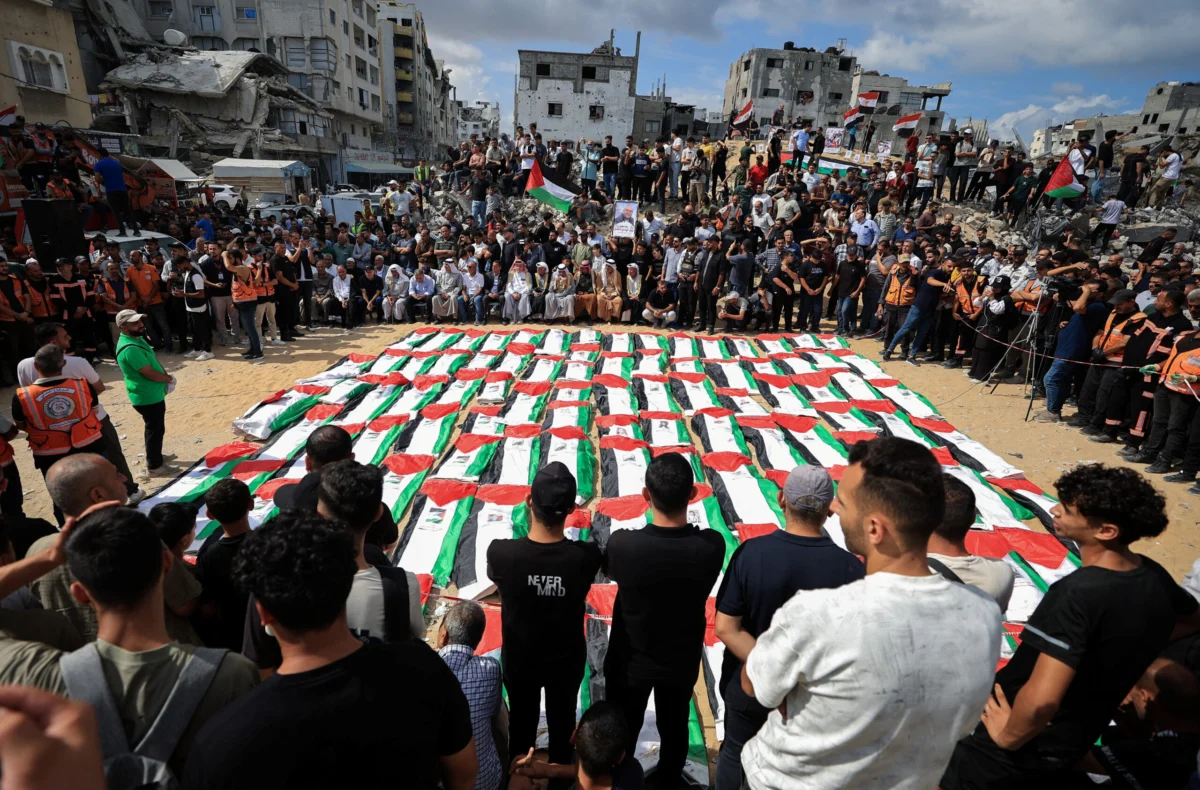
However, the Israeli government has signaled its skepticism through increased military activity. Shortly after the initial announcement of the plan last month, the IDF intensified its aerial campaign in Gaza. Recent strikes reported by local officials claimed the lives of 18 individuals last Sunday, a move widely interpreted by analysts as a physical rejection of the proposed ceasefire terms. Netanyahu’s office had previously issued a more measured critique, stating that the public version of the plan did not accurately reflect Israel’s strategic positions, but the latest comments mark a transition to a more confrontational diplomatic posture.
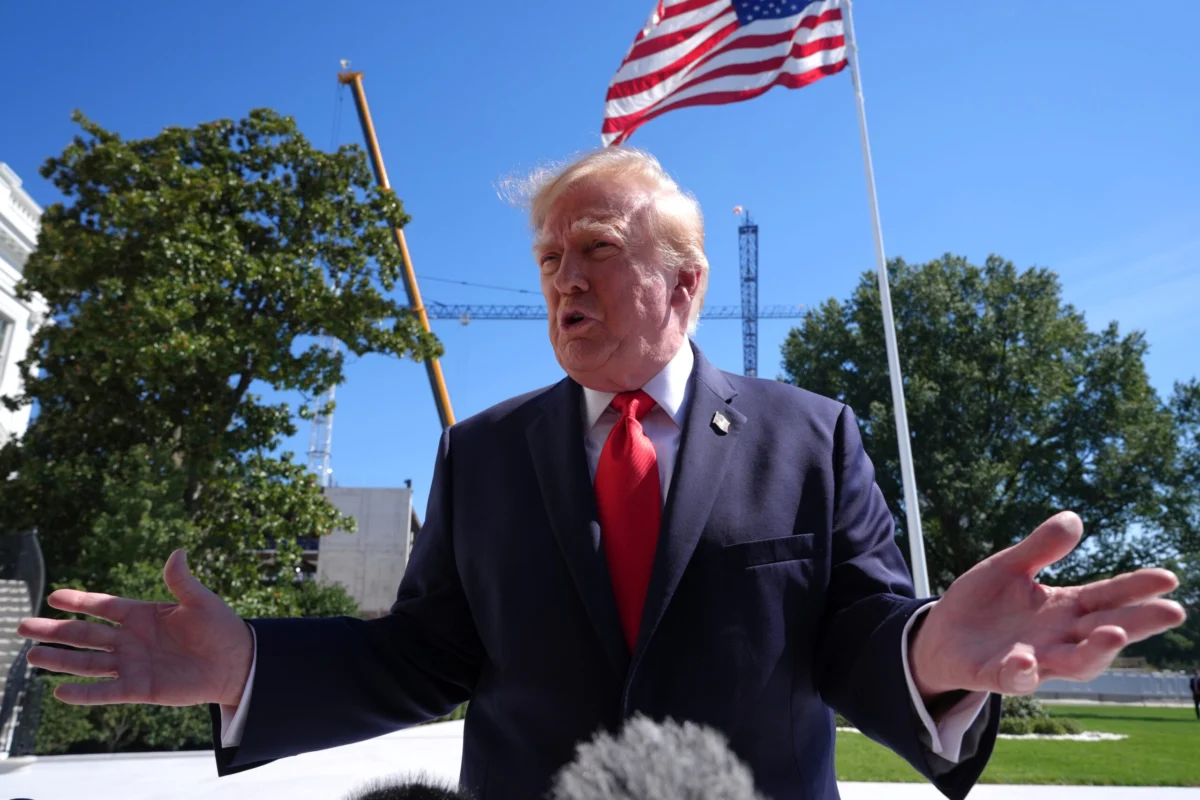
"Unlike all those who lecture us, we do what needs to be done for Israel’s security," Netanyahu said during his address. "We can and know how to stand our ground, even against our best friends when necessary." This direct reference to the U.S. underscores the tension currently defining the bilateral relationship, as the White House attempts to balance its support for an ally with the need for regional stabilization.

Regional Tensions and the Iranian Conflict
The friction over the Gaza peace plan is exacerbated by the broader geopolitical landscape. The United States and Israel recently conducted joint strikes against Iranian targets, an escalation that has had immediate repercussions on global energy markets. The White House is increasingly eager to secure a peace agreement in Iran to facilitate the reopening of the Strait of Hormuz, a critical maritime corridor for global oil supplies. With domestic petrol prices remaining a sensitive issue for American voters, the Trump administration views Middle Eastern stability as a domestic economic priority.
The conflicts in Gaza and Lebanon are deeply interconnected with the standoff with Tehran. In Lebanon, the IDF continues to occupy a "buffer zone" intended to mitigate the threat from Hezbollah, a campaign that has drawn criticism from various international stakeholders. U.S. efforts to broker a separate peace in Lebanon have faced similar hurdles, as Israel remains hesitant to relinquish territory without ironclad guarantees regarding the presence of Iranian-backed militias on its northern border.
Gulf allies of the United States have also voiced growing concern over the humanitarian situation. Several regional partners have described the ongoing operations in Gaza as an ethnic cleansing campaign, a charge the Israeli government vehemently denies. These diplomatic pressures have placed the Trump administration in a difficult position, as it seeks to maintain its coalition of Arab partners while supporting Israel’s right to self-defense.
Domestic Political Stakes in Jerusalem and Washington
The current impasse highlights the evolving nature of the U.S.-Israel alliance. Historically, Israeli prime ministers have managed complex relationships with American presidents, often testing the limits of the "superpower" dynamic. The Biden administration previously faced challenges in influencing Netanyahu’s military strategy, often choosing to maintain public support and military aid despite internal concerns about civilian casualties. In contrast, President Trump represents a more unpredictable counterpart, one who prizes deal-making and decisive diplomatic victories.
Netanyahu’s willingness to challenge Trump publicly suggests a calculation that his domestic political survival depends on appearing unyielding. By positioning himself as the sole defender of Israeli sovereignty against foreign pressure—even from a friendly administration—Netanyahu seeks to consolidate his base of support among hardline voters. This strategy, however, carries the risk of alienating a U.S. president who has often demanded personal loyalty from his international peers.
Within the United States, the political consensus regarding Israel is also showing signs of a generational shift. While the Republican base remains largely supportive, there is an emerging faction of the party that is increasingly skeptical of foreign military entanglements. Vice President JD Vance, a leading figure for the 2028 Republican presidential nomination, has expressed public skepticism regarding the long-term efficacy of the war in Gaza and the extent of U.S. involvement in Middle Eastern conflicts.
A Shifting Alliance and the Role of JD Vance
The rise of voices like JD Vance indicates that the "blank check" policy for Israeli military operations may face future challenges from within the GOP itself. This shift mirrors a broader trend among American voters, where support for unconditional military aid has seen a decline in recent polling. For Trump, this creates a dilemma: he must choose between intensifying pressure on Netanyahu to accept the 15-point plan or allowing the peace process to stall at the risk of appearing ineffective on the world stage.
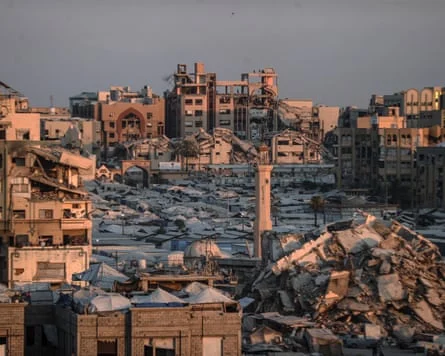
If the Gaza peace plan remains in limbo, it could have lasting consequences for the regional security architecture. The "Board of Peace" continues to insist that its proposal is the only framework capable of preventing a recurrence of the October hostilities. Without a formal agreement, the prospect of a long-term Israeli military occupation of Gaza becomes more likely, a scenario that many diplomats fear will lead to further radicalization and humanitarian crises.
The outcome of this diplomatic standoff will likely depend on whether Trump views a public clash with Netanyahu as a political asset or a liability. Should he choose to increase pressure, he may leverage military aid or diplomatic cover at the United Nations to compel Israeli cooperation. Conversely, if he prioritizes the support of pro-Israel donors and evangelical voters, he may allow Netanyahu the latitude to pursue a total military victory, regardless of the timeline or the impact on the 15-point plan.
As both nations move toward their respective October elections, the rhetoric from Jerusalem and Washington is expected to remain volatile. The rejection of the peace plan is not merely a disagreement over policy; it is a test of the durability of the U.S.-Israel relationship in an era of "America First" diplomacy and shifting regional priorities. The coming weeks will determine whether the 15-point plan becomes a footnote in the history of the conflict or the foundation for a new, albeit hard-won, regional order.