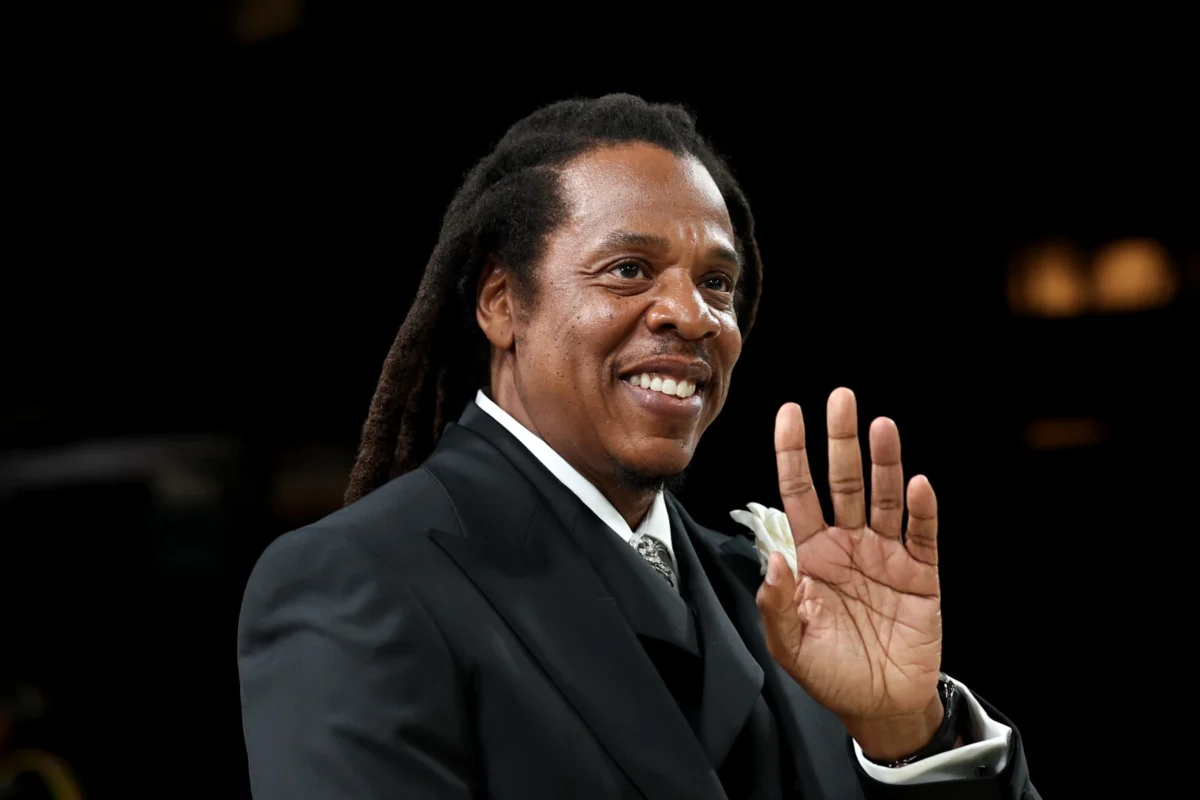
The sudden death of Jason Arday, the youngest Black scholar appointed professor at Cambridge University, on August 14 has ignited a firestorm of debate, with critics and supporters alike pointing to a relentless and racially charged campaign against him as a direct contributing factor. Found unresponsive in his London home just three weeks after resigning from his prestigious position amid allegations of plagiarism, Arday’s passing has been framed by many as a tragic consequence of systemic prejudice within academia and the media. This narrative centers on the intense scrutiny and public shaming he endured, raising profound questions about the role of equality, diversity, and inclusion (EDI) initiatives and the enduring presence of racism in higher education.
The onslaught against Arday began with a sustained barrage from various sectors of the British media, online platforms, and commentators. This relentless dissection focused on every facet of the 41-year-old scholar’s professional and personal life, from his speaking style to the substance of his academic work. Reports suggest a gleeful tone in the alleged exposure of his "lies" and plagiarism, a process that critics describe as merciless pillorying. Defenders of this media attention have claimed it was in pursuit of journalistic truth, but many argue it served a far more insidious purpose: to discredit and dismantle EDI efforts by painting them as academically dishonest.
The Campaign Against Arday: A Multi-faceted Attack
The opposition to Arday was not confined to any single political spectrum. While right-wing publications like The Spectator and The Telegraph published numerous articles critical of Arday, elements of the left also joined the fray. Aaron Bastani, co-founder of the left-wing outlet Novara Media, publicly criticized Arday’s work on X (formerly Twitter), labeling him a "conman" and asserting that a 40-minute lecture available online contained "nothing." This criticism, ostensibly framed within the discourse of academic ethics, lacked thorough examination of the underlying motivations, according to critics.
Instead of scrutinizing the sudden intensity directed at a single Black scholar, many observers believe the public discourse coalesced around an anti-EDI agenda. The left, according to this perspective, latched onto the "identity politics is bad" narrative, while the right embraced overt racism. The allegations of plagiarism themselves have been met with conflicting findings. One investigation reportedly found no evidence of plagiarism, while another was ongoing. The foundation for much of the public condemnation appears to stem from isolated clips of Arday’s work circulated online, juxtaposed with that of other scholars, a method widely criticized as lacking context and academic rigor.
Speculation and Discrediting Tactics
Beyond the plagiarism allegations, Arday faced relentless speculation regarding his autism and his athletic achievements. This discourse often veered into dismissive mockery, with critics suggesting a "disability denial" and highlighting what some perceived as minor infractions, such as lateness to lectures or insufficient citations for claims about racism. Such focus on peripheral issues, rather than the substance of his scholarship or the systemic challenges he might have faced, is seen by many as a deliberate tactic to undermine his credibility.
The academic world routinely investigates scholars for misconduct, including plagiarism and other unethical research practices. These issues are typically addressed through established institutional processes and debates at conferences. However, the public shaming and gleeful commentary surrounding Arday’s case stand out, particularly when contrasted with the treatment of other academics facing serious allegations.
The Case of Institutional Murder: A Broader Framework
The narrative of institutional murder, a framework developed by Dalit scholars in India, offers a lens through which to understand Arday’s death. This concept describes fatalities resulting from entrenched systemic violence that narrows the conditions of possibility for individuals, particularly those from marginalized groups. It moves beyond individual blame to analyze how societal structures and institutional failures contribute to the diminishment and death of vulnerable individuals.
The framework gained prominence following the suicide of Rohith Vemula, a Dalit PhD student at the University of Hyderabad in 2016, who endured prolonged persecution by the university administration. The application of this framework to Arday’s death suggests that his harassment and demise were not isolated incidents but rather products of a system deeply infused with anti-Black racism.
The Role of Nathan Cofnas and "Race Realism"
A central figure identified as a key instigator in the campaign against Arday is Nathan Cofnas, a proponent of "race realism" who has published extensively on claims of intellectual disparities among racial groups. Cofnas himself faced scrutiny and was eventually dismissed from Cambridge in 2024 following a Substack post asserting that Harvard University would have no Black professors if hires were based solely on merit. He has been a vocal advocate for free speech, with a group of senior scholars publishing a letter in his defense when students called for an investigation into his conduct.
The connection between Cofnas’s dismissal and his alleged role in orchestrating the campaign against Arday highlights a perceived failure within the academic and media establishments. Even individuals who identify as anti-racist have, according to critics, struggled to recognize and confront systemic racism. The argument is that Cofnas’s use of ostensibly objective measures, such as graphs and statistical data, has allowed "race science" and eugenics to infiltrate legitimate public discourse, lending an unwarranted air of authority to prejudiced ideas.
Media Responsibility and the Legitimacy of Race Science
Media outlets that have failed to investigate the intensity of the "pile-on" against Arday, and its origins within what critics describe as a eugenicist agenda to remove Black professors and anti-racist scholarship, are acting irresponsibly. The true public interest story, some argue, lies in the growing acceptance of race science and eugenics within prominent universities, and the profound risks this poses to Black and anti-racist scholars.
In an interview posted to YouTube on the day of Arday’s death, Cofnas himself reportedly admitted that the situation was less about plagiarism, which he acknowledged is common in academia, and more about Arday’s "exalted position." Cofnas further expressed a desire to head a department of race science and eugenics at Harvard, revealing the underlying ideological motivations behind the attacks.
Echoes of Caste Discrimination in Meritocracy Debates
The patterns observed in the reporting and discourse surrounding Arday bear striking resemblances to the long-standing debates in India regarding caste and affirmative action. For decades, caste elites have argued that "merit" in academia necessitates the dismantling of policies designed to support caste-marginalized scholars. Scholars like Ajantha Subramanian have demonstrated how "merit" in South Asia functions as a secularized logic of caste, a seemingly objective metric that perpetuates a violent system of exclusion and dehumanization. This historical context provides a parallel to Arday’s harassment within the British press.
The Implications of Institutional Murder
The framework of institutional murder provides a crucial lens for understanding deaths that result from entrenched systemic violence. It challenges individualizing narratives and rejects attempts to depoliticize such tragedies. Arday’s case, viewed through this framework, is not an isolated incident but a stark illustration of how anti-Black racism embedded within institutions can lead to devastating consequences. The intense public scrutiny, the swiftness of the condemnation, and the ultimate toll on Arday’s life, as argued by many, point to a profound failure of the academic and media establishments to uphold principles of fairness and to confront deeply ingrained prejudices. The lingering questions revolve around accountability, the future of EDI initiatives, and the urgent need to dismantle the systemic forces that continue to marginalize and endanger scholars from underrepresented backgrounds.