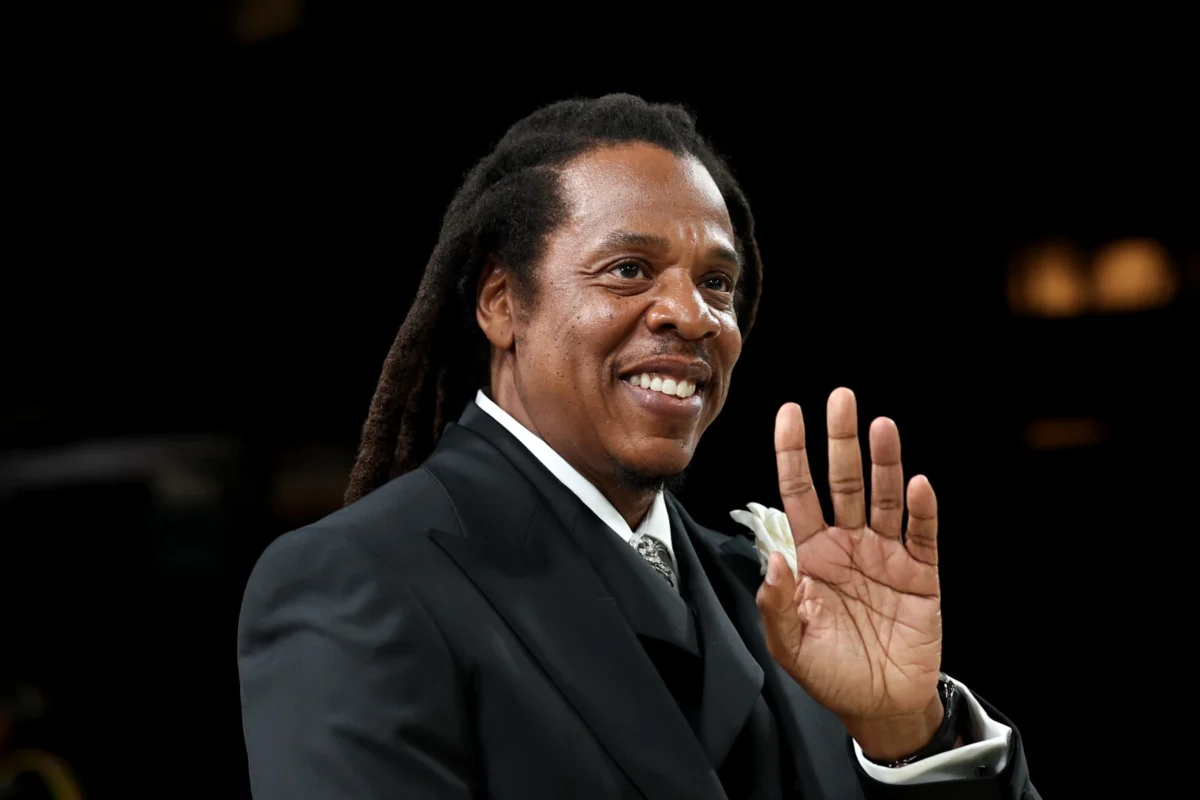
Sir Patrick Vernon, a prominent social activist and campaigner for the Windrush generation, has launched a fundraising initiative that has garnered more than £150,000 in donations for the family of the late Professor Jason Arday. The professor, a distinguished academic at the University of Cambridge, was found dead on Friday following his resignation amid a series of plagiarism allegations. Vernon stated that the massive outpouring of financial and emotional support from the public serves as a powerful indicator that the British public remains deeply concerned about social justice and the treatment of Black academics.
The death of Arday, who served as a professor of the sociology of education, has sent shockwaves through the United Kingdom’s higher education sector and sparked an intense debate regarding the pressures faced by minority scholars. Arday’s resignation preceded his death by only a short period, occurring after claims were surfaced regarding the integrity of his academic work. While the University of Cambridge had initially signaled an intent to investigate the circumstances of his appointment and tenure, the institution has since paused those proceedings out of respect for the grieving process of his family.
A public vigil has been organized by the advocacy group Stand Up to Racism, scheduled to take place on the steps of the National Gallery in London’s Trafalgar Square. The event, slated for Monday evening, aims to honor Arday’s contributions to education and highlight the systemic issues many believe contributed to the tragic outcome. The University of Cambridge’s chancellor, Chris Smith, has also broken his silence on the matter, condemning what he described as a "racist feeding frenzy" that surrounded the academic in the days leading up to and following his death.
The Fundraiser and Public Sentiment
Sir Patrick Vernon established the GoFundMe page on Saturday, seeking to provide a financial safety net for Arday’s surviving family members, including his young children and his parents. Within 48 hours, the campaign exceeded its initial goals, drawing contributions from thousands of individuals across various racial and social backgrounds. Vernon noted that the speed and scale of the donations reflect a sense of collective anger and a desire to provide tangible support in the face of tragedy.
According to Vernon, the support for Jason Arday’s family shows ‘Britain still cares’ about the humanity behind the headlines. He emphasized that the public’s reaction was not merely about the money but about sending a message to institutions and the media. "Britain still cares—people, Black, white, brown, care and feel angry about the situation," Vernon said in a statement to the Press Association. He dismissed speculation regarding the professor’s personal wealth, noting that the priority remains the welfare of a family that has lost its primary provider and a beloved relative.
The involvement of Vernon is significant given his history as a leading figure in the Windrush Day movement, which sought recognition and justice for Caribbean immigrants who were wrongfully targeted by British immigration policies. His advocacy for Arday’s family links the current academic controversy to a broader history of racial tension and institutional struggle in the United Kingdom. Vernon argued that the treatment of Arday raises fundamental questions about the state of race relations and the role of press regulation in the country today.
The Rise and Fall of a Record-Breaking Academic
Jason Arday’s career was often cited as a testament to perseverance and intellectual brilliance. At the age of 37, he became the youngest Black professor ever appointed to a chair at the University of Cambridge. His journey to the pinnacle of British academia was unconventional; diagnosed with autism and global development delay as a child, Arday did not learn to speak until the age of 11 and was unable to read or write until he was 18. Despite these challenges, he earned multiple degrees and became a leading voice in the study of how education systems impact marginalized communities.
However, his rapid ascent was met with intense scrutiny. The allegations of plagiarism that led to his resignation focused on his academic publications and the credentials presented during his appointment process. The University of Cambridge had confirmed that it would conduct a formal review of its hiring practices for senior roles as a direct result of the claims made against Arday. This internal investigation was intended to ensure that the university’s standards for academic integrity were being upheld across all departments.
The pressure of these allegations, combined with the media attention they generated, has been cited by colleagues and supporters as a significant factor in Arday’s mental health struggles. The University of Cambridge has faced criticism for its handling of the situation, with some questioning whether the institution provided adequate support to a high-profile faculty member facing a public crisis. In response, the university has defended its mental health resources, though it acknowledged the unique pressures associated with Arday’s position.

Support for Jason Arday’s family shows ‘Britain still cares’ amidst institutional criticism
The debate over Arday’s death has reached the highest levels of university leadership. Chancellor Chris Smith, also known as Lord Smith of Finsbury, issued a pointed statement on Monday balancing the need for academic rigor with a critique of the public discourse surrounding the case. Smith argued that it is possible to uphold the principles of academic integrity while simultaneously rejecting the vitriol directed at Arday.
Smith’s comments targeted the "racist feeding frenzy" he believes characterized the media’s coverage and the online commentary regarding the plagiarism claims. He suggested that the intensity of the scrutiny was disproportionate and fueled by underlying biases. By speaking out, Smith has aligned himself with a faction of the academic community that views Arday as a victim of a system that is often hostile toward Black excellence.
This sentiment was echoed in an open letter signed by several public figures, including Green Party leader Zack Polanski and cross-bench peer Simon Woolley. The letter expressed solidarity with Arday and criticized the "mounting scrutiny" he faced from the press. The signatories argued that the focus on Arday’s alleged mistakes overlooked his significant contributions to the field of sociology and his role as a mentor to students from underrepresented backgrounds.
Political Reactions and Next Steps
The tragedy has also touched the political sphere, though the government’s official response has remained guarded. Downing Street declined to comment on whether an official inquiry into Arday’s death would be commissioned. There had been calls for Greater Manchester Mayor Andy Burnham to consider a formal investigation, given the broader implications for public institutions and mental health advocacy, but no such commitment has been made at this stage.
As the University of Cambridge pauses its internal review, the academic community continues to grapple with the fallout. The review of appointment processes for senior roles is expected to proceed at a later date, with the goal of preventing similar controversies in the future. However, for many, the focus remains on the immediate human cost of the crisis and the message sent by the public’s financial support.
The vigil in Trafalgar Square is expected to draw a significant crowd, including students, faculty members, and activists. Organizers from Stand Up to Racism have stated that the event will serve as both a memorial for Arday and a call to action against institutional racism in British universities. They argue that the tragedy underscores the need for more robust support systems for minority staff and a more nuanced approach to academic accountability.
Broader Implications for British Academia
The case of Jason Arday has highlighted a growing rift within British higher education regarding how institutions balance the enforcement of academic standards with the promotion of diversity and inclusion. Critics of the university’s initial response argue that the rush to investigate Arday was influenced by external pressure from right-leaning media outlets. Conversely, proponents of the investigation maintain that academic integrity is a non-negotiable standard that must be applied equally to all scholars, regardless of their background or the social significance of their appointment.
The massive fundraiser organized by Sir Patrick Vernon has effectively shifted the narrative from one of academic failure to one of communal solidarity. By emphasizing that support for Jason Arday’s family shows ‘Britain still cares’, campaigners have successfully mobilized a broad coalition of donors who view the professor’s death as a systemic failure rather than an individual one. The funds raised will be managed to ensure the long-term stability of Arday’s children, providing a legacy of support that stands in contrast to the circumstances of his final days.
As the week progresses, the findings of the coroner and the eventual resumption of the university’s review will likely provide more clarity on the events leading up to Friday. For now, the focus remains on the family and the ongoing discussion about how to protect the mental health and professional dignity of those working within the high-pressure environment of elite academia. The outpouring of support continues to grow, suggesting that the conversation regarding Arday’s life and death is far from over.