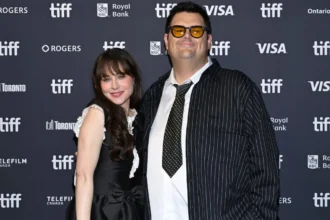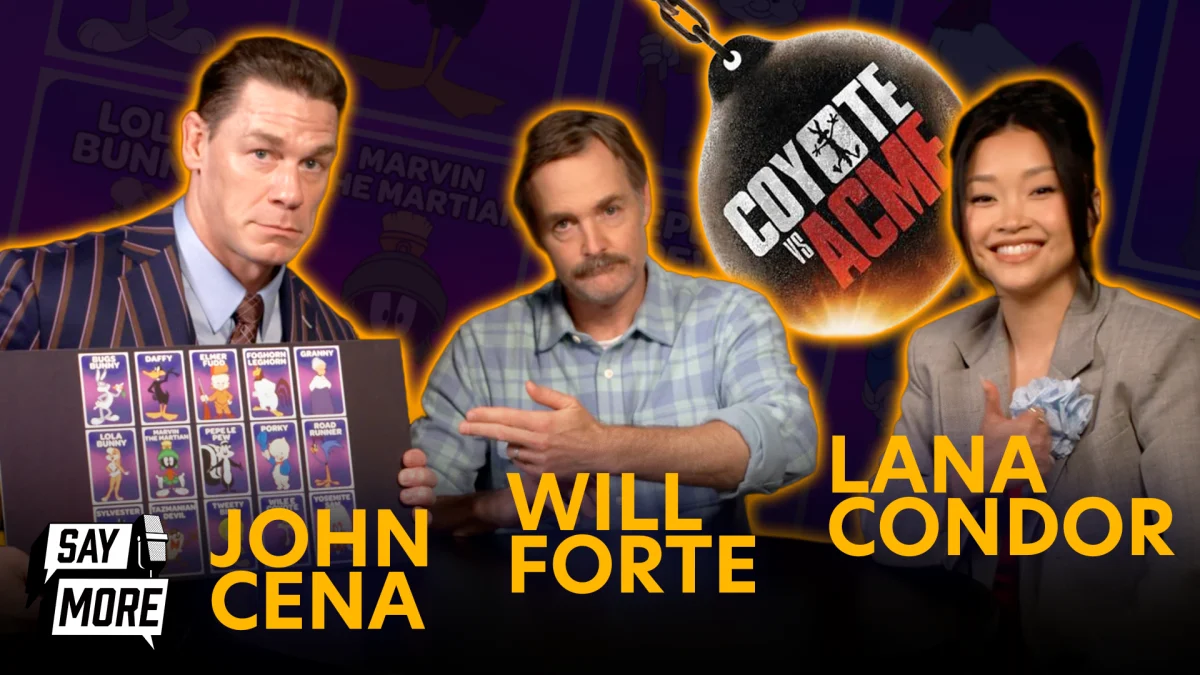
The promotional campaign for the hybrid live-action and animated feature Coyote vs. Acme reached a high point of interactive engagement as lead cast members Will Forte, John Cena, and Lana Condor participated in a strategic draft to assemble a team of Looney Tunes characters. This exercise, designed to mirror the film’s central conflict of an underdog legal team taking on a massive corporate entity, saw the actors selecting iconic figures from the Warner Bros. animation library to form a hypothetical strike force. As the actors navigated the complexities of character strengths and weaknesses, the event highlighted the enduring cultural relevance of the Looney Tunes franchise and the specific creative vision behind this latest cinematic installment.
The draft occurred during a specialized media appearance where the trio was tasked with selecting characters capable of dismantling the ACME Corporation. Will Forte, who portrays the lawyer representing Wile E. Coyote, leaned into the comedic absurdity of the source material, while John Cena, playing the film’s corporate antagonist, utilized his experience in action-heavy roles to evaluate the tactical utility of various animated figures. Lana Condor provided a balancing perspective, focusing on the versatility and unpredictability of the characters. This collaborative effort underscored the chemistry between the leads, which serves as the emotional and comedic backbone of the film.
Will Forte, John Cena & Lana Condor draft the ultimate ‘Coyote Vs. Acme’ squad during promotional circuit
The selection process was structured to mimic a professional sports draft, with each actor vying for the most powerful or strategically advantageous characters. The "big bad" in this scenario was the ACME Corporation itself, the fictional conglomerate that has supplied Wile E. Coyote with malfunctioning contraptions for decades. To defeat such a powerhouse, the actors looked beyond simple physical strength, considering the "toon physics" that allow these characters to survive extreme environments and impossible scenarios.
Will Forte’s strategy emphasized the legal and intellectual prowess required to win a case against a global titan. His picks often reflected a need for characters who could navigate the bureaucracy of the ACME Corporation or provide expert testimony. In contrast, John Cena’s approach was rooted in the physical dominance and resilience associated with characters like Tasmanian Devil or Foghorn Leghorn. Cena’s participation in the draft was particularly meta-textual, as his character in the film represents the very corporate interests the squad was designed to dismantle.
Lana Condor’s contributions focused on the "wild card" elements of the Looney Tunes roster. By selecting characters known for their chaotic energy, such as Daffy Duck or Lola Bunny, she highlighted the necessity of unpredictability when facing an opponent as structured and wealthy as ACME. The draft served not only as a promotional tool but as a deep dive into the lore of the characters that have defined American animation for nearly a century.
The narrative framework of Coyote vs. Acme
The film Coyote vs. Acme represents a significant departure from traditional Looney Tunes storytelling by shifting the focus to a courtroom drama. Based on the 1990 New Yorker humor piece by Ian Frazier, the story follows Wile E. Coyote as he decides to sue the ACME Corporation for the persistent failure of its products, which have caused him repeated physical injury during his pursuit of the Road Runner. This premise allows for a satirical look at product liability, corporate negligence, and the legal system, all set within a world where cartoon physics are a recognized reality.
Will Forte plays a down-on-his-luck attorney who takes the case, seeing it as a chance for redemption. John Cena portrays the ruthless CEO of ACME, who will stop at nothing to protect the company’s bottom line. Lana Condor plays a key ally who helps bridge the gap between the human legal world and the animated chaos of the Looney Tunes. The film’s ability to blend these two mediums—live-action and CGI/hand-drawn animation—requires a high level of technical precision and a deep understanding of the comedic timing inherent in the original shorts.
The film was directed by Dave Green, with a screenplay by Samy Burch and a story developed by James Gunn, Jeremy Slater, and Burch. This creative pedigree suggested a project that was both a love letter to the classics and a modern subversion of the genre. The drafting session with the cast served to reinforce the film’s themes of teamwork and the necessity of unconventional thinking when challenging established power structures.
Will Forte, John Cena & Lana Condor draft the ultimate ‘Coyote Vs. Acme’ squad amid industry shifts
The context of this promotional event is inseparable from the broader challenges facing the film’s release. Despite the enthusiasm shown by the cast during the draft, Coyote vs. Acme became the center of a major industry controversy when reports surfaced that Warner Bros. Discovery intended to shelf the completed project for a tax write-off. This decision followed a similar pattern established by the cancellation of Batgirl and Scoob! Holiday Haunt, leading to a significant backlash from fans, filmmakers, and industry advocates.
The news that a finished film with positive test scores might never see the light of day sparked a debate about the ethics of corporate accounting versus artistic preservation. The cast’s involvement in drafting their "ultimate squad" took on a bittersweet tone for many followers of the story, as it showcased the passion and investment the actors had in the project. The internal conflict at the studio reportedly led to a reversal of the decision, with Warner Bros. eventually allowing the filmmakers to shop the project to other distributors, including Amazon, Netflix, and Paramount.

The uncertainty surrounding the film’s distribution highlights the volatile nature of the modern streaming and theatrical landscape. As studios prioritize debt reduction and shareholder value, completed creative works have increasingly become collateral in corporate restructuring. The advocacy of the film’s cast and crew, coupled with a vocal social media campaign under the hashtag #ReleaseCoyoteVsAcme, demonstrated the power of public pressure in influencing studio decisions.
Analysis of character dynamics in the Looney Tunes draft
When Will Forte, John Cena, and Lana Condor drafted their squad, they were essentially engaging in a form of character analysis that has occupied fans for generations. The Looney Tunes are defined by their archetypes: Bugs Bunny is the unflappable trickster; Daffy Duck is the ego-driven striver; Porky Pig is the reliable straight man. By placing these characters in a modern corporate-legal context, the actors explored how these classic traits would translate to a fight against a 21-tier conglomerate.
Bugs Bunny was an early and obvious choice for the squad, given his track record of outsmarting every opponent he faces. His ability to break the fourth wall and manipulate the reality of his environment makes him an invaluable asset in a legal battle where the rules of logic are already skewed. Will Forte’s interest in the character stemmed from the need for a "closer"—someone who could step into the courtroom or the boardroom and immediately take control of the narrative.
John Cena’s fascination with the more physically imposing characters provided a contrast to the intellectual maneuvering of the other picks. He noted that while strategy is essential, sometimes a "squad" needs the raw, unbridled power of the Tasmanian Devil to literally tear through the opposition’s defenses. This perspective aligns with Cena’s own career trajectory, moving from the physical theater of professional wrestling to the nuanced performances of Hollywood.
Impact on the animation industry and fan expectations
The collaborative spirit displayed by the cast has resonated with an audience that remains deeply protective of the Looney Tunes legacy. For many, Coyote vs. Acme represents a rare opportunity to see these characters treated with a level of narrative sophistication that goes beyond short-form gags. The draft served to humanize the production, showing that the actors were not just employees on a set but fans of the material they were bringing to life.
The broader implications for the animation industry are significant. The hybrid format of the film—mixing human actors with animated icons—has a long history, from Who Framed Roger Rabbit to Space Jam. However, Coyote vs. Acme sought to ground this fantasy in a more relatable, albeit satirical, reality. The success or failure of such a project, and the transparency of its journey from production to release, sets a precedent for how major studios handle their legacy IP in an era of consolidation.
The drafting of the squad also highlighted the global reach of these characters. Lana Condor, representing a younger generation of talent, brought an awareness of how these characters are perceived in the digital age. The "meme-ability" of Wile E. Coyote’s failures and the stoic resilience of his character have made him a mascot for persistence in the face of inevitable disaster, a theme that resonates across cultural and age boundaries.
Final reflections on the ‘Coyote Vs. Acme’ squad assembly
As the draft concluded, the resulting squad was a testament to the diverse range of abilities within the Looney Tunes roster. From the tactical brilliance of Bugs Bunny to the explosive unpredictability of Wile E. Coyote himself, the team was "armed to the teeth" for their confrontation with the ACME Corporation. The exercise provided a glimpse into the creative energy that fueled the film’s production, regardless of the corporate hurdles it faced.
The journey of Coyote vs. Acme from a celebrated script to a completed film, and subsequently to a symbol of industry unrest, remains a pivotal story in contemporary Hollywood. The engagement of Will Forte, John Cena, and Lana Condor in promoting the film through interactive and thoughtful means like the character draft underscores the enduring appeal of these animated icons. Whether the film ultimately finds its home on a streaming platform or in theaters, the "ultimate squad" assembled by its stars serves as a reminder of the creative potential that exists when classic animation meets modern storytelling.
The discourse surrounding the film continues to evolve as distribution negotiations proceed. The cast’s participation in these promotional activities remains a high point for fans who hope to see the legal battle of the century finally play out on screen. The "ultimate squad" is ready; the only question that remains is when the public will be allowed to witness their campaign against the ACME Corporation.