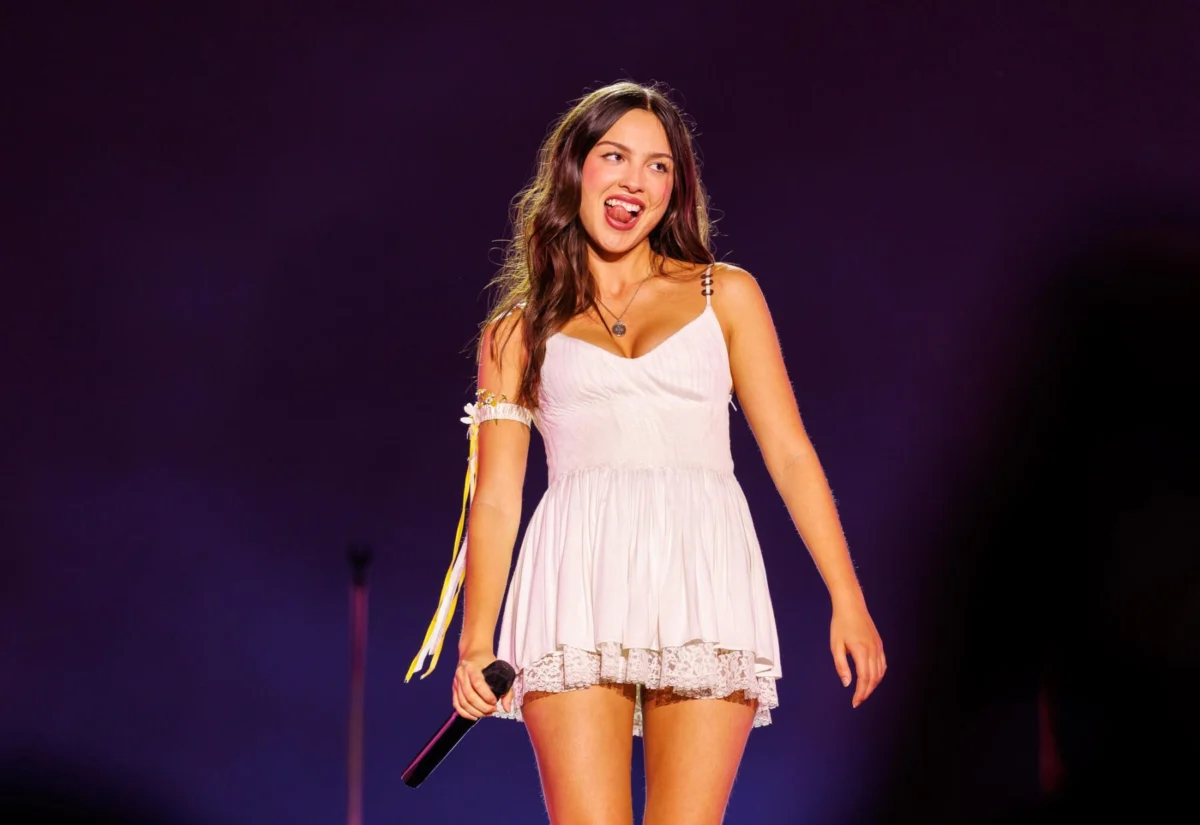
The inaugural Daisy Chain Fields festival, held at Irvine’s Great Park on Saturday, August 29, 2026, marked a significant moment in contemporary music, headlined by pop phenomenon Olivia Rodrigo. The all-female-led festival, curated and founded by Rodrigo, presented an 11-hour showcase of talent spanning emerging artists, established stars of 2026, and a compelling collection of alt-rock veterans, all culminating in a headlining performance from the festival’s visionary organizer. The event’s ambitious scope and singular focus on female artistry drew parallels to the groundbreaking Lilith Fair, a cultural touchstone for female-led music festivals that debuted nearly three decades prior.
Daisy Chain Fields: A New Paradigm for Female-Led Festivals
The establishment of Daisy Chain Fields represents a potentially pivotal shift in the landscape of music festivals. By dedicating an entire day to artists and groups fronted by women, Rodrigo has not only provided a vital platform but also demonstrated the commercial viability and artistic depth of such an endeavor. The festival’s timing, in the peak of Rodrigo’s global superstardom, amplifies its impact, drawing widespread attention to the artists she chose to spotlight.
The Curatorial Vision of Olivia Rodrigo
Rodrigo’s role as curator extended beyond mere headlining; her direct involvement in selecting the lineup infused the festival with a distinct artistic identity. The diverse array of performers reflected a broad spectrum of contemporary music, from the fresh sounds of rising artists to the enduring appeal of seasoned rock acts. The inclusion of legendary singer-songwriters as special guests during Rodrigo’s set further elevated the festival’s prestige and offered memorable moments for attendees. This blend of established and new talent underscored a commitment to fostering a vibrant musical ecosystem.
The decision to exclusively feature female-led acts was a deliberate and powerful statement. In an industry that has historically been male-dominated, events like Daisy Chain Fields challenge existing norms and create opportunities for artists who may have faced systemic barriers. The festival’s success could inspire a wave of similar initiatives, encouraging more promoters and artists to prioritize gender diversity in programming.
A Deep Dive into the Festival Experience
The Daisy Chain Fields festival offered a unique atmosphere, distinguishing itself from typical music festival experiences. The programming, designed to flow seamlessly across 11 hours, provided continuous entertainment and a cohesive narrative for the day. Attendees were treated to a carefully crafted musical journey, showcasing a range of styles and eras within the realm of female artistry.

Audience Demographics and Engagement
The festival’s organizers and attendees alike were keen to observe the audience dynamics. A key question was whether the festival’s focus on female artists would attract a predominantly female crowd or if it would draw a more diverse demographic interested in the curated talent. Early observations suggested a broad appeal, with fans of various backgrounds and ages in attendance, all united by their appreciation for the artists performing.
The presence of "groups of dudes" in the crowd was also a point of discussion, highlighting the evolving nature of music fandom and the increasing acceptance of diverse musical tastes. For many, the festival experience transcended traditional gendered music genres, focusing instead on the quality of the artistry and the shared enjoyment of live performance.
Musical Highlights and Unexpected Triumphs
The festival featured numerous standout performances, with particular attention paid to how older acts resonated with younger audiences. The inclusion of established alt-rock veterans alongside contemporary pop acts provided an interesting intergenerational dialogue, with many seasoned performers receiving enthusiastic receptions from a new generation of fans. This cross-pollination of audiences is a testament to the timeless appeal of well-crafted music.
A notable aspect of the festival was the curated setlists and potential for unique collaborations. The Alanis Morissette duet of "Ironic" with Olivia Rodrigo, for instance, became a talking point, sparking discussions about the artistic choices and their impact on audience reception. Such moments often define the legacy of live music events, creating viral trends and lasting memories.
The "Greatest Pop Stars" Podcast Analysis
The significance of Daisy Chain Fields and Olivia Rodrigo’s role in its creation was a central theme on the latest episode of the Greatest Pop Stars podcast. Host Andrew Unterberger was joined by Billboard deputy editor Lyndsey Havens, who attended the festival firsthand. Their discussion delved into the historical context of the event, its implications for Rodrigo’s career, and the broader impact on the music industry.
Defining Historical Achievement
The podcast episode explored the question of how historic Rodrigo’s achievement truly was. By successfully launching and headlining a festival of this scale and with such a distinct mission, Rodrigo cemented her status not only as a leading musical artist but also as a significant cultural influencer. The comparison to Lilith Fair underscored the rarity of such an event and the potential for Daisy Chain Fields to become a recurring and influential fixture on the festival circuit.

Havens provided an insider’s perspective, detailing the festival’s atmosphere, the audience’s energy, and the overall execution. Her insights offered listeners a deeper understanding of the event’s success and its place in contemporary music history. The conversation also touched upon the business and artistic considerations involved in creating a festival of this magnitude.
Future Prospects and Industry Implications
The podcast also addressed the future of Daisy Chain Fields. Questions arose about its potential expansion, with discussions on whether a two-day format would be feasible or if maintaining a single-day event would preserve its unique focus. The festival’s success opens doors for further investment and development, potentially influencing how other artists and promoters approach festival curation.
The implications for the broader music industry are substantial. Daisy Chain Fields serves as a powerful example of how artists can leverage their influence to create meaningful cultural moments and support underrepresented voices. The festival’s model could encourage a more diverse and inclusive approach to live music programming, benefiting artists and audiences alike.
Beyond the Stage: A Call for Social Impact
In addition to its musical achievements, the Daisy Chain Fields festival, as highlighted in the podcast’s accompanying materials, also served as a platform for social advocacy. The promotion of various organizations dedicated to supporting transgender rights, including the Transgender Law Center, Trans Lifeline, Destination Tomorrow, and the Human Rights Campaign, demonstrated a commitment to using the festival’s reach for positive social change.
The encouragement for attendees and the wider public to contact their congressional representatives in support of trans rights, with resources provided by 5Calls.org, further underscored the festival’s multifaceted impact. This integration of social consciousness with artistic expression reflects a growing trend among artists and audiences to engage with pressing societal issues. The festival, therefore, transcended a purely entertainment-focused event, becoming a cultural moment with broader societal implications.
The success of Olivia Rodrigo’s Daisy Chain Fields festival signifies more than just a popular concert; it represents a milestone in the ongoing evolution of music festivals and the increasing influence of artists in shaping cultural conversations. The event’s focus on female artistry, its curated lineup, and its underlying social mission have set a new standard, promising a more inclusive and impactful future for the music industry. The discussions surrounding its historical significance and future potential are likely to resonate for years to come.