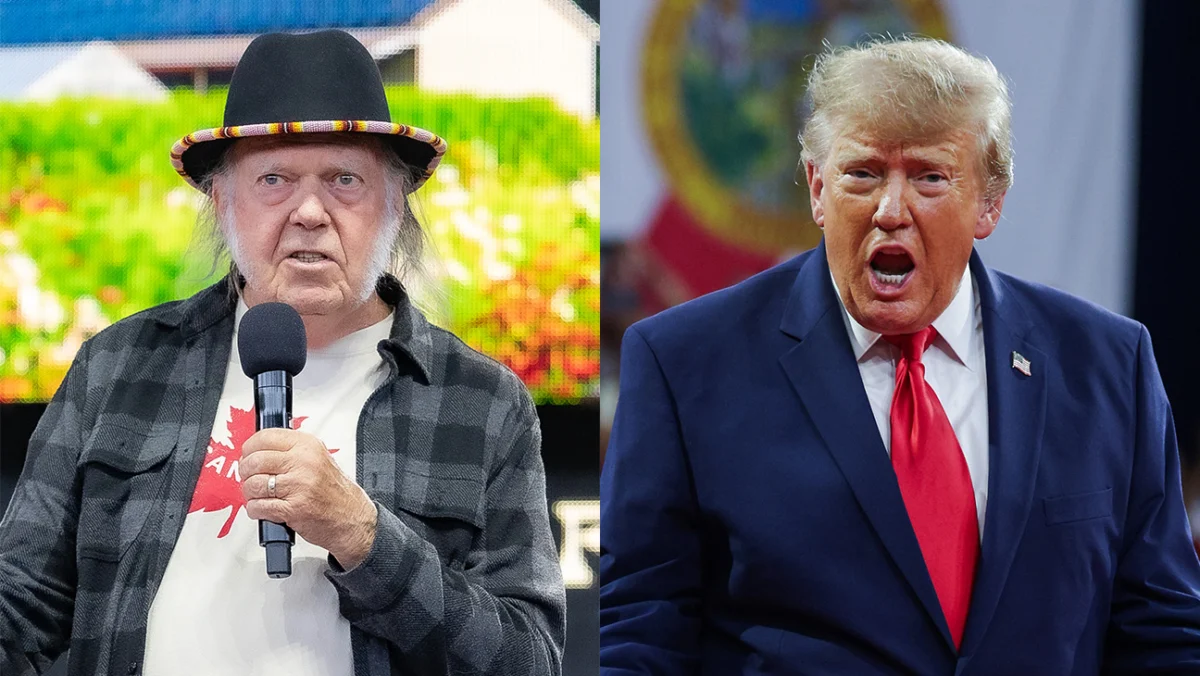
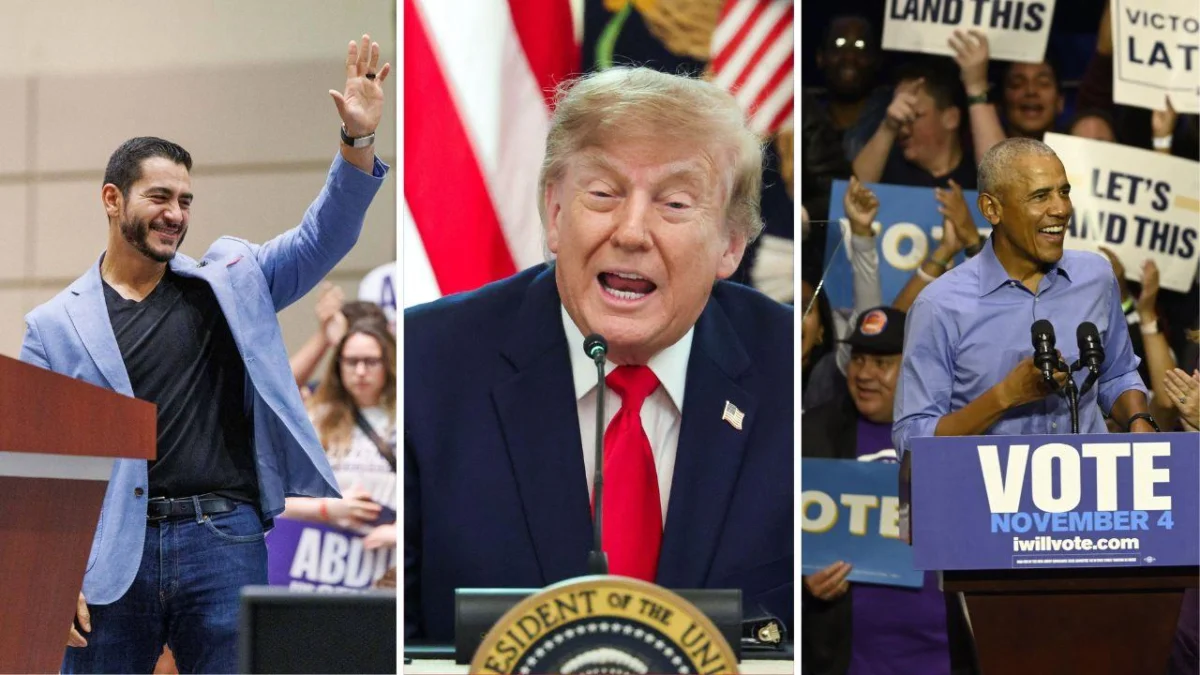
Former President Donald Trump recently attracted renewed scrutiny for a peculiar assertion regarding his popularity among women, following the release of new jobs figures. On his Truth Social platform, Trump shared an article from the right-leaning publication Just the News, highlighting a statistical trend that showed significantly more women entering the workforce than men over the past year. He accompanied the post with a self-congratulatory caption: "No wonder they like me!!!" This declaration quickly sparked debate, especially as it contrasted sharply with recent public opinion polls indicating a considerable decline in his approval ratings among female voters, a demographic crucial for upcoming elections.
The employment data cited by Trump originated from a report initially covered by the Daily Wire. The underlying research was conducted by Mike Konczal, director of the Economic Security Project, who analyzed the latest figures from the Bureau of Labor Statistics (BLS). Konczal’s findings revealed a notable disparity in cumulative payroll employment growth since December 2024. During this period, women’s employment increased by approximately 765,000 jobs, while men’s employment saw a reported decrease of about 6,000 over the identical timeframe. These statistics suggest a robust, albeit uneven, recovery and expansion within specific sectors of the U.S. labor market, predominantly benefiting female workers.

Examining the Recent Jobs Data and its Context
The Bureau of Labor Statistics data offers a detailed snapshot of the evolving U.S. labor market. The disproportionate growth in female employment could be attributed to several factors. Post-pandemic economic shifts have seen a surge in demand for workers in service-oriented industries, healthcare, education, and administrative roles—sectors historically dominated by women. Furthermore, increased flexibility in work arrangements, including remote and hybrid options, may have facilitated greater participation for women, who often bear a larger share of family responsibilities. The economic security project’s analysis provides a factual basis for the observation that women have been significant drivers of recent job growth.
While the raw numbers indicate a positive trend for female employment, economic analysts typically delve deeper into the types of jobs created, wage growth, and long-term sustainability to provide a comprehensive picture. Trump’s interpretation, however, directly linked these broad economic trends to his personal appeal, bypassing nuanced economic discussion to make a direct political claim about his popularity. This rhetorical move is consistent with his past practice of using favorable statistics to bolster his public image and political narrative.

The Disconnect: Trump’s Boast Versus Shifting Public Opinion
Despite the former president’s confident assertion, his claim of popularity among women appears to be at odds with contemporary public opinion. Recent polls conducted by reputable organizations paint a different picture, suggesting a significant erosion of support among female voters. This discrepancy highlights a potential disconnect between Trump’s self-perception and the realities of voter sentiment, particularly as the nation gears up for critical midterm elections.
A Newsweek report, drawing on various surveys, indicated a sharp downturn in Trump’s net approval among female voters. His net approval rating reportedly plummeted from minus 16 in June to a striking minus 30 by August. This substantial shift over a mere two months signals a considerable weakening of his standing with this demographic. The report further underscored a consistent decline across three successive surveys, with some analyses suggesting that women are actively withdrawing their support.

Declining Approval Among Female Voters: A Deeper Dive
Further substantiating these trends, an August 31 YouGov poll specifically focused on Donald Trump’s approval ratings among women. The survey revealed that only 33.9% of female voters approved of his performance as president. This figure represents a noticeable drop from the 42.6% approval recorded in January 2025, marking an almost 9-point decrease in a relatively short period. Such a decline is particularly significant given the crucial role female voters play in national elections.
Adding another layer to this analysis, a national survey of women conducted last month by Christine Matthews of Bellwether Research and Consulting further illuminated the challenges Trump faces. Matthews, a specialist in female voting patterns, found that Trump commanded a mere 32% approval score among women. Perhaps more concerning for his political prospects, the poll showed that one in four women who had previously voted for him now expressed disapproval of his job performance during his current tenure. These findings suggest a substantial defection from his base, indicating a deeper dissatisfaction beyond typical partisan divides.
The Political Ramifications of a Shifting Female Electorate
The implications of these polling numbers are profound, especially in the context of upcoming midterm elections and potential future presidential bids. Female voters constitute a powerful and often decisive bloc in American politics. A significant decline in their support could pose a formidable obstacle for Donald Trump and the Republican Party. The Bellwether Research and Consulting poll also shed light on the primary concerns driving this shift: approximately 38% of respondents cited the economy and the rising cost of living as the most pressing issues facing the country.
Christine Matthews explicitly warned of the severity of these trends, stating to Politico, "When I look at those numbers, I am seeing sirens." She emphasized that many of the women abandoning Trump are those who had previously voted for him in 2024, precisely because they believed he would address issues like inflation and the cost of living. Their current dissatisfaction, therefore, stems from a perceived failure to deliver on these economic promises. Matthews also noted a concerning trend for Republicans: Democratic women are reportedly showing greater enthusiasm about voting than their Republican counterparts, which could translate into higher turnout and electoral gains for the opposing party.
Historical Context of Trump’s Controversial Rhetoric Towards Women
The former president’s relationship with female voters has long been complex and often controversial. His history is dotted with numerous public statements and interactions that have drawn criticism and fueled debates about his respect for women. For instance, his infamous "Quiet piggy!" remark to Bloomberg News reporter Catherine Lucey garnered widespread condemnation, seen by many as dismissive and demeaning. Similarly, his public snapping at CNN’s Kaitlan Collins when she pressed him about Jeffrey Epstein’s victims in February further cemented an image of hostility towards female journalists and critics.
These incidents, among others, contribute to a broader narrative that may be influencing his current approval ratings. While some of his supporters view such remarks as a sign of his unfiltered authenticity, a growing segment of female voters, including those who once backed him, appear to be increasingly alienated by what they perceive as disrespectful or misogynistic rhetoric. The confluence of economic anxieties and concerns over presidential temperament seems to be coalescing into a significant challenge for Trump’s political standing among women.
The former president’s latest boast about his popularity with women, ostensibly backed by recent job growth figures, stands in stark contrast to the rapidly deteriorating reality of his approval ratings among this critical demographic. While economic data shows a positive trend for female employment, public opinion polls reveal a substantial and accelerating decline in female voter support for Donald Trump, driven largely by concerns over the economy and cost of living, alongside lingering apprehensions about his public conduct. This widening chasm between his self-assessment and the empirical data suggests a formidable political hurdle for Trump, potentially reshaping the landscape of upcoming elections and underscoring the enduring power of the female vote in American political discourse.