The UK Health Security Agency (UKHSA) has updated its emergency weather notifications for nine regions across England, warning that a looming spike in temperatures could pose a significant threat to public health and critical infrastructure. Starting at 9 a.m. on Tuesday, August 11, and remaining in effect until 9 p.m. on Friday, August 14, amber heat-health alerts will be active for London, the South East, South West, East of England, East Midlands, West Midlands, North West, and Yorkshire and the Humber. The North East is currently under a yellow alert for the same duration, as forecasters predict the mercury could climb to 36°C (97°F) or higher by Thursday.

This latest surge in heat marks what meteorologists describe as the fifth heatwave of a brutal summer season characterized by record-breaking dryness and repeated periods of extreme thermal stress. British health officials are particularly concerned about the impact on vulnerable populations, including those aged 65 and older and individuals with pre-existing medical conditions. The amber alert status indicates that the heat is expected to impact the wider population and place a measurable strain on the National Health Service (NHS).
Public Health Risks and Emergency Guidance
Polly Ashmore, an acting consultant in public health at the UKHSA, emphasized the necessity of proactive safety measures as the heat intensifies. "It’s important that everyone is aware of the simple steps they can take to stay safe during periods of hot weather," Ashmore stated. "Drinking plenty of water, avoiding the sun during the hottest part of the day, and keeping indoor spaces cool are all things you can do to keep yourself and others safe."
Medical experts warned that even relatively healthy younger people could experience heat exhaustion or heatstroke under these conditions. The UKHSA has urged social care services to check on high-risk individuals, noting that prolonged exposure to temperatures exceeding 30°C (86°F) can lead to severe cardiovascular and respiratory complications. The agency’s yellow alert for the North East suggests that while the general population there may not be at immediate risk, the weather could still prove life-threatening for those with chronic illnesses.
Amber Heat-Health Alerts Issued Amid Worsening Drought Conditions
The timing of the amber heat-health alerts coincides with a worsening national water crisis. The National Drought Group (NDG), a coalition of government officials, water utility companies, and agricultural experts, met Monday to discuss expanding official drought declarations across England. Currently, all of Wales and more than half of England are officially in a state of drought, a result of the driest July for England and Wales since 1836.

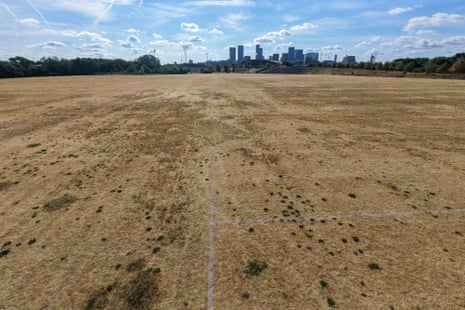
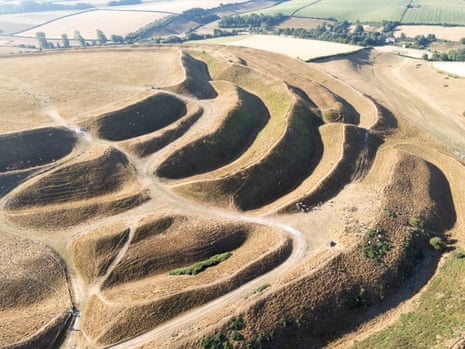
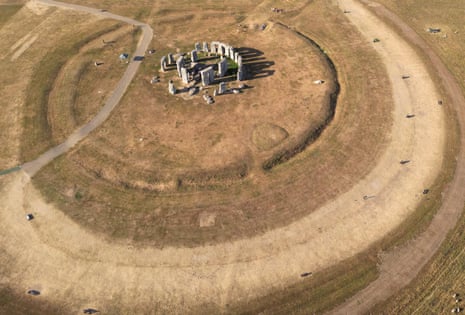
The areas already categorized as being in drought include East Anglia, the Thames Valley, Devon, Cornwall, the West Midlands, and the Wessex region, which covers Somerset and Dorset. Experts like Liz Bentley, chief executive of the Royal Meteorological Society, indicated that the North West is likely the next region to receive an official drought designation. The environmental impact is visible across the landscape, with satellite imagery showing the traditionally "green and pleasant" British countryside turning a scorched brown.
Infrastructure Failures and Theme Park Closures
The combination of extreme heat and a lack of rainfall has placed unprecedented pressure on the nation’s aging infrastructure. On Monday, Chessington World of Adventures Resort in Surrey was forced to close its doors during the peak of the summer holiday season due to a massive water outage. The outage, caused by a burst water main on Leatherhead Road, left the popular theme park, zoo, and sea life center without the necessary facilities to operate safely.
Thames Water, the utility provider for the area, apologized for the disruption and sent specialist teams to conduct emergency repairs. Thousands of families were turned away at the gates, with the resort offering a "Return Promise" that automatically revalidates tickets for future dates. However, the closure highlights the vulnerability of major commercial hubs to utility failures as the ground shifts and pipes crack under the strain of the dry, hot weather.
Ecological Devastation and the Threat of Wildfires
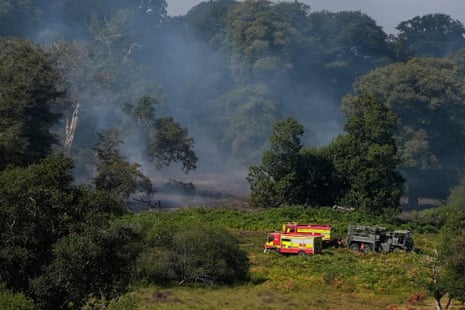
The environmental toll of the heatwave is perhaps most evident in the New Forest National Park in Hampshire. Firefighters have spent the early part of the week battling a "devastating" blaze on internationally protected heathland. The fire reportedly began after a vehicle caught fire on the nearby A31 highway, with the flames quickly jumping into the tinder-dry vegetation.

Spokespersons for the New Forest National Park Authority described the loss as catastrophic for local biodiversity. The park contains the highest concentration of lowland heathland in Western Europe, an ecosystem that is globally rarer than the rainforest. The area provides a critical habitat for all six of the UK’s native reptile species, as well as rare birds like the Dartford warbler and the nightjar.
This incident is not an isolated one. Over the past several weeks, major wildfires have broken out at Holme Fen in Cambridgeshire, Dunwich Heath in Suffolk, and the Cairngorms National Park in Scotland. Fire services have warned that the current "whiplash" weather—where a wet spring is followed by intense heat—creates the perfect conditions for fires by encouraging rapid plant growth that then becomes highly flammable fuel.

Agricultural and Economic Consequences
The agricultural sector is reporting a "brutal harvest" as farmers struggle with a lack of feed for livestock and failing crops. The National Farmers’ Union (NFU) has warned of potential food shortages later this year, particularly for certain vegetables and grains. Early estimates suggest that the heatwaves in June alone cost European grain farmers approximately €2 billion ($2.18 billion) in lost revenue.
Energy production is also under fire. In mainland Europe, several coal-fired power plants in Poland and a nuclear facility in Hungary have been forced to reduce output or shut down entirely because the rivers used to cool the reactors have become too warm or too shallow. This energy strain, coupled with the water restrictions currently affecting 25 million people in the UK via hosepipe bans, suggests a summer of significant economic contraction.

The Human Toll of an Extreme Summer
The summer of 2026 has already been linked to significant loss of life. Data compiled by the Press Association indicates that more than 40 people have died in open-water drowning incidents this year as residents seek relief from the heat in unregulated rivers, lakes, and coastal areas. On Sunday, an 18-year-old man died after getting into difficulty at Camber Sands in East Sussex, further highlighting the dangers of the heatwave.
Additionally, the two major heatwaves recorded in May and June are estimated to have caused more than 2,800 excess deaths among the elderly and infirm. With temperatures set to peak on Thursday at levels nearly 10 degrees Celsius above the seasonal average, health officials are bracing for a further spike in mortality rates.
Climate Crisis and Long-Term Projections
Scientists with the EU’s Copernicus Climate Change Service noted that average temperatures across Western Europe for the June-July period reached 21.61°C, breaking the previous record set in 2022. The Met Office has warned that this trend is set to continue as fossil fuel pollution continues to supercharge the climate crisis. Projections suggest that by 2070, British summers could be between 1°C and 6°C hotter and up to 60% drier than they were in 1990.
Downing Street defended its response to the crisis on Monday, noting that the National Drought Group is focused on both immediate relief and long-term resilience. A government spokesperson emphasized that major investments are being backed for new reservoirs and water infrastructure, though they acknowledged that water companies must do more to address leaks that waste millions of gallons of water daily.
As the amber heat-health alerts remain in place through the end of the week, the UK remains on a war footing against the elements. With the heat peaking on Thursday and the drought expected to expand into the northern reaches of the country, the resilience of the nation’s health, water, and energy systems is being tested to its absolute limit.