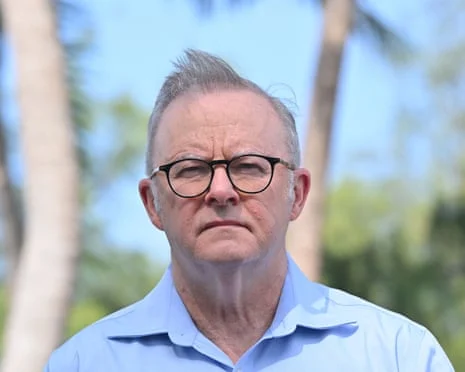
Prime Minister Anthony Albanese has unveiled a $600 million strategic investment aimed at dismantling transnational drug-smuggling operations across the Pacific, signaling a major escalation in Australia’s regional security posture. The announcement, delivered during the Pacific Islands Forum in Palau, marks a significant commitment to curbing the flow of illicit narcotics before they reach Australian shores. The multi-year package is designed to address a surge in organized crime that has destabilized several island nations and contributed to a growing public health crisis in the region.
The funding comes at a critical juncture for Pacific security, as law enforcement agencies report record-breaking quantities of contraband moving through maritime corridors. Under the new initiative, Australia will provide enhanced aerial surveillance, specialized police training, and advanced border security resources to participating nations. This "opt-in" model allows Pacific neighbors to tailor the support to their specific domestic needs while integrating into a broader regional intelligence-sharing network.
PM Announces $600m Package Against Drug-Smuggling to Secure Pacific Borders
The Australian Federal Police (AFP) have observed a dramatic escalation in narcotics activity over the last 24 months. In 2025, authorities seized approximately 4.6 tonnes of illicit substances through coordinated regional interventions. However, data from the first five months of 2026 shows a staggering spike, with 17 tonnes of narcotics—primarily cocaine—intercepted by law enforcement. This rapid increase has overwhelmed local resources in smaller Pacific nations, necessitating a more robust Australian intervention.
Government officials emphasized that the $600 million package is not merely about domestic border protection but also about regional stability. Pacific Minister Pat Conroy noted that the scourge of drug trafficking has moved beyond simple transit, beginning to take root within the social fabric of Pacific communities. The initiative responds directly to a collective call from regional leaders for a unified front against sophisticated criminal syndicates that exploit the vast, difficult-to-monitor reaches of the Pacific Ocean.
The impact of this drug flow is visible in the rising rates of gang-related violence in Samoa and Tonga, where local groups have become increasingly involved in the logistics of the international trade. Furthermore, health officials in Fiji have reported a sharp increase in HIV transmission rates, a trend directly linked to the rise in intravenous drug use following the influx of narcotics. By targeting the supply chain at its regional nodes, the Albanese administration hopes to mitigate these secondary social and health disasters.

Chanel Contos and the Fight Against ‘Manosphere’ Influence
Parallel to the security announcements in Palau, the domestic conversation in Canberra has shifted toward the digital landscape and its role in shaping social behavior. Consent education advocate Chanel Contos is set to deliver a landmark address at the National Press Club, where she will call for a radical overhaul of how social media algorithms operate in Australia. Contos, the CEO of Teach Us Consent, argues that the current "push" architecture of social media is facilitating the radicalization of young men through the so-called "manosphere."
Contos is expected to urge the federal government to mandate an "opt-in" model for social media algorithms. This reform would prevent platforms from automatically serving content to users based on engagement-driven AI, instead requiring users to actively choose to see curated feeds. The goal is to break the feedback loops that Contos claims funnel boys and men from harmless interest areas into extremist communities that promote misogyny and physical dominance as core tenets of masculinity.
The advocate’s speech highlights a "market opportunity" exploited by bad actors who have placed misogyny at the center of their business models. According to Contos, the path to radicalization often begins with seemingly benign content, such as fitness videos or motivational speeches. However, the algorithmic nature of these platforms quickly escalates the content, introducing users to ideologies that suggest male worth is defined by the control and dominance of women.
Algorithmic Reform and the Digital Duty of Care
The proposed changes to social media regulation come as the Australian government considers broader "Digital Duty of Care" reforms. These legislative efforts aim to hold tech giants accountable for the psychological and physical harms generated by their platforms. Contos has warned that the success of these reforms depends on the technical details, noting that "Big Tech" has a history of designing superficial changes that fail to address the underlying structural issues of their business models.
The influence of the manosphere is described by advocates as a public health issue that affects both men and women. For the individual consumer, these online communities can lead to social isolation and distorted self-image. For the broader public, particularly women and girls, the normalization of these views is linked to an increase in gender-based violence and harassment. By advocating for an opt-in system, Contos is seeking to return agency to the user and limit the ability of platforms to profit from the promotion of harmful social hierarchies.
International precedents are already being set in this space. Australia is looking closely at the United Kingdom’s recent bans on specific types of harmful digital content, including pornography depicting violence. The push for algorithmic transparency and user control is part of a global trend toward reclaiming the digital commons from unregulated commercial interests that prioritize engagement metrics over social stability.
NSW Resumes Pill Testing at Music Festivals
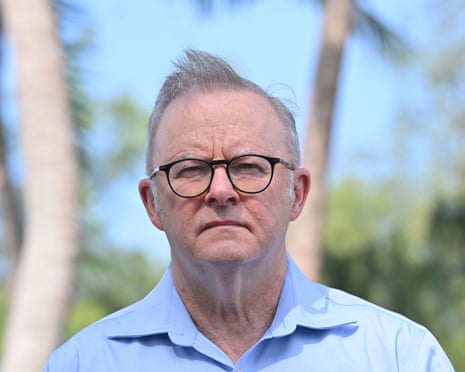
In a significant shift in domestic health policy, the New South Wales (NSW) government has announced the resumption of drug testing at music festivals starting in October. The move comes after years of advocacy from medical professionals and harm-reduction groups who argue that "pill testing" is a vital tool for preventing accidental overdoses. Under the new plan, NSW Health will consult with the music industry to roll out testing services at up to 15 festivals annually.
Despite the breakthrough, the policy has faced criticism for its limited scope. The government has rejected calls to expand the testing to the wider community, such as permanent clinics in urban centers. This decision has disappointed peak health bodies who believe that harm reduction should be a universal public health service rather than one restricted to specific entertainment venues. The government maintains that the festival-specific rollout is a measured first step in evaluating the efficacy of the program.
Furthermore, the state government confirmed that there will be no changes to the use of drug-detection dogs at festivals. The presence of sniffer dogs has long been a point of contention, with studies suggesting that their use often prompts "panic ingestion," where attendees consume all their drugs at once to avoid detection, leading to a higher risk of overdose. The decision to keep the dogs in place suggests a continuing tension between law enforcement strategies and public health initiatives in the state’s approach to drug policy.
Regional Security and Public Health Synergy
The $600 million package against drug-smuggling and the domestic drug-testing initiatives represent two sides of the same challenge: managing the impact of illicit substances in a globalized world. While the federal government focuses on the "upstream" problem of international trafficking and maritime security, state governments are grappling with the "downstream" consequences of consumption and public safety.
The investment in Pacific aerial surveillance and police training is intended to create a "security shield" that reduces the volume of cocaine and other narcotics entering the domestic market. If successful, this could reduce the strain on Australian emergency rooms and law enforcement. However, as the seizures in early 2026 demonstrate, the sheer scale of the international trade continues to grow, driven by high demand and sophisticated logistics.
In the Pacific, the $600 million investment is also seen as a diplomatic tool. By positioning Australia as the primary security partner for nations like Palau, Samoa, and Fiji, the Albanese government is reinforcing regional ties at a time of increasing geopolitical competition. The "opt-in" nature of the package is a deliberate move to respect the sovereignty of Pacific nations while providing the high-tech resources necessary to combat multi-national criminal cartels.

Future Outlook for Australian Policy
The combination of massive security spending and calls for digital reform suggests a government increasingly focused on "structural" threats to the Australian way of life. Whether it is the physical threat of organized crime syndicates in the Pacific or the psychological threat of unregulated social media algorithms, the current policy direction favors interventionist strategies over laissez-faire management.
As the $600 million package against drug-smuggling begins its rollout in 2025 and 2026, the focus will turn to measurable outcomes. Authorities will be looking for a decrease in the volume of successful shipments and an increase in the number of high-level arrests within the trafficking syndicates. Simultaneously, the success of Chanel Contos’ advocacy will be measured by the government’s willingness to challenge the business models of global technology firms.
The intersection of law enforcement, digital regulation, and public health represents the modern battlefield for Australian policymakers. From the waters of Palau to the committee rooms of Canberra, the objective remains the same: creating a more secure and resilient society against the evolving threats of the 21st century. The coming months will determine if these substantial financial and political investments can turn the tide against the "scourge" of trafficking and the "harms" of the digital age.