Pop icon Britney Spears extensively detailed the harrowing experience of her 13-year conservatorship, revealing the profound emotional, psychological, and creative toll it took on her life as she fought for her freedom. Her powerful testimony in court and subsequent revelations in her memoir, The Woman in Me, laid bare the alleged abuses and control she endured, galvanizing public support and shedding light on the complexities of legal guardianship.
The Genesis of the Conservatorship and Its Initial Impact
The conservatorship governing Britney Spears’ life and finances was controversially established in February 2008. This legal arrangement was initiated by her father, Jamie Spears, during a highly publicized period of mental health struggles for the global superstar. Designed typically for individuals unable to make their own decisions due to severe mental or physical incapacitation, the conservatorship granted her father and other appointed individuals control over her personal life, medical treatments, career decisions, and vast estate. For over a decade, despite maintaining a demanding career that included lucrative residencies, world tours, and album releases, Spears remained under this restrictive legal framework, raising significant questions among fans and legal experts alike about the necessity and ethics of its continuation.
A Public Plea for Freedom: Britney Spears Addresses the Court
In a pivotal moment on June 23, 2021, Britney Spears delivered an impassioned 24-minute statement to Judge Brenda Penny in a Los Angeles court, marking the first time she publicly and directly addressed the conservatorship without filters. She described the arrangement as "abusive" and asserted that she had been "in shock" and "traumatized" by its prolonged enforcement. Her plea was unequivocal: "I just want my life back." This dramatic testimony brought the hidden struggles of the pop star into the glaring public light, validating the long-standing concerns of her fervent fanbase and the burgeoning #FreeBritney movement.
Demanding Autonomy and Rejecting Further Evaluation
Spears emphatically requested the termination of the conservatorship without undergoing further psychological evaluations, a process she viewed as an indignity after 13 years of forced oversight. She highlighted the stark contradiction of being deemed incapable of managing her own affairs while simultaneously generating substantial income for numerous individuals involved in her career. "It makes no sense whatsoever for the state of California to sit back and literally watch me with their own two eyes, make a living for so many people, and pay so many people… and be told, I’m not good enough," she stated, asserting her professional competence despite the personal restrictions. Her insistence on ending the arrangement without additional scrutiny underscored her belief that she had more than proven her capacity.
The Battle for Basic Human Rights
During her emotional address, Spears revealed some of the most shocking aspects of her conservatorship, including alleged control over her reproductive health. She expressed a desire for fundamental personal liberties, such as the right to marry and have more children, which she claimed had been denied. "I deserve to have the same rights as anybody does, by having a child, a family, any of those things, and more so," she passionately told the court. She spoke of feeling "ganged up on," "bullied," "left out and alone," conveying a deep sense of isolation and powerlessness. Her testimony resonated widely, sparking a global conversation about individual autonomy and the potential for abuse within conservatorship systems, particularly for those in the public eye.

The #FreeBritney Movement: A Global Phenomenon
The public outcry surrounding Britney Spears’ conservatorship was significantly amplified by the grassroots #FreeBritney movement. Originating from dedicated fans who meticulously tracked her activities and voiced concerns about her well-being, the movement gained immense traction, especially after documentaries like Framing Britney Spears brought renewed attention to her plight. Fans rallied outside courthouses, launched social media campaigns, and tirelessly advocated for her liberation. Their persistent efforts played a crucial role in maintaining public pressure and ensuring that Spears’ case remained a prominent topic of discussion, ultimately contributing to the increased legal scrutiny that led to the conservatorship’s eventual termination in November 2021. The movement demonstrated the powerful influence of collective public advocacy in challenging established legal systems and supporting individual rights.
Unveiling the Trauma: Insights from ‘The Woman in Me’
In October 2023, Britney Spears released her highly anticipated memoir, The Woman in Me, offering an even deeper, more personal account of her experiences under the conservatorship. The book became a vehicle for her to reclaim her narrative and articulate the profound psychological damage she endured. She candidly wrote that the arrangement "stripped me of my womanhood, made me into a child," elaborating on how it fundamentally altered her self-perception and creative spirit. The memoir vividly painted a picture of a life lived under constant surveillance and control, where her identity as an adult woman was systematically undermined.
Suppressed Creativity and Lost Identity
Spears described the devastating impact on her artistic expression, stating, "I had always felt music in my bones and my blood; they stole that from me." She felt reduced to "more of an entity than a person onstage," her passion for creativity stifled by the rigid control exerted over her life. This environment fostered a sense of perpetual adolescence, where she was "vacillating between being a little girl and being a teenager and being a woman." Her memoir underscored how the inability to make her own choices, even small ones, led to a profound loss of self, preventing her from developing a mature sense of identity and agency.
A Life Dictated: The Erosion of Personal Choice
The memoir further elaborated on the daily erosion of her personal freedom, contrasting it with the autonomy she enjoyed in her "old life." Spears recounted waking up each morning under the conservatorship and asking, "’What are we doing?’ And then I would do what I was told." This stark admission highlighted the complete surrender of personal agency, transforming her into what she termed a "sort of child-robot." She felt "infantilized," losing "pieces of what made me feel like myself," as the conservatorship dictated every aspect of her existence, from her finances to her daily schedule and even her most intimate decisions.
Long-Term Psychological Scars: ‘Brain Damage’ and Lingering Pain
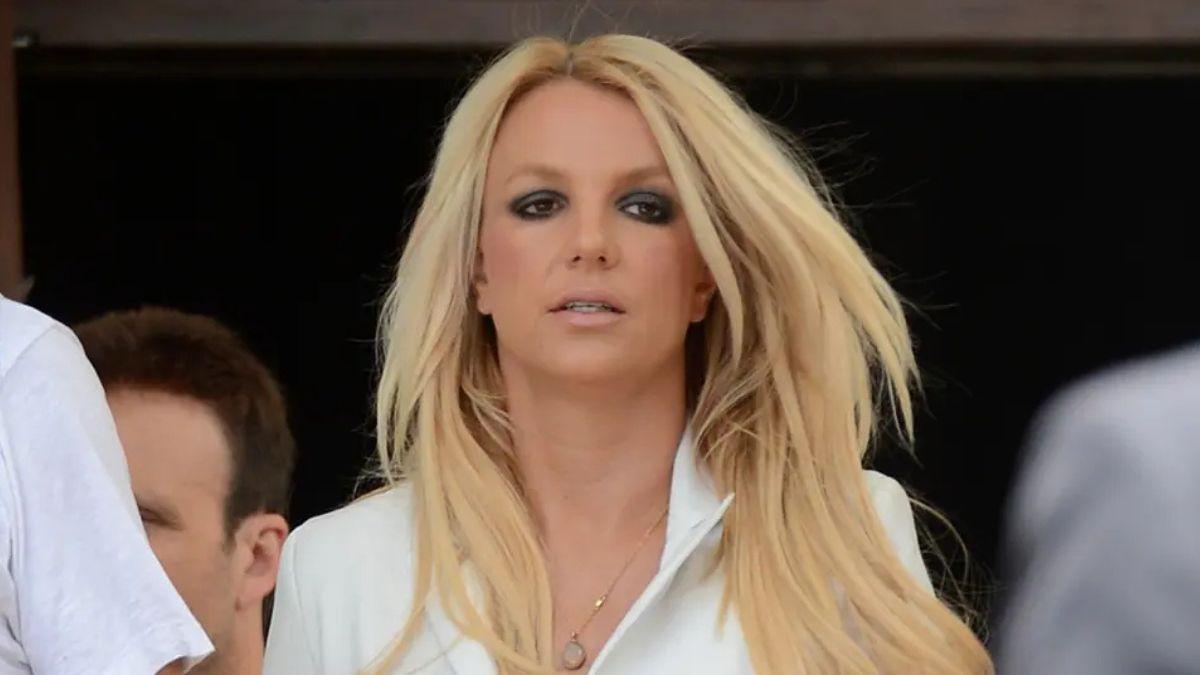
Beyond her memoir, Britney Spears has continued to share insights into the lasting effects of her ordeal through social media. In an Instagram post from October 2025, she drew a poignant parallel between her experience and a character from the film Maleficent who had their "wings" clipped. She described a "traumatic experience" where for four months, she was "illegally forced to not use my feet or body to go anywhere," which she said "did more than hurt my body." She confided that much of her pain remains "incredibly painful and sad" and undisclosed, even after the book.
Spears controversially stated, "I do feel like my wings were taken away and brain damage happened to me a long time ago 100 percent." This powerful metaphor speaks to a profound and enduring psychological injury, a feeling of having her essential spirit and cognitive freedom compromised. Despite this, she affirmed her commitment to healing, noting, "I have of course moved on from that troubling time in my life and I’m blessed to be alive." Her continued openness about her struggles underscores the deep scars left by the conservatorship and her ongoing journey toward full recovery and self-reclamation.
Reclaiming Womanhood and the Path Forward
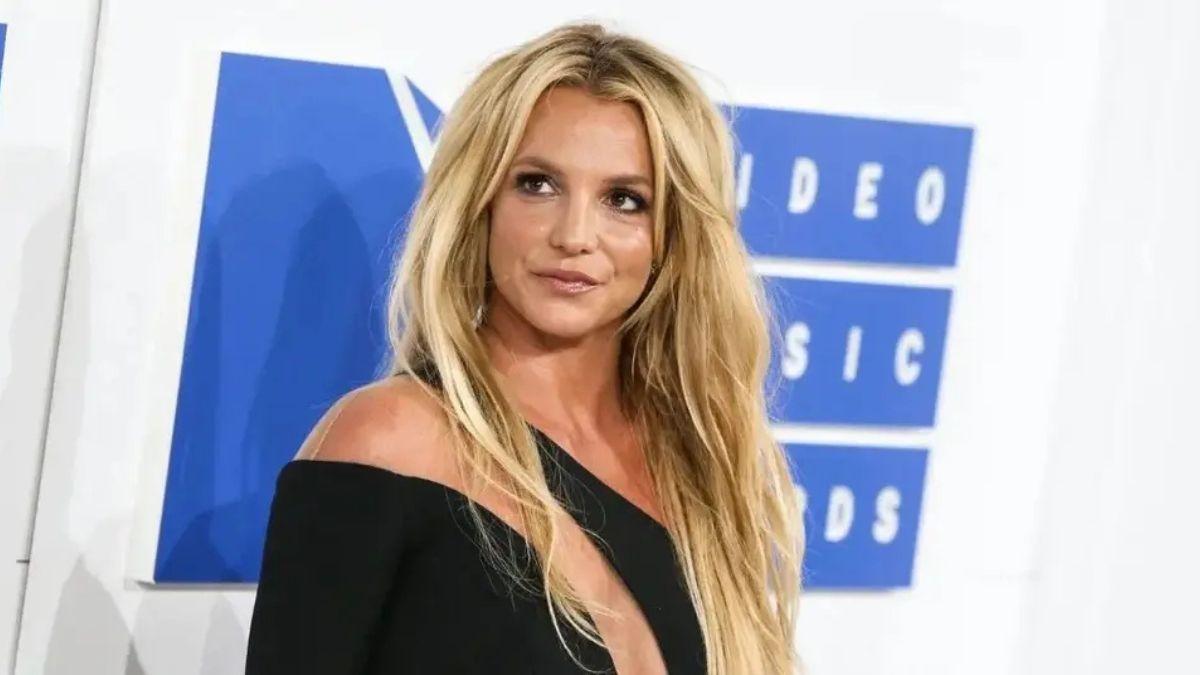
Since the termination of her conservatorship in November 2021, Britney Spears has embarked on a journey of rediscovering her autonomy and "roaring back to life." In The Woman in Me, she celebrated her newfound ability to make choices that were once denied, from taking vacations and sipping cocktails to driving her own car. "When I regained my freedom, that was my cue to step out onto dry land," she wrote, emphasizing the profound sense of liberation that accompanied the end of the legal arrangement.
However, her post-conservatorship life has not been without its challenges. She continues to navigate public scrutiny, legal disputes with family members, and the complex process of healing from years of control. Her journey highlights that the end of a legal battle does not instantly erase the deep-seated trauma, but it does grant the invaluable gift of self-determination, allowing her to define her own womanhood and chart her own course for the future.
Broader Implications: Reshaping Conservatorship Dialogue
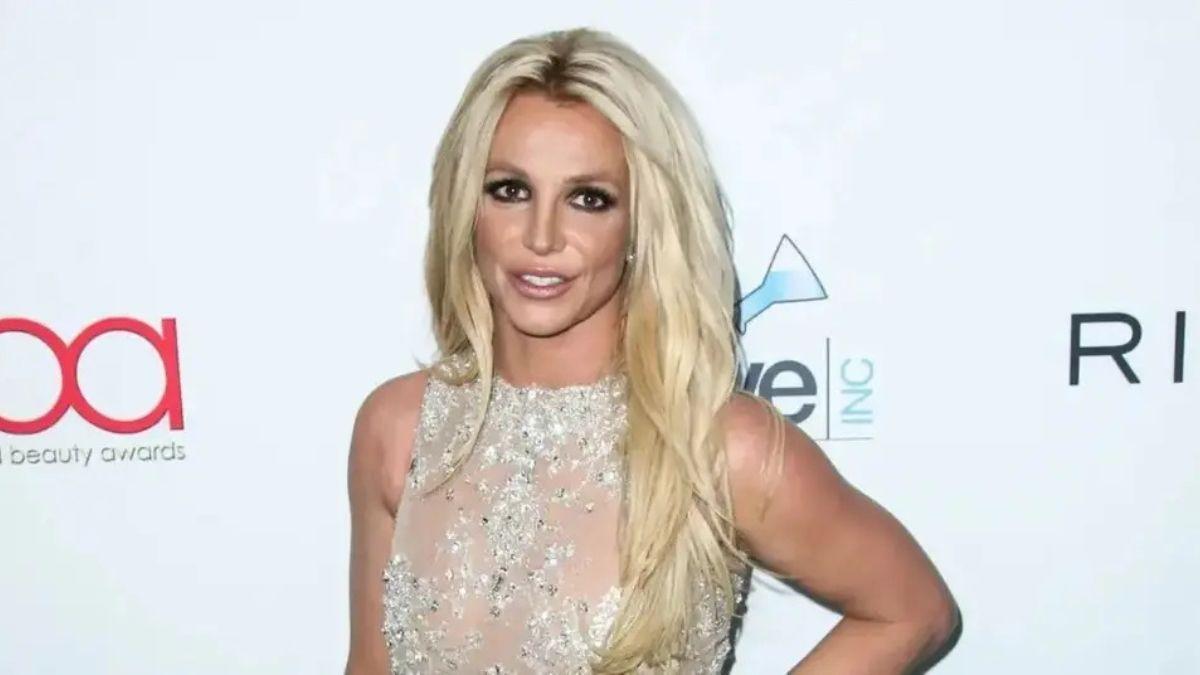
Britney Spears’ highly publicized fight against her conservatorship has had far-reaching implications, sparking a critical reevaluation of conservatorship laws and their application, particularly in cases involving individuals with significant wealth or public profiles. Her case brought unprecedented attention to the potential for abuse within these systems, prompting legislative discussions and calls for reform aimed at increasing transparency, accountability, and the protection of conservatees’ rights.
The saga also reignited important conversations about mental health stigma, judicial oversight, and the balance between protection and personal liberty. It underscored how even those with immense fame and resources can find themselves trapped in legal arrangements that strip them of their fundamental human rights. As Spears continues to share her story, her experience serves as a powerful testament to resilience and a catalyst for change, influencing legal discourse and public perception of autonomy for vulnerable individuals.