Iranian judicial authorities have handed down a death sentence to one 20-year-old woman and a quarter-century prison term to her twin sister following their participation in anti-government demonstrations that swept the country earlier this year. Taraneh and Romina Rahimi, who were high school students at the time of their arrest, have become the latest symbols of the Islamic Republic’s intensifying crackdown on domestic dissent. The sentencing comes months after the sisters were reportedly subjected to severe physical and psychological torture while in the custody of the Islamic Revolutionary Guards Corps (IRGC).
The sisters were 19 years old when they were forcibly removed from their family home in Isfahan during a midnight raid by masked security agents. For four months, their mother, Marzieh Nourmohammadi, searched hospitals, detention centers, and morgues across central Iran, receiving no official word on their whereabouts. It was only in May that she was granted a brief visit at Dowlatabad prison, where she found her daughters in a state of physical collapse. According to family members, the twins were barely recognizable due to the injuries sustained during their interrogation.
The Arrest and Fate of Twin Sisters Jailed Over Iran Protests
The ordeal for the Rahimi family began in early January, as millions of Iranians took to the streets to protest against the ruling clerical establishment. Taraneh and Romina joined the demonstrations in Isfahan on January 8 and 9, participating in the mass movement for the first time. Witnesses and family members state that the sisters had no prior history of political activism. However, like many young Iranians of their generation, they were drawn to the calls for social and political reform that characterized the winter unrest.
The IRGC’s response to the protests was swift and clandestine. On a night in early February, masked men identified as IRGC operatives broke into the Rahimi residence while the family was asleep. The twins were blindfolded with bags over their heads and dragged into waiting vehicles without any explanation or warrants provided to their mother. This "forced disappearance" lasted for nearly 120 days, a period during which the family was denied any legal representation or information regarding the charges against the women.
During this period of isolation, the sisters were held in what is believed to be an IRGC-run clandestine facility before being transferred to the women’s ward of Dowlatabad prison. The lack of transparency regarding their detention is a hallmark of the Iranian judiciary’s handling of political cases, where defendants are often kept in a "legal vacuum" to facilitate the extraction of confessions.

Systemic Torture: Broken Feet and Ripped-Out Hair in Dowlatabad Prison
When Marzieh Nourmohammadi was finally allowed to see her daughters five months ago, the physical evidence of their treatment was undeniable. Reports from the family indicate that both women had suffered extensive trauma. Their scalps were described as "patchy" because guards had reportedly dragged them across stone floors by their hair. Their faces were swollen and heavily bruised, and they exhibited signs of untreated fractures, including broken elbows, knuckles, and feet.
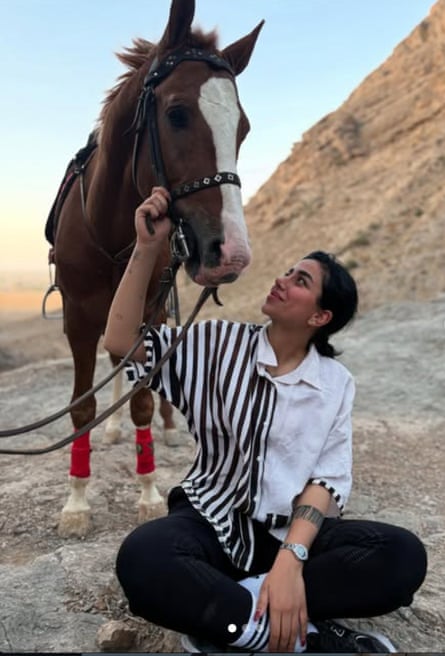
Beyond the physical violence, the twins were allegedly subjected to psychological coercion designed to break their resolve. Taraneh Rahimi, an aspiring equestrian who hoped to one day manage a horse stable, was reportedly told by interrogators that her sister Romina would be raped in her presence unless she signed a pre-written confession. These methods of "white torture" and the threat of sexual violence are frequently cited by human rights organizations as tools used by the Iranian security apparatus to secure convictions in the absence of physical evidence.
The sisters’ cousin, Masoud Nourmohammadi, who currently resides in Utah, has been one of the few voices speaking out on their behalf. He noted that the sisters were held in solitary confinement for a significant portion of their pre-trial detention. "She did not recognize her own children," Nourmohammadi said of his aunt’s visit to the prison. "They were beaten up, and they basically had no hair left because of how they were dragged between cells."
Judicial Disparity: A Death Sentence and the Fate of Twin Sisters Jailed Over Iran Protests
The recent rulings from the Iranian courts have shocked both the family and international observers due to the extreme disparity in the sentences. Taraneh Rahimi has been sentenced to death by hanging, while her twin sister Romina received a 25-year prison sentence. The specific legal justification for the different punishments remains unclear, as the Iranian judiciary rarely releases detailed trial transcripts in cases involving national security or "enmity against God" (Moharebeh).
Legal experts suggest that the death sentence for Taraneh may be a strategic move by the state to instill maximum fear among the youth of Isfahan. Masoud Nourmohammadi believes his cousin’s perceived innocence made her a target for the harshest possible penalty. "My sense is they are looking to put fear within the people," he stated. "They want to say, ‘Look, no matter how innocent you are, we can get you, so don’t come to the streets anymore.’"
The judicial process in Iran has faced renewed criticism for its failure to adhere to even its own internal regulations. Under Iranian law, there is a mandatory 18-day period during which lawyers can file an appeal. However, in many recent cases involving protesters, executions have been carried out shortly after sentencing, often without prior notice to the families or legal counsel. The Rahimi sisters have not been seen by their mother since the sentences were announced, raising fears that the execution could be imminent.
Broader Context of the Crackdown and Regional Conflict
The fate of the Rahimi twins is unfolding against a backdrop of severe regional instability. Since February, Iran has been engaged in a direct and indirect military conflict with the United States and Israel. Despite the logistical and economic pressures of this war, the Iranian government has accelerated its domestic execution rate. Since the beginning of the year, the Islamic Republic has executed more than 500 people, a sharp increase from previous years.
At least 29 of those executions have been directly linked to the January protests. Human rights groups report that at least 16 women are among those who have been sent to the gallows this year. In Isfahan alone, more than 70 protesters are currently facing charges that carry the death penalty. The government has consistently framed the protesters as agents of foreign powers, using the ongoing war as a justification for suppressing what it describes as "internal sabotage."
The international community has voiced mounting concern over the use of capital punishment as a political tool. Last month, a coalition of 31 countries, including the United Kingdom, issued a joint statement condemning the execution of January protesters. The statement described the Iranian judiciary’s actions as a transparent attempt to silence dissent and bypass the fundamental human rights of its citizens.
International Pressure and the Risk to Advocates
The Rahimi case has garnered attention in the United States, where Masoud Nourmohammadi has been working to raise awareness among lawmakers and human rights organizations. However, his advocacy has come at a significant personal cost. Nourmohammadi, a healthcare IT specialist who has lived in the U.S. for over two decades, reports receiving numerous death threats via social media and encrypted messaging apps.
"They say they know my home address," Nourmohammadi said, referring to the anonymous threats he believes originate from regime sympathizers or operatives. Despite the intimidation, he continues to speak out, fueled by the updates he receives from his mother, who lives with him in Utah and remains in constant mourning for her nieces. He describes a household defined by grief, where the reality of his cousins’ suffering is a constant presence.
The lack of evidence in the sisters’ trial has been a focal point for their defense. Lawyers assigned to the case—who often face their own risks of arrest—have stated that Taraneh explicitly told the court that her admissions were the result of torture. No physical evidence or video footage was provided to link either sister to acts of violence or property destruction during the January protests.

The Continuing Struggle for Justice in Isfahan
As the legal window for an appeal narrows, the situation for Taraneh and Romina Rahimi remains critical. The use of Dowlatabad prison as a holding site for high-profile political prisoners has made it a focal point for human rights monitors. The facility has a long-standing reputation for overcrowding and poor sanitary conditions, which exacerbate the physical suffering of inmates who have already been subjected to interrogation-related injuries.
The case has resonated deeply within the Iranian diaspora, serving as a reminder of the risks faced by those who remain in the country. The story of the twins—one facing the noose and the other a lifetime behind bars—highlights the arbitrary nature of the Iranian legal system. For the people of Isfahan, the sentences are viewed not as a matter of law, but as a message of absolute state power.
The international response in the coming weeks may prove pivotal. Human rights advocates are calling for targeted sanctions against the judges and IRGC officials involved in the Rahimi trial. While the Iranian government has historically been resistant to external pressure, the high-profile nature of the "twin sisters" case has created a unique opportunity for global diplomatic intervention. Without such intervention, the fate of Taraneh Rahimi may be sealed, adding another name to the growing list of young Iranians executed for their role in the pursuit of political change.