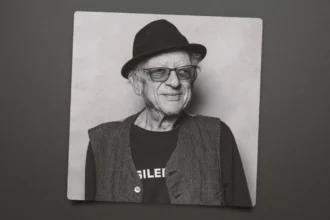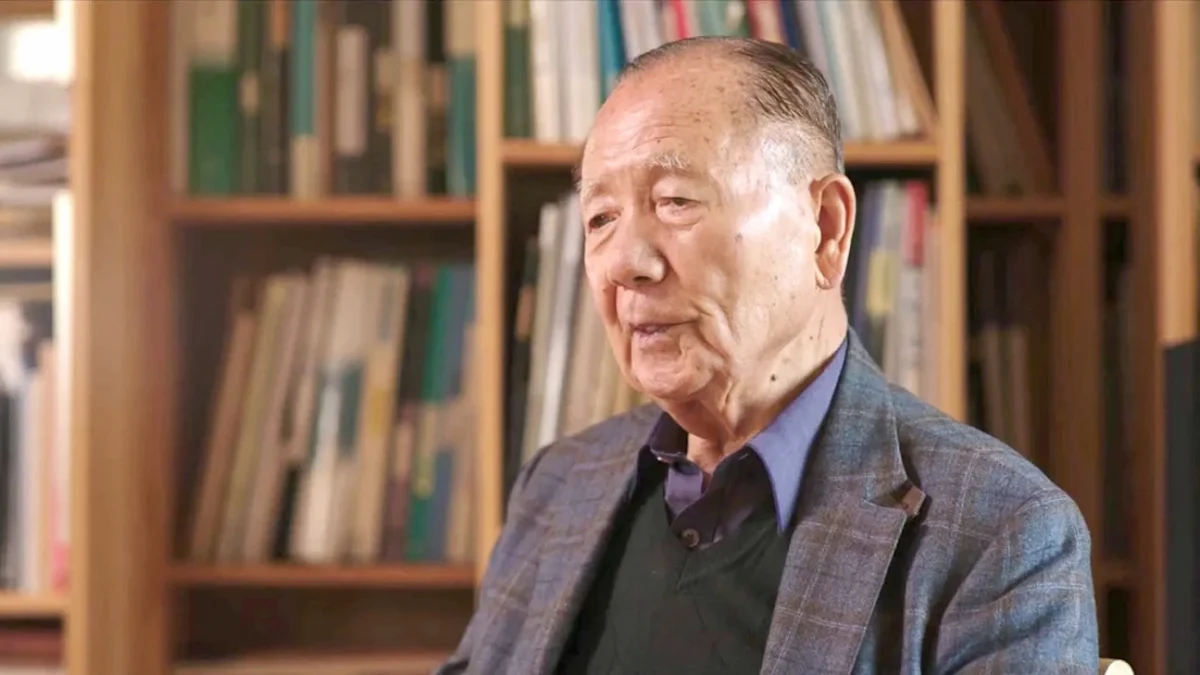
The Busan International Film Festival (BIFF) is set to bestow its prestigious Korean Cinema Award upon its foundational figure, Kim Dong-ho, recognizing his indelible contributions to the festival and the global advancement of Korean cinema. The ceremony will take place during the festival’s opening gala on October 6, highlighting the enduring legacy of a man instrumental in shaping Asia’s premier cinematic event. This honor acknowledges Kim’s pioneering spirit and his unwavering dedication, which transformed a regional ambition into an international cinematic powerhouse.
A Visionary Honored at the Busan International Film Festival
Kim Dong-ho, who not only established the Busan International Film Festival in 1996 but also served as its director for its crucial first 14 years, is widely regarded as the architect of BIFF’s early success and international prominence. The Korean Cinema Award is an annual accolade presented to individuals who have significantly elevated the stature of Korean films on the world stage. Few, if any, can claim as direct and profound an influence on this global recognition as the festival’s founder himself. His vision helped to lay the groundwork for what would become a celebrated platform for both emerging and established filmmakers from Korea and across Asia.
Defying Censorship: BIFF’s Birth and Rise to Prominence
The origins of the Busan International Film Festival are rooted in a courageous act of defiance against the prevailing political climate of the mid-1990s. When BIFF first launched in 1996, South Korean films were routinely subjected to government censorship, requiring pre-screening approval before public exhibition. Kim Dong-ho took a principled stand, refusing to submit the festival’s program to this governmental oversight. This bold decision was pivotal, immediately establishing BIFF’s independence from state control and earning the invaluable trust of filmmakers not just within South Korea but throughout the wider Asian region.
This unwavering commitment to artistic freedom transformed a nascent event in a Korean port city into the leading cinema showcase in Asia. BIFF quickly evolved into a vital meeting ground and incubator for a new generation of Korean directors. These filmmakers would, in the early and mid-2000s, capture global attention and critical acclaim, significantly contributing to the broader Korean cultural wave, or Hallyu, that continues to resonate worldwide today. The festival provided an essential space for these artists to develop their craft, connect with international audiences, and gain the exposure necessary to launch their careers on a global scale.
Nurturing the Future of Korean Cinema
Under Kim Dong-ho’s leadership, the Busan Film Festival became a crucible for cinematic talent. Directors such as Bong Joon Ho, Park Chan-wook, and Lee Chang-dong, who would later achieve international superstardom with films like Parasite, Oldboy, and Burning, found early support and a crucial platform at BIFF. The festival fostered an environment where groundbreaking storytelling and innovative filmmaking techniques could flourish, free from the constraints that often limited creative expression. This nurturing role was instrumental in cultivating the distinctive style and narrative depth that became hallmarks of the Korean New Wave, ensuring that the festival’s impact extended far beyond its annual run, shaping the trajectory of an entire national cinema.
A Career Dedicated to Culture and Cinema
Kim Dong-ho’s journey to becoming a film festival luminary was marked by a rare and essential blend of administrative acumen and passionate cinephile instincts. His career began within the bureaucratic corridors of South Korea’s government, where he spent approximately three decades. During this time, he served at what is now known as the Ministry of Culture, Sports and Tourism, steadily rising through the ranks to achieve the position of vice minister. This extensive background in public administration provided him with invaluable experience in cultural policy, resource management, and strategic planning, skills that would prove indispensable in establishing and running a major international film festival.
Beyond his governmental roles, Kim Dong-ho also held significant leadership positions within key cultural institutions. He served as president of the state film body, now recognized as the Korean Film Council, playing a critical role in shaping national film policy and support for the industry. He was also the founding president of the Seoul Arts Center, a multifaceted cultural complex dedicated to promoting various art forms. Even after stepping down as BIFF’s festival director in 2010, his commitment to the arts remained undiminished. He continued to actively contribute to the cinematic and cultural landscape as dean of Dankook University’s Graduate School of Cinematic Content, chairman of the Presidential Committee for Cultural Enrichment, and later, returning to BIFF as its chairman. His expertise was also sought internationally, as evidenced by his participation on prestigious festival juries, including presiding over the Un Certain Regard section at Cannes, and serving on juries at Rotterdam and Fukuoka, further cementing his status as a respected figure in global cinema.
From Administrator to Auteur: Kim Dong-ho’s Late-Career Filmmaking
In a truly remarkable turn, at the age of 85, Kim Dong-ho embarked on a new chapter, venturing into feature filmmaking. His full-length directorial debut, the documentary Mr. Kim Goes to the Cinema, premiered as a special screening at BIFF’s 30th edition last year, defying conventional timelines for artistic pursuits. The film subsequently opened in Korean theaters in February when he was 88 years old, underscoring his lifelong dedication to the art form.
Shot during the global pandemic, a period that saw theaters worldwide temporarily empty, Mr. Kim Goes to the Cinema follows Kim Dong-ho on a journey across the globe. The documentary features intimate conversations with a pantheon of acclaimed filmmakers, including South Korea’s Bong Joon Ho, Park Chan-wook, and Lee Chang-dong, as well as international luminaries such as Hirokazu Kore-eda, Tang Wei, Luc Besson, and the Dardenne brothers. Through these dialogues, the film explores profound questions about the evolving purpose and enduring relevance of cinema in a rapidly changing world. This project offered a unique perspective from a seasoned industry veteran, reflecting not just on his own experiences but also on the collective future of storytelling through film. Prior to this feature, Kim had directed a 2013 short film titled Jury. His own life and contributions were also the subject of Walking in the Movies, a 2024 documentary that was notably featured at Cannes Classics, further highlighting his iconic status within the film community.
Reflecting on Cinema’s Enduring Purpose
Mr. Kim Goes to the Cinema stands as more than just a personal project; it is a testament to Kim Dong-ho’s unwavering belief in the power of film. By engaging with some of the most influential directors of his time, he facilitated a cross-cultural dialogue on the very essence of cinema. The film’s focus on the pandemic era adds another layer of resonance, capturing a moment when the communal experience of film-watching was challenged, prompting a re-evaluation of its role in society. His discussions with these renowned figures delved into how cinema adapts, inspires, and continues to connect humanity, even amidst unprecedented global disruption. This artistic endeavor solidified his position not just as an administrator and curator, but as a thoughtful contributor to the ongoing discourse surrounding cinematic art.
Enduring Legacy and Future Aspirations for Korean Cinema
In a statement released ahead of the award ceremony, Kim Dong-ho expressed profound gratitude for the recognition. "I feel deeply moved and humbled to be recognized by the very festival I helped establish and served for over 15 years," he remarked, underscoring the personal significance of this honor. His sentiment reflects not only a sense of accomplishment but also a deep connection to the institution he so painstakingly built.
His active engagement with the film world continues unabated. "Even today, I attend more than ten film festivals each year to promote Korean cinema," Kim added, illustrating his enduring passion and commitment. "And I hope to continue this journey for as long as I can." This dedication speaks volumes about his tireless efforts to champion Korean filmmaking on a global scale. His work, both as a festival director and an advocate, has been instrumental in cultivating the international appreciation for Korean cinematic artistry, making him a central figure in the narrative of the Korean Wave and its sustained impact on global culture. The Korean Cinema Award is not just a nod to his past achievements but a celebration of his ongoing, vibrant presence in the film community.
The 31st Busan International Film Festival: A Confluence of Talent
The 31st Busan International Film Festival is scheduled to run from October 6 to 15, promising a vibrant showcase of global and Asian cinema. The opening ceremony, where Kim Dong-ho will receive his Korean Cinema Award, is set to be a significant event. It will also see other distinguished figures honored, further cementing the festival’s role as a nexus of talent. Acclaimed actress Michelle Yeoh will be presented with the Asian Filmmaker of the Year award, recognizing her illustrious career and profound influence on Asian cinema. Additionally, Hong Kong director Ann Hui will receive the Chanel-backed Camellia Award, celebrating her artistic excellence and enduring contributions. The evening’s proceedings will be hosted by Kim Minha, known for her starring role in the critically acclaimed series Pachinko, bringing a contemporary face to the festivities. These multiple accolades underscore the Busan Film Festival’s commitment to acknowledging and celebrating the diverse talents that shape the international film landscape, all while honoring the foundational vision that has guided its journey.