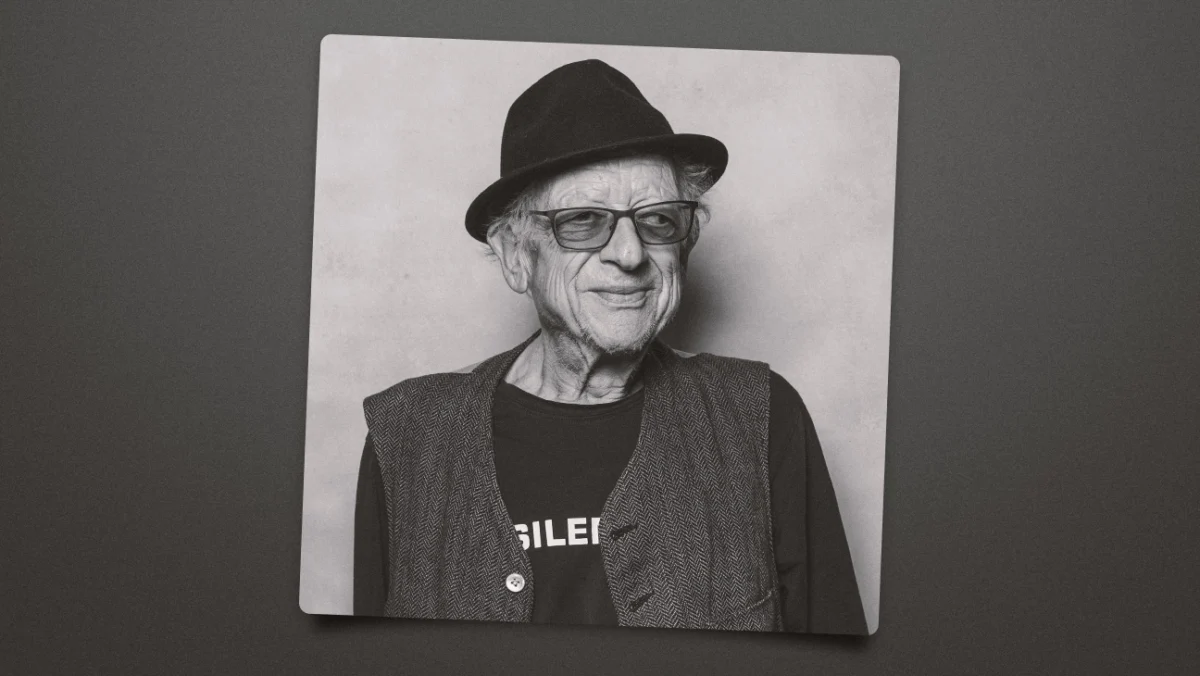
Jeremy Thomas, the celebrated British film producer whose visionary work brought the sweeping epic The Last Emperor to global acclaim and Oscar glory, passed away peacefully at the age of 77. His team confirmed on Saturday that Thomas died on Friday, September 11, at his country home in Oxfordshire, surrounded by his loving family and close friends. The news marks the end of an illustrious career that spanned over five decades, leaving an indelible mark on both independent and mainstream cinema.
A Legacy Forged in Cinema
Thomas’s passing resonated deeply across the international film community, prompting reflections on a career defined by artistic ambition and unwavering support for auteur directors. His unique ability to shepherd complex, often challenging projects from conception to screen earned him a reputation as one of the most respected and influential producers of his generation. The British producer’s impact was not merely measured by box office success or awards, but by the sheer breadth and audacity of the cinematic narratives he helped bring to life, consistently pushing boundaries and fostering creativity.
Born into a family deeply embedded in the British film industry, Thomas inherited a passion for storytelling that would guide his entire professional life. His strategic acumen and profound understanding of the filmmaking process allowed him to navigate the intricate world of international co-productions, bridging cultures and bringing diverse artistic visions to a global audience. The films he championed often explored complex human conditions, historical sagas, and daring narratives, distinguishing his portfolio from many of his contemporaries.
From a Storied Lineage to Independent Vision
Jeremy Thomas was born in London on July 26, 1949, into a cinematic dynasty that had already shaped British film for decades. His father, Ralph Thomas, was a prolific director responsible for more than 40 films, including the iconic 1959 thriller The 39 Steps and the highly popular Doctor franchise, which brought lighthearted medical comedies to British audiences throughout the 1950s and 60s. His uncle, Gerald Thomas, similarly left his mark on popular culture by directing the beloved Carry On film series, a staple of British humor known for its cheeky innuendo and ensemble cast.
Growing up amidst such a rich filmmaking heritage undoubtedly instilled in Jeremy Thomas a deep appreciation for the craft and business of cinema. However, he soon forged his own distinct path, moving away from the more commercial, studio-driven productions favored by his predecessors to embrace the burgeoning world of independent and international art house cinema. This pivot allowed him to cultivate relationships with some of the most daring and innovative directors worldwide, providing a crucial platform for their artistic expressions.
His commitment to independent filmmaking led him to found Recorded Picture Company, a production powerhouse that became synonymous with challenging and critically acclaimed projects. Later, he co-founded HanWay Films, a leading international sales, distribution, and marketing company dedicated to financing and selling independent films globally. These ventures were not merely businesses but served as vital incubators for cinematic talent, enabling filmmakers to pursue their visions without the often restrictive pressures of major Hollywood studios. Over the course of his illustrious career, Thomas produced more than 80 feature films, each bearing the hallmark of his discerning taste and unwavering commitment to cinematic excellence.
The Crown Jewel: ‘The Last Emperor’
Among his extensive filmography, Jeremy Thomas is perhaps most widely celebrated for producing Bernardo Bertolucci’s 1987 masterpiece, The Last Emperor. This monumental historical epic chronicled the life of Puyi, the last emperor of China, from his enthronement as a child to his imprisonment and eventual rehabilitation as a citizen of the People’s Republic. The film was an unprecedented achievement, becoming the first Western feature film to be granted permission by the Chinese government to shoot inside the Forbidden City.
The production of The Last Emperor was an immense undertaking, requiring intricate negotiations, logistical brilliance, and an estimated budget of $25 million – a substantial sum for its time. Thomas’s ability to navigate the complex political landscape of China, secure the necessary resources, and maintain creative control while working with a visionary but demanding director like Bertolucci, showcased his exceptional producing prowess. The film’s lavish sets, stunning cinematography, and powerful narrative captivated audiences and critics alike, making it a cultural phenomenon.
The Last Emperor swept the 1987 Academy Awards, winning all nine categories for which it was nominated, including Best Picture, Best Director for Bertolucci, Best Adapted Screenplay, Best Cinematography, Best Art Direction, Best Costume Design, Best Sound, Best Film Editing, and Best Original Score. This historic achievement cemented its place in cinematic history and remains a testament to Thomas’s ability to identify and nurture projects of profound artistic and commercial merit. Beyond the Oscars, the film also garnered the BAFTA for Best Film, further solidifying its critical acclaim and global impact.
A Pantheon of Auteurs: Diverse Collaborations
While The Last Emperor remains his most recognized triumph, Thomas’s filmography is replete with collaborations that underscore his eclectic taste and dedication to directorial vision. He became a trusted ally for filmmakers who often operated at the fringes of commercial cinema, providing the backing and creative freedom necessary for their distinctive voices to flourish. His partnerships with a diverse array of international auteurs cemented his reputation as a producer who truly championed artistic integrity.
His long-standing collaboration with Canadian director David Cronenberg yielded some of the latter’s most provocative works. Thomas produced Cronenberg’s controversial 1996 film Crash, an unflinching exploration of fetishism and car crash survivors, which sparked considerable debate upon its release but has since gained cult status. Their partnership continued with the critically acclaimed 2011 psychological drama A Dangerous Method, starring Viggo Mortensen, Michael Fassbender, and Keira Knightley, which delved into the complex relationships between Carl Jung, Sigmund Freud, and their patient Sabina Spielrein. These films showcased Thomas’s willingness to support challenging narratives that explored the darker, more unconventional aspects of human psychology.
Thomas also played a pivotal role in bringing to screen Jonathan Glazer’s critically lauded 2000 crime thriller Sexy Beast, a film celebrated for its stylish direction and powerhouse performances, particularly from Ben Kingsley. Another significant international collaboration was with Japanese director Nagisa Oshima on the 1983 war drama Merry Christmas Mr. Lawrence, starring David Bowie and Ryuichi Sakamoto. This film, set in a Japanese prisoner-of-war camp during World War II, explored themes of cultural clash and humanity under extreme duress, further demonstrating Thomas’s commitment to globally resonant stories. His diverse producing credits reflect a consistent desire to push artistic boundaries and engage with a wide spectrum of cinematic expression.
Beyond Producing: A Brief Foray into Directing
Though primarily known for his prolific work as a producer, Jeremy Thomas also ventured into directing on one occasion. In 1998, he helmed the feature film All the Little Animals, a poignant and darkly humorous tale starring Christian Bale and John Hurt. The film, which tells the story of a mentally challenged young man who cares for dead animals, allowed Thomas to explore a more direct creative role, showcasing another facet of his storytelling capabilities. While it remained his sole directorial credit, it offered a glimpse into his personal artistic sensibilities and his enduring fascination with unconventional narratives and compelling character studies.
Adapting to a Shifting Cinematic Landscape
Jeremy Thomas was a keen observer of the ever-evolving film industry, a perspective he often shared publicly. Speaking at a recent Edinburgh International Film Festival, he offered a poignant reflection on his career trajectory and the dramatic shifts within cinema. "I was at the tail end of the golden age of cinema, when films made money in the cinema before VHS was even thought about. That’s where I come from," he remarked, recalling a bygone era when theatrical releases were the undisputed primary revenue stream.
His candid assessment highlighted the profound changes he witnessed, from the rise of home video and DVDs to the current dominance of digital platforms and streaming services. Despite the nostalgic undertones, Thomas conveyed a pragmatic understanding of the necessity for adaptation. "And to continue working, to continue being relevant, I have to mutate. And that’s a fact, and I accept it," he stated, encapsulating his philosophy of resilience and innovation. This adaptability was a hallmark of his career, as he consistently found ways to finance and distribute films in an increasingly competitive and fragmented market. His ability to secure international co-production deals and navigate diverse funding models ensured that even the most ambitious and unconventional projects could find their way to audiences, demonstrating his enduring relevance in a constantly transforming industry.
A Final Flourish: Posthumous Releases and Enduring Influence
Even in his final months, Jeremy Thomas remained actively involved in filmmaking, a testament to his lifelong dedication to the craft. His passing came as two of his produced films were making their rounds on the prestigious fall festival circuit, showcasing his continued artistic ambition and global reach. Werner Herzog’s latest work, Bucking Fastard, which Thomas produced, was recently in competition at the Venice Film Festival, drawing critical attention for its distinctive narrative and directorial vision.
Additionally, Takashi Miike’s Bad Lieutenant: Tokyo, another project bearing Thomas’s producing credit, is scheduled to premiere at the Toronto International Film Festival. These recent projects underscore his unwavering commitment to supporting diverse cinematic voices, from established masters like Herzog to boundary-pushing directors like Miike, right up until the very end. The release of these films posthumously serves as a poignant reminder of his tireless work ethic and his profound influence on international cinema.
Jeremy Thomas leaves behind a towering legacy as a producer who was unafraid to take risks, champion bold artistic visions, and push the boundaries of storytelling. His work not only garnered critical acclaim and numerous awards but also enriched the global cinematic landscape, introducing audiences to challenging narratives and unforgettable characters. He will be remembered as a true patron of independent film, an architect of international co-productions, and a guiding force for countless filmmakers who sought to create art that resonated deeply and endured. His absence will be keenly felt across the film industry, but the vast and varied body of work he leaves behind will continue to inspire and captivate for generations to come.