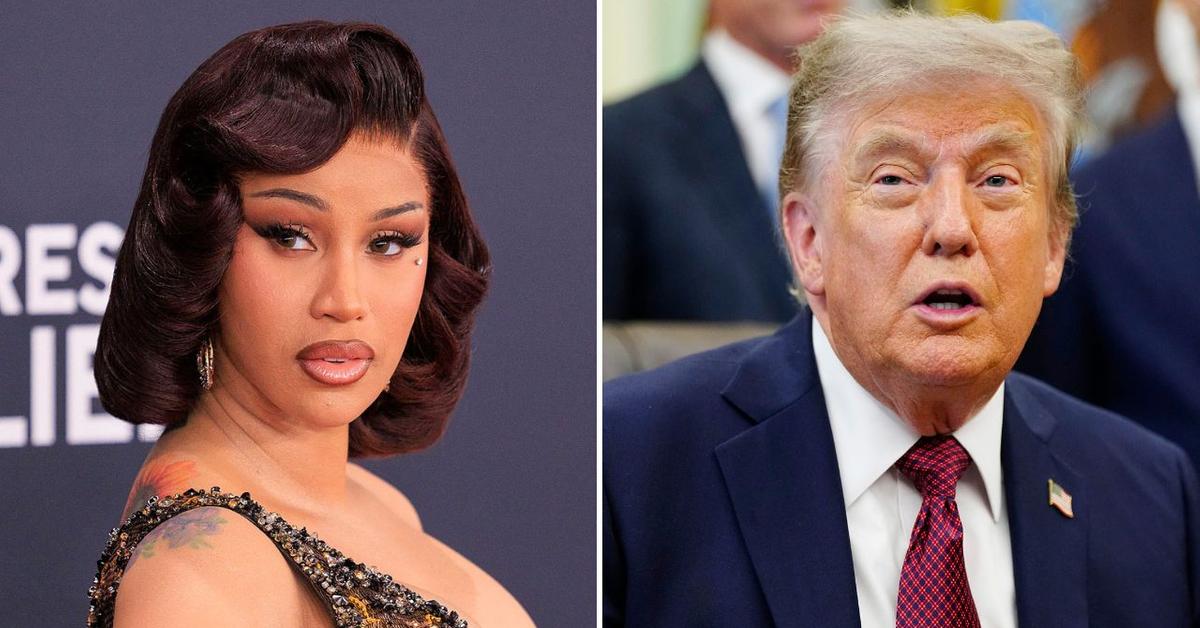
Rapper Cardi B, whose legal name is Belcalis Marlenis Almánzar, recently ignited a fierce online confrontation with allies of President Donald Trump following the release of her new single, "Ah Ha." The track, unveiled on July 31, features a direct and expletive-laden lyric aimed at the President, which quickly escalated into a social media dispute where Cardi B invoked the controversial figure Jeffrey Epstein and the public interest in his associated files. This incident underscores the growing intersection of celebrity influence, partisan politics, and digital discourse in contemporary American society.
Cardi B’s latest musical offering, produced by DJ SwanQo, positions itself as an anthem of defiance against detractors. Within this framework, she delivers a pointed line: "I’ll give a ho exactly what she want in this b—- / Black trucks at the club, look like Trump in this b—-, f— him." This lyric immediately drew attention, not only for its explicit nature but also for its direct political target, signaling the rapper’s continued willingness to blend her artistic expression with her well-documented political views.
Cardi B’s History of Political Engagement
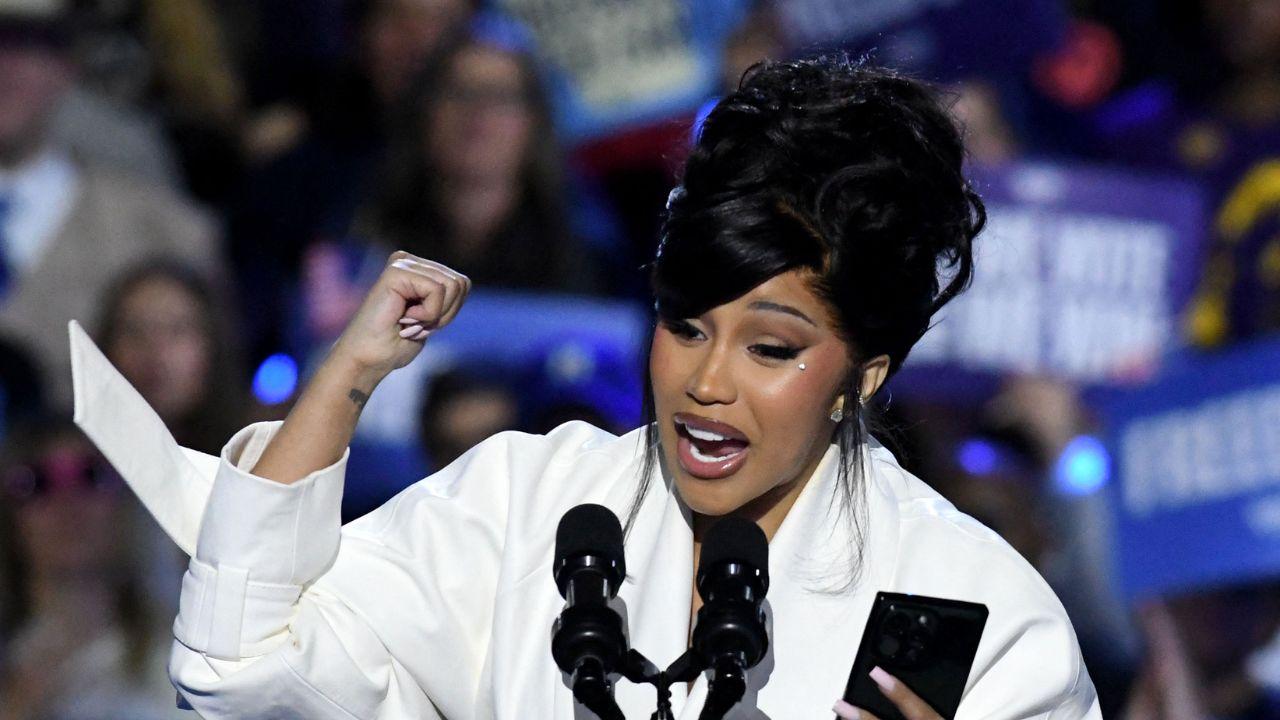
The rapper’s critical stance towards President Trump is not an isolated event but rather a consistent thread in her public persona. Cardi B has a long history of outspoken political commentary, often aligning with progressive causes. She was a prominent supporter of Senator Bernie Sanders during his presidential campaigns, leveraging her massive social media platform to encourage voter participation and discuss political issues with her millions of followers. Her activism extends beyond electoral politics; she has publicly voiced criticism against government policies, including cuts to the Supplemental Nutrition Assistance Program (SNAP), highlighting their impact on low-income communities. Following Kamala Harris’s unsuccessful bid for the presidency, Cardi B also offered public commentary on the political landscape.
This latest lyrical broadside builds on previous clashes with Trump supporters and government entities. In February, a notable exchange occurred after Cardi B stated at a California concert that she would "jump" any Immigration and Customs Enforcement (ICE) agents present. The Department of Homeland Security’s official social media account responded by referencing past allegations against the rapper concerning drugging and robbing men. Cardi B swiftly retorted, redirecting the conversation with a powerful counter-accusation: "If we talking about drugs let’s talk about Epstein and friends drugging underage girls to rape them. Why y’all don’t wanna talk about the Epstein files?" This direct challenge, bringing the late financier Jeffrey Epstein’s extensive sex trafficking network and its high-profile associates into the public debate, immediately amplified the controversy.

The Weight of the Epstein Reference
Jeffrey Epstein, a convicted sex offender who died in federal custody in 2019, remains a figure of intense public scrutiny, particularly regarding the identities of his alleged co-conspirators and clientele. The "Epstein files" refer to various legal documents, witness testimonies, and other evidence related to his activities, which have periodically been unsealed, often revealing connections to powerful individuals across politics, finance, and entertainment. Cardi B’s decision to invoke Epstein in her online argument with Trump allies strategically shifted the narrative, leveraging a highly sensitive and politically charged topic to highlight perceived hypocrisy or unaddressed issues by her critics. This move resonated with a segment of the public that remains deeply concerned about accountability for those allegedly involved in Epstein’s network.
The explicit political statement in "Ah Ha" and the subsequent online feud highlight a strategic element of celebrity branding in the modern era. Amore Philip, founder of Apples and Oranges Public Relations, commented on this phenomenon, stating, "A political lyric is a brand decision dressed as an artistic one." She elaborated on the calculated risk involved for artists with significant platforms. "When an artist with a large, loyal following takes a pointed shot, they are trading breadth for depth: they deepen the bond with their core audience and accept that they will lose some of the middle," Philip explained. This approach, while potentially alienating some listeners, can strengthen the connection with a core demographic that values authenticity and conviction from their idols.

When Politics Becomes Part of the Brand
In today’s highly polarized political environment, such bold statements can prove to be an effective marketing strategy. "In today’s hyper-partisan environment that can be a smart trade, because fans reward conviction and the backlash itself becomes free distribution," Philip added. The ensuing controversy, whether positive or negative, generates significant media coverage and social media engagement, effectively providing free publicity for the artist and their work. Cardi B’s brand, built on an image of unfiltered honesty and a rags-to-riches narrative, is particularly well-suited to this approach, where her political stances are seen as an extension of her genuine personality rather than a calculated endorsement.
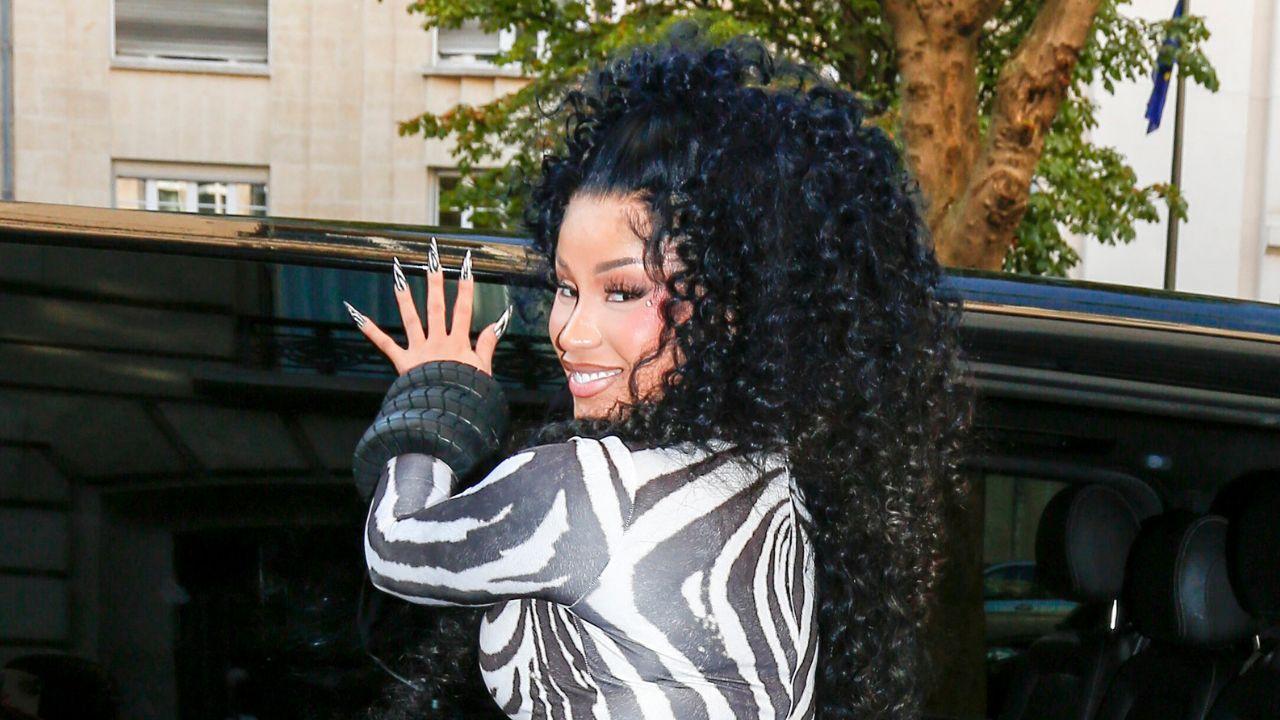
The political clash also added another layer to Cardi B’s long-standing rivalry with fellow rapper Nicki Minaj. The feud between the two artists predates their divergent political leanings, but political differences have increasingly become a part of their public narrative. Minaj has, at times, been perceived as more supportive of Trump and his allies, a contrast to Cardi B’s progressive stance. This dynamic was explicitly highlighted in December when Vice President JD Vance posted "Nicki > Cardi" on social media. Cardi B’s succinct reply, "I’m sooo famous," deftly deflected the political jab, showcasing her ability to navigate these public skirmishes while maintaining her brand’s essence. Such inter-celebrity political alignments and rivalries can further amplify the reach and impact of their individual political statements, drawing in diverse audiences who follow both music and political discourse.
Impact on Public Discourse and Celebrity Influence
Philip underscored that the true influence of such political lyrics and online confrontations often lies less in their power to persuade and more in their capacity to dominate public conversation. "The real influence is rarely about changing minds, it is about owning the agenda for a day. Campaigns and pundits weaponize these moments by treating the lyric as a proxy for a bigger fight," she noted. This instrumentalization of celebrity statements by political actors on both sides further blurs the lines between entertainment and serious political commentary, transforming cultural moments into political battlegrounds.
The success of artists in leveraging these moments hinges on the perceived authenticity of their political convictions. "The artists who navigate this well are the ones whose politics are already clear to their audience," Philip emphasized. The danger, she warned, lies in "inconsistency, when a stance reads as a marketing play instead of a genuine belief." Cardi B’s consistent record of political engagement, from endorsing Sanders to criticizing government programs and engaging with federal agencies online, lends credibility to her latest lyrical and social media confrontation. Her actions reinforce a personal brand that is unafraid to challenge authority and speak directly to contentious issues.
The ongoing public dialogue surrounding Cardi B’s "Ah Ha" lyric and her subsequent online dispute serves as a potent illustration of how modern celebrities navigate the complex landscape of fame, politics, and social media. These incidents not only generate significant attention for their artistic endeavors but also contribute to the broader political discourse, often sparking passionate debates among their followers and critics alike. As the lines between popular culture and political engagement continue to dissolve, the strategic deployment of personal beliefs within an artist’s brand will likely remain a powerful tool for shaping public perception and maintaining relevance in an increasingly fragmented media environment.