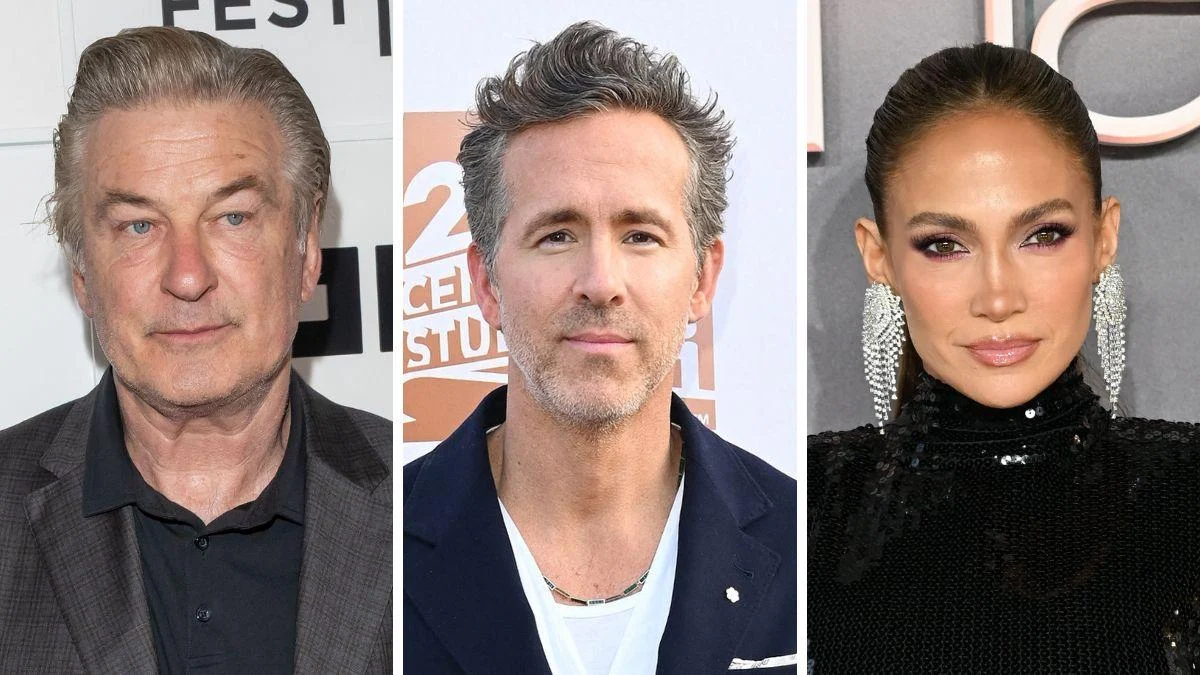
Hollywood’s most recognizable figures, including Alec Baldwin, Ryan Reynolds, and Jennifer Lopez, have increasingly stepped forward to candidly discuss their personal struggles with mental health, significantly contributing to the ongoing societal effort to destigmatize these conditions. This growing transparency among public figures underscores a critical shift in how mental well-being is perceived and discussed within both the entertainment industry and wider society. Their willingness to share deeply personal experiences offers a powerful message of solidarity and hope to millions navigating similar psychological challenges.
For decades, discussions surrounding mental health, particularly among high-profile individuals, were largely confined to whispers or remained entirely absent from public discourse. The prevailing culture often prioritized an image of unwavering strength and perfection, leaving little room for vulnerability. However, recent years have witnessed a profound evolution, with an increasing number of celebrities leveraging their platforms to shed light on issues such as anxiety, depression, obsessive-compulsive disorder, and post-traumatic stress. This paradigm shift has been instrumental in normalizing conversations around emotional well-being, encouraging a more open and empathetic approach to mental health support.
Prominent Voices Leading the Conversation on Mental Health
The roster of public figures sharing their journeys spans generations and genres, each adding a unique perspective to the dialogue. Their narratives provide crucial context, illustrating that fame and fortune offer no immunity from the universal human experience of psychological struggle.
Alec Baldwin: Navigating Trauma and Public Scrutiny
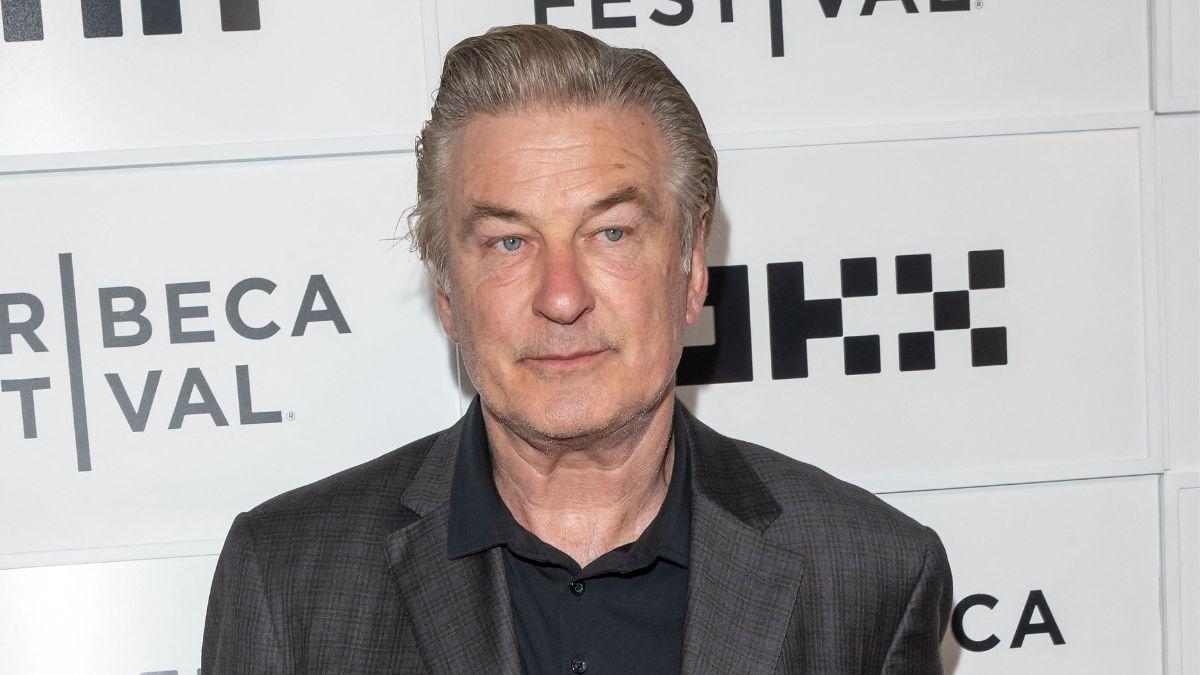
Veteran actor Alec Baldwin revealed a significant decline in his mental health following the tragic 2021 incident on the set of the film Rust, where cinematographer Halyna Hutchins was fatally shot. Baldwin faced involuntary manslaughter charges, which were ultimately dismissed with prejudice in July 2024, but the legal battles and intense public scrutiny took a severe toll. He publicly disclosed experiencing depression and other mental health issues, articulating the profound impact on his personal life and career. On the "Dopey: On the Dark Comedy of Drug Addiction" podcast, Baldwin stated the event "broke every nerve in my body, spiritually, financially, work-wise, my career, my wife, my kids, my friends, my health," estimating it had "taken 10 years off my life." His account highlights the immense psychological burden that public legal challenges and professional trauma can inflict, even on seasoned public figures.
Camila Cabello: Embracing Vulnerability with Anxiety and OCD
Pop sensation Camila Cabello has openly discussed her struggles with anxiety and obsessive-compulsive disorder (OCD) since childhood. Speaking to Wondermind, Cabello admitted an initial apprehension about discussing her mental health, fearing it would reveal a "broken brain." She emphasized the transformative power of honesty, sharing that her therapist consistently advises her that "faking or pretending is the worst thing for my mental health, personally. Saying the truth and being vulnerable and talking about it is basically what my therapist says to me in every session." Her candor serves as an important reminder that authenticity and open communication are vital steps toward psychological healing and self-acceptance.

Ed Sheeran: Therapy’s Role in Overcoming Personal Loss
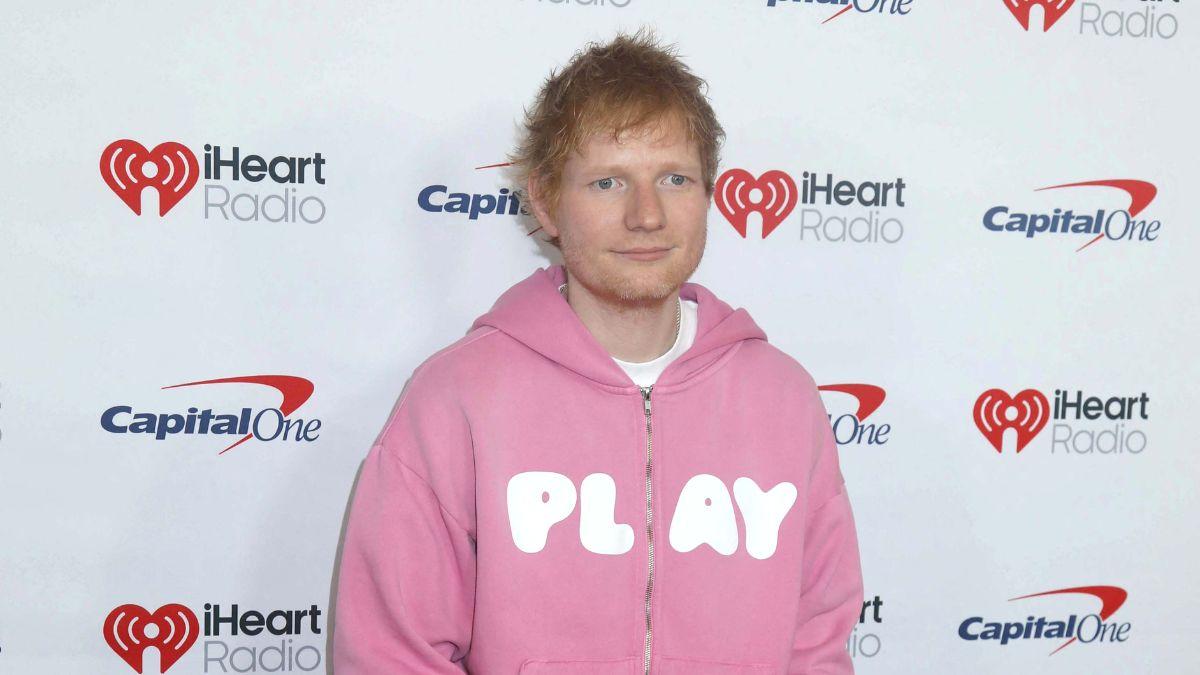
Grammy-winning musician Ed Sheeran credits his wife, Cherry Seaborn, with encouraging him to seek therapy, a decision that proved pivotal in managing his long-standing battles with depression. In a 2023 interview with Rolling Stone, Sheeran recounted experiencing "real lows" throughout his life, but only truly addressed them after the death of his best friend, Jamal Edwards. The profound grief led him to contemplate his own mortality, describing a feeling of "under the waves drowning." Sheeran underscored that therapy is not a quick fix but an ongoing process: "The help isn’t a button that is pressed, where you’re automatically OK. It is something that will always be there and just has to be managed." His story illustrates the profound impact of personal loss and the crucial role of external support in seeking professional intervention for mental health.
Harrison Ford: Confronting Early Life Depression
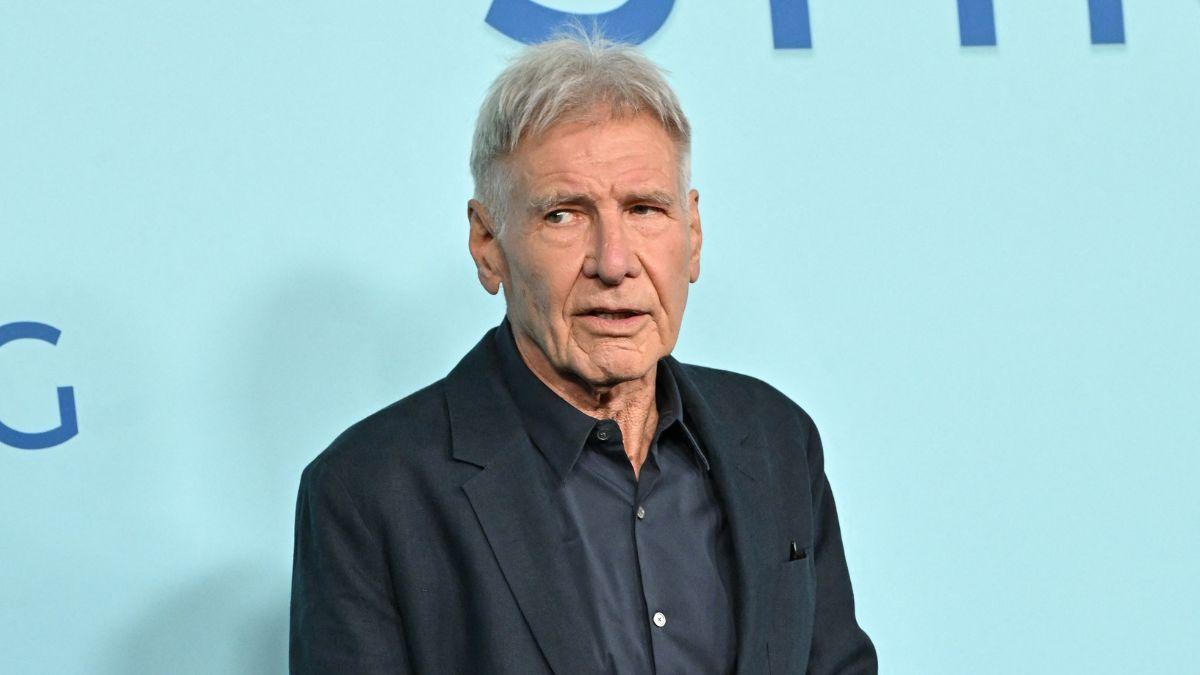
Legendary actor Harrison Ford revealed his mental health struggles began during his college years at Ripon College in Wisconsin. On The Hollywood Reporter‘s "Awards Chatter" podcast, Ford described a period of severe social isolation and depression, where he "rarely ventured out" of his room. He characterized his state as "more than depressed. I think I was ill. I was socially ill, psychologically not well." Finding a connection through acting proved to be a turning point, profoundly altering his perspective and serving as a vital creative outlet. Ford’s reflection highlights how early life experiences can shape an individual’s psychological landscape and how discovering purpose can be a powerful tool for overcoming profound emotional distress.
Harry Styles: Redefining Strength Through Therapy
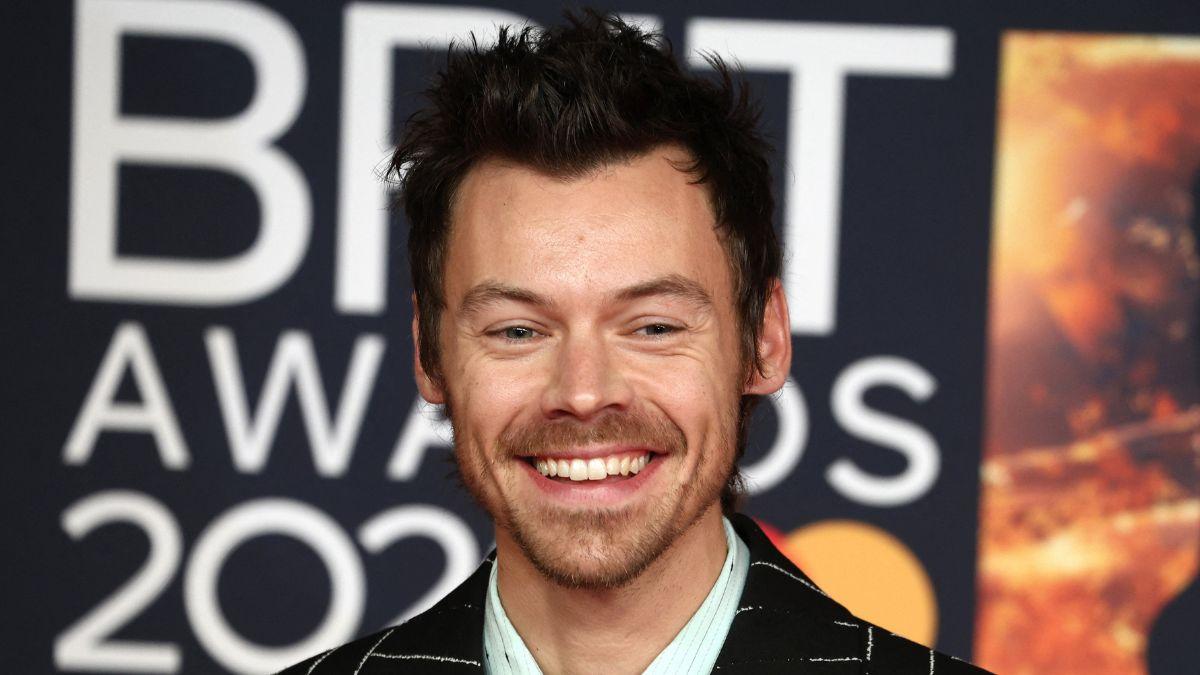
Global pop icon Harry Styles candidly spoke about his initial reluctance to embrace therapy, driven by the misconception that seeking help implied being "broken." The former One Direction member grappled with stage fright and anxiety during his early career, exacerbated by the fear of making mistakes under intense public scrutiny. In an interview with Better Homes & Gardens, Styles shared that therapy helped him realize that "accepting living, being happy, hurting in the extremes, that is the most alive you can be." His journey signifies a broader cultural shift, particularly among men, in viewing psychological support not as a weakness but as a proactive step toward emotional resilience and psychological growth.

Jennifer Lopez: The Physical Toll of Exhaustion and Panic Attacks
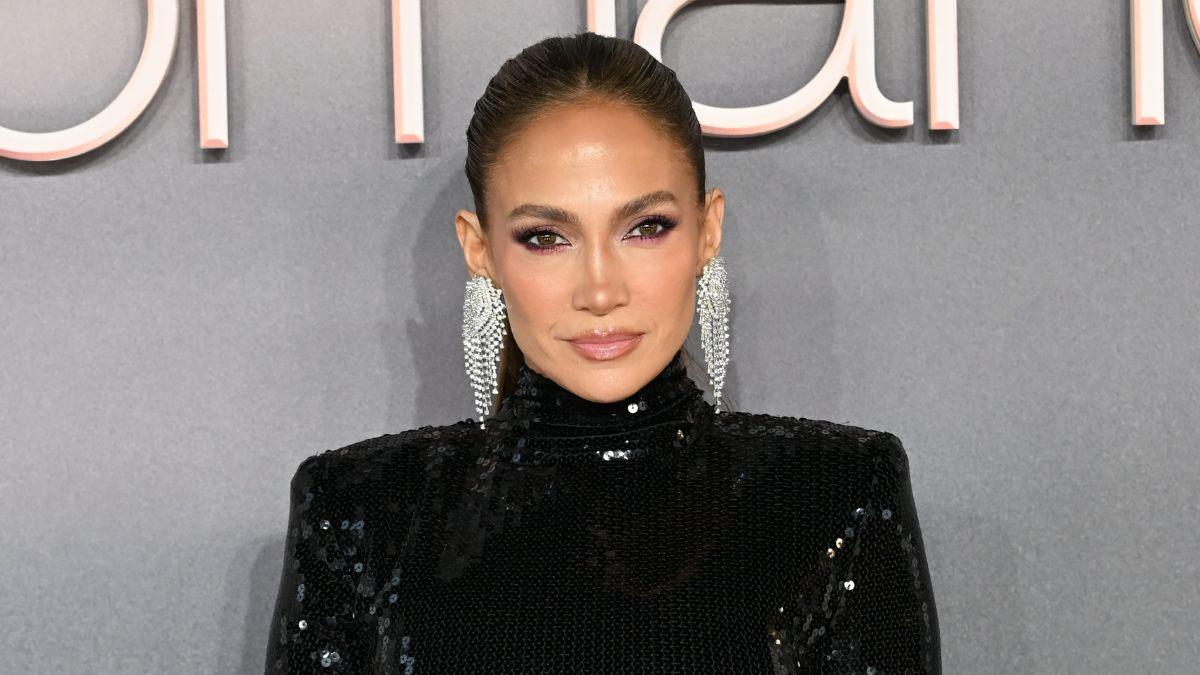
Multi-hyphenate star Jennifer Lopez disclosed a period in her 20s where extreme exhaustion led to debilitating panic attacks, leaving her "physically paralyzed." In her newsletter, On the JLo, Lopez emphasized the critical lesson learned from these experiences: "I realised how serious the consequences could be of ignoring what my body and mind needed to be healthy." Her account sheds light on the often-overlooked physical manifestations of mental health crises, particularly in demanding careers that push individuals to their limits. It underscores the importance of recognizing the body’s signals and prioritizing self-care to prevent burnout and maintain holistic well-being.
Justin Bieber: Prioritizing Well-being Over Career Demands
Pop superstar Justin Bieber made headlines in 2017 when he canceled 14 dates of his Purpose tour, citing deep depression and a need for personal time. He later told Vogue that he "got really depressed" on the road, admitting, "I was lonely. I needed some time." Bieber has since become a vocal advocate for therapy, stressing its importance in managing his mental state. In an interview with Billboard, he emphasized, "The one thing I’ve learned over the years is that we all go through our ups and downs, and we all need help sometimes." His decision to step back from immense touring demands, despite potential career ramifications, demonstrated a powerful commitment to his psychological health and highlighted the unique pressures faced by child stars. He has also championed making therapy more accessible, even offering free sessions to fans and his tour crew.
Kendall Jenner: Confronting Anxiety in the Public Eye
Model and reality television personality Kendall Jenner has frequently spoken about her severe anxiety, which she believes began as early as age seven. She recounted experiencing shortness of breath as a child, which she now recognizes as a manifestation of anxiety. In an interview with Vogue, Jenner addressed common public skepticism, stating, "There [are] going to be those people that say, ‘What does she have to worry about? What does she have to be anxious about?’ And I’ll never sit here and say I’m not fortunate…[but] I’m still a human being at the end of the day." Her vulnerability challenges the notion that privilege negates psychological struggles, fostering empathy and reminding audiences that mental health challenges can affect anyone, regardless of their circumstances or status.
Lady Gaga: Turning Personal Trauma into Global Advocacy
Grammy and Oscar-winning artist Lady Gaga has been an outspoken advocate for mental health, often sharing her own experiences with depression, anxiety, and trauma, including a reported "psychotic break" after filming A Star Is Born. She told The Mirror in 2016, "I openly admit to having battled depression and anxiety and I think a lot of people do." These deeply personal struggles spurred her to establish the Born This Way Foundation, an organization dedicated to supporting youth mental health and empowering young people. Gaga articulated her mission to Billboard, stating, "I’ve suffered through depression and anxiety my entire life, I still suffer with it every single day, I just want these kids to know that that depth that they feel as human beings is normal." Her advocacy demonstrates the powerful potential of transforming personal pain into impactful, large-scale support systems.
Ryan Reynolds: Managing Anxiety with Personal Rituals
Actor Ryan Reynolds, known for his witty public persona, has also revealed his struggles with anxiety, admitting to Page Six in October 2023 that he sometimes finds himself "spinning out of control." While attending Bring Change to Mind’s Annual Revels & Revelations Gala, Reynolds shared his reliance on "little rituals and those kinds of things that help me stay grounded and keep my mind from spinning out of control." He acknowledged the ongoing nature of this management, stating, "Sometimes I’m really good at it, sometimes I’m not." His openness provides a relatable perspective on managing chronic anxiety, emphasizing that even highly successful individuals require consistent self-management and coping mechanisms to maintain emotional balance.
Selena Gomez: Empowering Youth Through Bipolar Disorder Disclosure
Singer and actress Selena Gomez has been a prominent voice in mental health advocacy for years, openly discussing her diagnosis of bipolar disorder in 2021. She told Elle that the diagnosis brought immense relief: "I felt a huge weight lifted off me when I found out. I could take a deep breath and go, ‘OK, that explains so much.’" Gomez has channeled her experiences into action, co-founding Wondermind and establishing the Rare Impact Fund, which aims to raise awareness and increase access to mental health services for young people. Her message of "you are not alone" resonates deeply, particularly with younger audiences, providing crucial peer support and practical resources.
Shawn Mendes: The Courage to Step Back and Rebalance
In 2022, musician Shawn Mendes made the difficult decision to cancel his Wonder Tour to prioritize his mental health, describing it as "one of the hardest pills to swallow." On Jay Shetty’s "On Purpose" podcast, Mendes explained his realization that his life had become solely focused on performing and making music, lacking other fulfilling aspects. "I didn’t have other aspects of life that I felt connected to, that I could have leaned into, to have a little bit of a break from touring and come back and just find that balance," he stated. This courageous act of self-prioritization, he noted, ultimately "gave [him] a life" and "time to discover so much about myself." His story serves as a powerful testament to the importance of holistic well-being and the necessity of finding balance beyond career demands.
Broader Implications: The Ripple Effect of Celebrity Disclosures
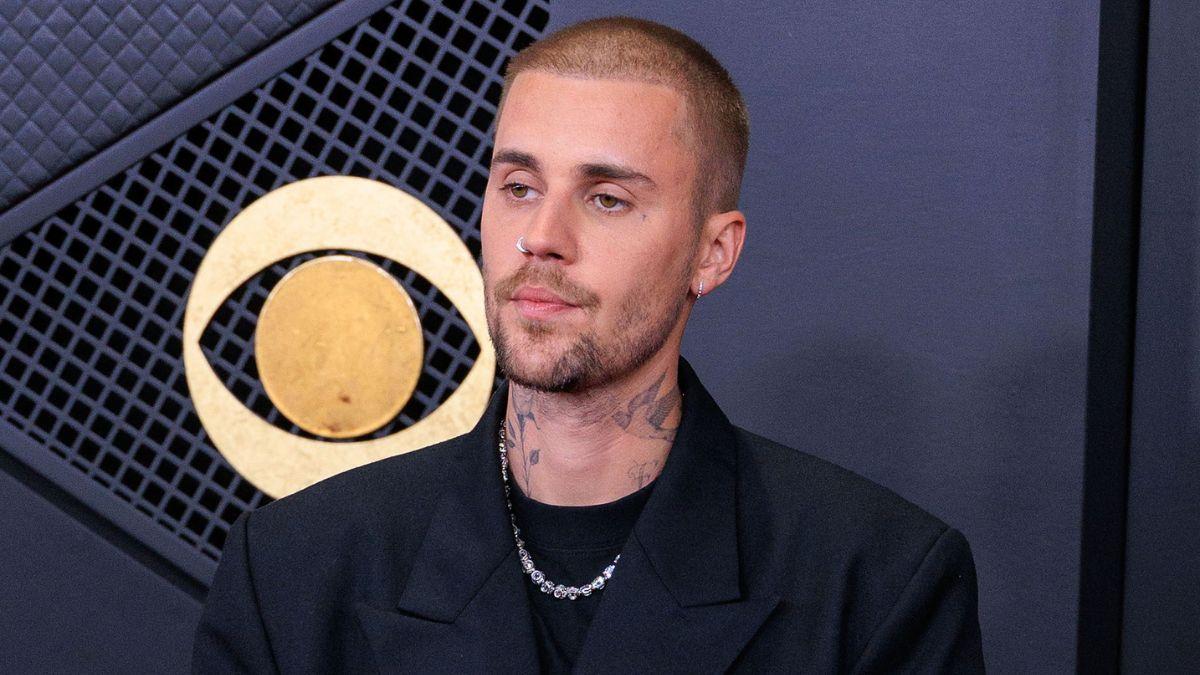
The collective impact of these celebrity disclosures extends far beyond individual narratives. By openly sharing their vulnerabilities, these public figures have significantly contributed to the destigmatization of mental health issues, making it easier for countless others to seek help without fear of judgment. Their stories often provide a sense of validation for individuals who might feel isolated in their struggles, fostering a crucial sense of community and understanding. This increased visibility has spurred greater public dialogue, encouraged the development of more accessible mental health resources, and even influenced philanthropic efforts and policy discussions.
Despite the progress, challenges persist, including ensuring equitable access to quality mental health care and combating lingering societal prejudices. However, the willingness of these high-profile individuals to speak out has undeniably accelerated a cultural shift, fostering an environment where mental health is increasingly recognized as an integral component of overall well-being. Their continued advocacy reinforces the message that mental health is a continuous journey requiring ongoing attention and support, rather than a destination.