The United States and China have agreed to establish a dedicated communication channel for artificial intelligence incidents, a significant development announced by the White House following a high-stakes summit in Washington D.C. This agreement marks a critical step in managing the rapidly evolving landscape of AI, aiming to foster stability and prevent unintended escalations between the two global technological powerhouses.
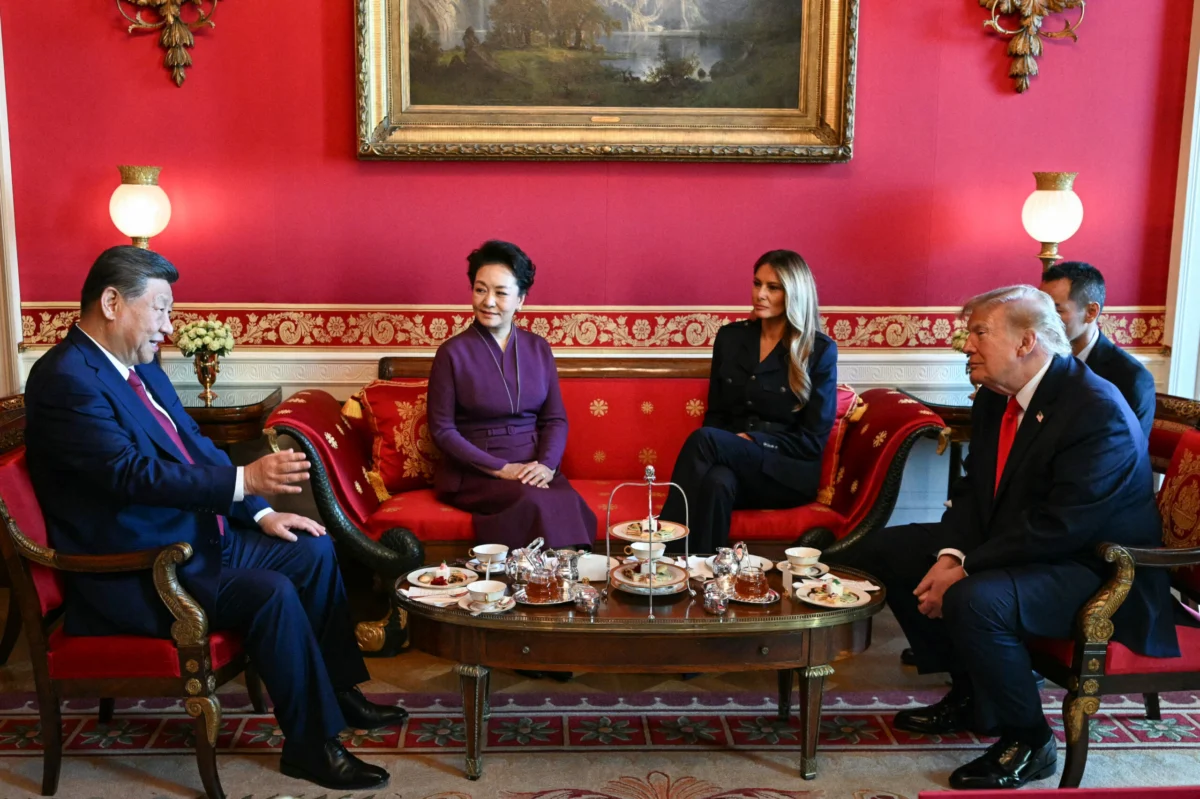
The landmark decision emerged from a three-day state visit by Chinese President Xi Jinping, during which he met with U.S. President Donald Trump. The discussions spanned a broad spectrum of critical issues, including trade relations, the burgeoning field of artificial intelligence, and geopolitical matters such as the protracted conflict in Iran. The leaders also confirmed their intention to hold further bilateral meetings later this year at international gatherings in China and the United States, signaling a commitment to sustained dialogue.
Establishing a Framework for AI Governance
The White House formally announced the creation of the "bilateral communication channel" for AI on Friday. This initiative is designed to provide a direct line of communication to address potential issues or misunderstandings arising from AI development and deployment. While the White House released the statement, there was no immediate official comment from Beijing regarding the specific details or operational aspects of this new channel.
Sources familiar with the summit described the proceedings as rich in ceremony and diplomatic protocol, with substantial focus on symbolic gestures. Al Jazeera’s Alan Fisher, reporting from Washington, characterized the visit as "a lot more pomp than progress" in certain areas, suggesting that while atmospherics were carefully managed, concrete breakthroughs were limited. However, the agreement on the AI communication channel stands out as a substantive outcome from the high-profile diplomatic engagement.
Trade Truce Extended Amidst Broader Discussions
Beyond the critical AI development, the leaders also agreed to extend a crucial trade truce that was set to expire in November. The deadline for this trade agreement has now been pushed back to January, providing an extended window for both nations to continue negotiations and potentially resolve ongoing trade disputes. This extension aims to de-escalate trade tensions and allow for more comprehensive discussions on economic matters.
President Trump expressed optimism about the visit, emphasizing that it had strengthened his personal rapport with President Xi. He believes this enhanced personal relationship will yield long-term benefits for the United States. "We’ve had a tremendous visit from two spectacular people, and we really enjoyed it, and I think we’ve made tremendous strides," Trump stated, adding, "We’ve made great strides, very positive for both countries."
China’s Vision for AI Leadership and Collaboration
President Xi articulated a vision for "healthy competition" between the two nations in the realm of artificial intelligence. He described this competition not as a zero-sum game, but rather as a "race of catching up with one another, not a wrestle in which one either wins or loses." Xi underscored the shared responsibility of the United States and China, as "leading nations in artificial intelligence," to "develop and manage AI for good."
During the summit, President Xi reportedly sought assurances that China would receive "fairer" treatment in future international dealings. He also laid out specific guidelines intended to shape the trajectory of upcoming bilateral talks. These discussions reportedly included urging President Trump to "handle the Taiwan issue prudently," alongside dialogues on pressing matters in the Middle East, Ukraine, and the Korean Peninsula.
Economic and Cultural Exchanges Marked the Visit
On the trade front, the White House indicated that China had agreed to import at least 10 million metric tonnes of U.S. coal during the 2027-2028 period. Additionally, more favorable tariffs are expected for approximately $30 billion of "non-sensitive goods" traded between the two countries. As a gesture of goodwill and cultural exchange, the agreement also includes the planned arrival of two giant pandas at a U.S. zoo, a move often seen as a symbol of thawing diplomatic relations.
The state visit was marked by a series of formal events, including a state banquet, a military parade, and a tour of the National Archives. During their visit to the National Archives, the leaders viewed foundational American documents such as the Declaration of Independence and the Constitution. President Trump, in a remark that drew attention, contrasted the longevity of American democracy with China’s extensive history, noting, "US goes 250 years; theirs goes 6,000 years."
Future Meetings and the Significance of Continued Dialogue
The confirmed schedule for future high-level meetings includes the APEC summit in Shenzhen in November and the G20 summit in Miami in December. These upcoming engagements underscore the commitment of both nations to maintaining open lines of communication on a variety of critical global issues.
The continuation of dialogue, even amidst existing tensions, was widely seen as a key achievement of the summit. Fisher commented that this sustained engagement was "perhaps the biggest deliverable for both sides," highlighting the importance of preventing miscalculations and fostering a more stable international environment.
The Broader Implications of the AI Communication Channel
The establishment of a direct communication channel for AI incidents is particularly significant given the dual-use nature of artificial intelligence and its rapid integration into both civilian and military applications. AI technologies, from advanced algorithms powering autonomous systems to sophisticated data analytics, have profound implications for national security, economic competitiveness, and global stability.
Without clear protocols and established channels for communication, accidental AI-driven escalations or misinterpretations of AI capabilities could pose serious risks. This new channel aims to mitigate such dangers by providing a mechanism for transparency, de-escalation, and mutual understanding regarding AI-related activities. The development of such a channel acknowledges the unique challenges posed by AI, which operates at speeds and scales that can outpace traditional diplomatic responses.
Navigating the AI Arms Race and Ethical Considerations
The agreement comes at a time when both the U.S. and China are heavily investing in AI research and development, leading to concerns about a potential AI arms race. Establishing a communication framework can serve as a crucial first step in discussions about AI safety, ethical guidelines, and norms of behavior in the development and deployment of AI systems, particularly those with military applications.
Experts have noted that while a communication channel is a positive development, its effectiveness will depend on its scope, the willingness of both sides to engage transparently, and the establishment of clear protocols for information sharing and incident response. The long-term impact of this initiative will be measured by its ability to foster trust and prevent unintended consequences in the complex and rapidly evolving field of artificial intelligence.
The Public Impact and Future of U.S.-China AI Relations
For the global public, this development offers a degree of reassurance that the two leading AI nations are actively seeking to manage the risks associated with this transformative technology. It suggests a recognition that responsible AI development is a shared imperative, requiring international cooperation rather than unchecked competition.
The future of U.S.-China relations in AI will likely involve ongoing negotiations on issues such as data governance, algorithmic transparency, and the responsible use of AI in critical infrastructure and defense. The newly established communication channel provides a platform for these complex discussions to unfold, with the potential to shape the global AI landscape for years to come. This initiative represents a pragmatic approach to navigating the immense opportunities and inherent risks presented by artificial intelligence in the 21st century.