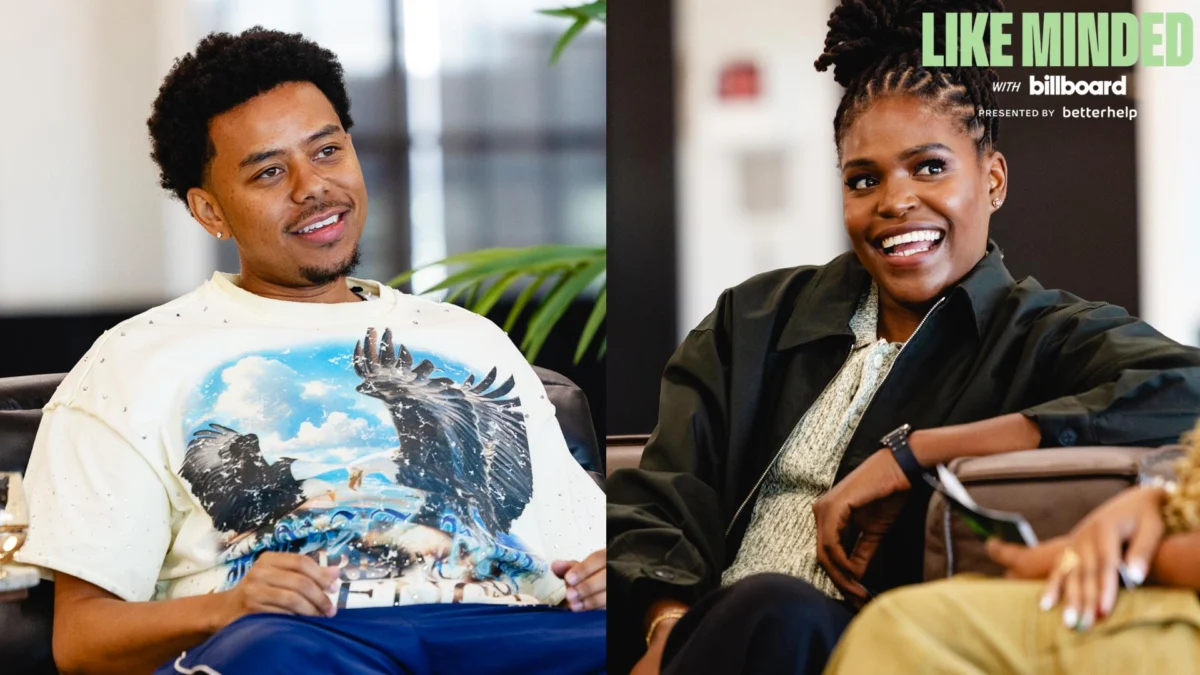
In a candid dialogue facilitated by Billboard and BetterHelp, Grammy-nominated rapper Cordae and WNBA star Jonquel Jones have shared intimate details about their journeys with mental health, highlighting the profound impact of therapy in navigating the intense pressures of elite athletic and artistic careers. The conversation, which also included licensed professional counselor Sonni Williams, delved into the strategies employed by these high-achievers to maintain equilibrium, protect their mental well-being, and present authentically in the public eye. Both individuals emphasized the critical role therapy has played in fostering resilience, managing expectations, and fostering a deeper self-understanding.
The discussion underscored a shared sentiment among top performers: the recognition that certain challenges transcend individual control, necessitating external support. Jones, a celebrated center for the New York Liberty and a former MVP, articulated this clearly, stating, "Sometimes there’s things that get a little bit bigger than what I can control myself, and I think that’s when I go into therapy. I’m a big advocate for it." This sentiment reflects a growing trend in professional sports and entertainment, where mental health is increasingly acknowledged as a cornerstone of sustained success and personal fulfillment.
For Cordae, whose real name is Cordae Dunston, the initial impetus for seeking therapy stemmed from personal struggles with trust and a desire to avoid burdening his existing relationships. "For me, I started because I got trust issues and because I don’t want to trauma dump on people," he explained. This desire to process complex emotional experiences in a structured, professional environment speaks to a maturation in how individuals approach their mental health, moving beyond informal support systems to embrace specialized care.
The forum, titled "Like Minded by BetterHelp," aimed to bridge the gap between the often-glamorized worlds of music and professional sports, revealing the shared human experiences of stress, ambition, and the relentless pursuit of excellence. Hosted by Billboard staff writer Kyle Denis in Brooklyn, New York, the session provided a platform for Jones and Cordae to discuss the mental fortitude required to perform at the highest levels, the expectations that accompany such success, and the proactive measures they take to safeguard their mental peace.
The Weight of Expectations: A Shared Burden
Both Cordae and Jones operate under immense scrutiny. Cordae, known for his introspective lyrics and compelling storytelling, faces the continuous pressure to innovate and deliver critically acclaimed music in a highly competitive industry. His career has been marked by a rapid ascent, earning him three Grammy nominations and a reputation for thoughtful artistry. This level of recognition, however, brings with it heightened expectations from fans, critics, and the industry itself.
Similarly, Jonquel Jones has navigated the demanding landscape of professional basketball, a field where physical and mental endurance are paramount. Her achievements, including an MVP award and a Finals MVP, place her among the elite athletes in the WNBA. The spotlight on her performance, combined with the inherent physical and emotional toll of a professional sports season, creates a unique set of challenges that require robust mental health strategies.
The dialogue illuminated how external pressures can manifest internally, impacting an individual’s self-perception and overall well-being. For many high-achievers, the narrative often focuses on their triumphs, with less attention paid to the internal struggles they overcome. This conversation aimed to demystify those struggles, normalizing the need for support and highlighting the proactive steps taken by these public figures.
Navigating Therapy: From Reluctance to Advocacy
The initial reluctance or specific triggers that led both artists to therapy were explored in detail. Cordae’s mention of trust issues and the desire to avoid overwhelming his father with personal problems resonated with the idea that even close familial relationships may not always be the ideal venue for processing deep-seated emotional challenges. The perceived need to shield loved ones from one’s struggles can itself become a source of internal conflict, a burden that therapy can help alleviate.
Jones’s perspective, emphasizing the point where personal control wanes, highlights a common threshold for seeking professional help. This acknowledgment that certain stressors are too formidable to manage alone is a significant step in destigmatizing mental health support. Her active advocacy for therapy suggests a personal conviction born from positive experiences and a desire to encourage others facing similar situations.
The presence of Sonni Williams, a licensed professional counselor, added an expert dimension to the discussion. Her insights likely provided context on the therapeutic process itself, the benefits of structured dialogue, and the techniques employed to build coping mechanisms. While not extensively detailed in the initial synopsis, her role underscores the professional nature of the conversation and the practical guidance offered.
Building Resilience and Finding Balance
The core of the discussion revolved around the practicalities of building resilience and finding balance in demanding lives. This involves more than just attending therapy sessions; it encompasses the integration of therapeutic principles into daily routines, the cultivation of supportive relationships, and conscious shifts in mindset. The ability to "show up authentically" on stage, on the court, and in everyday life is presented as a direct outcome of these integrated efforts.
Resilience, in this context, is not merely bouncing back from adversity but developing the inner strength to withstand and learn from challenges. For athletes like Jones, this translates to enduring grueling training regimens, overcoming injuries, and performing under pressure in high-stakes games. For musicians like Cordae, it means navigating the creative process, managing performance anxiety, and dealing with the unpredictable nature of the music industry.
Finding balance is equally crucial. The constant demands of touring, training, and public appearances can easily lead to burnout. The conversation likely touched upon strategies for establishing boundaries, prioritizing self-care, and creating space for personal life amidst professional obligations. This delicate equilibrium is essential for long-term well-being and sustained performance.
The Broader Impact: Shifting Cultural Narratives
The decision of prominent figures like Cordae and Jonquel Jones to openly discuss their mental health experiences carries significant cultural weight. In an era where mental health awareness is growing but stigma still persists, their candor serves as a powerful endorsement of therapy and self-care. By sharing their vulnerabilities and their pathways to healing, they contribute to a broader cultural shift, encouraging more individuals to seek help without shame.
Their participation in initiatives like "Like Minded by BetterHelp" amplifies this message. It demonstrates a commitment to using their platforms not just for entertainment or athletic achievement, but also for fostering positive social change. This collaborative approach, involving media outlets and mental health organizations, creates a ripple effect, reaching a wider audience and normalizing conversations about mental well-being.
The public’s reception to such open dialogues is often overwhelmingly positive, as it humanizes these often-larger-than-life personalities. Fans gain a deeper appreciation for the complexities of their lives and the dedication required to maintain their high standards. This fosters a more empathetic and supportive relationship between public figures and their audiences.
The Role of Relationships and Mindset Shifts
Beyond professional support, the importance of relationships and deliberate mindset shifts was likely a key theme. Strong personal connections, whether with family, friends, or partners, can provide an invaluable emotional buffer. However, as Cordae’s experience suggests, there’s a fine line between seeking support and maintaining healthy boundaries within these relationships.
Mindset shifts are fundamental to managing pressure. This can involve reframing challenges as opportunities for growth, practicing gratitude, and cultivating a more optimistic outlook. For athletes, this might mean focusing on the process rather than solely the outcome, and for musicians, it could involve embracing imperfection and learning from creative setbacks. These internal adjustments are as critical as external coping mechanisms.
The conversation likely explored specific techniques or philosophies that have guided them. This could range from mindfulness practices and meditation to cognitive behavioral therapy principles that help individuals reframe negative thought patterns. The ability to identify and challenge unhelpful beliefs is a cornerstone of mental fortitude.
Conclusion: Authenticity as the Ultimate Goal
Ultimately, the shared narrative between Cordae and Jonquel Jones points towards authenticity as the ultimate goal of their mental health journeys. By confronting their challenges, seeking professional guidance, and actively cultivating resilience and balance, they are able to present themselves more fully and truthfully in all aspects of their lives. This authenticity is not only liberating for them but also inspiring for their fans and the broader public.
The commitment to mental well-being is portrayed not as a sign of weakness, but as a strategic imperative for sustained excellence and a fulfilling life. Their openness serves as a testament to the evolving understanding of what it means to be a high-performing individual in the 21st century, where mental health is recognized as an integral component of overall success and well-being. The ongoing dialogue surrounding these topics promises to further dismantle stigmas and encourage a more holistic approach to personal development and achievement.