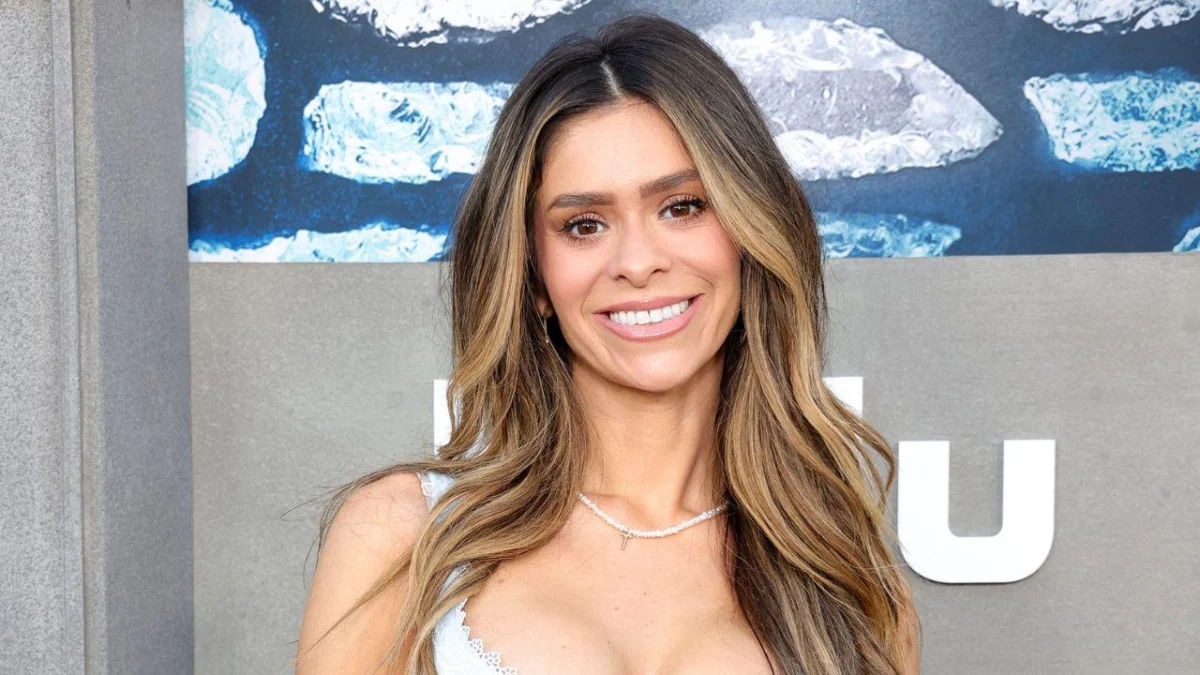
A Utah court has significantly curtailed Taylor Frankie Paul’s parenting time, limiting her to just eight hours per week, following reports of multiple failed court-ordered drug tests over the past two months. This latest development marks a critical turn in the ongoing custody disputes involving the prominent "MomTok" influencer and her former partners, Tate Paul and Dakota Mortensen.
The court’s decision, reported by TMZ, mandates a strict division of this limited time. Paul will be allowed to spend four hours weekly with her two children from her marriage to Tate Paul and an additional four hours with her child from her relationship with Dakota Mortensen. This ruling underscores the judiciary’s paramount concern for child welfare in the face of alleged substance use.
Court-Ordered Drug Tests and Reduced Parenting Time
The specific substances for which Paul allegedly tested positive have not been publicly disclosed, but the repeated failures of court-mandated drug screenings played a decisive role in the judge’s determination. Such tests are a standard tool in family court, often imposed when there are concerns about a parent’s ability to provide a safe and stable environment due to potential substance abuse. A consistent pattern of failed tests can lead to severe restrictions on parental rights, as observed in this case.
This reduction represents a significant downgrade from Paul’s previously established parenting schedule. Just months prior, a judge had granted her increased parenting time, allowing her unsupervised visits one weekday and on alternating weekends with her children. At that time, Dakota Mortensen maintained primary custodial parent status for their toddler. The reversal highlights a sharp decline in Paul’s legal standing regarding her parental responsibilities.
The Escalating Custody Battles
Taylor Frankie Paul, known for her candid social media presence and role in the "MomTok" community, shares nine-year-old Indy and six-year-old Ocean with her ex-husband, Tate Paul. Her two-year-old daughter, Ever, is from her previous relationship with Dakota Mortensen. The complexities of her family structure have fueled a multi-faceted legal battle across different custody arrangements.
The current restrictions emerge from a period of intense legal scrutiny for Paul. In June of this year, Tate Paul initiated legal proceedings to seek sole legal and physical custody of Indy and Ocean. His filing cited a highly publicized 2023 confrontation involving Taylor and Dakota Mortensen as a primary concern for the children’s safety and well-being.
Legal Ramifications of a Volatile Confrontation
The incident referenced by Tate Paul involved a domestic dispute where Taylor Frankie Paul was accused of throwing metal barstools. Police reports from the time indicated that one of these projectiles allegedly struck her daughter, Indy, escalating the confrontation into a matter of child endangerment. This event garnered significant public attention and legal repercussions for Paul.
In the aftermath, Taylor Frankie Paul pleaded guilty in abeyance to aggravated assault. This legal arrangement typically means that if she successfully completes a specified probationary period—in her case, three years—the conviction may not be formally entered. As part of the plea agreement, prosecutors dropped four other serious charges, including domestic violence in the presence of a child and child abuse. This legal history undeniably contributes to the court’s heightened caution regarding her parenting capacity.

Protective Orders and Ongoing Tensions
Further reflecting the strained relationships between the adults, Taylor Frankie Paul and Dakota Mortensen were granted mutual three-year protective orders in April. These orders are put in place to prevent contact or harassment between parties, often indicating a history of conflict or a perceived threat to personal safety. The existence of these orders underscores the volatile environment that has surrounded the co-parenting dynamic.
The combination of the 2023 assault incident, the subsequent legal outcomes, and now the repeated drug test failures paints a challenging picture for Paul’s efforts to maintain significant involvement in her children’s lives. Family courts prioritize the "best interest of the child," and evidence of instability, especially related to substance use or domestic violence, heavily influences custody decisions.
Repercussions in the Reality Television Sphere

Paul’s legal struggles are also reverberating through her professional life, particularly concerning her involvement in the Hulu reality television series, Secret Lives of Mormon Wives. As a primary cast member and a central figure in the "MomTok" phenomenon, her personal controversies often intersect with her public persona.
Recently, fellow cast member Mikayla Matthews announced her departure from the series, citing ethical concerns that appear to be indirectly linked to Paul’s conduct. In a candid Instagram post, Matthews stated her discomfort "being a part of something that continues to platform behavior I don’t agree [with], especially given my own experience growing up in a home with multiple forms of abuse." She emphasized that no amount of money was "worth going against my morals" or profiting from what she deemed "wrong and unethical" behavior.
Matthews’ pointed remarks, made as Paul prepares for her reported return in Season 6 of Secret Lives of Mormon Wives, suggest a growing internal conflict within the show’s cast regarding the portrayal and potential glorification of controversial personal lives. This departure highlights the pressure reality TV stars face when their off-screen actions clash with public or cast expectations.
The Broader Impact on Influencer Culture

The ongoing legal battles and personal setbacks faced by Taylor Frankie Paul serve as a stark example of the intense scrutiny and unique challenges confronting social media influencers, particularly those in the "MomTok" niche. These creators often build their brands on sharing intimate details of their family lives, fostering a sense of authenticity and relatability with their followers.
However, when these carefully curated online personas diverge sharply from real-world legal and ethical challenges, the consequences can be profound. The public nature of Paul’s legal entanglements—from domestic disputes to failed drug tests—exposes the vulnerability of influencers whose livelihoods are often tied to their perceived character and family values. This situation raises questions about the responsibility of platforms and reality shows in amplifying figures whose personal conduct becomes a matter of public and legal concern.
Navigating the Path Forward for Taylor Frankie Paul
For Taylor Frankie Paul, the path forward will undoubtedly be arduous. The significant reduction in her parenting time presents a formidable challenge to her relationship with her children and her ability to influence their upbringing. To regain more substantial custody rights, she will likely need to demonstrate consistent sobriety, engage in any court-ordered counseling or rehabilitation programs, and prove a stable and safe environment for her children.

The court’s decision prioritizes the children’s welfare above all else. This ruling sends a clear message about the seriousness with which family courts address parental fitness, especially when allegations of substance abuse and past incidents of violence are substantiated. Paul’s future, both personally and professionally, hinges on her ability to address these profound challenges and demonstrate a sustained commitment to her recovery and parental responsibilities.