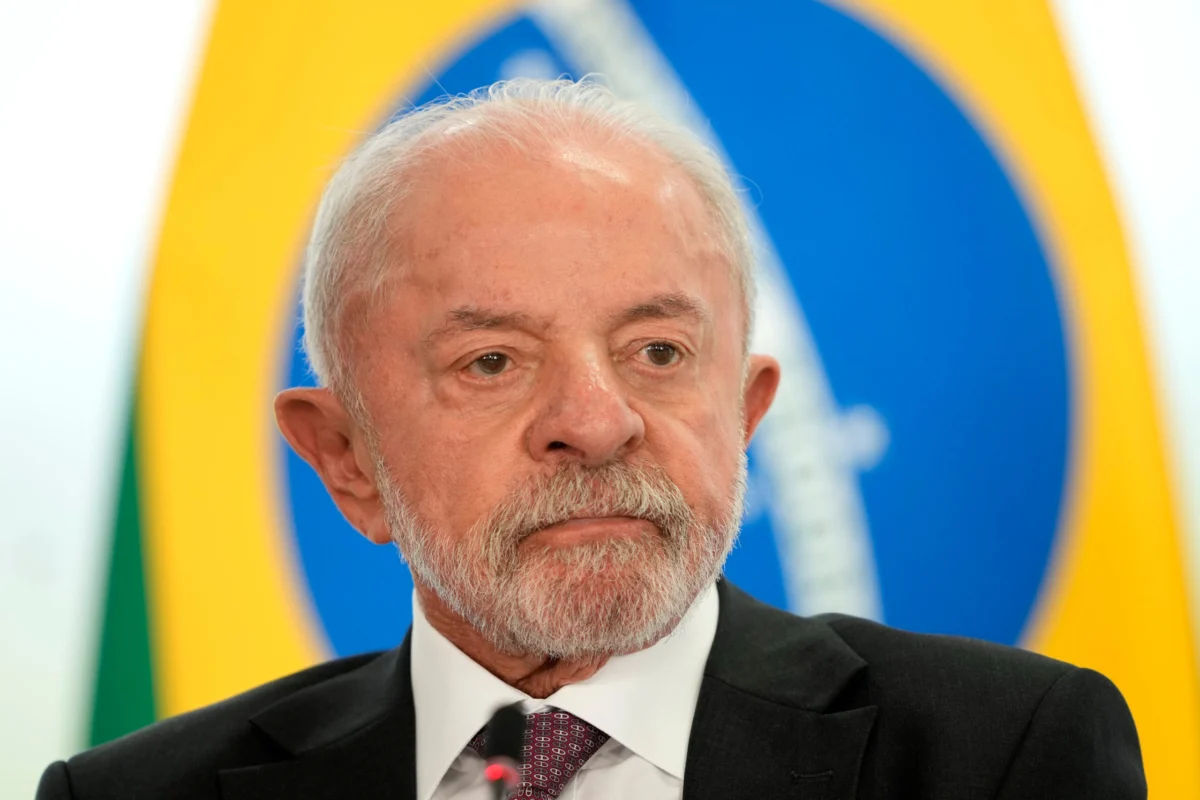
Brazilian President Luiz Inácio Lula da Silva’s administration has unveiled a significant 15 percent boost to the nation’s flagship poverty alleviation program, Bolsa Família, just months before a pivotal presidential election scheduled for October. The move, framed as a necessary adjustment to combat inflation’s erosion of purchasing power, aims to bolster the economic security of millions of low-income families and is seen as a strategic play in the increasingly competitive political landscape.
The announcement came from the capital, Brasília, where President Lula was joined by key government ministers to detail the enhancements to the Bolsa Família program. Effective next month, the minimum monthly benefit will rise from 600 reais (approximately $116) to 691 reais (approximately $134). This increase represents a direct effort to counteract the rising cost of living that has disproportionately affected the nation’s most vulnerable citizens since the beginning of 2023.
Lula’s Reelection Bid and the Bolsa Família Legacy
President Lula, a figurehead of Brazil’s leftist movement, emphasized the transformative impact of Bolsa Família, highlighting its role in improving the lives of millions. "This is a program that has changed the lives of millions of Brazilians," Lula stated in a social media post, underscoring the dual purpose of the benefit increase: providing essential income for daily necessities and stimulating economic activity through increased consumer spending. He further articulated the program’s broader objective, stating, "It’s income to put food on the table. It’s money circulating in the economy. It’s more dignity for Brazilian families."
The president is currently facing a formidable challenge from the political right, primarily from Flavio Bolsonaro, son of former far-right President Jair Bolsonaro. Recent polling data indicates a near dead heat between the two candidates heading into the first round of voting on October 4, making every policy decision and public gesture a critical element of the electoral strategy. The Bolsa Família increase is widely interpreted as an effort to solidify support among the working class and those who have benefited from the program.
Economic Considerations and Inflationary Pressures
Despite facing challenges related to rising debt servicing costs, the Lula administration asserts that the welfare expansion will be accommodated within the current fiscal framework. Finance Minister Dario Durigan confirmed that the existing budget is sufficient to cover the increased benefits without necessitating additional expenditures. This assurance aims to preempt criticisms regarding fiscal responsibility and the potential for an expanded deficit.
Planning Minister Bruno Moretti elaborated on the economic rationale, explaining that the higher cash benefits are designed to help citizens maintain their purchasing power amidst escalating prices. He provided specific figures, noting that inflation from the program’s relaunch in March through August had reached 15.04 percent. This data point underscores the urgency and perceived necessity of the benefit adjustment to restore lost economic ground for recipients.
Historical Precedents and Electoral Strategies
Benefit adjustments for social welfare programs in Brazil are not uncommon, and historical patterns reveal that governments, including conservative administrations, have often implemented such increases in the lead-up to elections. Notably, prior to the 2022 presidential election, Jair Bolsonaro’s government significantly boosted cash payments, with total disbursements amounting to approximately 273 billion reais ($52 billion) over 2022 and 2023, according to an analysis by Reuters. This historical context suggests that such measures are a recurring feature of Brazilian electoral politics, employed by various administrations to influence voter sentiment.
The projected cost of the new financial aid increase is substantial, estimated at 5.8 billion reais ($1.13 billion) for 2026 and an additional 22 billion reais ($4.27 billion) for 2027. These figures highlight the significant fiscal commitment the government is undertaking with this policy.
The Enduring Impact of Bolsa Família
The Bolsa Família program itself is deeply intertwined with the political legacy of President Lula and his Workers’ Party (PT). It represents a cornerstone of Lula’s vision for Brazil, one that seeks to harmonize political democracy with robust social and economic policies aimed at eradicating poverty and reducing inequality. The program’s structure targets households with a monthly income of 218 reais ($42) or less, providing crucial assistance to millions of impoverished families across the vast South American nation.
Beyond the immediate economic relief, the program is credited with fostering social mobility and improving access to education and healthcare for children in beneficiary families. Its enduring presence in Brazilian social policy underscores its significance as a tool for addressing systemic economic disparities.
Broader Economic Relief Measures Under Consideration
In parallel with the Bolsa Família expansion, the Brazilian government is also exploring other avenues to alleviate financial strain on citizens. In a recent interview with the Brazilian newspaper Extra, Finance Minister Dario Durigan indicated that the administration is considering a debt relief proposal. This initiative aims to reduce the burden on borrowers, offering a potential pathway for individuals and families to restructure their debts and regain financial stability.
"It is about making it possible for people who today have more jobs, more income and greater access to quality services to start over," Durigan was quoted as saying. This broader approach to economic relief suggests a comprehensive strategy to boost household finances and foster a more secure economic environment for a larger segment of the population. The success of these measures, both the direct welfare increases and potential debt relief, could significantly influence the electoral outcome and the trajectory of Brazil’s economic policies in the coming years. The intertwining of social welfare, economic stability, and electoral politics continues to be a defining characteristic of Brazil’s national discourse.