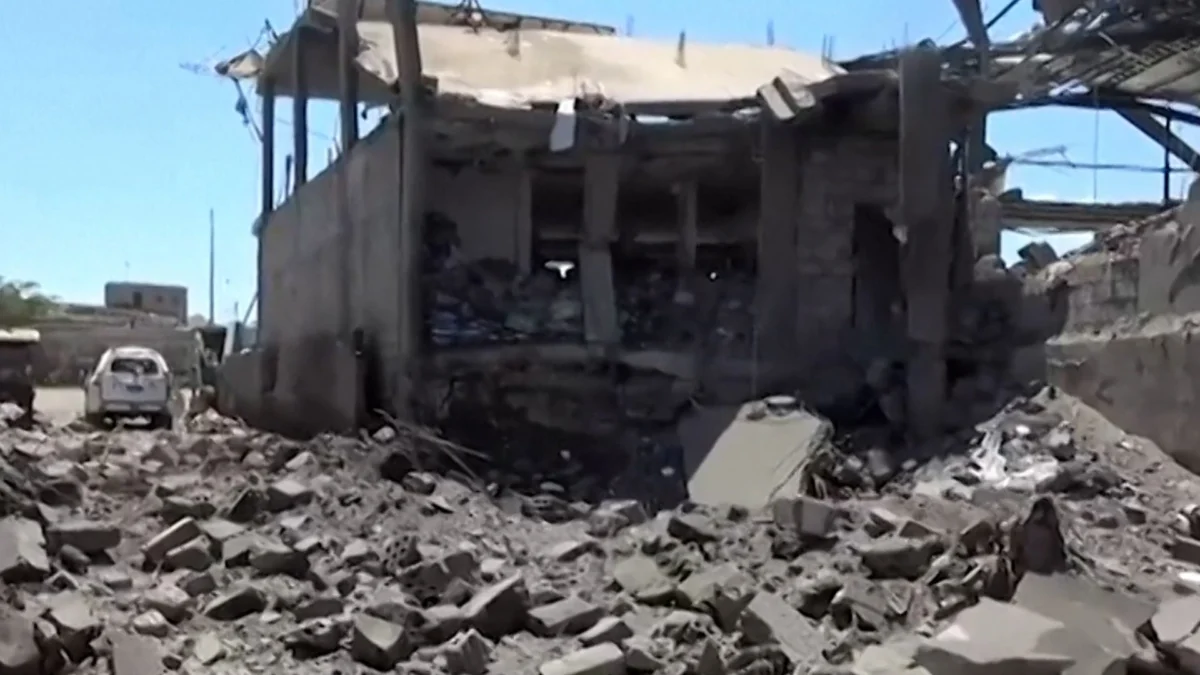
A brutal aerial assault on a bustling marketplace in Yemen’s southwestern city of Taiz on September 27, 2026, resulted in the deaths of at least seven civilians and left approximately 40 others wounded, according to initial reports from Houthi authorities. The incident has further inflamed the protracted conflict in Yemen, raising urgent questions about accountability and the protection of non-combatants.
Escalation in Taiz: A City Under Siege
Taiz, a strategically important city, has been a focal point of the ongoing civil war that has ravaged Yemen for years. The city has endured a prolonged siege, with Houthi forces controlling key access points and government-aligned troops and their allies fighting to maintain control. The market, a vital hub for commerce and daily life, was reportedly crowded with shoppers when the strike occurred, amplifying the tragic loss of life and the extent of injuries.
The nature of the strike and the specific perpetrator remain subjects of intense dispute, a common characteristic of reporting from the war-torn nation. Houthi officials swiftly attributed the attack to forces allied with the internationally recognized Yemeni government. They claimed that Houthi fighters had established a military camp in close proximity to the market, suggesting the strike was an attempt to target military assets.
However, sources within the Yemeni government have presented a conflicting narrative. They assert that Houthi fighters were the ones operating military installations near the market, implying that the strike was either a deliberate targeting of civilians or a catastrophic miscalculation by Houthi forces themselves. The inherent difficulty in independently verifying these claims stems from restricted access to the ground, ongoing hostilities, and the deliberate obfuscation often employed by warring factions.
The Human Cost of Conflict
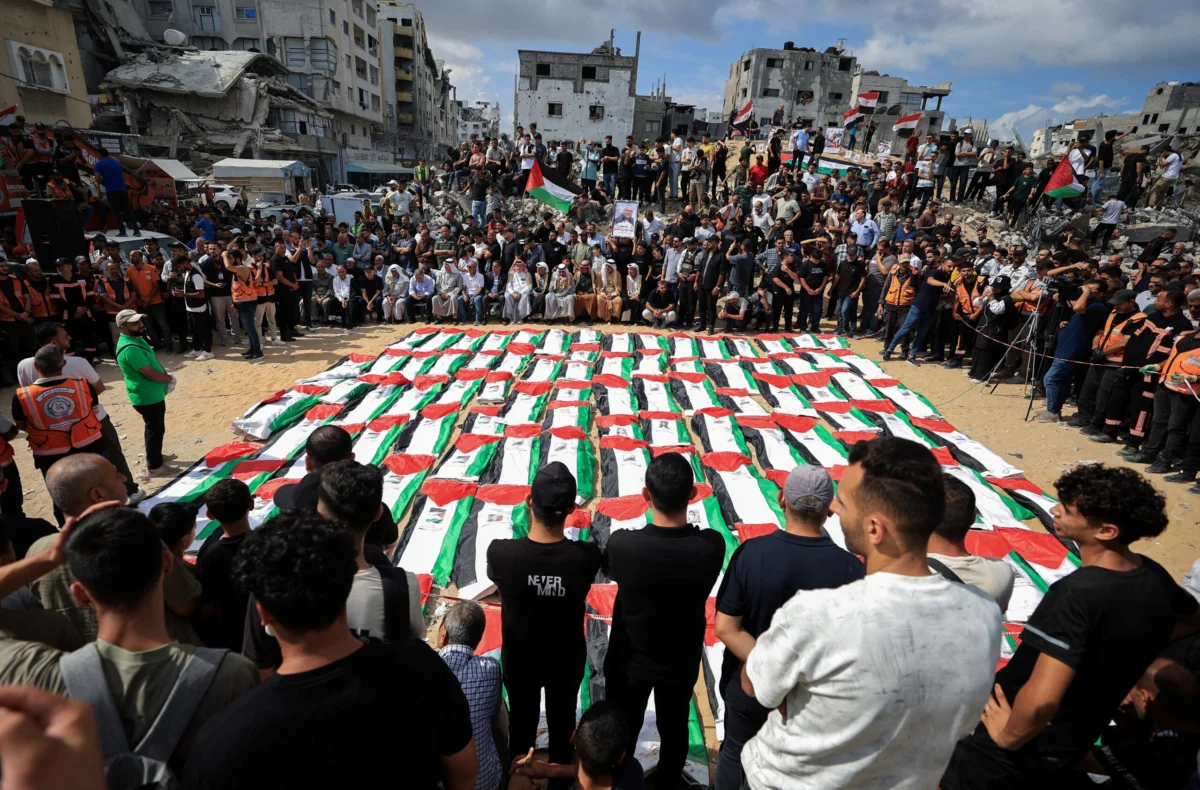
The immediate aftermath of the strike was characterized by chaos and desperation. Local medical facilities, already strained by years of conflict and resource scarcity, were overwhelmed with casualties. Eyewitness accounts, pieced together from limited sources, describe scenes of devastation, with makeshift efforts to rescue the injured from the rubble and transport them to hospitals. The wounded suffered a range of injuries, from shrapnel wounds to severe burns, with the condition of many described as critical.
The loss of life has sent shockwaves through the already traumatized population of Taiz. For a city that has endured years of blockade, intermittent fighting, and a severe humanitarian crisis, this strike represents another agonizing blow. The market, a place typically associated with sustenance and community, transformed into a scene of profound grief and loss. Families are now grappling with the sudden absence of loved ones, and many survivors face long and uncertain recoveries, both physically and psychologically.
Background to the Yemen Conflict
The Yemeni civil war, which erupted in late 2014, pits the Houthi movement, an Iran-aligned group, against the government of President Abd Rabbuh Mansur Hadi, supported by a Saudi-led coalition. The conflict has plunged Yemen into what the United Nations has described as the world’s worst humanitarian crisis, with millions facing starvation, disease, and displacement. Taiz, in particular, has been a critical battleground, characterized by intense fighting and a severe blockade that has hampered the delivery of essential aid.
The city’s strategic importance lies in its location, controlling key trade routes and offering access to vital ports. Control over Taiz has been fiercely contested, leading to prolonged periods of intense urban warfare and a devastating impact on its civilian infrastructure. The market that was struck is more than just a place of commerce; it is a symbol of the resilience of the Yemeni people who continue to strive for normalcy amidst relentless violence.
Unraveling the Truth: Challenges in Verification
Independent verification of events in Yemen is notoriously difficult. The Houthi administration, which controls significant parts of the country including Taiz, often restricts access for international journalists and monitors. Similarly, the Saudi-led coalition and its Yemeni allies have also been accused of limiting transparency. This lack of unfettered access allows for competing narratives to flourish, making it challenging for the international community to ascertain the precise circumstances of attacks and hold perpetrators accountable.
The conflicting claims regarding the military camp near the market highlight this challenge. If Houthi forces were indeed operating a military installation adjacent to a civilian area, it raises questions about their adherence to international humanitarian law, which mandates the protection of civilians and civilian objects. Conversely, if government-aligned forces or their allies conducted the strike, and civilian casualties were a direct result, it would represent a grave violation of the principles of distinction and proportionality in warfare.
International Reactions and Calls for Accountability
News of the deadly strike in Taiz has elicited widespread condemnation from international bodies and humanitarian organizations. The United Nations, which has been attempting to broker a peace deal in Yemen, has reiterated its commitment to finding a peaceful resolution to the conflict. However, such incidents underscore the immense challenges facing these diplomatic efforts.
Human rights groups have renewed their calls for an independent and thorough investigation into the attack. They emphasize the urgent need for accountability for any violations of international law, regardless of the perpetrator. The international community faces a persistent dilemma: how to exert pressure for peace and justice in a conflict zone where verifiable information is scarce and the stakes are extraordinarily high.
The ongoing violence in Yemen, marked by incidents like the market strike, further jeopardizes the fragile humanitarian situation. Aid agencies have repeatedly warned that any disruption to supply lines or further destruction of infrastructure can have catastrophic consequences for a population already on the brink. The market, a source of food and livelihood for many, represents a critical component of the local economy and a vital lifeline for the community. Its destruction, and the loss of life within it, has far-reaching economic and social implications.
The Broader Implications for Yemen
The strike in Taiz is not an isolated incident but rather a grim illustration of the pervasive brutality of the Yemen conflict. Each such attack erodes trust, deepens animosity, and makes the prospect of a lasting peace more distant. The targeting of civilian infrastructure, whether intentional or not, has a devastating psychological impact on the population, fostering a sense of pervasive insecurity and despair.
The international community’s response to such events is crucial. A strong, unified stance condemning attacks on civilians and demanding adherence to international humanitarian law is essential. However, translating this condemnation into tangible action, such as through robust investigations and accountability mechanisms, remains a significant hurdle. The ongoing arms sales to parties involved in the conflict also complicate efforts to de-escalate and promote peace.
A Glimmer of Hope or a Descent into Deeper Conflict?
As the dust settles over the devastated marketplace in Taiz, the immediate focus remains on tending to the wounded and comforting the grieving. Yet, the long-term implications of this strike are profound. It serves as a stark reminder of the human cost of this protracted war and the urgent need for a cessation of hostilities.
The competing narratives surrounding the attack highlight the information vacuum that often engulfs conflicts, making it imperative for all parties to allow for unimpeded access for independent observers and journalists. Without transparency and accountability, the cycle of violence and mistrust is likely to continue, further entrenching the suffering of the Yemeni people. The international community must redouble its efforts to find a political solution that prioritizes the protection of civilians and addresses the root causes of the conflict. The events in Taiz demand not just immediate aid, but a renewed commitment to a lasting peace.