
The revelation came during an August 3, 2026, episode of the "Dumb Blonde" podcast, hosted by Bunnie Xo, where Richards admitted the post-operative pain was "no freaking joke." Her transparency sheds light on the often-glamorized world of cosmetic procedures, emphasizing that the journey to a rejuvenated appearance can involve significant physical hardship. This candid account provides a rare glimpse into the less-discussed aspects of celebrity plastic surgery, moving beyond the polished "after" photos to acknowledge the demanding recovery process.
The Intensities of Facelift Recovery
Richards underwent a comprehensive facelift procedure in late June 2025, a decision that evolved from an initial consideration of a more localized treatment. Her description of the first night post-operation as the most challenging underscores the acute nature of immediate surgical recovery. Facelifts, particularly full procedures involving multiple areas, are major surgeries that necessitate careful management of pain, swelling, and bruising. Patients often experience significant discomfort as nerve endings and tissues begin to heal. The intensity of pain can vary widely among individuals, but Richards’ strong emphasis suggests a particularly difficult experience, which resonates with other public figures who have spoken about their own post-surgical journeys.
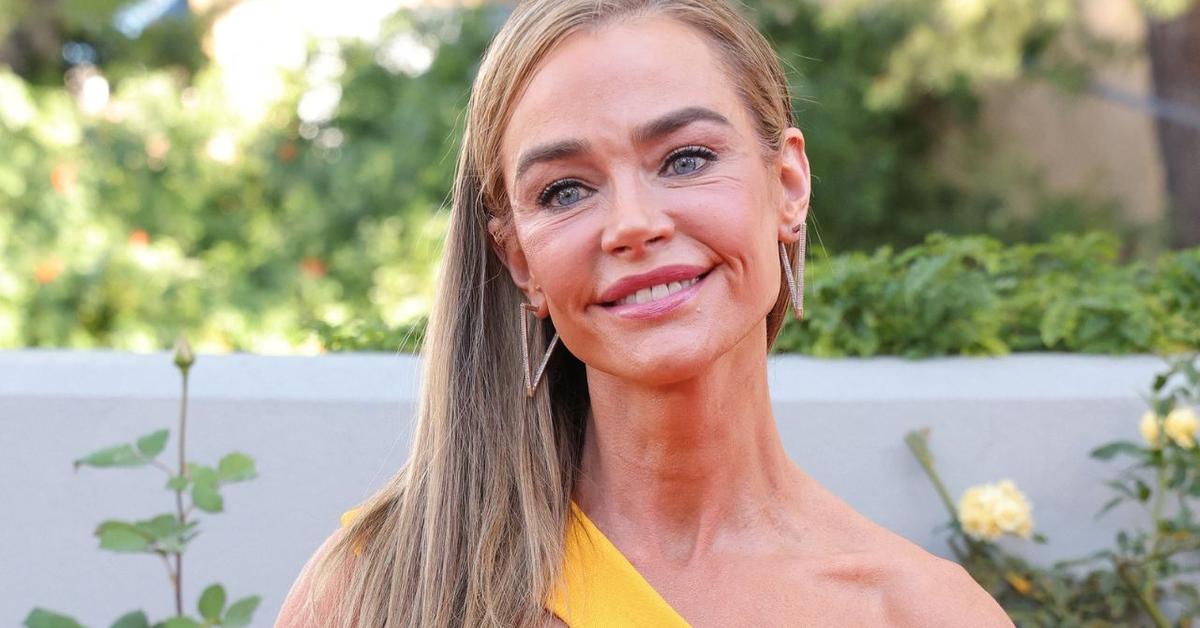
Beyond the immediate pain, common aspects of facelift recovery include drainage tubes, compression garments, and restricted movement, all contributing to a challenging period. Numbness, as Richards mentioned still experiencing under her chin, is also a frequent and sometimes long-lasting side effect due to nerve disruption during the procedure. This sensory alteration can take months or even longer to resolve, adding another layer to the recovery narrative.
Navigating the Decision for Extensive Facial Procedures
The path to Richards’ full facelift was not straightforward. Initially, the actress considered a more limited procedure, focusing solely on her neck. However, advice from a close, "very well-known" friend, who chose to remain anonymous about her own cosmetic work, prompted Richards to reconsider. This friend suggested undertaking "the whole thing," implying a more integrated approach to facial rejuvenation. Richards admitted to initial apprehension, stating, "I don’t want to do the whole thing. I was scared." Her fear is a common sentiment among individuals contemplating extensive cosmetic alterations, often stemming from concerns about the invasiveness of the surgery, the recovery process, and the potential for an unnatural outcome.
After thorough research and consultation, Richards ultimately decided to address multiple areas of her face. Her comprehensive plan included a neck lift, lower face lift, upper face lift, a brow lift, and surgery on her upper eyelids. This decision reflects a common understanding in aesthetic medicine: that treating the face as a cohesive unit often yields more harmonious and natural-looking results than isolated procedures. Richards articulated this perspective with an apt analogy, likening it to remodeling a house where "you do one room and the room looks great, but it doesn’t match the rest of the house." This holistic approach aims to ensure that all facial features age gracefully and proportionally, preventing a disjointed appearance where one area looks significantly younger or tighter than another.
Hollywood’s Pressure and the Quest for Youthful Aesthetics
The entertainment industry places immense pressure on its stars, particularly women, to maintain a youthful and flawless appearance. This constant scrutiny often compels public figures like Denise Richards to consider cosmetic interventions. Richards confessed that prior to this major surgery, her only forays into aesthetic treatments were "a little botox" and "some fillers." Interestingly, she noted that these minor enhancements sometimes made her feel less confident about her image, suggesting that piecemeal or temporary solutions might not always address deeper aesthetic concerns or provide the desired comprehensive rejuvenation.
Her choice to pursue a full facelift, despite previous reservations, illustrates a shift in her mindset. Richards acknowledged her past stance, stating, "I always thought I wouldn’t get a facelift, and I’m one that says, ‘Never say never.’" She had concerns about "not look[ing] like myself," a fear shared by many contemplating such procedures. However, the realization that "success in Hollywood can also highlight perceived flaws" became a driving factor. This candid admission speaks volumes about the relentless visual demands of a career in the public eye, where every detail of one’s appearance is often amplified and critiqued. The desire to align one’s outer appearance with an inner sense of self, or to meet professional expectations, can lead to significant decisions regarding aesthetic surgery.
The Surgical Process and Post-Operative Realities
Richards entrusted her aesthetic transformation to Dr. Ben Talei, a renowned facial plastic surgeon. Her confidence in his expertise was evident, as she described him as "the artist" and gave him creative freedom, saying, "’Do what you want to do.’" This level of trust is crucial in complex cosmetic procedures, where the surgeon’s skill and artistic vision play a pivotal role in the outcome. Richards’ decision was informed by reviewing numerous "before-and-afters" of Dr. Talei’s work, a standard practice for prospective patients seeking to evaluate a surgeon’s capabilities and aesthetic style.

The specifics of her procedures, including a brow lift and upper lid surgery, inherently involve incisions on the scalp and around the eyes. These areas are particularly sensitive and can contribute significantly to post-operative pain and recovery time. Scalp incisions from a brow lift, for example, can be tender and require careful management, while eyelid surgery can lead to considerable swelling and bruising, temporarily impairing vision and daily activities. Her lingering numbness under the chin is a testament to the extensive nature of the work, highlighting that full recovery is a gradual process that extends far beyond the initial acute pain phase.
Beyond the Scalpel: Psychological Aspects of Recovery
The physical discomfort of facelift recovery is often accompanied by significant psychological challenges. The initial swelling, bruising, and restricted mobility can be isolating and emotionally taxing. Bunnie Xo, who shared her own experience of undergoing a similar plastic surgery in March, echoed Richards’ sentiments regarding the difficulty of recovery. "It was a lot and so freaking painful," Xo recounted, adding, "I don’t think people realize how big of a surgery it is." Xo even admitted to needing to "go into hiding for a little bit," a common coping mechanism for individuals who feel self-conscious during the more visually impactful stages of healing.
This need for social withdrawal underscores the profound personal impact of cosmetic surgery recovery. Patients often face a period of introspection and adjustment as their physical appearance undergoes a dramatic, albeit temporary, change due to swelling and discoloration. Managing expectations, both personal and external, during this vulnerable time is crucial for mental well-being. The support of friends, family, and professional medical teams becomes paramount in navigating these complex emotional waters.

Celebrity Openness and the Shifting Narrative of Cosmetic Surgery
Denise Richards’ decision to speak openly about her facelift recovery contributes to a growing trend of celebrity transparency regarding cosmetic procedures. Historically, plastic surgery in Hollywood was often shrouded in secrecy, with stars frequently denying or downplaying their enhancements. However, in recent years, a number of prominent figures have begun to share their experiences, fostering a more honest dialogue about aesthetic choices. This shift is partly driven by the rise of social media and podcasts, which offer platforms for direct communication with audiences, bypassing traditional media filters.
Such candid discussions, like Richards’ on "Dumb Blonde," can have a significant public impact. They demystify cosmetic surgery, providing a more realistic portrayal of the process, including its inherent discomforts and recovery periods. By sharing her "never say never" evolution and her ultimate satisfaction despite the pain, Richards offers a nuanced perspective that can inform and potentially influence individuals contemplating similar procedures. Her story highlights that aesthetic decisions are deeply personal, often driven by a complex interplay of self-perception, societal pressures, and the desire for personal confidence.
Long-Term Satisfaction and the Enduring Impact of Facelift Recovery
Despite the undeniable pain and discomfort, Denise Richards ultimately expressed happiness with her choice to undergo the extensive facial procedures. This long-term satisfaction is the ultimate goal of cosmetic surgery, outweighing the temporary hardships of recovery. Her willingness to endure the "roughest" parts speaks to the profound impact the results have had on her self-perception and confidence.
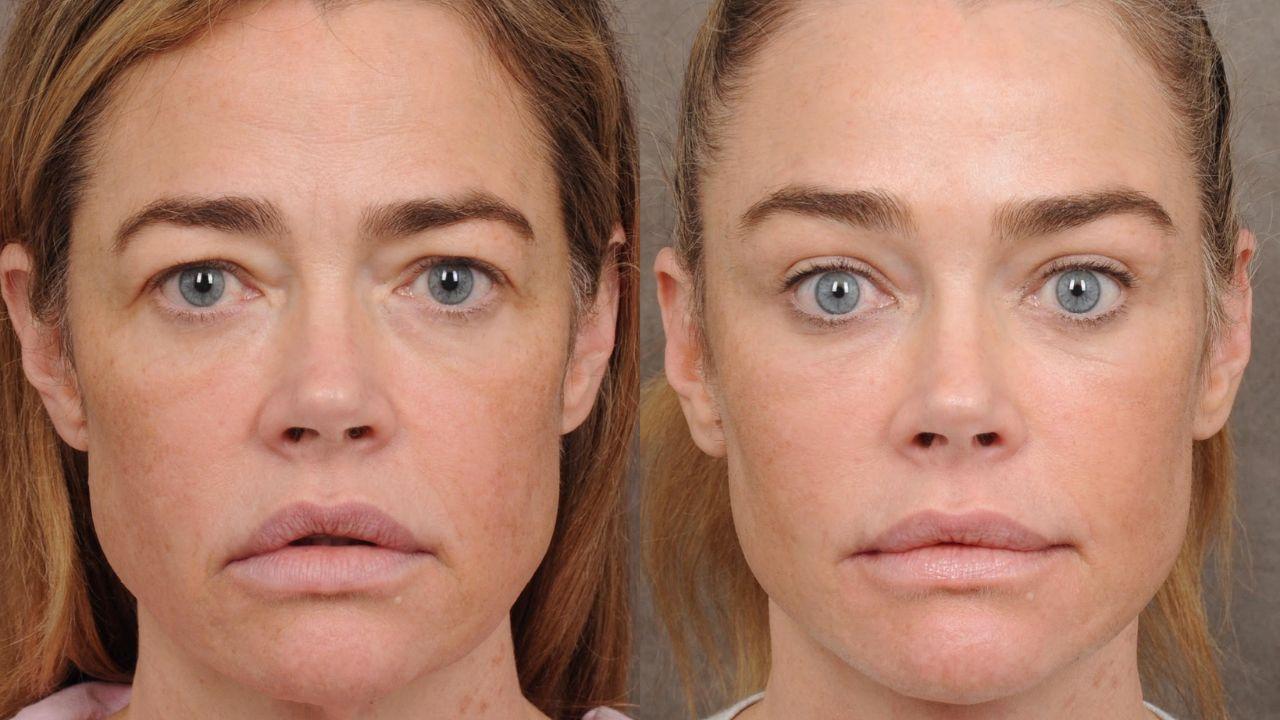
The continued experience of numbness under her chin serves as a reminder that the body’s healing process is intricate and can extend for months or even years. Such lasting effects are part of the reality of major surgical interventions. Richards’ detailed account, echoed by Bunnie Xo, reinforces the message that while cosmetic surgery can deliver desired aesthetic outcomes, it demands a commitment to a challenging recovery phase. This honest portrayal helps to set more realistic expectations for prospective patients, emphasizing that the journey to aesthetic enhancement is a significant undertaking, requiring both physical resilience and a clear understanding of the post-operative experience.