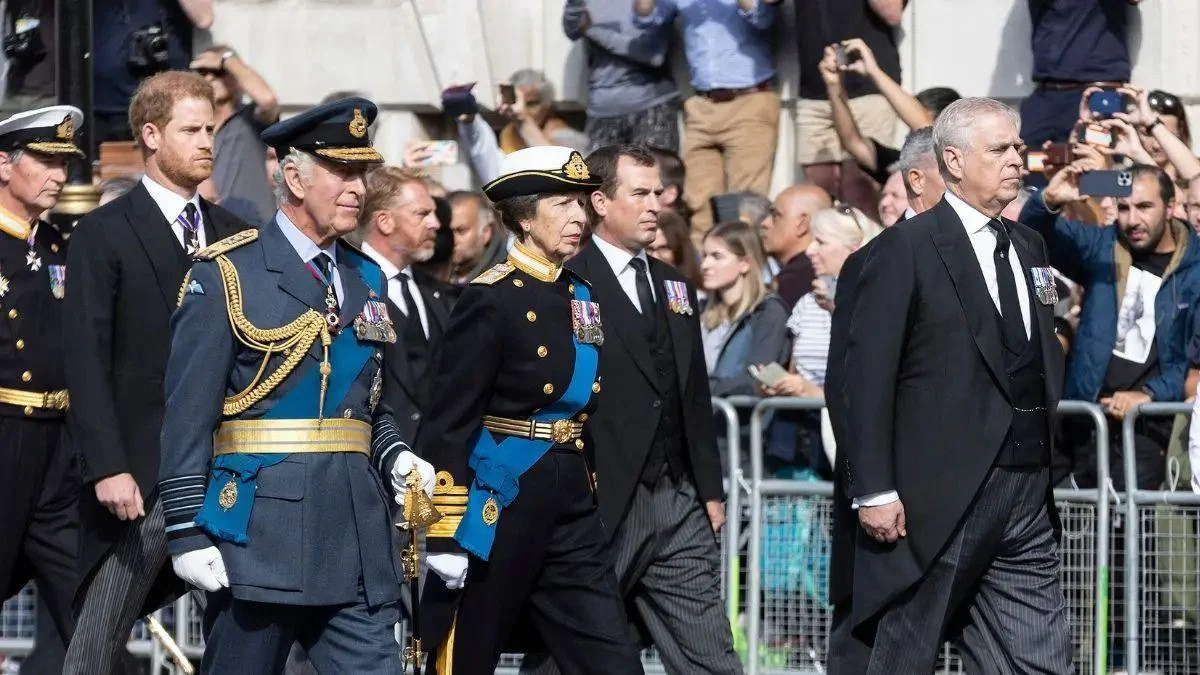
London, UK – Prince Andrew, the Duke of York, now stripped of his royal titles and style, was reportedly assigned the "awful" moniker of "Detainee A" by law enforcement during an 11-hour arrest last month on suspicion of misconduct in public office. The incident marks another significant low point for the former senior royal, whose public life has been consumed by his association with convicted sex offender Jeffrey Epstein. His detention and the subsequent designation underscore a dramatic fall from grace for a man once high in the line of succession.
The arrest occurred on February 19, which coincidentally marked Prince Andrew’s 66th birthday, at his residence on Wood Farm. Police held the former royal for nearly half a day before releasing him “under investigation,” a status indicating that inquiries are ongoing and a decision on formal charges has yet to be made. This development reignites scrutiny over his past conduct and the long shadow cast by his ties to Epstein.
The Humiliation of "Detainee A"
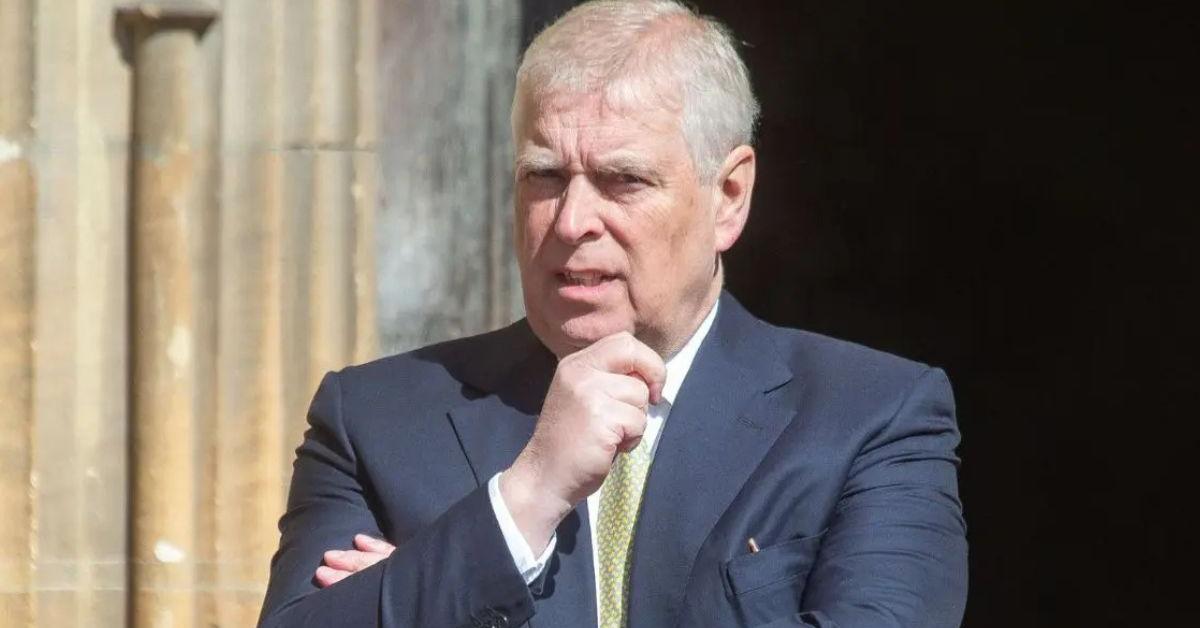
For a figure accustomed to being addressed with titles such as Prince, Duke, Earl, Baron, and Knight, the designation "Detainee A" carries immense symbolic weight. A source close to the situation reportedly highlighted the stark contrast, noting the profound shift from regal formality to a clinical identifier used in police procedure. This stark, impersonal label serves as a potent reminder of his dramatic fall from grace within the Royal Family and the broader public consciousness. The source commented on the irony, suggesting that even being called "plain ‘Andy’" once seemed an indignity, but this new label represented an even greater descent.
Investigation into Misconduct in Public Office
The specific nature of the police investigation centers on allegations that Prince Andrew, during his tenure as the UK’s Special Representative for International Trade and Investment (a role he held from 2001 to 2011), disclosed confidential government travel itineraries to Jeffrey Epstein. Such an act, if proven, could constitute misconduct in public office, a serious offense that pertains to a public official abusing their position for a private advantage or to the detriment of the public. This charge implies a breach of trust and responsibility inherent in his former diplomatic role.
The allegations claim that Andrew shared details of his official trips, including sensitive information regarding his movements and engagements. For a trade envoy, these itineraries would typically contain privileged and security-sensitive data, essential for diplomatic protection and national interest. The alleged sharing of such information with a private individual, especially one with Epstein’s criminal background, raises significant concerns about potential security compromises and ethical breaches.

The Enduring Shadow of Jeffrey Epstein
Prince Andrew’s legal and reputational troubles are inextricably linked to his long-standing friendship with Jeffrey Epstein, who was arrested in 2019 on sex trafficking charges and later died by suicide in prison. The Duke of York faced widespread condemnation for his association with Epstein, particularly after a disastrous 2019 BBC Newsnight interview where his responses to questions about his relationship with Epstein and accuser Virginia Giuffre were widely criticized as evasive and lacking empathy.
The controversy escalated when Virginia Giuffre filed a civil lawsuit against Andrew in the United States, alleging sexual abuse when she was a minor, claims he vehemently denied. While he ultimately reached an out-of-court settlement with Giuffre in 2022, the scandal had already caused irreparable damage to his public standing and his position within the Royal Family. The current police investigation into alleged misconduct further deepens the entanglement of his personal history with Epstein and his official duties.
Breach of Diplomatic Security and Trust

The accusation of sharing confidential travel details with Epstein carries grave implications beyond mere impropriety. As a trade envoy, Prince Andrew was privy to and responsible for safeguarding sensitive diplomatic and logistical information. Such data could potentially be exploited, risking national security or compromising foreign relations. The alleged action suggests a profound disregard for the protocols designed to protect British interests and personnel abroad.
The timing of these alleged disclosures in 2010 is particularly salient. By this point, Epstein had already faced legal troubles, including a 2008 conviction in Florida for soliciting a minor for prostitution. If Andrew knowingly shared confidential government information with a registered sex offender, it points to a severe lapse in judgment and potentially a serious breach of official conduct. This aspect of the investigation highlights the potential for his personal relationships to have jeopardized his public responsibilities.
The Erosion of Royal Status
The arrest and ongoing investigation come after a period of significant diminishment of Prince Andrew’s royal standing. In October 2025, following intense public pressure and the fallout from the Giuffre lawsuit, Buckingham Palace announced that Andrew would lose his military affiliations and royal patronages. Crucially, he was also stripped of his "His Royal Highness" (HRH) style and effectively ceased to be a working member of the Royal Family.
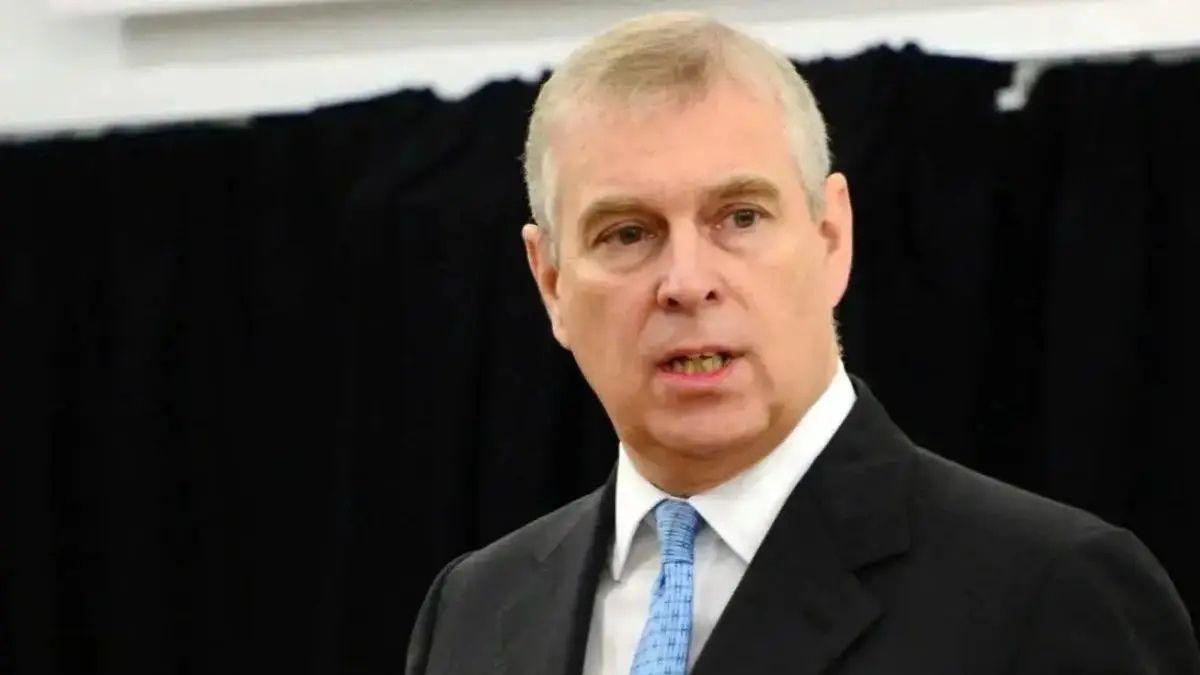
This move by the monarchy, largely orchestrated by his older brother, King Charles, aimed to distance the institution from the scandal and protect its image. The loss of these honors meant Andrew could no longer use the HRH title in any official capacity and was to face the civil case as a private citizen. The public perception of the monarchy had been severely tested, and these actions were seen as an attempt to restore public trust and uphold the integrity of the Crown.
Exile from Royal Lodge and New Protocol
Adding to his woes, Prince Andrew was reportedly evicted from his long-time residence, the 30-bedroom Royal Lodge, a property steeped in royal history within Windsor Great Park. This decision, also attributed to King Charles, was widely interpreted as a further indication of Andrew’s diminished status and the monarch’s desire to streamline royal finances and properties. He was subsequently relocated to a significantly smaller property on the Sandringham Estate, which has been described disparagingly as "shoebox-sized."
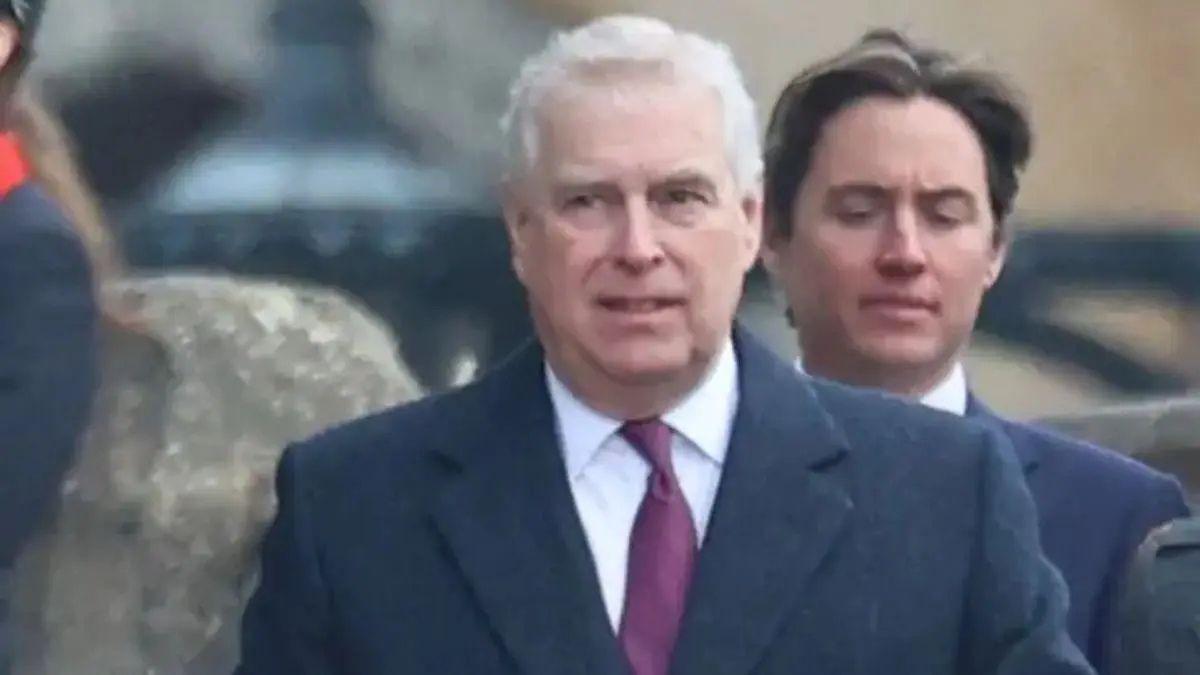
The move from Royal Lodge to a more modest dwelling underscored a practical and symbolic demotion. Accompanying this change was a new protocol for his remaining staff. Reports indicated that employees were in a state of "genuine uncertainty" regarding how to address the former royal. Clear guidance was eventually circulated, instructing staff to formally address him simply as "Sir," rather than his former princely or ducal titles. This seemingly minor adjustment carried considerable symbolic weight, reinforcing the permanent downgrading of his official rank and his removal from the inner circle of the working Royal Family.
Broader Impact on the Monarchy
The ongoing legal troubles and public scrutiny surrounding Prince Andrew continue to pose challenges for the British monarchy. In an era where the institution is striving for modernization and transparency, the persistent shadow of scandal surrounding a prominent family member creates significant public relations hurdles. King Charles III has been keen to project an image of a leaner, more efficient monarchy, and the controversies involving his brother run counter to these efforts.
The investigation serves as a stark reminder of the monarchy’s vulnerability to individual conduct and the high standards of integrity expected of its members, even those who have stepped back from public duties. The Royal Family has weathered numerous storms throughout its history, but the digital age amplifies scrutiny and makes it more difficult to control narratives. The "Detainee A" branding, widely reported, further embeds a negative image in the public consciousness, impacting the collective reputation of the House of Windsor.
Next Steps in the Investigation
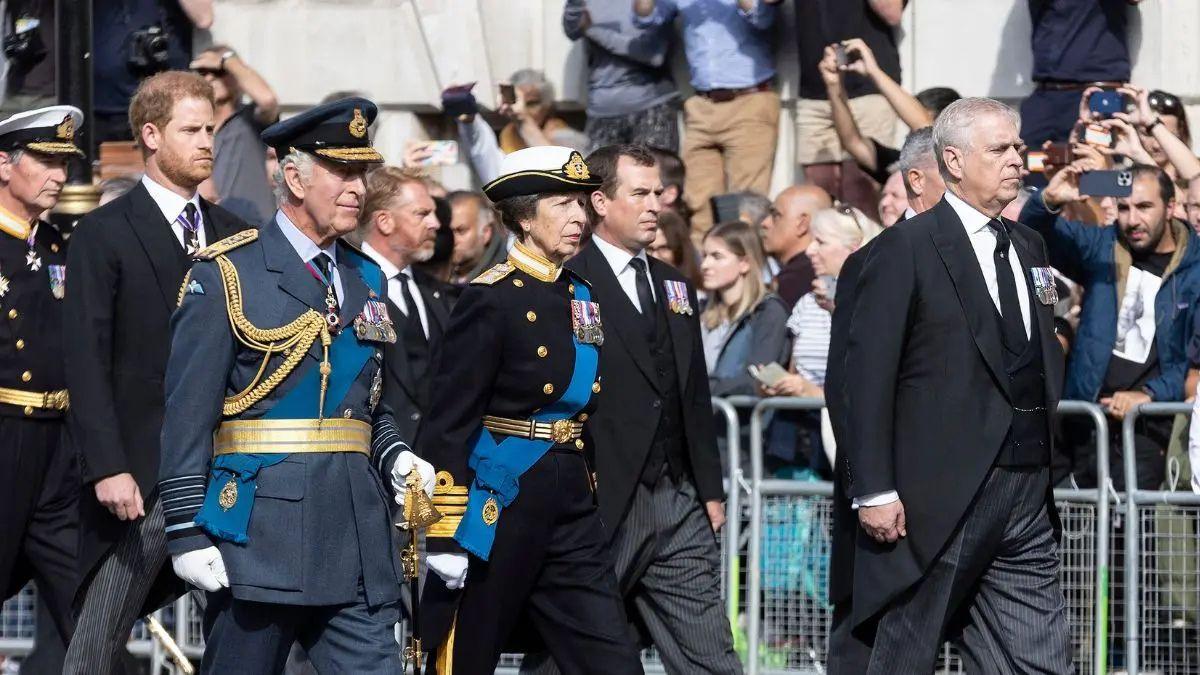
As Prince Andrew remains "under investigation," the future course of action rests with law enforcement. This status means that police are gathering further evidence and considering whether there is sufficient cause to formally charge him with misconduct in public office or any other related offenses. The process can be lengthy, and outcomes range from formal charges being brought to the investigation being dropped due to insufficient evidence.
The potential for criminal charges against a former senior member of the Royal Family is unprecedented in modern British history and would undoubtedly trigger immense legal and public interest. Regardless of the ultimate legal outcome, the incident has already inflicted further damage on Prince Andrew’s personal legacy and continues to serve as a painful chapter for the Royal Family. The saga underscores the lasting consequences of his controversial associations and the enduring efforts to hold powerful figures accountable for their actions, even those born into privilege.