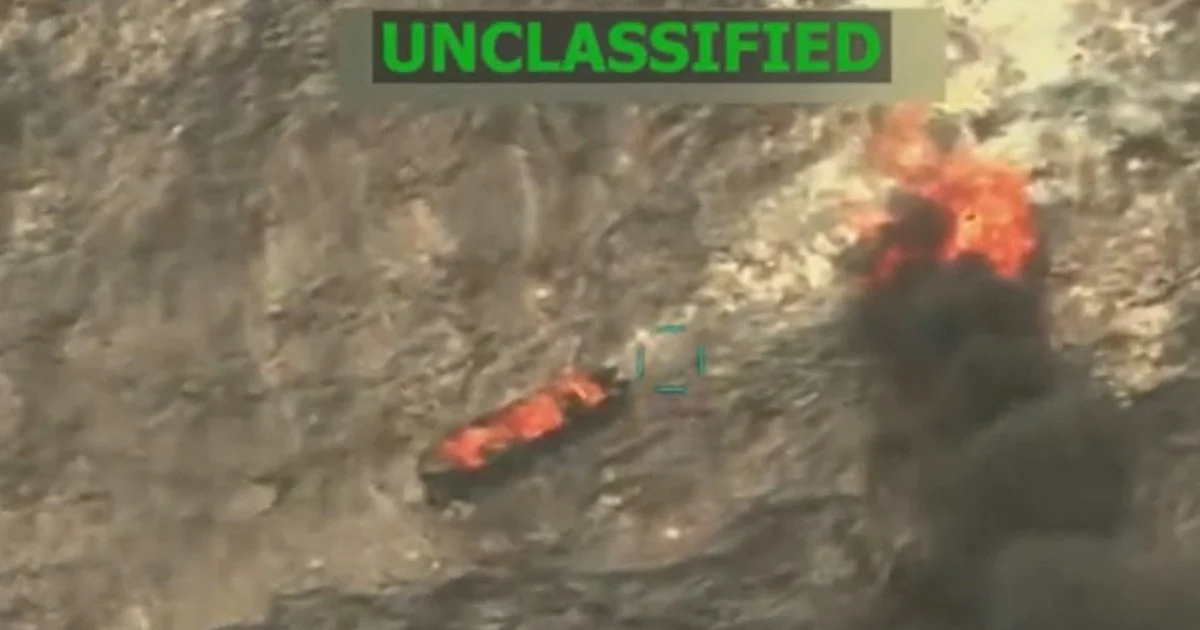
The United States military has confirmed a grim toll of at least 157 individuals killed in lethal strikes targeting alleged drug-trafficking vessels off the coasts of Latin America, a campaign that legal experts are denouncing as potentially extrajudicial killings. The revelations come as the Pentagon faces increasing scrutiny over its aggressive, militarized approach to interdicting illicit narcotics.
Escalating Campaign and Unforeseen Casualties
A senior defense official, Joseph Humire, disclosed in a written statement to members of the U.S. Congress that a total of 47 suspected “narco-trafficking vessels” have been struck since the maritime interdiction campaign commenced in September. These operations have primarily taken place in the strategic waters of the Caribbean and the Eastern Pacific, regions historically fraught with challenges related to drug transit and organized crime.
The revelation of the death toll has ignited a firestorm of concern among human rights advocates and international law scholars, who argue that the U.S. military’s actions may be transgressing established legal boundaries. The core of their argument rests on the distinction between legitimate acts of war and law enforcement operations, a line that critics contend is being dangerously blurred by the U.S. approach.
Questionable Efficacy and International Law Concerns
During a recent congressional hearing, lawmakers pressed for an assessment of the campaign’s impact on the flow of drugs into the United States. While Humire reported a 20 percent decrease in the movement of drug-trafficking vessels within the Caribbean, the effectiveness of these strikes in actually curtailing drug imports remains a subject of intense debate.
Representative Adam Smith, a vocal critic of the strategy, directly challenged the notion of success. “We’ve measured the decrease in the movement of the vessels,” Humire stated. “But that’s a no in terms of the drugs actually getting into the U.S.,” Smith retorted, underscoring the perceived disconnect between military action and tangible results in combating drug trafficking.
Legal experts have voiced profound skepticism regarding the long-term efficacy of these maritime strikes. Many argue that the campaign is not only failing to achieve its stated objective but is also actively undermining international legal norms. Under international law, the use of military force is permissible in contexts of armed conflict but is strictly prohibited for law enforcement purposes, such as interdicting suspected criminal activity.
The Shadow of Extrajudicial Killings
The designation of these operations as potentially “extrajudicial killings” stems from concerns that individuals on the targeted vessels may not have been afforded due process or the opportunity to surrender. The Pentagon has released videos on social media depicting the destruction of these vessels, often accompanied by claims of their involvement in drug trafficking. However, detailed information regarding the identities of those killed, their alleged roles, and concrete evidence substantiating their status as legitimate targets in an armed conflict has been conspicuously absent.
This lack of transparency fuels the argument that the strikes are, in effect, summary executions carried out without the legal safeguards typically associated with law enforcement or even military engagement in declared conflict zones. The ambiguity surrounding the operational parameters and the vetting of targets raises serious questions about adherence to international humanitarian law, including principles of distinction and proportionality.
Shifting U.S. Drug Policy: A Militarized Pivot
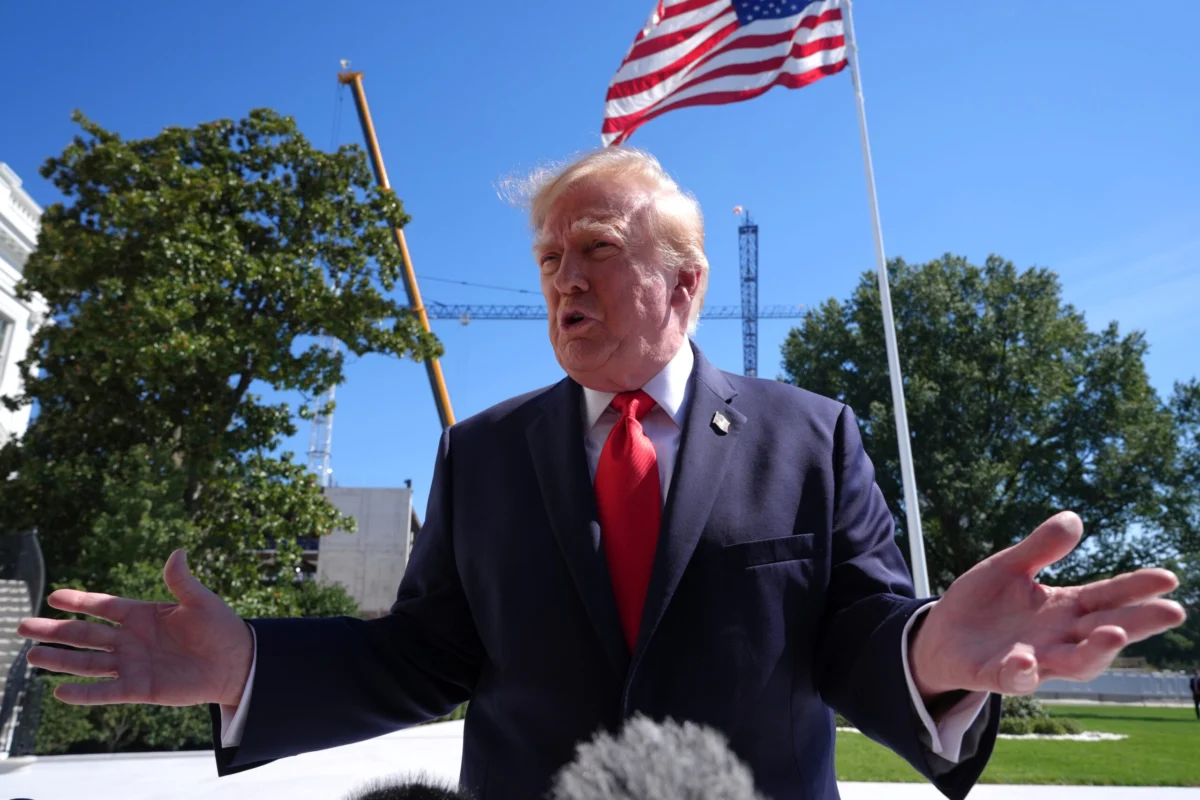
The aggressive maritime strikes represent a significant shift in the United States’ approach to combating international drug trafficking. The administration of U.S. President Donald Trump has demonstrably embraced a heavily militarized strategy, one that has facilitated an expansion of the U.S. military’s footprint and influence across Latin America. This approach prioritizes kinetic action over diplomatic solutions or broader public health strategies aimed at drug addiction.
This shift has been accompanied by increased pressure on regional governments to align with U.S. demands. The U.S. has intensified collaboration with allied nations such as Ecuador, while simultaneously issuing thinly veiled threats of military intervention against countries like Mexico and Colombia if they fail to adequately cooperate with U.S. objectives. This assertive posture has generated considerable friction and concern among sovereign nations in the region, who view it as an overreach of American power.
The Inter-American Commission on Human Rights Steps In
In response to the mounting controversy, the Inter-American Commission on Human Rights (IACHR) has initiated hearings to investigate the U.S. maritime strikes. Advocates and legal scholars involved in the proceedings hope that these hearings will serve as a crucial step towards establishing accountability for any potential violations of human rights and international law.
The IACHR’s involvement signals a growing international recognition of the gravity of the situation and the need for independent oversight. The commission, a principal organ of the Organization of American States, is tasked with promoting and protecting human rights in the Americas. Its scrutiny of the U.S. campaign could have significant implications for the future conduct of U.S. foreign policy and its commitment to international legal standards.
Broader Implications and Public Impact
The U.S. maritime strike campaign has far-reaching implications that extend beyond the immediate battlefield. It raises fundamental questions about the definition of warfare in the 21st century, particularly in the context of transnational criminal organizations. Critics argue that by treating drug trafficking as a matter of armed conflict, the U.S. is creating a dangerous precedent that could legitimize similar actions by other states in different contexts.
Furthermore, the human cost of these operations, with at least 157 confirmed fatalities, cannot be overlooked. While the Pentagon asserts that those targeted were involved in illicit activities, the lack of transparency surrounding the identities and alleged crimes of the deceased leaves room for significant doubt and fuels accusations of a disregard for human life. The potential for mistaken identity or the targeting of individuals with minimal involvement in drug cartels cannot be discounted without robust evidence.
The expansion of U.S. military operations in Latin America also carries geopolitical consequences. It can exacerbate existing tensions, undermine the sovereignty of regional partners, and potentially lead to unintended escalations. The perception of the U.S. as an interventionist power, employing military might to enforce its agenda, could erode diplomatic goodwill and foster resentment.
The Path Forward: Accountability and Reassessment
The ongoing scrutiny by the IACHR and the persistent questions from legal experts and lawmakers highlight the urgent need for a reassessment of the U.S. maritime strike strategy. The focus must shift towards ensuring transparency, accountability, and strict adherence to international legal principles.
Advocates are pushing for a comprehensive review of the intelligence gathering and targeting protocols employed in these operations. The demand for evidence demonstrating the direct involvement of targeted vessels in large-scale drug trafficking, and the absence of viable alternatives to lethal force, is growing louder. The ultimate goal for many is to prevent further loss of life and to ensure that U.S. foreign policy operations, even those aimed at combating illicit activities, are conducted within the bounds of established international law and with profound respect for human rights. The question remains whether the U.S. military will adapt its tactics in response to these growing concerns, or if the pursuit of a militarized solution will continue to overshadow legal and ethical considerations.