President Donald Trump, aged 80, recently reignited intense speculation regarding his physical well-being after a video circulated showing him appearing to struggle with his balance at a rally in Michigan. The incident, which occurred on Monday, July 27, at the General Motors Milford Proving Ground in Milford, Michigan, quickly went viral across social media platforms, drawing renewed scrutiny to the president’s health as he navigates his term.
The video, initially shared by his special assistant, Margo Martin, captured President Trump in an awkward posture while signing the hood of a white Corvette. He was seen hunched over with his knees bent inward, leaning heavily on the vehicle for support. As he disengaged from the car, he visibly paused, adjusted his feet, and appeared to momentarily struggle to regain his equilibrium and stand upright. This brief but noticeable moment was enough to trigger a fresh wave of public and media commentary on his physical stamina.
Ongoing Concerns About Presidential Health
The health of a sitting president is often a subject of intense public interest and political debate, and President Trump’s advanced age has placed his physical fitness under a constant spotlight. Throughout his presidency, both supporters and critics have closely observed his public appearances, gait, and posture for any signs of decline. These observations frequently become fodder for online discussion and are often amplified by political opponents seeking to question his capacity for the demanding role.
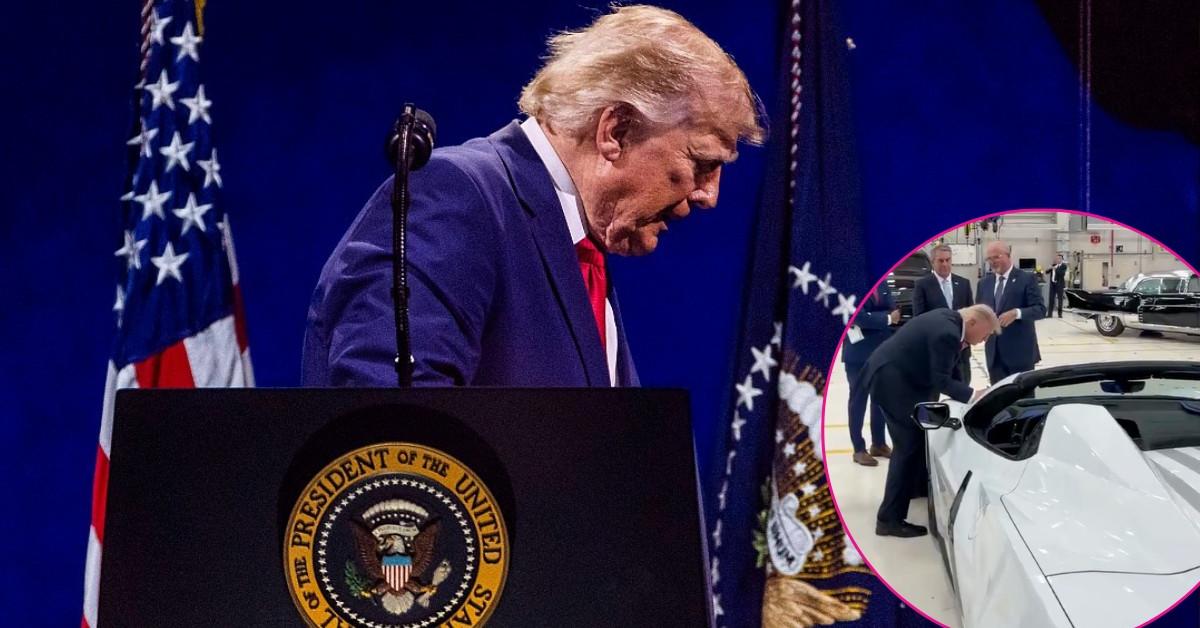
Concerns about President Trump’s health are not new. His campaign and White House staff have consistently sought to project an image of robust health, often releasing statements from his medical team attesting to his fitness. However, visible incidents like the recent one in Michigan tend to overshadow such assurances, prompting independent medical experts and the public to weigh in.
The Michigan Incident and Immediate Reactions
The event at the General Motors Milford Proving Ground was part of a broader visit aimed at highlighting the American auto industry. The outdoor setting and the presence of a significant crowd created a high-visibility environment for the president’s appearance. The video of President Trump’s momentary struggle quickly became a focal point, transcending its initial social media sharing to be picked up by news outlets.
Online, the clip generated a polarized reaction. Critics seized upon the footage as further evidence of what they perceive as declining physical capabilities, with some observers commenting on his "elderly shuffling" and noting that the "most energetic president in modern American history" appeared "a little stiff." Conversely, supporters dismissed the incident as overblown, attributing any visible discomfort to the challenging environmental conditions, such as extreme heat and humidity, which they argued affected many attendees at the outdoor event.
President Trump’s Disclosed Medical History

The latest incident follows a series of previously disclosed medical details and public observations that have fueled the ongoing health dialogue. In early 2025, the White House medical team confirmed that President Trump had been diagnosed with chronic venous insufficiency. This manageable vein condition is known to cause swelling and fluid accumulation, particularly in the lower legs. While described as manageable, such a diagnosis can contribute to overall physical discomfort and affect mobility, especially during prolonged standing or strenuous activity.
Prior to this, visible bruising on President Trump’s hands had drawn attention. White House doctors explained these marks as a side effect of a routine daily aspirin regimen, combined with the frequent handshakes inherent in his public role. These explanations, while medically plausible, often fail to fully quell public anxiety when combined with other visual cues of physical strain.
Expert Medical Perspectives on Presidential Health
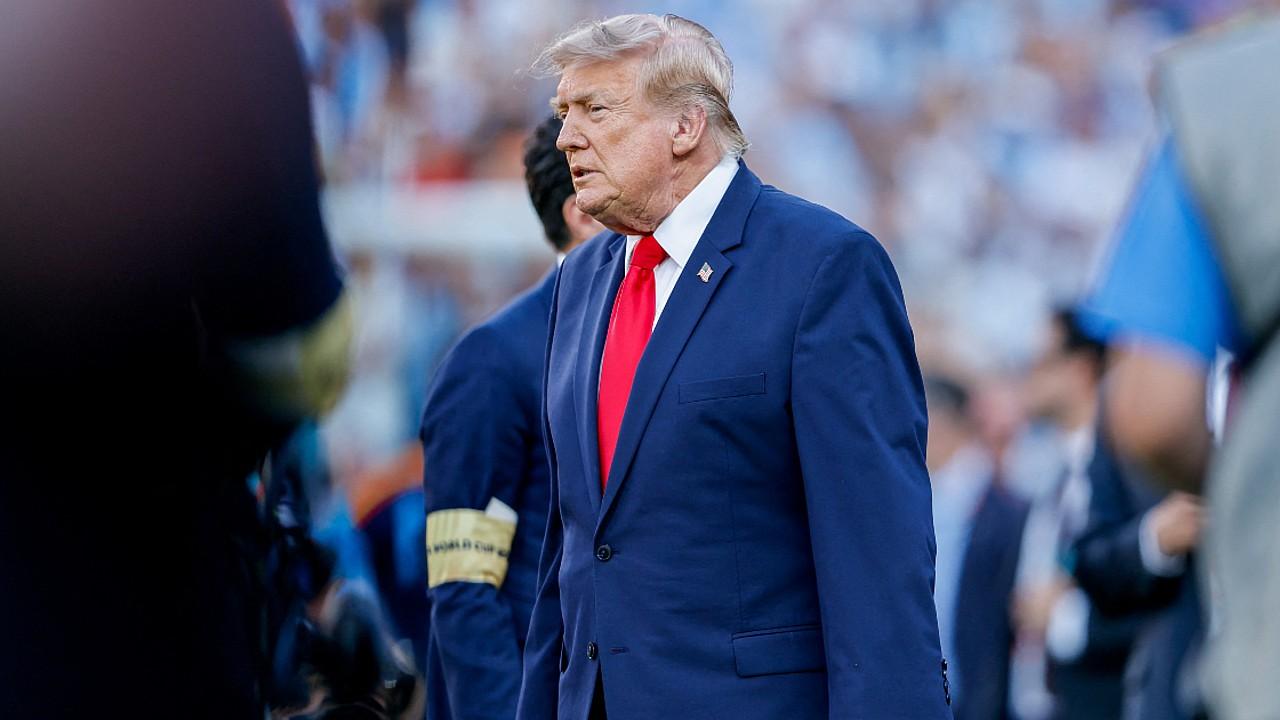
The recurrent nature of these health discussions has led prominent medical professionals to offer their insights. Dr. Jonathan Reiner, a leading cardiologist and CNN medical analyst, has been particularly vocal in raising "serious red flags" regarding the octogenarian president’s physical stamina and public struggles. Dr. Reiner, echoing a sentiment often heard among independent medical observers, has pointed to a perceived "lack of candor" from the White House regarding the president’s medical status.
"This White House just doesn’t seem to want to acknowledge any physical ailment, but older people develop medical issues, and the president is almost 80 years old. There seems to be a lack of candor from the White House," Reiner told The Washington Post, emphasizing the commonality of age-related health issues and the importance of transparency for a public figure of such stature. The public’s right to know about the health of their leader is a long-standing principle, particularly when physical or cognitive capabilities could impact governance.
White House and Campaign’s Official Stance
In response to the Michigan incident and the renewed scrutiny, President Trump himself addressed the conditions, attempting to downplay any concerns with humor. While speaking to the crowd inside the General Motors facility, he directly attributed any physical strain to the hot environment. "It is a little warm up here, but I love that because every time I make a speech I lose weight," he quipped, turning a potential health concern into a lighthearted remark about his physique.
White House spokesperson Kush Desai offered an official statement to The Daily Beast, framing the president’s actions in a positive light. "President Trump proudly signed a beautiful Made-in-USA Corvette with a level of strength and conviction that is matched only by his commitment to reviving the American auto industry. No president has done more for American autoworkers and automakers than President Trump," Desai stated, redirecting the narrative from health concerns to policy achievements and perceived presidential vigor.
Broader Implications for Public Perception and Political Discourse
The continuous cycle of public health incidents and subsequent speculation carries significant weight in the political landscape. For a president of advanced age, every public appearance is scrutinized not only for policy statements but also for visual cues about their physical and mental acuity. This level of examination can influence public perception, voter confidence, and the overall political narrative.
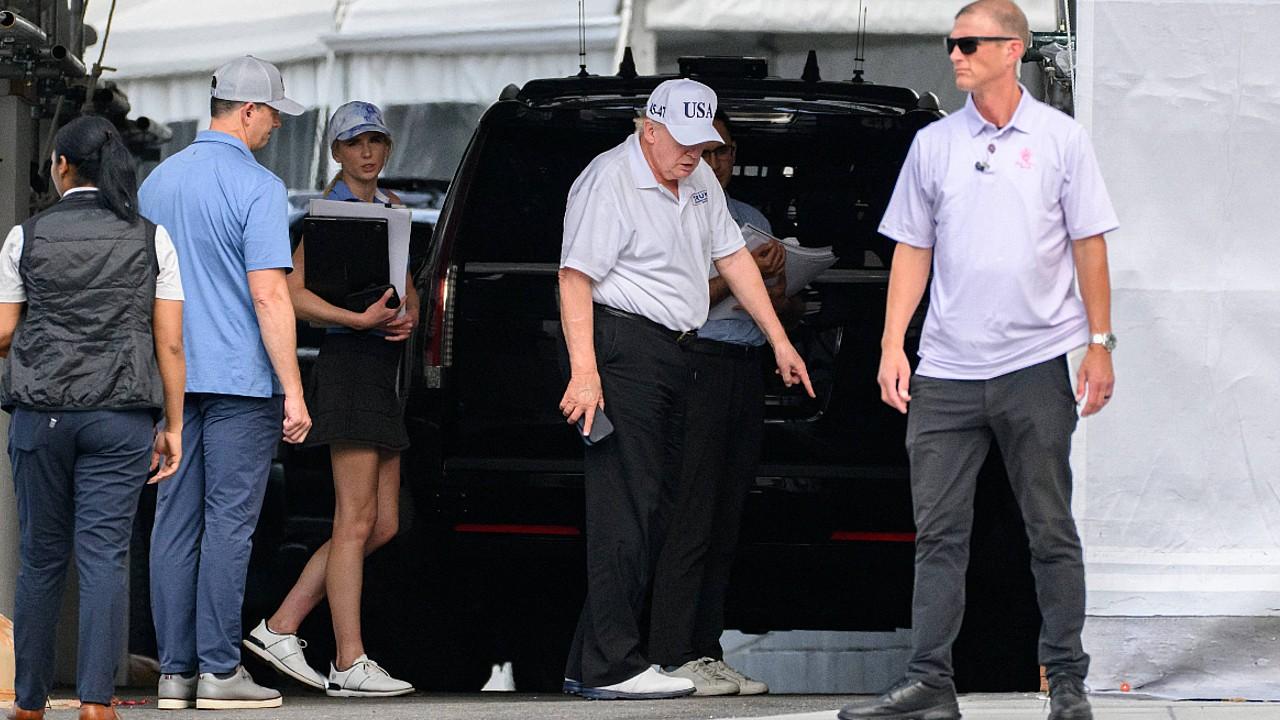
The advent of social media has significantly amplified the impact of such events. A brief, awkward moment can be captured, shared, and analyzed by millions within minutes, often without full context. This immediate and widespread dissemination means that even minor physical stumbles can become major talking points, forcing the White House or campaign to respond rapidly. The balance between protecting presidential privacy and ensuring public transparency remains a delicate and frequently debated issue.
Historical Context of Presidential Health Scrutiny
Historically, the health of U.S. presidents has always been a matter of public and historical record, often influencing national and international events. Presidents like Franklin D. Roosevelt, whose polio diagnosis was largely concealed, and Dwight D. Eisenhower, who suffered a heart attack in office, faced intense public and media attention regarding their physical conditions. More recently, questions about Ronald Reagan’s cognitive health in his second term sparked similar debates about transparency and fitness for office.
In an era of instant information, the pressure on the White House to be forthright about a president’s health is arguably greater than ever. The ongoing focus on President Trump’s health is part of this long-standing tradition, underscoring the public’s enduring interest in the well-being of the individual leading the nation.
As President Trump continues his term, his public appearances will undoubtedly remain a subject of close observation. The Michigan rally incident serves as another reminder of how quickly visual evidence can fuel widespread discussion and reignite persistent questions about the physical demands of the presidency and the health of its occupant. The debate over President Trump’s physical fitness is likely to persist, influencing perceptions and political discourse until he leaves office.