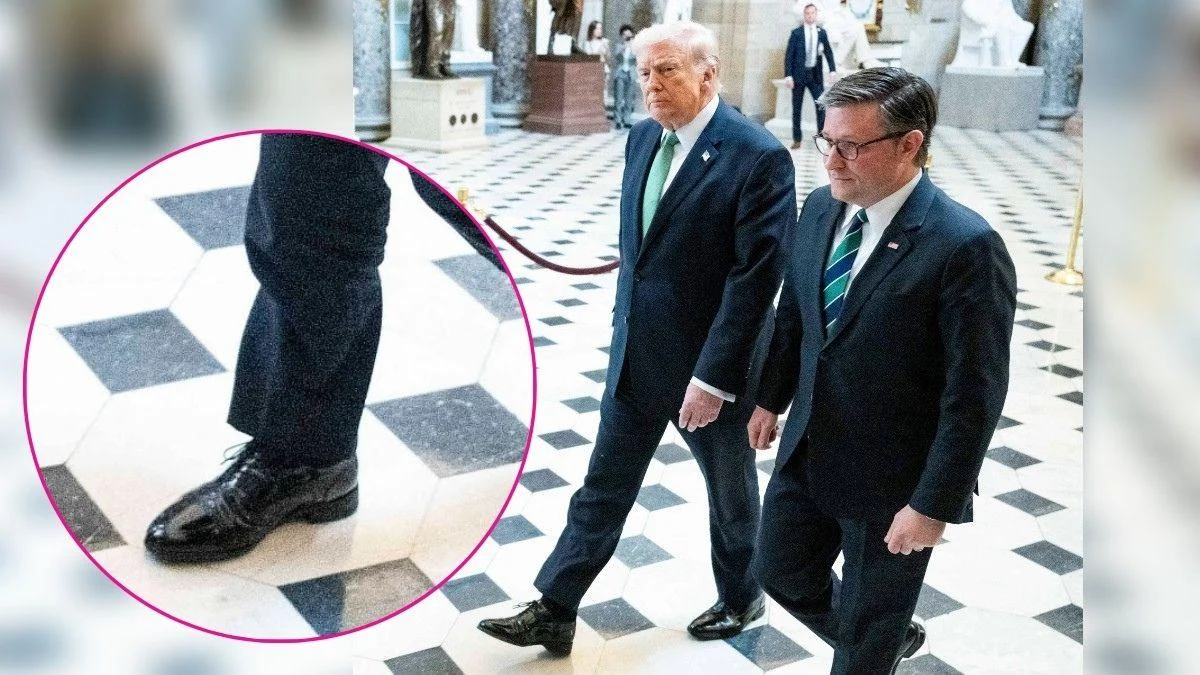
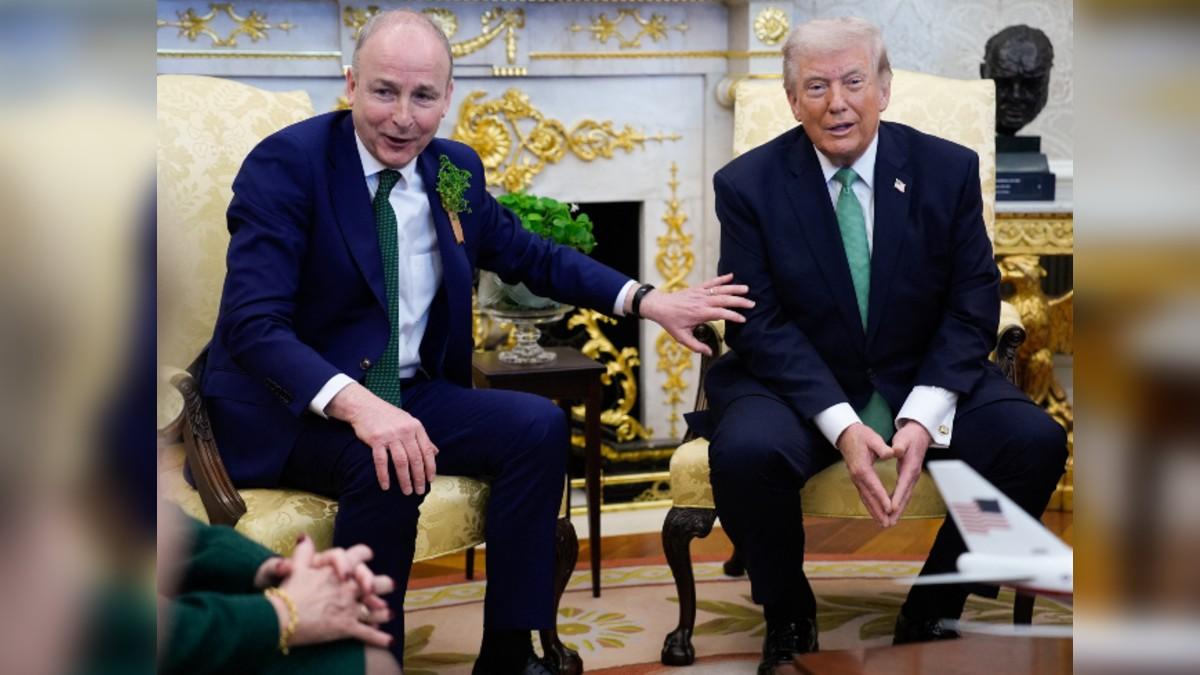
During a significant St. Patrick’s Day diplomatic engagement on March 17, President Donald Trump’s visibly swollen ankles, colloquially termed "cankles," drew considerable public and media attention, reigniting persistent questions about the 79-year-old president’s health. The observation occurred as Trump met with Irish Taoiseach Micheál Martin, with the unusual appearance of his lower legs quickly becoming a focal point of scrutiny.
A Recurring Observation During a Diplomatic Event
The encounter in the Oval Office, intended to reinforce transatlantic relations and celebrate Irish heritage, saw an unexpected detour into discussions of presidential well-being. As President Trump was seated, the slight shift in his pant legs inadvertently exposed ankles described by observers as "bulbous" and noticeably more inflated than typically expected. This visual detail rapidly circulated across news outlets and social media, overshadowing some of the day’s official proceedings.
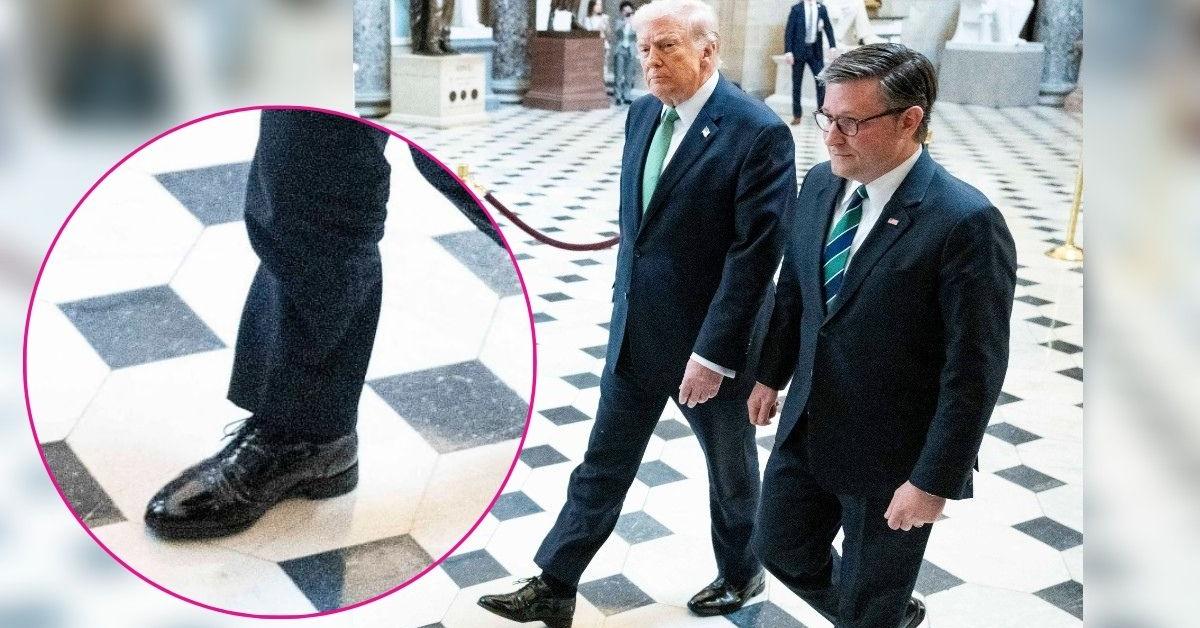
Erkki Forster of The Daily Beast provided a particularly vivid description of the scene. "With his swollen feet tightly wedged into his now-infamous Florsheim dress shoes, the elderly president’s black socks ballooned into a light bulb-like silhouette," Forster noted. These specific black dress shoes have a history of public commentary, having been reportedly gifted by the president to several male cabinet members, including Secretary of State Marco Rubio, who himself faced mockery for wearing shoes that appeared disproportionately large. The recurring nature of Trump’s swollen ankles has become a subject of ongoing fascination and concern among the public and medical professionals alike.
Understanding Chronic Venous Insufficiency and its Impact
The visible swelling in President Trump’s lower extremities is not a new phenomenon. He was diagnosed in July 2025 with chronic venous insufficiency (CVI), a medical condition characterized by impaired blood flow in the leg veins. CVI occurs when the leg veins struggle to return blood to the heart, leading to blood pooling in the lower limbs. Symptoms can range from mild swelling and discomfort to more severe issues like skin changes, pain, and ulcers. For a public figure, especially a president, such a diagnosis carries significant implications, potentially affecting mobility, stamina, and overall health perceptions.
While medical experts often recommend compression socks as a primary management strategy for CVI to aid circulation and reduce swelling, President Trump publicly acknowledged to the Wall Street Journal that he had ceased wearing them, stating simply that he "didn’t like them." This personal preference, despite medical advice, has been cited by some as a contributing factor to the persistence of his swollen ankles. The decision to forgo recommended treatment for a chronic condition in a leader of his age has further fueled public debate about his commitment to health management and its potential impact on his demanding role.

Additional Physical Manifestations Raise Questions
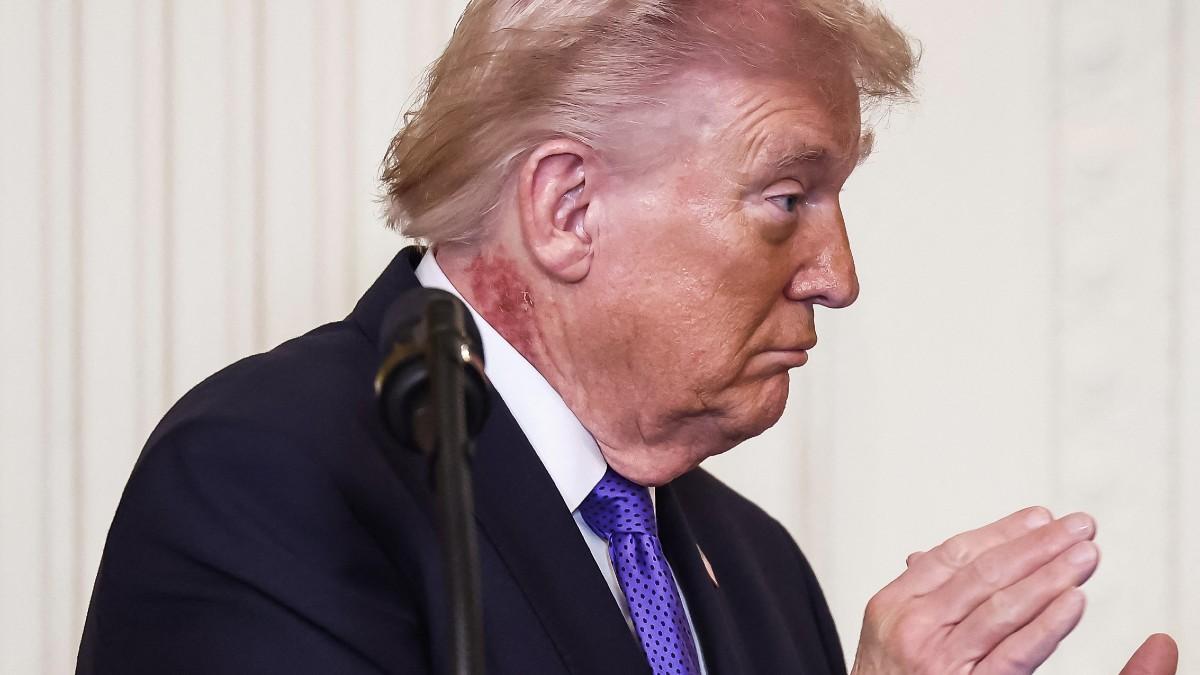
Beyond the issue of his cankles, other physical observations during recent public appearances have contributed to the ongoing health narrative surrounding President Trump. Observers have noted a persistent reddish rash behind his ear and recurring bruising on his hands, sparking additional questions about his overall physical condition.
The reddish discoloration on his neck, specifically noted during a Medal of Honor ceremony, prompted further speculation. The White House, in response, attributed this to a reaction from a prescribed skin treatment. However, some outside doctors and medical experts have suggested that such persistent dermatological issues could potentially indicate more serious underlying conditions, ranging from common skin ailments exacerbated by stress or medication to indicators of systemic health problems. The lack of detailed medical disclosure often leaves room for varied interpretations.
Scrutiny of Bruising and Medication Regimen
The frequent appearance of large purple bruises on President Trump’s hands has also drawn considerable attention. Initially, the White House offered a generic explanation, citing frequent handshaking as the cause. However, Trump himself later provided a more specific reason, revealing that he bruises easily due to his daily consumption of 325mg of aspirin. This dosage is notably higher than the 81mg typically recommended by his doctors for daily cardiovascular prophylaxis.
Aspirin, particularly in higher doses, is known to thin the blood and increase the risk of bruising and bleeding. While aspirin can be beneficial for certain cardiovascular conditions, its use at 325mg daily typically warrants careful medical supervision due to increased risks of gastrointestinal bleeding and other complications. Trump’s disclosure of this regimen, and the visible manifestation of its side effects, has raised questions among medical professionals and the public regarding the precise nature of his cardiovascular health and the rationale behind his medication choices.
Cardiovascular Health and Cognitive Fitness Under the Microscope
Amidst the swirling health concerns, President Trump underwent a CT scan at Walter Reed National Medical Center in late 2025. This scan was reportedly conducted to rule out cardiovascular issues. While Trump initially misidentified the test as an MRI, his physician subsequently released a statement affirming that the results were "perfectly normal" and indicated cardiovascular health comparable to an individual 14 years his junior. This official reassurance aimed to quell anxieties about his heart health, yet the public remains keenly interested in the specifics of such evaluations for a sitting president.
Beyond physical ailments, President Trump’s cognitive fitness has also been a subject of intense public and expert debate. Psychologist Dr. John Gartner, among others, has publicly noted what he described as "clinical signs of dementia." These observations reportedly include instances of phonemic paraphasias, where the president mispronounces or struggles to complete words, such as allegedly saying "mishes" instead of "missiles." Further concerns have been raised regarding "incomprehensible word salad" during speeches, instances of trailing off mid-sentence, and a "massive increase" in reported memory lapses. These observations often emerge from public appearances, rallies, and press conferences, where the president’s verbal acuity is under constant scrutiny.
White House Reassurance Amidst Public Debate
The White House has consistently pushed back against these health and cognitive concerns, maintaining a steadfast position that President Trump is in excellent health. White House spokesperson Davis Ingle robustly defended the president’s condition when approached for comment by The Daily Beast. Ingle asserted, "President Trump is the sharpest, most accessible, and energetic president in modern American history." He further dismissed the criticisms of Erkki Forster, stating, "The only thing swollen is Erkki Forster’s brain that prevents him from having a real job for a legitimate news outlet."
This firm denial reflects a common strategy employed by administrations facing questions about a leader’s health, aiming to project an image of strength and capability. However, the persistent visual evidence and expert commentary continue to fuel public and media debate, highlighting the inherent tension between official narratives and independent observations. The health of a president, particularly one of advanced age, remains a topic of significant public interest, with implications for national and international confidence in leadership.
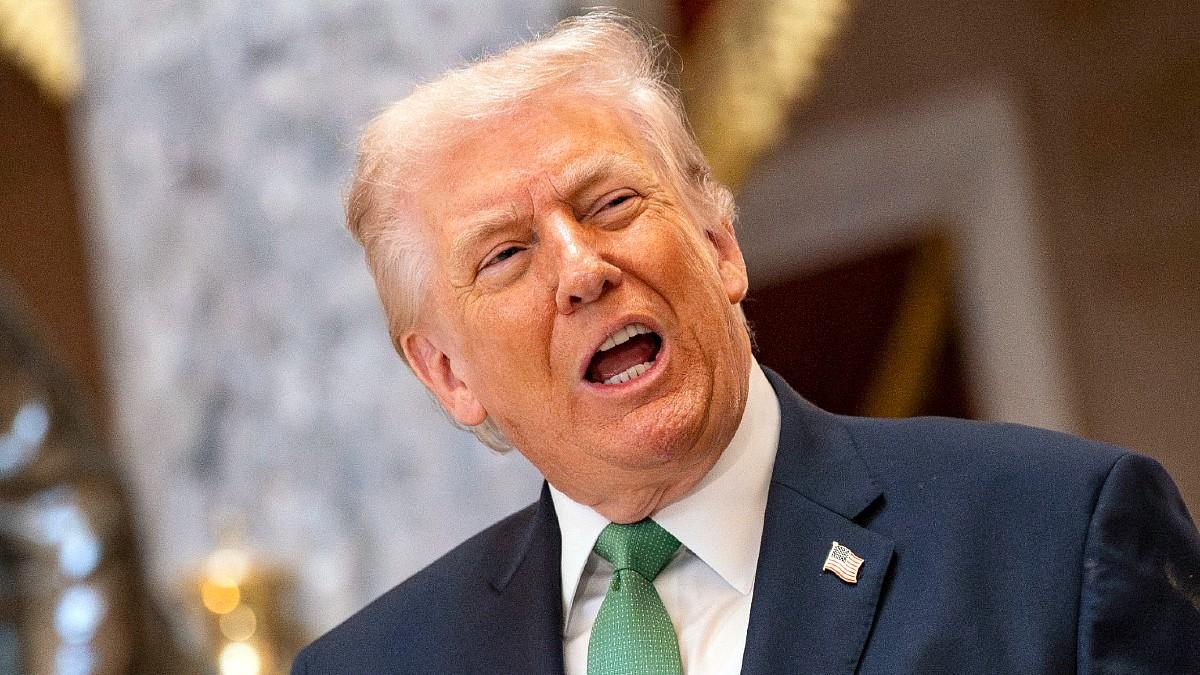
The ongoing scrutiny of President Trump’s physical and cognitive state underscores a broader societal concern about the fitness for office of elderly leaders. As the 2026 political landscape continues to evolve, the narrative surrounding the president’s health is likely to remain a prominent feature, influencing public perception and political discourse. The balance between a president’s right to privacy and the public’s right to know about their leader’s capacity continues to be a complex and evolving aspect of modern political life.