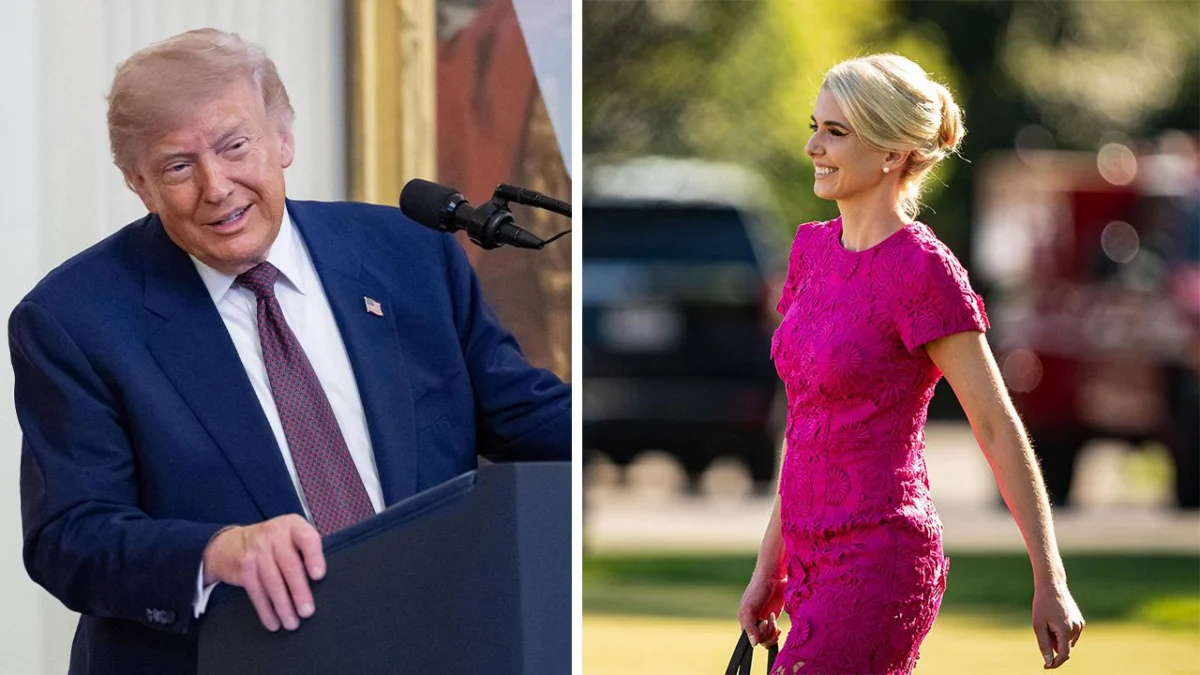
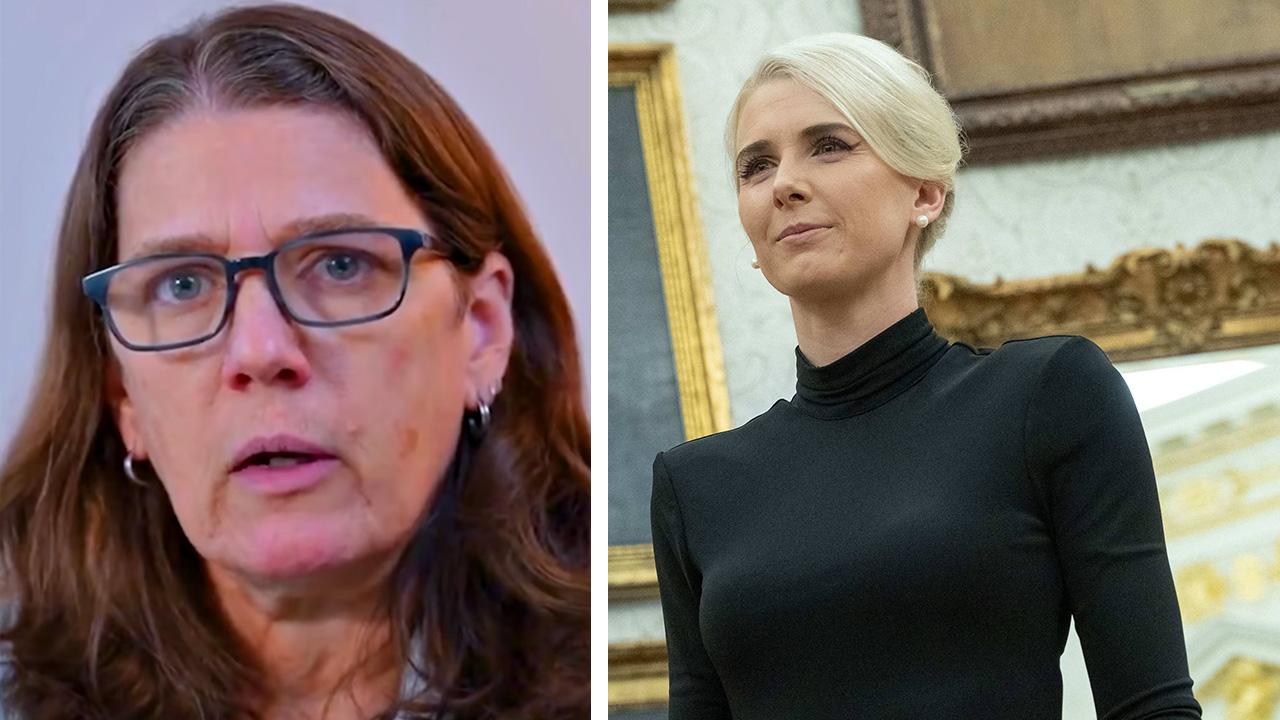
Mary Trump, niece of former President Donald Trump, has publicly voiced her strong conviction that the ubiquitous presence of aide Natalie Harp underscores a troubling "decline" in her uncle’s mental and physical state, portraying him as a "pathetic, frail, needy old man" to the public. These remarks intensify the ongoing scrutiny surrounding the former president’s health and his reliance on a select circle of advisors.
A Controversial Aide’s Pervasive Role
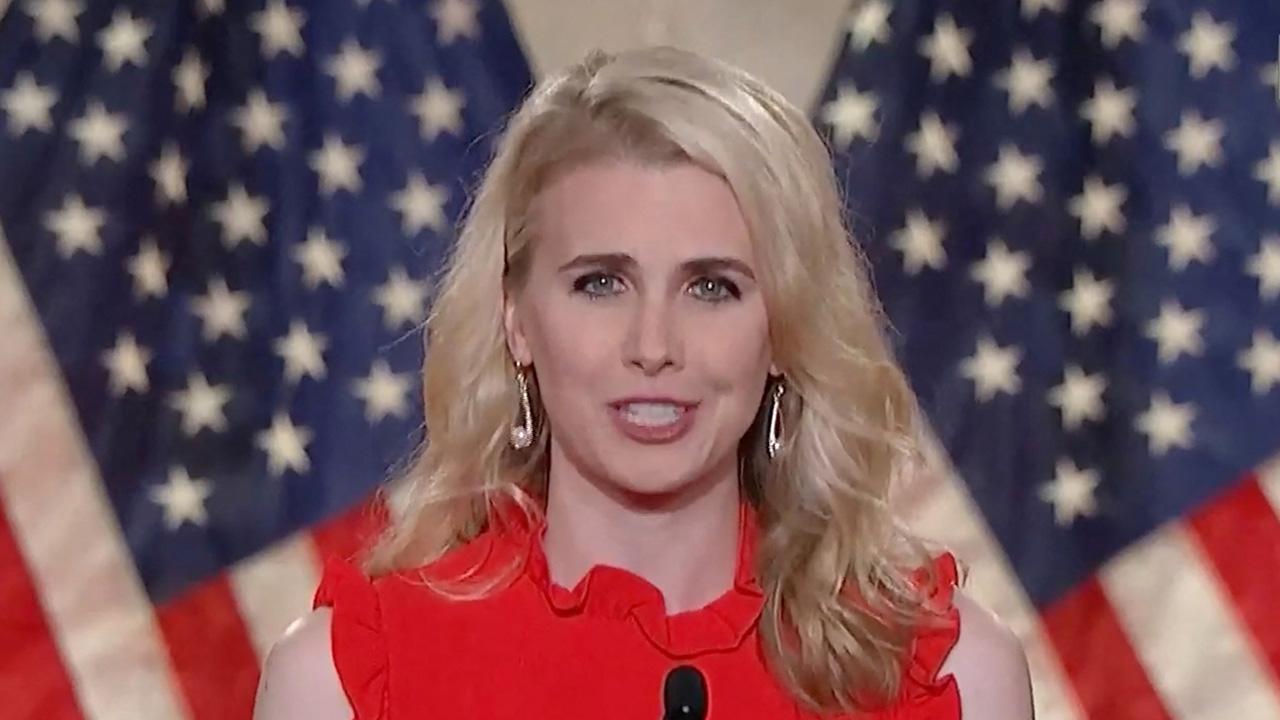
Natalie Harp, 35, has gained significant public attention for her close proximity to Donald Trump, often appearing at his side during public engagements. Her role extends beyond a typical executive assistant, drawing criticism and speculation regarding her influence. Harp’s constant presence has become a talking point among commentators and critics alike.
The "Human Printer" Phenomenon
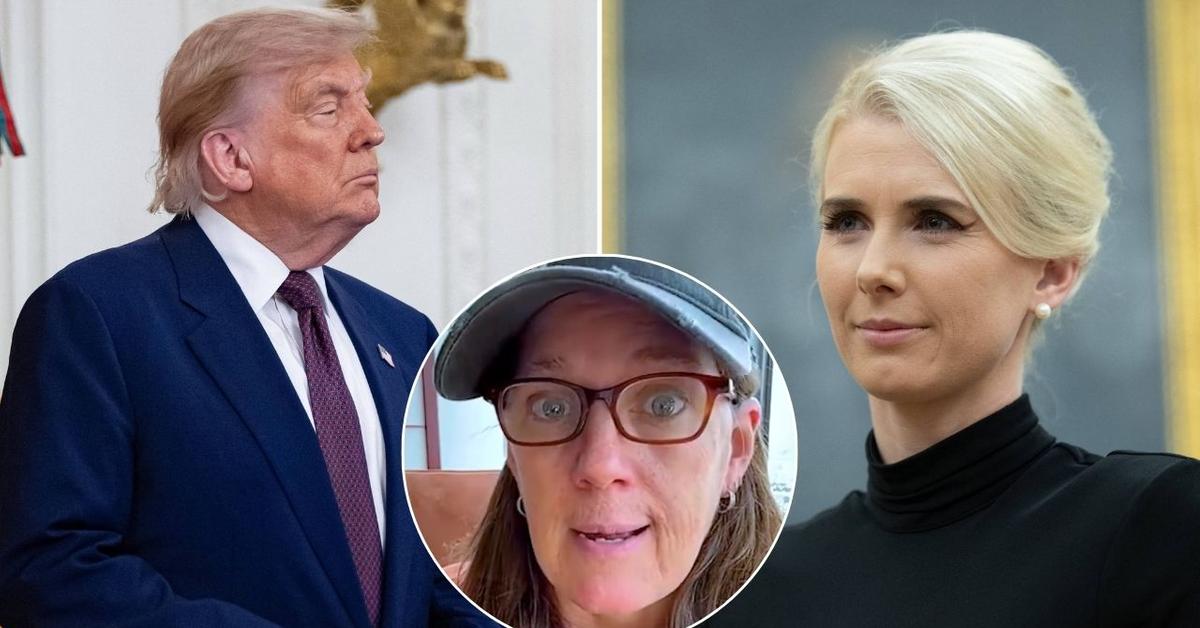
Harp earned the distinctive moniker "human printer" due to her reported habit of carrying a portable printer, specifically to provide Donald Trump with positive news clippings and articles. This practice, widely observed and reported by journalists, serves to curate a strictly favorable media environment for the former president, shielding him from any potentially negative coverage. This method of information control raises questions about the scope of his exposure to diverse viewpoints.
Mary Trump’s Stark Assessment
Mary Trump’s recent comments directly address this dynamic, asserting that Harp’s constant attendance creates an unflattering image for her uncle. She described the situation as making him appear "pathetic, frail, [and] needy," particularly given Harp’s youth. Mary Trump suggested that many of the positive press clippings provided by Harp are likely "fictional," further highlighting concerns about the veracity of the information her uncle receives.
Information Control and Perceived Vulnerability
The meticulously managed media diet supplied by Natalie Harp is viewed by critics as a direct response to Donald Trump’s known sensitivity to negative press. For a figure who has consistently battled perceived media bias, an aide dedicated to filtering information could be seen as a strategic, albeit controversial, form of image protection. This arrangement, however, also suggests a vulnerability to external critiques and a profound need for affirmation.
Shielding the Former President from Dissent
Mary Trump elaborated on her uncle’s apparent reliance on Harp, noting that "he needs somebody constantly filling his head with compliments and positive messages." This need, she argues, stems from his current political and legal challenges, which have reportedly caused him to lash out and become "desperate to change the narrative." Harp, according to Mary Trump, "fits the bill" perfectly in providing this constant stream of ego-boosting content.
Gatekeeping Access and Digital Footprint
Beyond supplying physical news clips, Harp reportedly plays a crucial gatekeeping role around Donald Trump. Journalists have detailed her tight control over access to him and her influence over his social media feeds. This level of control over both physical and digital information channels raises concerns about who influences the former president’s perspectives and how he communicates with his vast base. As a salaried executive assistant earning $150,000, her position is officially recognized within his operations.
Broader Concerns: Cognitive Decline and National Security
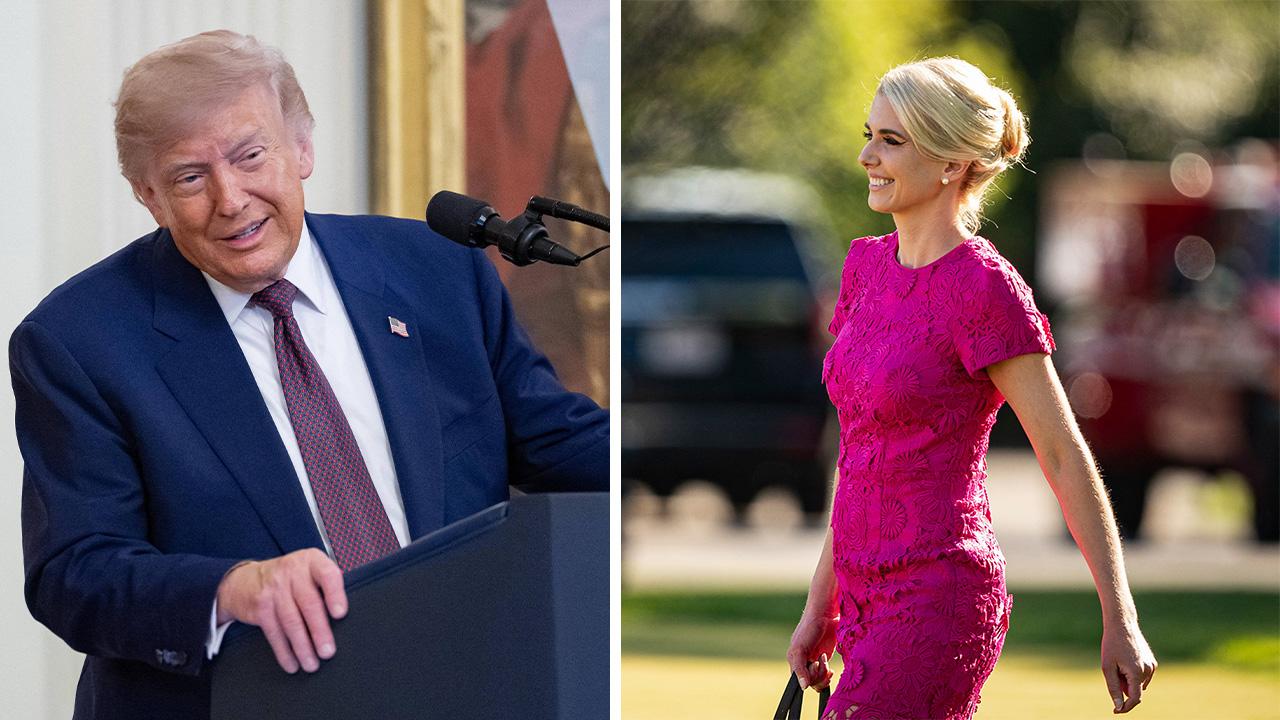
The discourse surrounding Natalie Harp’s role extends into broader concerns about Donald Trump’s cognitive fitness and potential national security implications. At 80 years old, the former president’s age and occasional public gaffes have led to ongoing public and political discussions about his mental acuity, particularly as he considers another presidential run. Mary Trump’s observations contribute to this narrative by painting a picture of a leader requiring constant care and validation.
Fueling Speculation About Donald Trump’s Decline
The image of a prominent political figure needing an aide to constantly supply positive news and protect him from negative input inevitably fuels speculation about his overall health and capacity. Mary Trump’s use of terms like "decline" and "frail" directly addresses these underlying anxieties. For a figure who prides himself on strength and self-sufficiency, such a public presentation could be politically damaging.
The "National Security Threat" Allegation
Perhaps the most severe accusation leveled by Mary Trump is that Natalie Harp’s position presents a "very real national security threat to the United States of America." This claim suggests that Harp’s control over information flow and access to Donald Trump could potentially isolate him or make him susceptible to manipulation. Mary Trump attributes this vulnerability to her uncle being "a flailing, failing old man whose ego is fragile," implying that his personal needs could be exploited, impacting national interests.
Family and External Criticisms Mount
Mary Trump is not the only one within Harp’s personal sphere to voice concerns. Natalie Harp’s estranged brother, Preston Harp, has also publicly criticized his sister’s intense loyalty. Appearing on networks like CNN, Preston Harp characterized her devotion to Donald Trump as a "very unhealthy obsession." He further labeled Donald Trump a "national embarrassment," underscoring a deep familial rift over her political involvement.
The "Lovesick Letters" Controversy
The personal nature of Natalie Harp’s devotion was further highlighted by the leak of what Mary Trump referred to as "lovesick letters" written by Harp to her uncle. Mary Trump interpreted these letters as a "cry for help," describing the relationship as "extreme" and "over the top." The revelation of such intensely personal communications within a professional political context has been widely scrutinized, raising questions about boundaries and professionalism in Trump’s inner circle.
Official Responses and Persistent Questions
Despite the mounting criticisms from family members and public commentators, the White House (or, more recently, Donald Trump’s political campaign) has largely dismissed these concerns. In previous statements, they have described Natalie Harp as "loyal" and "hard-working," offering a brief defense against the allegations of undue influence or security risks. This official stance contrasts sharply with the alarm raised by Mary Trump and Preston Harp, creating a significant divergence in narrative.
White House Defense of Loyalty
The consistent defense of Harp by Trump’s team highlights the value placed on loyalty within his political apparatus. In an environment often characterized by rapid staff turnover and intense scrutiny, Harp’s unwavering dedication is presented as an asset. However, this defense does little to assuage the concerns of critics who argue that loyalty, when taken to an extreme, can lead to blind spots or even dangers, especially for a figure seeking high office.
The Enduring Debate Over Influence and Perception
The ongoing debate surrounding Natalie Harp’s role and Donald Trump’s perceived "decline" underscores fundamental questions about the nature of power, influence, and public image in modern politics. Mary Trump’s outspoken criticisms, combined with those from Harp’s own family, ensure that these issues will remain central to discussions about the former president. As Donald Trump continues his political endeavors, the dynamics of his inner circle and his public presentation will undoubtedly remain under intense scrutiny, shaping public perception and political narratives.