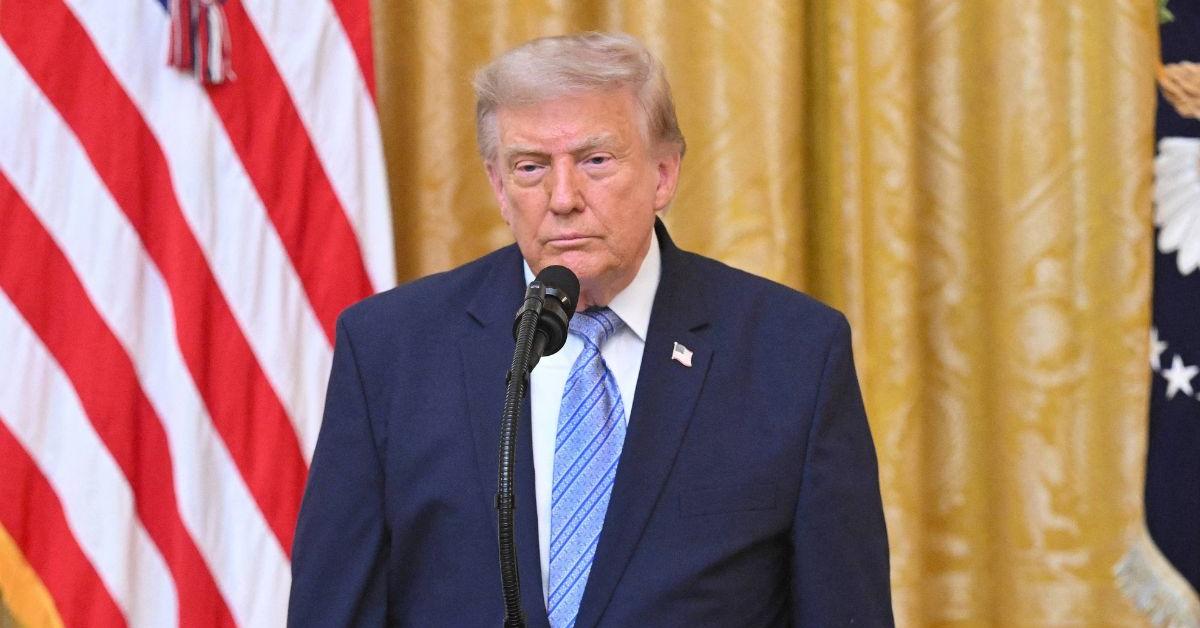
Former President Donald Trump’s primetime speech on July 16, focusing on his persistent claims of election fraud, ignited a significant network TV flashpoint as major broadcast and cable news outlets made divergent editorial decisions regarding its live airing. While ABC and NBC opted against broadcasting the address live, relegating it to their streaming platforms, CBS joined the speech late and cut away approximately five minutes before its conclusion to initiate fact-checking. This varied approach across the media landscape immediately sparked a heated debate over journalistic responsibility, the obligation to provide unfiltered access to political figures, and the imperative to fact-check potentially disputed claims in real-time.
The Contested Narrative: Election Integrity in the Spotlight
Trump’s address centered on the contentious narrative of alleged irregularities and fraud in past elections, a theme he has consistently championed since the 2020 presidential contest. These claims, which have been widely debunked by electoral officials, courts, and independent reviews, remain a cornerstone of his political messaging. The decision by networks on how to cover such an address, especially in a primetime slot, underscored the persistent tension between reporting on a prominent political figure’s statements and actively managing the potential dissemination of misinformation. The speech itself became secondary to the broader discussion about media gatekeeping and the role of news organizations in a polarized information environment.
Network Decisions and Their Editorial Underpinnings
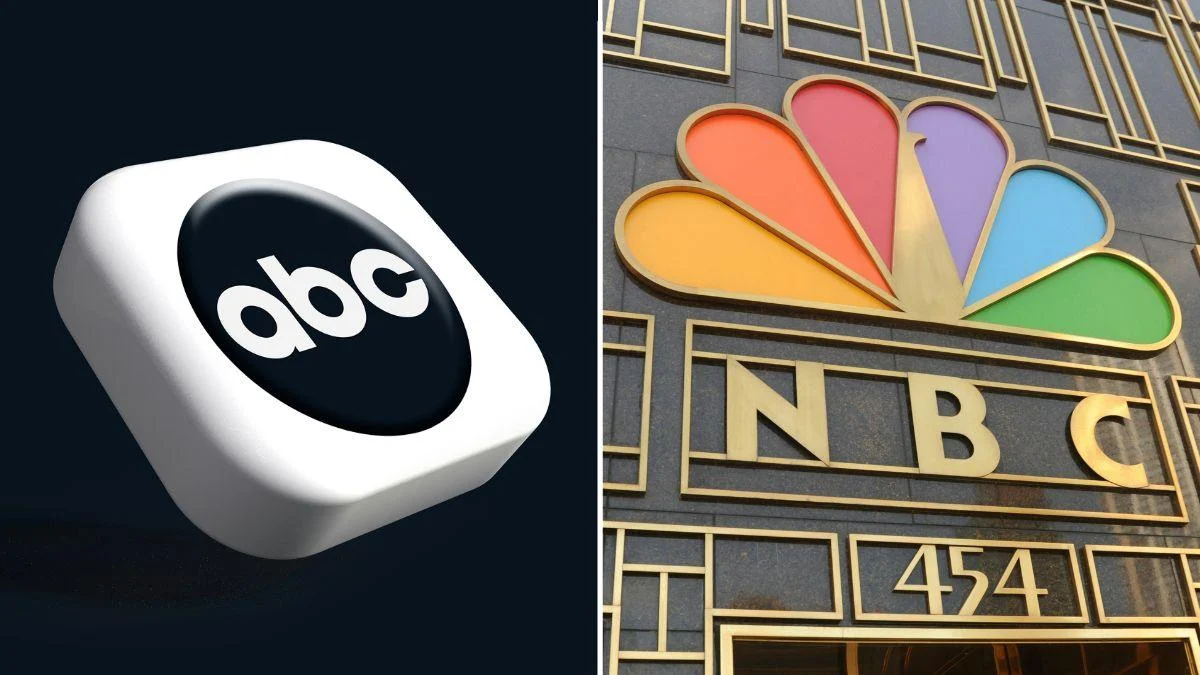
The responses from major networks highlighted a fractured approach to covering high-stakes political rhetoric. ABC and NBC, two of the nation’s largest broadcast networks, made the explicit choice not to carry Trump’s speech live on their main channels, instead offering it to viewers via their respective digital streaming services. This move signaled a deliberate editorial judgment to prioritize other programming or to avoid providing an unmediated platform for unverified assertions.
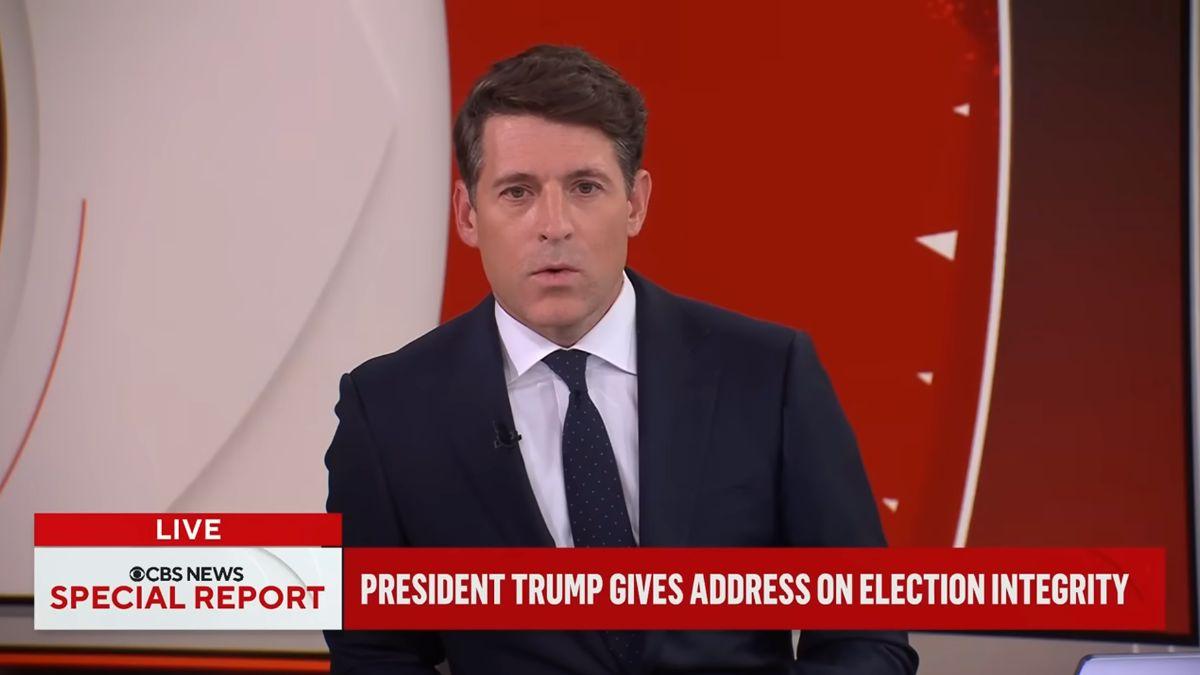
CBS, another major broadcast player, adopted a hybrid strategy. The network began airing the speech several minutes into its runtime but then controversially cut away before Trump had finished. Explaining this decision, CBS anchor Tony Dokoupil prefaced the broadcast by stating, "Much of what the President has said on [U.S. election security] has been false." He acknowledged the argument that airing the speech might be irresponsible but countered, "This speech will be made. It will be news. And it’s our job to cover the news." Immediately after cutting away from Trump, Dokoupil and his team began fact-checking specific claims made during the address, particularly those concerning alleged Chinese interference in the 2020 election.
Conversely, Fox News, a network often favored by conservative audiences, provided uninterrupted live coverage of the entire speech. Meanwhile, CNN opted not to carry the event live, while MS Now (likely referring to MSNBC) aired select portions of the remarks, presumably with added commentary and context. These differing editorial choices underscored the ideological and ethical divides within the American media landscape, transforming a political address into a significant network TV flashpoint.

The Enduring Debate: Uninterrupted Airtime vs. Context
The varying network responses reignited a long-standing debate within journalism: the balance between providing unfiltered access to significant political figures and the editorial responsibility to fact-check and contextualize potentially misleading or false statements. Historically, presidential addresses, particularly those delivered in primetime, have often received live, gavel-to-gavel coverage across major networks as a matter of public service and newsworthiness. However, the post-2020 era, marked by an intensified struggle against disinformation, has compelled news organizations to re-evaluate this tradition.
Critics of unedited live coverage argue that it grants a powerful platform to unverified claims, potentially contributing to public confusion and eroding trust in democratic processes. They contend that journalistic integrity demands pre-vetting or immediate post-broadcast fact-checking, which is difficult, if not impossible, during live, uninterrupted airings. Conversely, proponents of live coverage emphasize transparency, arguing that the public has a right to hear directly from elected leaders or prominent political figures without media filters. They maintain that cutting away or refusing to air live can be perceived as censorship or partisan bias, further fueling distrust in the media.
This particular network TV flashpoint highlighted the difficult position news outlets find themselves in: caught between competing ethical imperatives and navigating an environment where editorial decisions are themselves scrutinized and politicized.

Trump’s Accusations and the Question of Media Licenses
During his speech, Donald Trump directly addressed the networks that declined to carry his remarks live, accusing ABC and NBC of deliberate avoidance. He claimed they shied away from the subject of election fraud because "they don’t like the topic because they know how corrupt our system is, and they don’t want to reveal it." Trump went further, alleging the outlets were "part of a plot" and asserting that "fraud like this should mean a revocation of their licenses."
These calls for license revocation, while politically charged, face significant legal and constitutional hurdles. In the United States, broadcast licenses are issued by the Federal Communications Commission (FCC) and are typically renewed based on adherence to public interest standards, not on the content of individual broadcasts, particularly when it involves political speech. The First Amendment provides robust protections for freedom of the press, making it highly improbable for a network’s license to be revoked over its editorial decisions regarding news coverage, even if those decisions are controversial.
Forensic psychiatrist Dr. Carole Lieberman weighed in on the networks’ decisions, suggesting that "When any president gives an address, it is de facto newsworthy." She posited that any network that did not air the address live might have done so "out of pure Trump Derangement Syndrome, despite whatever allegedly noble excuses they gave." This perspective reflects a segment of public and political opinion that views media decisions through a lens of partisan bias rather than journalistic ethics.
Expert Insights: Transparency, Context, and Public Trust
The implications of this network TV flashpoint extend beyond the immediate broadcast, touching upon the fundamental principles of media responsibility in a democracy. Donald Thompson, co-author of the forthcoming political thriller Are You a Patriot?, emphasized the complexity of the editorial dilemma. "A live presidential address is unquestionably newsworthy, but editors also have an obligation to consider whether viewers will receive enough context to accurately interpret what they’re hearing in real time," Thompson stated. He highlighted that "Every editorial choice carries consequences. Airing a speech uninterrupted may maximize transparency, while delaying or limiting coverage allows for fact-checking and context. Neither option is neutral."
Bob Batchelor, Thompson’s co-author, noted the transformative impact of the modern media environment on news judgment. "In today’s media environment, the editorial decision itself often becomes as newsworthy as the speech," Batchelor explained. He further elaborated on the long-term effects: "When news organizations weigh the risk of amplifying misinformation against the public’s interest in hearing directly from elected leaders, they’re making a judgment that extends beyond one broadcast. Those choices affect public trust, fuel debate about media credibility, and ultimately shape the national conversation long after the cameras stop rolling."
These expert analyses underscore that the choices made by ABC, NBC, CBS, and others are not isolated incidents but contribute to an ongoing narrative about media trustworthiness and its role in shaping public understanding of political events.
Broader Implications and the Future of Political Coverage
The varying approaches to Donald Trump’s primetime speech are indicative of a broader recalibration within the media industry regarding the coverage of political figures who frequently make unsubstantiated claims. This network TV flashpoint is likely to influence future decisions on live event coverage, particularly for controversial addresses. It highlights the growing challenge of maintaining journalistic integrity while navigating intense political polarization and an increasingly fragmented media landscape.
Public perception of these editorial choices is also critical. For some, the networks’ decisions reinforced a belief in media bias, while for others, it demonstrated a commitment to truth and accuracy. This fragmentation of trust in news sources contributes to a media ecosystem where different audiences receive vastly different versions of reality, further entrenching existing political divides. As traditional broadcast viewership declines and streaming platforms gain prominence, the impact of such decisions on overall public discourse will continue to evolve, making the ongoing debate over media ethics more crucial than ever.
The July 16 broadcast decisions illustrate an enduring tension at the heart of modern journalism. News organizations are continually weighing the imperative of transparency against the responsibility to provide context and combat misinformation. This complex balancing act ensures that debates over what, when, and how to air significant political speeches will remain a recurring feature of the American media landscape, shaping both public discourse and the future of news reporting.