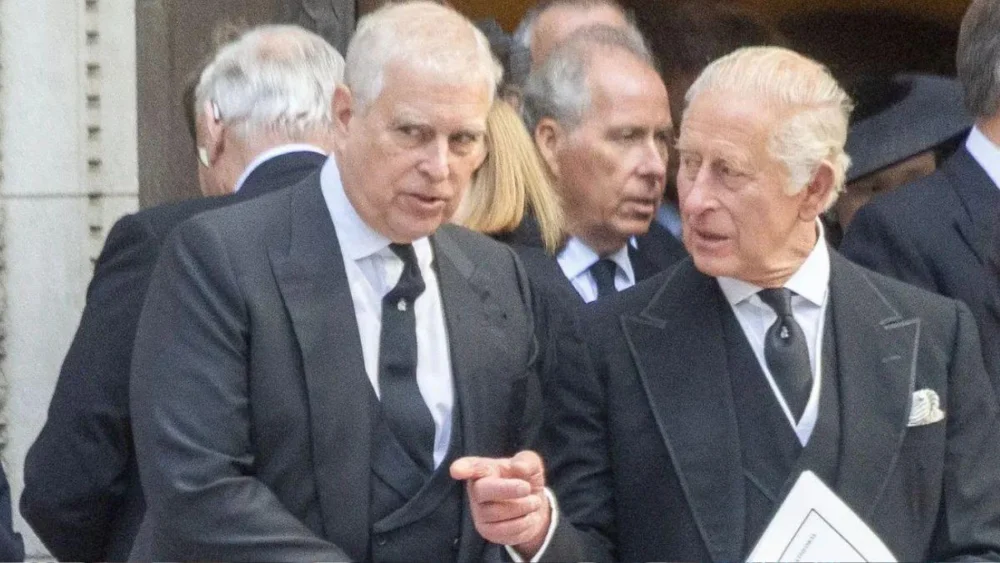
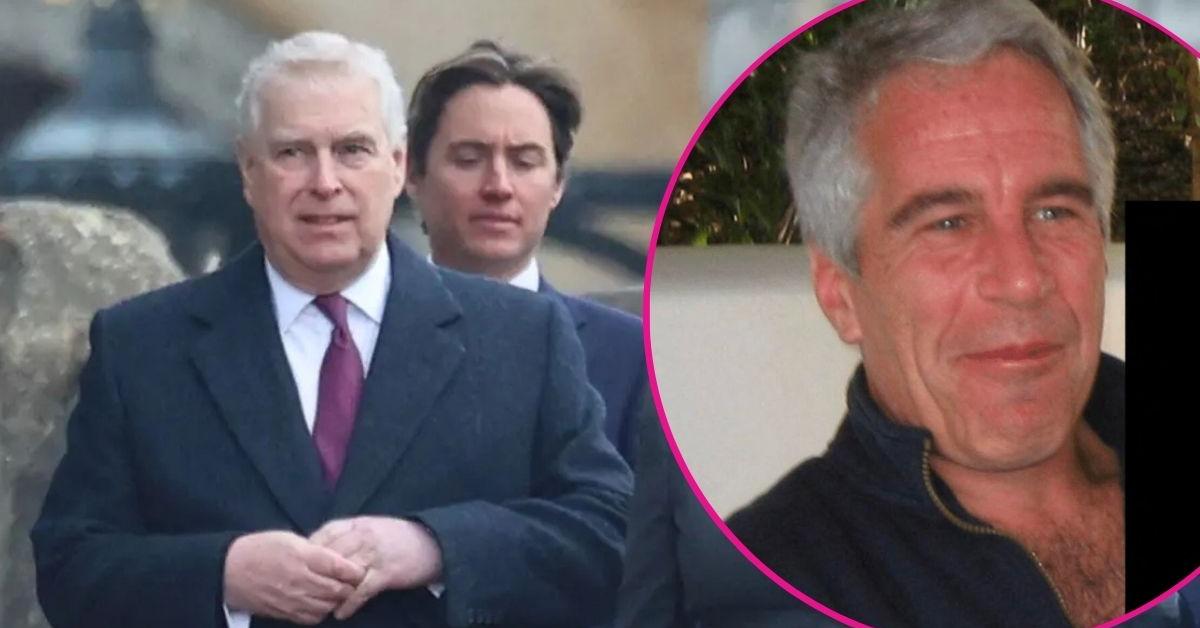
Newly uncovered emails from the files of convicted s– trafficker Jeffrey Epstein reveal that Ex-Prince Andrew expressed considerable enthusiasm following Epstein’s release from house arrest in 2010, labeling the development as "really good news." The correspondence, part of a trove of documents released by the U.S. Department of Justice in January, adds another layer to the controversies surrounding the former Duke of York, whose association with Epstein has led to his stripping of royal titles and a recent arrest.
The email exchange, dated July 2010, captures a moment when Epstein was transitioning from a period of confinement after serving 13 months in jail for soliciting prostitution from a minor. Prince Andrew, then known as the Duke of York, appeared to celebrate the financier’s newfound freedom, signaling a continued close relationship despite Epstein’s earlier conviction and the public scandal surrounding it. This revelation resurfaces as Andrew faces renewed legal scrutiny and public condemnation.
The Content of the Controversial Correspondence
The specific messages, now public record, provide a direct glimpse into the communication between Ex-Prince Andrew and Jeffrey Epstein. On July 24, 2010, Epstein initiated the exchange, writing, "I will be in paris starting tomorrow," to recipients identified as "The Duke" and "ferg." "The Duke" was Andrew’s known alias, referencing his former title, while "ferg" reportedly refers to Sarah Ferguson, his ex-wife, suggesting a wider awareness of the contact.
Andrew promptly replied to Epstein’s message with evident pleasure. "Congratulations! DS told me you were allowed out from yesterday. How long in Paris for? I am back in London from 16th. A," he wrote, with "DS" likely standing for "Duchess Sarah," further implicating Ferguson in the circle of communication. This initial response highlights Andrew’s awareness of Epstein’s legal status and his eagerness to connect shortly after the financier’s release.
Epstein’s subsequent message painted a picture of renewed activity and financial opportunity. "Im totally complete and done will be in paris for a while. then the ranch in new mexico. .. there is so much opportunity here had non stop all day meetings and my friends are super flush with cash, and nothing to do," Epstein responded. He then explicitly referenced prominent private equity investor Leon Black, stating, "Let’s get moving. ie. Leon Black is sitting with 20 billion dollars, and hungry for deals."
Prince Andrew’s final recorded response in this chain solidified his positive outlook and eagerness for future collaboration. "Really, really good news. If you are in Paris around the 16th I’ll be across to pay homage to your new life ahead!… And as far as things to do I have, with DS, a good brain to make things happen. Even looking at purchases from government of up to £3B each," Andrew penned. This statement, particularly the mention of "purchases from government of up to £3B each," raises significant questions about the nature of the "opportunities" Andrew was discussing with Epstein, potentially involving official capacities.
Background of Jeffrey Epstein’s Legal Troubles and Andrew’s Association
Jeffrey Epstein’s legal troubles first came to widespread public attention with his 2008 arrest. He was charged with procuring a child for prostitution and soliciting prostitution from a minor in Florida. Despite the serious nature of the charges, Epstein received a highly controversial plea deal that allowed him to serve just 13 months in a county jail, with significant privileges, including daily work release. It was this period of house arrest and subsequent release in 2010 that formed the backdrop for the recently revealed email exchange with Ex-Prince Andrew.
Andrew’s friendship with Epstein dated back to the 1990s, and their relationship continued even after Epstein’s 2008 conviction. The Duke of York frequently visited Epstein’s various residences, including his infamous Manhattan townhouse and Palm Beach mansion, and was photographed with Epstein on numerous occasions. These visits and the continuation of their friendship became a major source of criticism and embarrassment for the British Royal Family, especially as more details of Epstein’s s– crimes emerged.

The public outcry intensified following Epstein’s re-arrest in 2019 on federal charges of s– trafficking, and his subsequent death by suicide in jail. Andrew’s highly criticized 2019 BBC "Newsnight" interview, in which he attempted to defend his friendship with Epstein, further damaged his reputation and credibility. In the interview, Andrew claimed he had "no recollection" of meeting one of Epstein’s accusers, Virginia Giuffre, despite a widely circulated photograph showing them together.
The Stripping of Royal Titles and Recent Arrest
The mounting pressure and severe damage to the monarchy’s reputation eventually led to unprecedented actions against Ex-Prince Andrew. In January 2022, Queen Elizabeth II, with the support of then-Prince Charles and Prince William, stripped Andrew of his honorary military titles and royal patronages. He was also barred from using the style "His Royal Highness" in any official capacity. These measures effectively removed Andrew from public life as a working royal.
The final blow to his official royal standing came in 2025 when King Charles III, who ascended the throne in 2022, formally removed Andrew’s remaining royal titles, including the prestigious Duke of York. This decision, a year prior to the email revelations, underscored the monarchy’s concerted effort to distance itself from Andrew’s tarnished image and the ongoing scandal surrounding his association with Epstein. Andrew, now 66, has since been referred to as "Ex-Prince Andrew" or by his birth name, Andrew Mountbatten-Windsor.
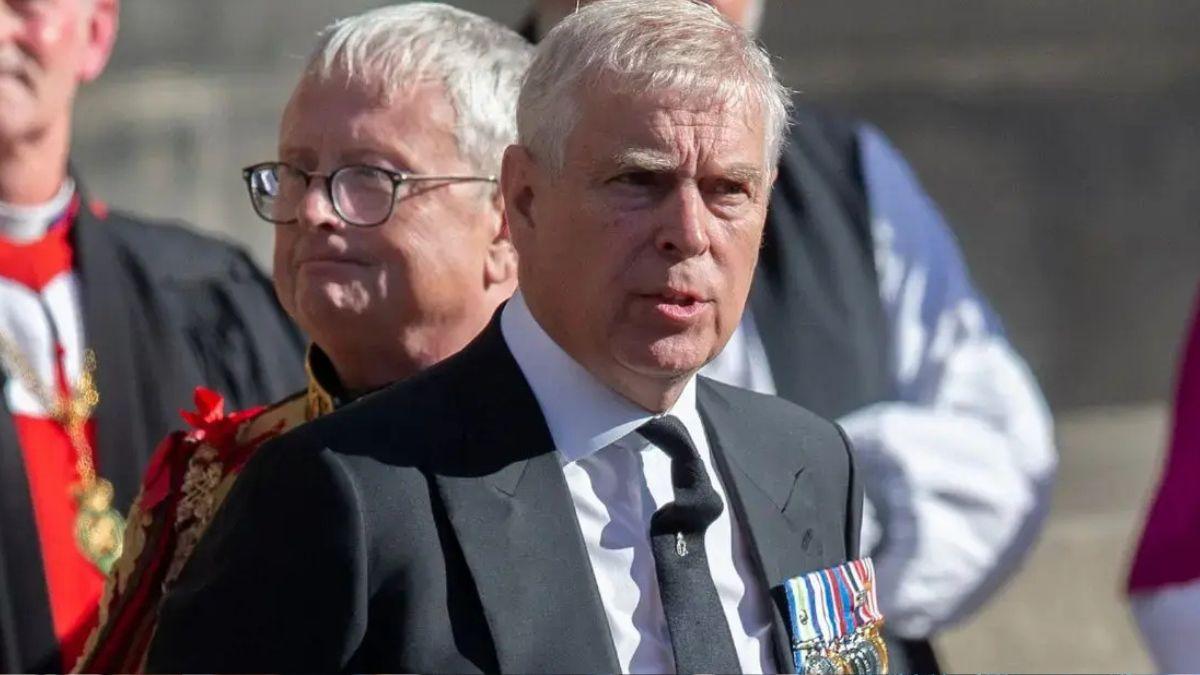
The saga escalated dramatically on February 19, 2026, when Andrew was arrested by the Thames Valley Police. The arrest was made on suspicion of sending his private and confidential trade documents to Jeffrey Epstein during the 2010s. This charge, "misconduct in public office," suggests that Andrew may have misused his position or access to official information for purposes connected to Epstein’s ventures. The specific nature of these "trade documents" and their potential value or sensitivity in the context of Epstein’s financial and alleged criminal network remains a key area of investigation.
King Charles’s Response and Broader Royal Implications
King Charles III, 77, responded to his younger brother’s arrest with a swift and stern statement, signaling the monarchy’s commitment to upholding the rule of law. "I have learned with the deepest concern the news about Andrew Mountbatten-Windsor and suspicion of misconduct in public office," the monarch declared. "What now follows is the full, fair and proper process by which this issue is investigated in the appropriate manner and by the appropriate authorities."
The King’s statement continued, "Let me state clearly: the law must take its course. As this process continues, it would not be right for me to comment further on this matter. Meanwhile, my family and I will continue in our duty and service to you all." This authoritative and unequivocal stance from the sovereign underscores the gravity of the situation and the royal family’s determination to project an image of accountability. It also highlights the immense pressure on King Charles to manage the fallout from his brother’s actions while navigating his own reign.
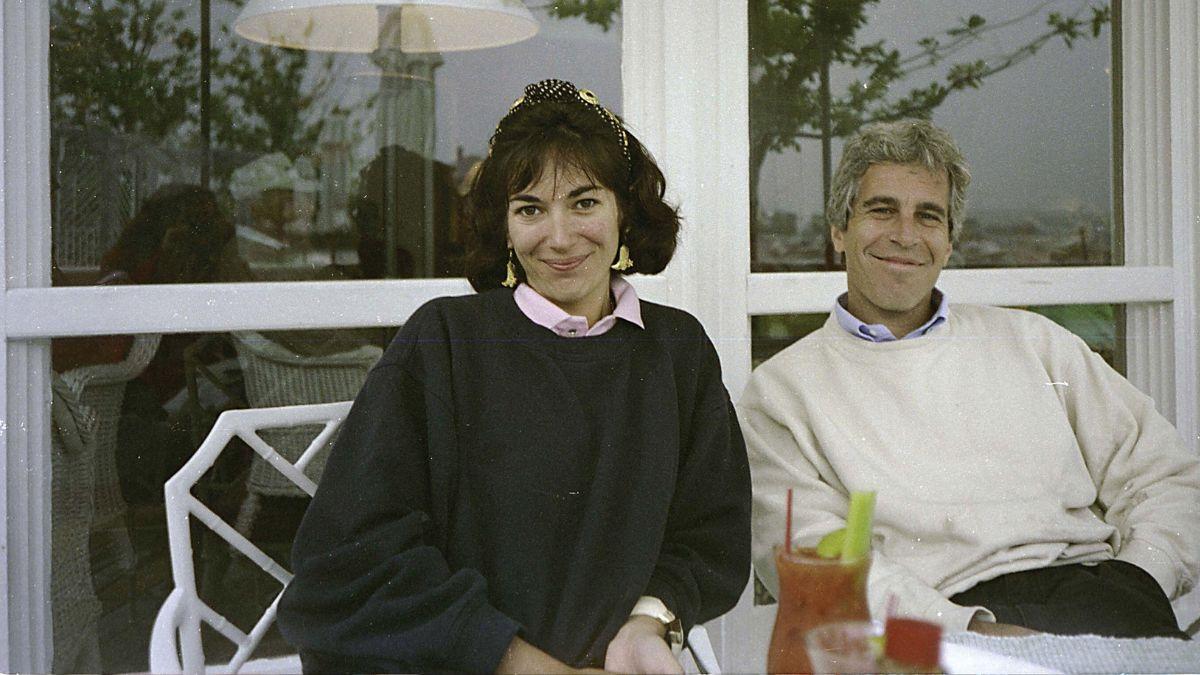
The persistent involvement of Ex-Prince Andrew in the Epstein scandal has created profound challenges for the British monarchy. It has fueled public cynicism regarding privilege and accountability, particularly for those in positions of power. The email revelations, showing Andrew’s celebratory tone regarding Epstein’s release, further erode public trust and raise questions about Andrew’s judgment and moral compass, even after Epstein’s initial conviction. The ongoing legal proceedings threaten to keep the monarchy under an uncomfortable spotlight for the foreseeable future.
Public Impact and Future Outlook
The continuous stream of revelations concerning Ex-Prince Andrew and Jeffrey Epstein has had a significant impact on public perception in both the UK and globally. Each new detail, particularly direct correspondence like the newly uncovered emails, reinforces a narrative of Andrew’s questionable choices and his failure to recognize the severity of Epstein’s crimes or the moral implications of their friendship. The public reaction has largely been one of dismay and anger, with calls for full transparency and justice.
For the monarchy, these events present a severe test of resilience and adaptability. King Charles III has taken decisive steps to isolate Andrew from official royal duties and titles, but the shadow of the scandal continues to loom large. The ongoing police investigation into Andrew’s alleged misconduct in public office carries the potential for further legal consequences, including charges and a trial, which would inevitably attract intense media scrutiny and reignite public debate about the role and conduct of members of the royal family.
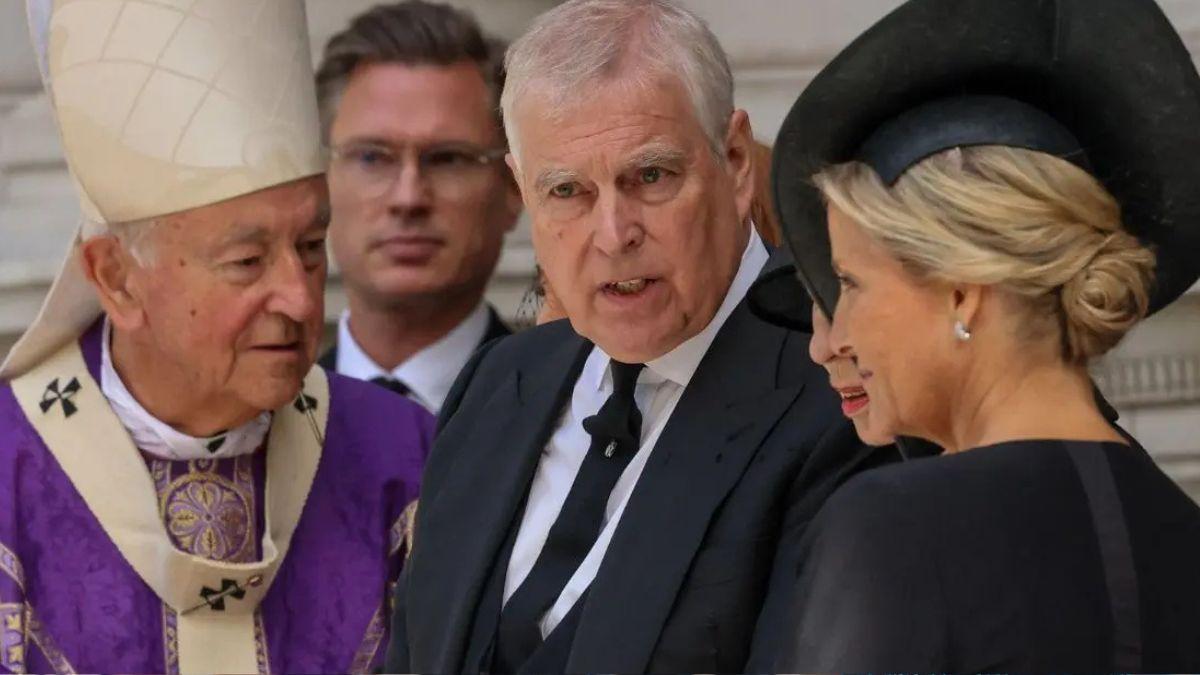
The mention of "purchases from government" in Andrew’s email to Epstein, alongside Epstein’s references to powerful, wealthy individuals, suggests a deeper, more complex web of potential influence and financial dealings that investigators will undoubtedly explore. The implications of a former senior royal potentially leveraging his position for the benefit of a convicted s– offender are far-reaching, touching upon issues of national security, corruption, and the integrity of public institutions.
As the legal process unfolds, the world will be watching closely. The outcome of the investigation and any subsequent legal action against Ex-Prince Andrew will not only determine his personal fate but will also have lasting repercussions for the image and future trajectory of the British monarchy, an institution striving to modernize and maintain public relevance in the 21st century.