The Federal Communications Commission’s (FCC) recent actions, including a contentious review of ABC’s broadcast television licenses and a decisive vote to repeal the national television ownership cap, have significantly intensified the debate over media regulation and the future of broadcast television in the United States. These parallel developments, unfolding amid overt criticism of ABC programming by President Donald Trump, are prompting critical questions about the agency’s authority, potential political influence, and the long-term landscape of the nation’s media industry. The combined weight of these decisions threatens to reshape how traditional broadcasters operate, consolidate, and fulfill their public interest obligations.
The Regulatory Landscape of Broadcast Television
The Federal Communications Commission, established as an independent government agency, is tasked with regulating interstate and international communications by radio, television, wire, satellite, and cable. A cornerstone of its regulatory framework for broadcast television has always been the concept of "public interest." Unlike other businesses, broadcasters are granted free access to valuable public airwaves and, in return, are expected to operate in the public interest, convenience, and necessity. This has historically translated into requirements for local programming, public affairs coverage, and adherence to certain ethical standards.
Central to maintaining a diverse media landscape was the national television ownership cap. This rule, significantly shaped by the Telecommunications Act of 1996, limited any single company from owning television stations that collectively reached more than 39% of U.S. television households. The cap was designed to prevent media monopolies, encourage localism by ensuring a multitude of independent station owners, and promote viewpoint diversity by limiting the concentration of editorial control. For decades, it has served as a structural safeguard against excessive consolidation within the broadcast industry, aiming to preserve local voices and competitive markets.
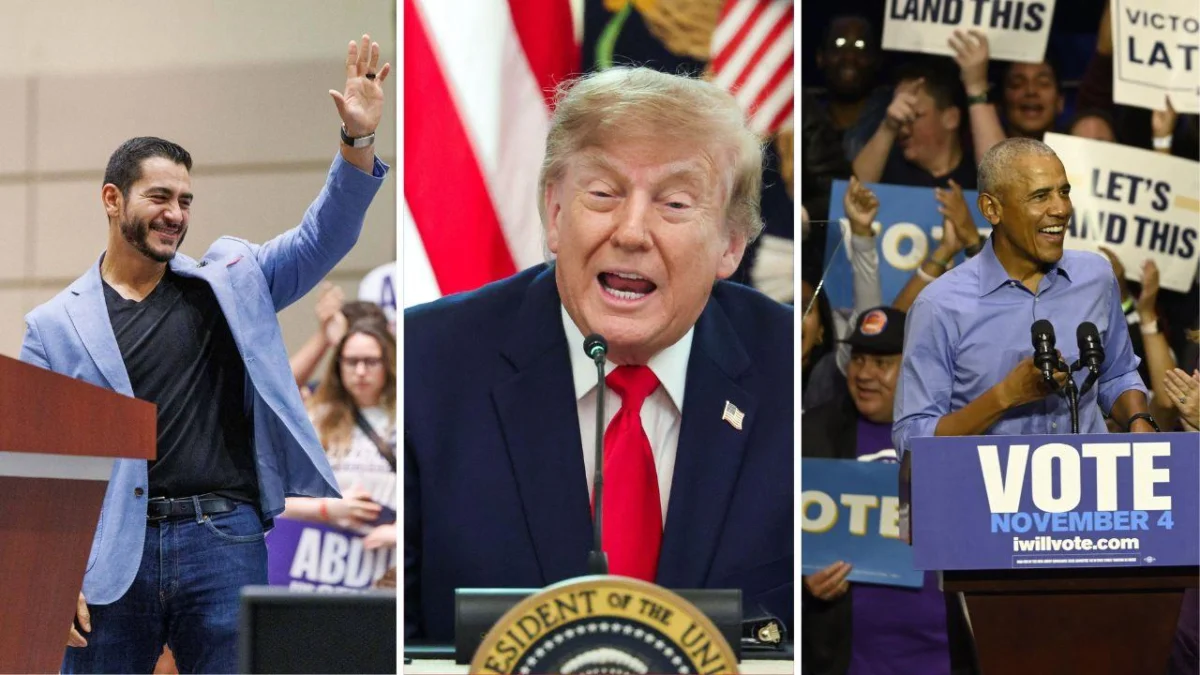
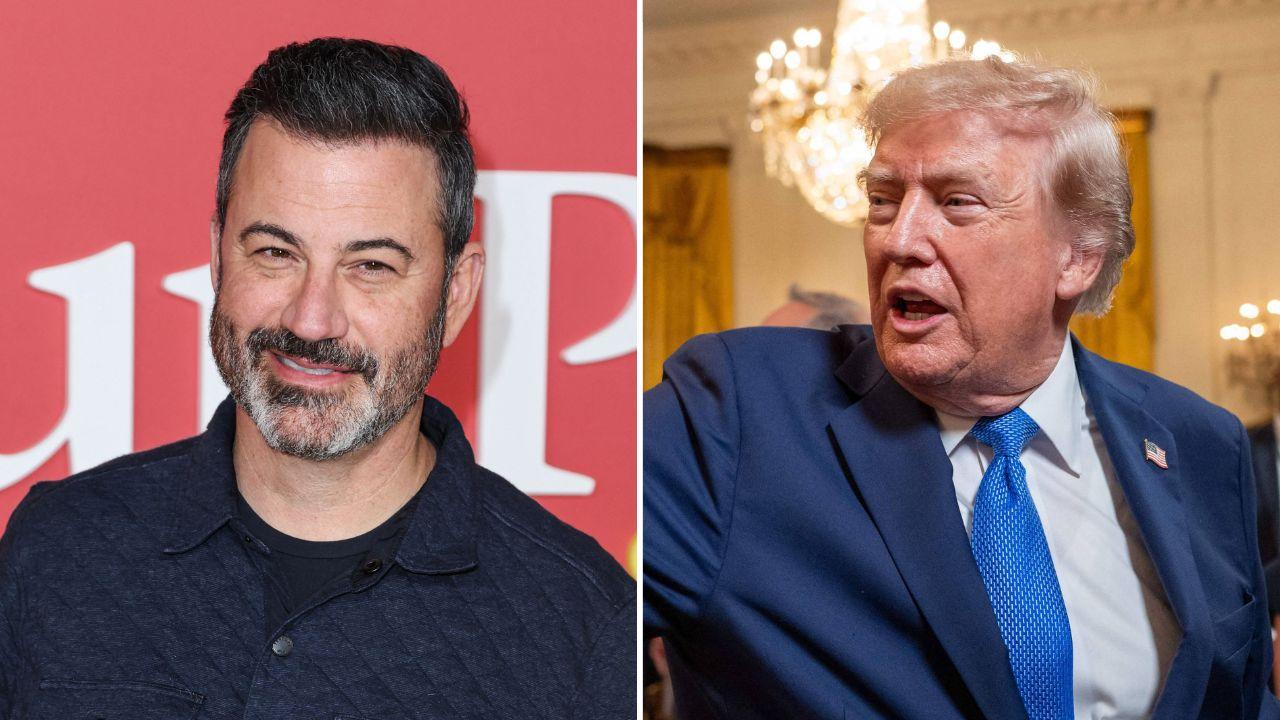
The current political climate has added another layer of complexity to media oversight. President Donald Trump has frequently used his platform to openly criticize news organizations and specific programs he deems unfavorable. His public calls for the firing of figures like late-night host Jimmy Kimmel have fueled concerns among media watchdogs about the weaponization of regulatory bodies and potential governmental pressure on journalistic independence. This backdrop has made the FCC’s recent moves particularly scrutinized, raising questions about whether regulatory actions are truly independent or influenced by political agendas.
Escalating Tensions: The FCC and ABC
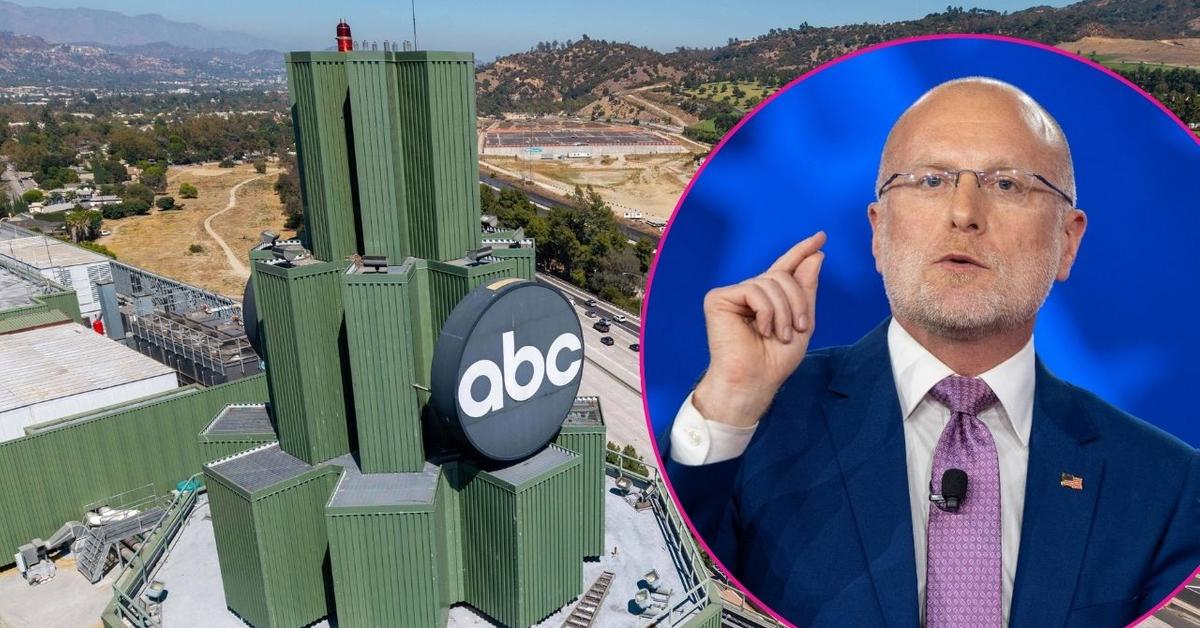
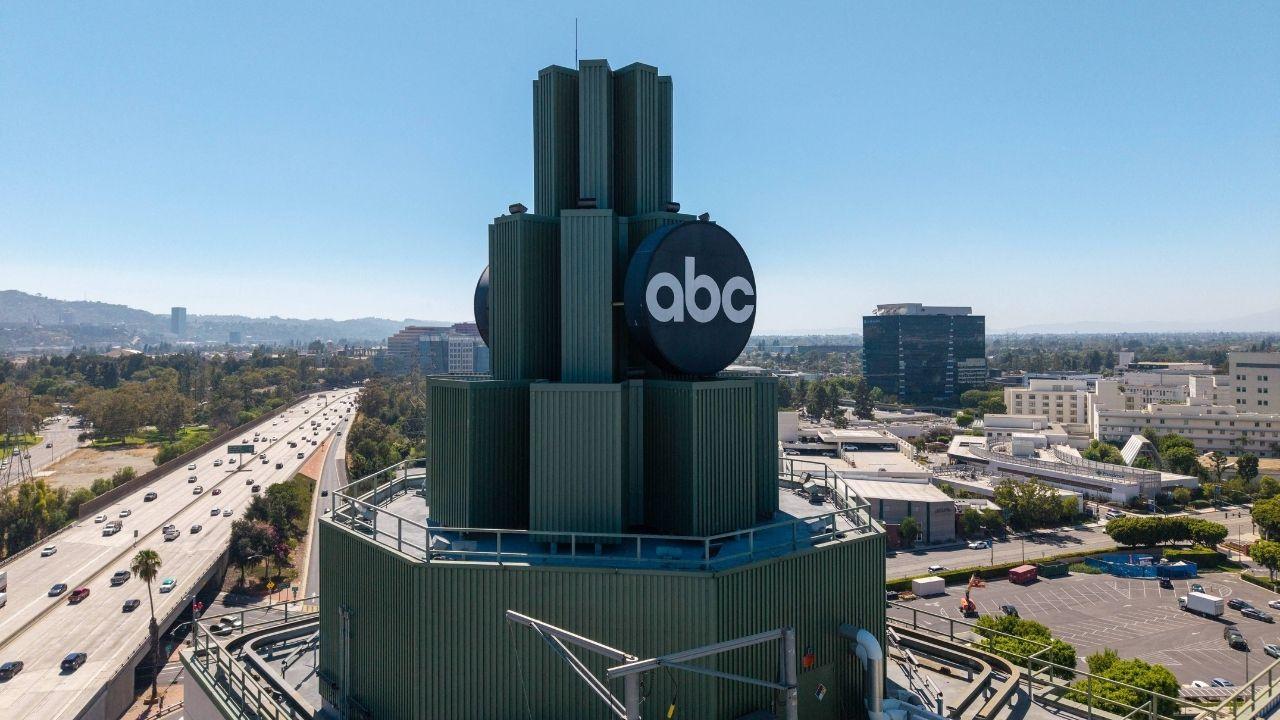
The direct conflict between the FCC and ABC first escalated in April, reportedly following a segment on Jimmy Kimmel Live! that drew the ire of President Trump. The FCC, under Chairman Brendan Carr, initiated an extraordinary review of eight ABC-owned local broadcast licenses. In its justification for the review, the agency cited Disney’s (ABC’s parent company) diversity, equity, and inclusion (DEI) practices. This move was immediately met with strong pushback from ABC, which characterized the early license review as unprecedented and retaliatory.

On July 30, ABC formally filed with the FCC, vehemently accusing the agency of targeting its licenses due to the administration’s disapproval of the network’s viewpoints. In its filing, ABC stated, "The retaliation against ABC is a signal to every media company in the country: Accommodate the Administration’s view of what news coverage should look like or pay the price." This stark warning underscored the network’s belief that the FCC’s actions were not merely regulatory oversight but a calculated attempt to exert political pressure and stifle critical reporting, creating a chilling effect across the media industry.
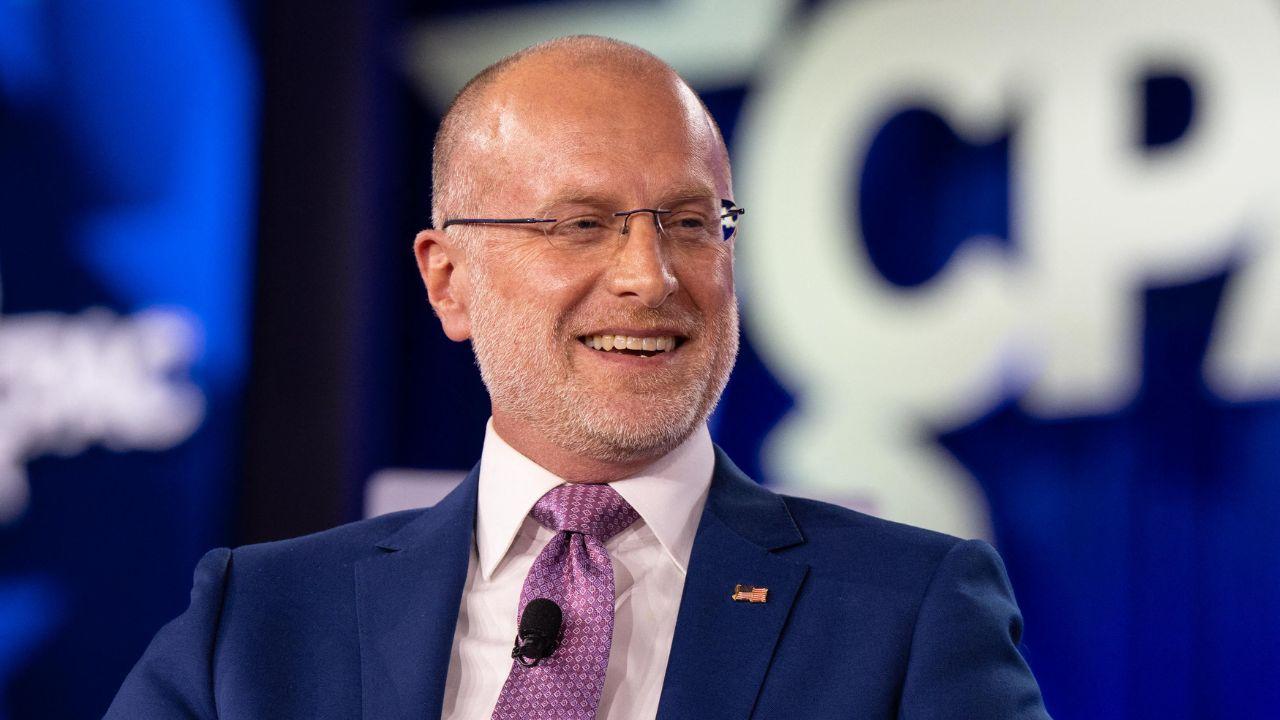
FCC Chairman Brendan Carr defended the agency’s actions in a Fox Business interview on July 31. He argued that broadcasters, by virtue of receiving free access to public airwaves, are inherently obligated to "operate in the public interest." Carr asserted, "Look, as a country, we should have a trusted, respected news media, and we’re not there. So I hope more broadcasters return to their public-interest obligations." His comments suggested a perception within the FCC that some broadcasters were failing to meet these obligations, thus necessitating increased scrutiny.
Further complicating the dispute, Carr has also moved to revisit the classification of ABC’s popular daytime talk show, The View. Since 2002, The View has been classified by the FCC as a "bona fide" news program. This classification is significant because it exempts the show from "equal-time rules," which mandate that broadcasters provide equivalent airtime to political candidates if they feature one candidate. Reclassifying The View could subject it to these rules, potentially limiting its ability to host political discussions or requiring it to offer airtime to a wider array of candidates, regardless of their relevance to the show’s format. This effort by the FCC has been seen by critics as another attempt to exert control over program content and editorial decisions. The public response to these controversies has been substantial, with ABC reporting over 140,000 public comments filed regarding the license matter, more than 95% of which supported the network’s position, indicating significant public concern over the FCC’s posture.

Redefining Broadcast Television Ownership
Adding to the regulatory turbulence, the FCC took a monumental step on August 6, voting 2-1 along party lines to repeal the national broadcast ownership rule. This long-standing regulation had prevented any single company from reaching more than 39% of U.S. television households through its owned stations. The decision marks a significant shift in media policy, potentially unleashing a wave of consolidation across the broadcast television landscape.
Chairman Carr, a proponent of the repeal, justified the move by arguing that the 39% cap was an outdated relic in a media environment now dominated by digital giants and streaming platforms. He contended that the traditional broadcast industry faces intense competition from tech companies that operate without similar ownership restrictions. Carr stated that the cap would be replaced by a "case-by-case review" process, which he believes offers a more flexible and modern approach to regulating media ownership, allowing for growth and adaptation in a rapidly evolving digital ecosystem.
However, the repeal has drawn sharp criticism, particularly from Democratic Commissioner Anna Gomez, who cast the dissenting vote. Gomez warned that eliminating the cap would accelerate consolidation and dismantle a crucial "structural safeguard to preserve localism, viewpoint diversity, and competition." She argued that removing the cap would not alleviate economic pressures on local broadcasters but merely shift "who is doing the squeezing," implying that larger entities would gain even greater leverage. Critics universally fear that this move will empower a few dominant media conglomerates to acquire more local stations, potentially leading to a homogenization of news and programming, reduced local content, and diminished independent voices in communities across the country.
The confluence of the targeted ABC license review and the broad ownership cap repeal creates a powerful narrative about the FCC’s direction. For many, these actions suggest a broader intent to redefine the boundaries of media regulation, not just in terms of market structure but potentially in terms of content and editorial freedom. The perception that the FCC might be influenced by political pressures, while simultaneously removing barriers to media concentration, has amplified concerns about the future independence and diversity of broadcast television.
The Future of Localism and Media Diversity
The implications of these FCC actions for the public, the industry, and the political landscape are far-reaching. For the public, increased media consolidation could translate into fewer independent news sources and a reduction in local news coverage. When large corporations own numerous stations, there is an economic incentive to centralize news production, leading to generic content that lacks local specificity and diverse perspectives. This could diminish the public’s access to critical information relevant to their communities, weakening local accountability and civic engagement.
Within the industry, the repeal of the ownership cap will undoubtedly benefit large media groups, enabling them to expand their reach and market power significantly. This could lead to a wave of mergers and acquisitions, further marginalizing smaller, independent broadcasters who may struggle to compete against consolidated giants. The shift from a fixed cap to a "case-by-case review" introduces an element of regulatory uncertainty, but it also opens doors for aggressive expansion by well-resourced players. The economic pressures on broadcasters are real, but the method of addressing them through deregulation raises fundamental questions about the balance between market efficiency and public interest.
Politically, the FCC’s moves have reignited debates about the independence of regulatory bodies and the sanctity of the First Amendment. Critics contend that the targeting of ABC’s licenses, especially in the context of presidential criticism, sets a dangerous precedent, suggesting that regulatory power could be wielded to influence media narratives. This raises concerns about chilling effects on freedom of the press and the potential for future administrations to similarly exert pressure on news organizations. The partisan vote on the ownership cap repeal further underscores the politicization of media regulation, highlighting deep divisions on how the communications landscape should be governed.
Culturally, a more concentrated media environment could lead to a narrower range of viewpoints and a less diverse representation of society. The loss of local voices and the potential for a few dominant narratives to shape public discourse could have profound effects on national identity and the marketplace of ideas. The role of broadcast television as a public trustee, entrusted with the airwaves, hangs in the balance as these regulatory shifts unfold.
Scrutiny and Speculation on the Horizon
The FCC’s decisions are unlikely to proceed without significant challenge. Legal battles are widely anticipated for the repeal of the national broadcast ownership cap, with advocacy groups and smaller broadcasters expected to argue that the agency has overstepped its authority or failed to adequately consider the public interest implications. These legal challenges could delay or even overturn the new policy, keeping the future of media ownership in flux.
The review of ABC’s broadcast licenses remains an ongoing matter, with its ultimate resolution keenly watched by the entire media industry. The outcome will likely set a precedent for how the FCC approaches license renewals and its interpretation of "public interest obligations" moving forward, particularly when political figures express dissatisfaction with media content. Congressional oversight is also a strong possibility, with lawmakers from both sides of the aisle likely to scrutinize the FCC’s actions and their potential impact on media independence and local communities.
Industry watchdogs and media ethics organizations continue to voice concerns about the increasing concentration of media power and the potential for diminished journalistic integrity. The debate over the FCC’s mandate in the digital age—how it balances traditional regulatory principles with the realities of a fragmented media landscape—will intensify. These developments signal a pivotal moment for broadcast television, challenging long-held assumptions about regulatory oversight, media independence, and the public’s right to diverse and localized information.