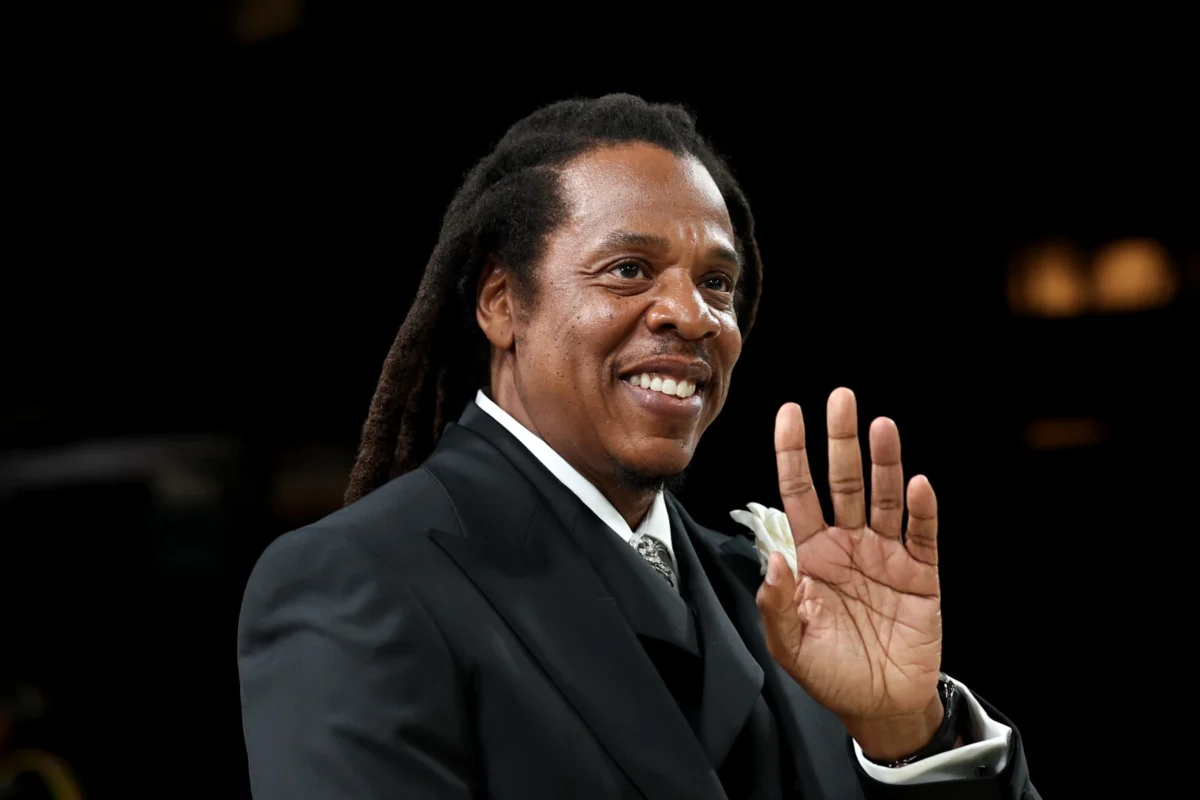
Jason Arday, a former professor at the University of Cambridge and a prominent British academic, has been found dead in south London just weeks after resigning from his prestigious position amidst a significant plagiarism scandal. The discovery, reported by British media citing authorities, marks a somber end to a career that had recently garnered national attention for both its meteoric rise and subsequent controversy.
Arday, 41, was discovered unresponsive at a London address on Friday. The circumstances surrounding his death are currently under investigation. The news of his passing comes on the heels of his resignation from his role as a professor and fellow at Jesus College, Cambridge, a position he had held since his appointment in 2023. At the time of his appointment, Arday made history as the youngest Black professor ever appointed to the esteemed university.
The allegations of plagiarism emerged following a series of investigative articles that scrutinized Arday’s academic output and aspects of his personal life. These reports specifically raised questions about the originality of his doctoral thesis, alleging instances of copied material. The controversy cast a long shadow over his academic achievements and his public persona.
In response to the accusations, Arday had publicly acknowledged making errors. However, he vehemently denied being a fraud, stating that he was being unfairly characterized. He asserted that he was being "wrongly portrayed to be a liar and a fantasist and an academic fraud." This defense underscored the deeply personal and professional stakes involved in the unfolding scandal.
The University of Cambridge had announced its intention to continue its investigation into Arday’s appointment and the allegations leveled against him. This commitment to a thorough review indicated the seriousness with which the institution viewed the accusations and their potential implications for academic integrity. The university’s stance suggested that the process of addressing the plagiarism claims would extend beyond Arday’s resignation.
Adding another layer to the complex narrative surrounding Arday was the recent release of his memoir, "Great and Unfortunate Things." The book, which details his early life challenges, including his experiences with autism, and his subsequent academic success, had recently been published in the United States. Its United Kingdom release was scheduled for later in the month. While the memoir itself had also drawn scrutiny, Arday’s British publisher maintained that no allegations of plagiarism had been made in relation to the book’s content. This distinction highlighted the focused nature of the academic plagiarism claims.
The Meteoric Rise and Sudden Fall of Jason Arday
Jason Arday’s academic journey was marked by rapid ascent and significant recognition. His appointment to Cambridge in 2023 as the youngest Black professor in the university’s history was hailed as a landmark achievement, symbolizing progress and opportunity within higher education. He was seen by many as an inspirational figure, breaking barriers and paving the way for future generations.
Prior to his Cambridge role, Arday held positions at other academic institutions, including Durham University and the University of Glasgow. His work often focused on race, inequality, and social justice, resonating with a broad audience and contributing to ongoing societal discussions. His early career was characterized by prolific writing and engagement with public discourse.
The allegations of plagiarism, however, cast a stark contrast to this narrative of success. The nature of these accusations, centered on the integrity of his scholarly work, struck at the core of academic credibility. Plagiarism, the act of presenting someone else’s work or ideas as one’s own without proper attribution, is considered a grave offense in academia, carrying severe consequences for reputation and career.
Scrutiny Intensifies Amidst Plagiarism Claims
The investigative articles that preceded Arday’s resignation detailed specific instances where his published works, including his doctoral thesis, were alleged to contain unattributed passages from other sources. These claims were often accompanied by detailed comparisons of text, drawing attention to the extent of the alleged borrowing.
The ensuing public discourse was intense, with reactions ranging from shock and disappointment to demands for accountability. The allegations raised fundamental questions about the vetting processes within academic institutions and the pressures faced by scholars in a highly competitive environment. The scrutiny extended beyond Arday himself, prompting broader conversations about academic standards and ethical conduct.
Arday’s public statements, in which he admitted to mistakes while refuting the characterization of deliberate fraud, revealed the personal toll of the scandal. He expressed a sense of being overwhelmed by the intensity of the accusations and the public judgment. His assertion of being "wrongly portrayed" suggested a belief that the context and nuances of his work were being overlooked.
The Role of Academic Integrity
The case of Jason Arday underscored the paramount importance of academic integrity. Universities worldwide rely on a foundation of trust and originality in scholarly research. When allegations of plagiarism arise, they not only damage the individual scholar’s reputation but can also cast doubt on the credibility of the institution itself.
The process of investigating such claims typically involves a rigorous review of the work in question, often by an independent panel of experts. This process aims to determine whether the alleged plagiarism constitutes a violation of academic policy and to recommend appropriate sanctions. The University of Cambridge’s commitment to continuing its investigation, even after Arday’s resignation, signals its dedication to upholding these standards.
The broader academic community closely observed the developments, recognizing the potential precedent that could be set. The handling of such cases can influence institutional policies, faculty expectations, and the public’s perception of academic rigor.
Memoir’s Release and Public Reaction
The simultaneous release of Arday’s memoir added another complex dimension to the unfolding events. "Great and Unfortunate Things" offered a deeply personal account of his life, intended to provide insight into his formative experiences and his journey to academic prominence. The book’s exploration of his struggles with autism and his subsequent achievements aimed to foster understanding and empathy.
However, the memoir also found itself under a microscope, with some questioning the narrative’s alignment with the ongoing plagiarism allegations. The publisher’s assurance that no plagiarism claims were made against the memoir itself served to differentiate this aspect of his work from the academic controversies. Nonetheless, the convergence of personal revelation and professional scandal created a challenging environment for the book’s reception.
Public reaction to Arday’s death has been varied, reflecting the polarized sentiments surrounding his career. Some have expressed profound sadness and sympathy, acknowledging the pressures he faced. Others have reiterated concerns about academic honesty and the need for accountability. The complex emotions surrounding his life and the circumstances of his death underscore the multifaceted nature of public perception in the digital age.
Broader Implications for Academia and Public Discourse
The case of Jason Arday raises significant questions with far-reaching implications for academia and the broader public discourse surrounding intellectual achievement. It highlights the intense scrutiny that public figures, particularly those in academia, can face, especially in the era of readily available digital information and rapid dissemination of news.
The speed at which allegations can surface and gain traction online presents challenges for individuals and institutions alike. The pressure to maintain impeccable academic records in a highly competitive landscape can be immense. Arday’s situation also brings to the fore discussions about the balance between protecting academic freedom and ensuring rigorous standards of ethical conduct.
Furthermore, the case touches upon issues of representation and the pressures faced by individuals from underrepresented backgrounds who achieve prominent positions. The heightened visibility and expectations that accompany such achievements can amplify the impact of any perceived misstep.
The Unfolding Investigation and Future Considerations
As investigations continue into the circumstances of Jason Arday’s death and the university’s review of his appointment progresses, the academic world will undoubtedly continue to grapple with the lessons learned from this unfortunate episode. The emphasis on maintaining the highest standards of academic integrity remains a cornerstone of scholarly pursuit.
The tragic end to Arday’s life serves as a stark reminder of the profound personal consequences that can arise from professional controversies. The ongoing process of understanding and disseminating the full details of this story will be crucial in shaping future discussions about academic ethics, public scrutiny, and the complex interplay between personal struggles and professional accountability. The details of the ongoing investigations are expected to shed further light on the events leading up to this tragic discovery.