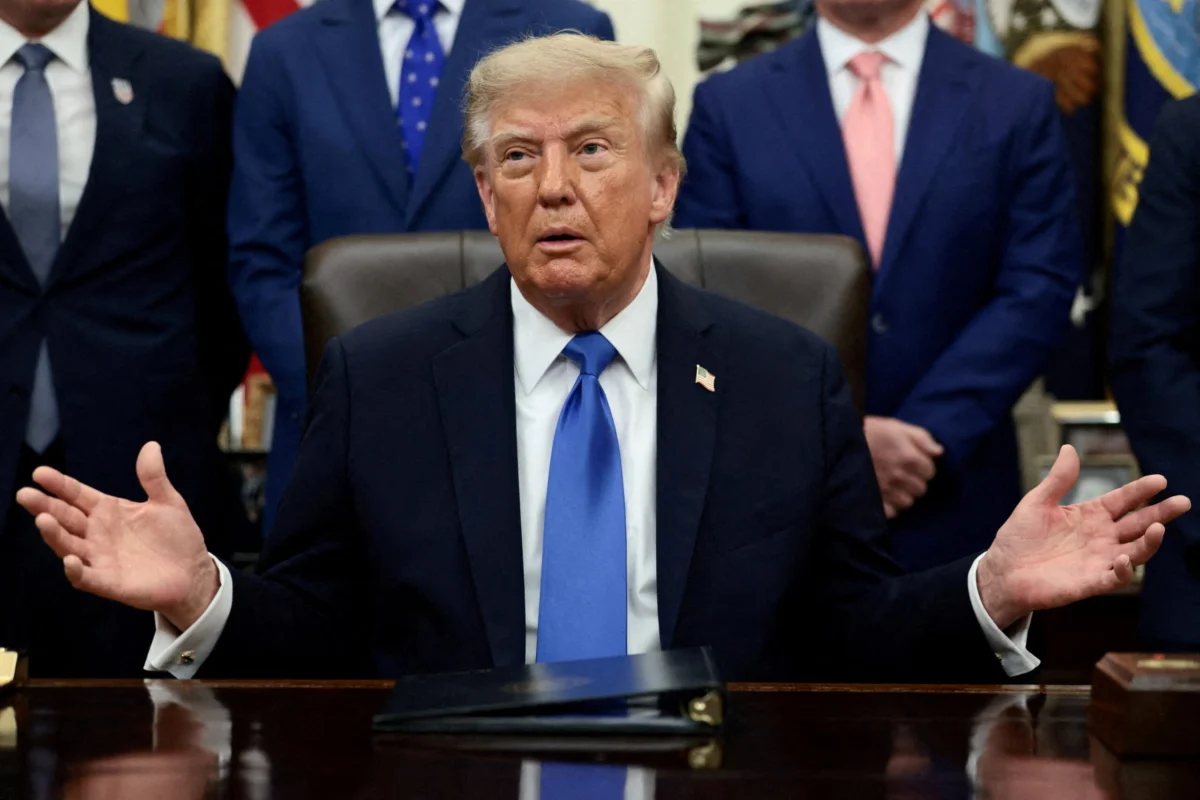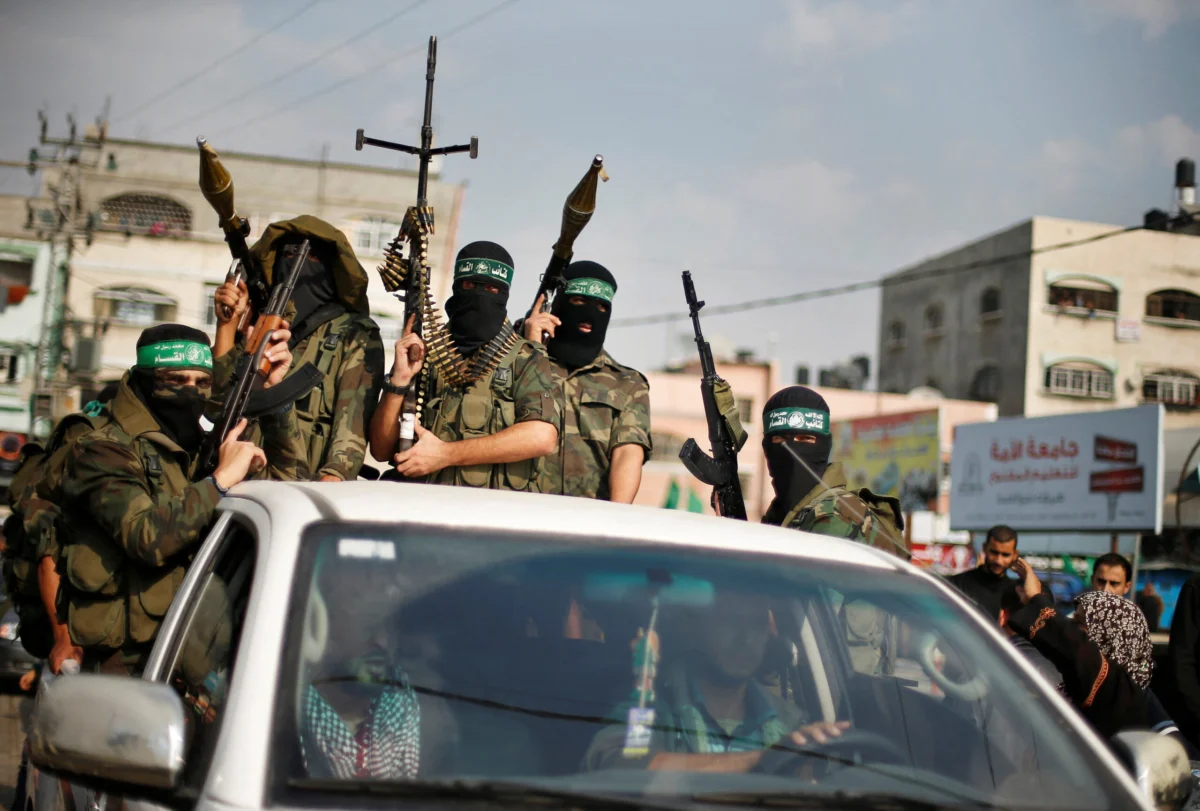
Hamas has reportedly agreed to a phased disarmament in the Gaza Strip, a development hailed by U.S. President Donald Trump as "historic" and a significant breakthrough in the long-standing Israeli-Palestinian conflict. The agreement, reportedly reached as part of a broader 20-point peace plan, signals a potential shift in the geopolitical landscape of the region, though significant hurdles and skepticism remain regarding its implementation and long-term implications.
A New Era for Gaza? Hamas’s Disarmament Proposal
The announcement marks a pivotal moment, suggesting a willingness by the militant group to relinquish its armed capacity in exchange for a comprehensive peace framework. Details of the phased disarmament process remain scarce, but sources indicate a gradual relinquishing of weaponry and military infrastructure over an unspecified period. This move, if actualized, would represent a dramatic departure from Hamas’s decades-long armed struggle against Israel.
The implications of such a disarmament are profound, potentially reshaping security dynamics, humanitarian conditions, and the very future of Palestinian governance in Gaza. For years, the Gaza Strip has been a flashpoint, characterized by recurrent conflicts and a protracted blockade, with Hamas serving as the de facto governing authority since 2007.
The Genesis of the Peace Plan
President Trump’s involvement in brokering this potential agreement underscores the administration’s sustained focus on resolving the Israeli-Palestinian conflict, a key foreign policy objective. The 20-point peace plan, which has not been fully disclosed publicly, is understood to encompass security arrangements, economic development, and the establishment of a Palestinian state.
The administration has been actively engaged in diplomatic efforts, engaging with regional players and both Israeli and Palestinian leadership. While specifics of the plan are being kept under wraps, it is believed to address core issues that have long hampered peace negotiations, including borders, settlements, and the status of Jerusalem. The inclusion of a phased disarmament for Hamas appears to be a cornerstone of this proposed resolution.
Historical Context: Decades of Conflict and Stalemate
The agreement to disarm comes after years of intense conflict and failed peace initiatives. Hamas, designated as a terrorist organization by the United States and several other countries, has been a primary antagonist in the Israeli-Palestinian conflict. Its armed wing has been responsible for numerous attacks against Israel, leading to retaliatory military operations by the Israeli Defense Forces (IDF).
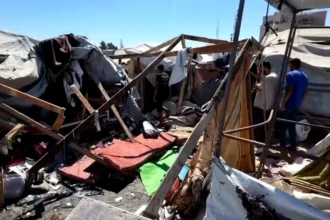
Since taking control of Gaza following internal Palestinian power struggles, Hamas has maintained a significant military presence, including a vast network of tunnels and a substantial arsenal of rockets. This military capability has been a major source of tension and insecurity for Israel, prompting the imposition of a stringent blockade on the Gaza Strip, which has severely impacted the humanitarian and economic situation for its residents.
Previous attempts at disarmament or significant concessions from Hamas have largely failed, often collapsing under the weight of mutual distrust and escalating violence. The current proposal, therefore, represents a significant potential shift in the established pattern of conflict.
Key Developments Leading to the Agreement
The path to this reported agreement has likely been paved by a series of intensive diplomatic engagements and perhaps concessions from various parties. While the precise timeline of negotiations is not public, it is understood that President Trump’s special envoy and other U.S. officials have been instrumental in facilitating discussions.
The administration’s approach has reportedly focused on creating a framework that addresses the security concerns of Israel while offering tangible economic and political benefits to the Palestinians. The phased disarmament of Hamas would likely be contingent on significant Israeli security assurances and a lifting of the Gaza blockade, alongside substantial international aid for reconstruction and development.
The announcement itself appears to be a strategic reveal, aimed at building momentum and garnering broader international support for the peace plan. The "historic" label used by President Trump suggests a high degree of confidence from the U.S. administration in the potential of this agreement.
Analyzing the Implications: Security, Governance, and Regional Stability
The successful implementation of a phased disarmament by Hamas would have transformative implications. For Israel, it would significantly reduce the existential threat posed by rocket attacks and cross-border incursions, potentially allowing for a recalibration of its security posture and a relaxation of the Gaza blockade. This could lead to a more stable security environment along its southern border.
For the Palestinian people in Gaza, a phased disarmament could pave the way for improved living conditions. The lifting of the blockade would facilitate the flow of goods, aid, and people, fostering economic recovery and enabling much-needed reconstruction of infrastructure damaged by years of conflict. It could also create an environment conducive to the establishment of a more unified Palestinian leadership, potentially bridging the current divide between Hamas in Gaza and the Palestinian Authority in the West Bank.
The broader regional stability could also be enhanced. A resolution to the Gaza issue could reduce a significant source of instability in the Middle East, potentially freeing up resources and political capital for other pressing regional challenges. It might also influence the dynamics of other regional actors and their relationships with both Israel and the Palestinian leadership.
Challenges and Skepticism Ahead
Despite the optimistic pronouncements, significant challenges and widespread skepticism surround the announcement. The history of failed peace processes and the deep-seated animosity between Hamas and Israel cast a long shadow. Questions remain about the sincerity of Hamas’s commitment, the specifics of the disarmament timeline, and the verification mechanisms that will be put in place.
The internal dynamics within Hamas are also a factor. The organization is not monolithic, and there may be factions that oppose such a fundamental shift in strategy. Ensuring full compliance across the organization will be a complex undertaking.
Furthermore, the Israeli government’s reaction and its willingness to reciprocate concessions are critical. Prime Minister Benjamin Netanyahu’s government faces its own political pressures and security considerations that will influence its engagement with any peace plan. The details of the 20-point plan and its perceived benefits for Israeli security will be heavily scrutinized.
The international community’s role in supporting and monitoring the disarmament process and subsequent reconstruction efforts will be paramount. Sustained international engagement and financial commitment will be necessary to build trust and ensure the long-term viability of any agreement.
Public Impact: Hope and Trepidation in Gaza and Beyond
For the millions of Palestinians living in Gaza, the news, if true, offers a glimmer of hope after years of hardship, conflict, and isolation. The prospect of an end to the blockade and a pathway toward a more prosperous future could be transformative. However, decades of dashed hopes have also bred a deep-seated sense of caution and skepticism.
In Israel, the news might be met with a mixture of relief and apprehension. While the prospect of enhanced security is welcome, concerns about the feasibility of disarming Hamas and the potential for renewed conflict will likely persist. The political landscape in Israel will also play a significant role in shaping public and governmental responses.
Across the region and internationally, the announcement is being closely watched. The potential for a breakthrough in the Israeli-Palestinian conflict, a conflict that has had far-reaching implications for global politics and security, could usher in a new phase of diplomatic engagement and cooperation.
Reactions and Next Steps in the Peace Process
Official reactions from Hamas and the Israeli government are eagerly awaited, as are further details about the 20-point peace plan. The coming days and weeks will likely be characterized by intense diplomatic activity as parties seek to clarify the terms of the agreement and address the myriad of challenges that lie ahead.
The United States will undoubtedly play a central role in guiding the implementation phase, working to build consensus among regional and international partners. The establishment of robust verification mechanisms and the commitment of substantial financial resources for reconstruction and development will be crucial next steps.
The road to lasting peace remains fraught with obstacles, but the reported agreement to a phased disarmament by Hamas represents a potentially significant, albeit delicate, step forward. Its success will depend on the sustained commitment, political will, and mutual trust of all parties involved, as well as robust international support. The world will be watching closely to see if this historic opportunity can translate into tangible peace and stability for the region.