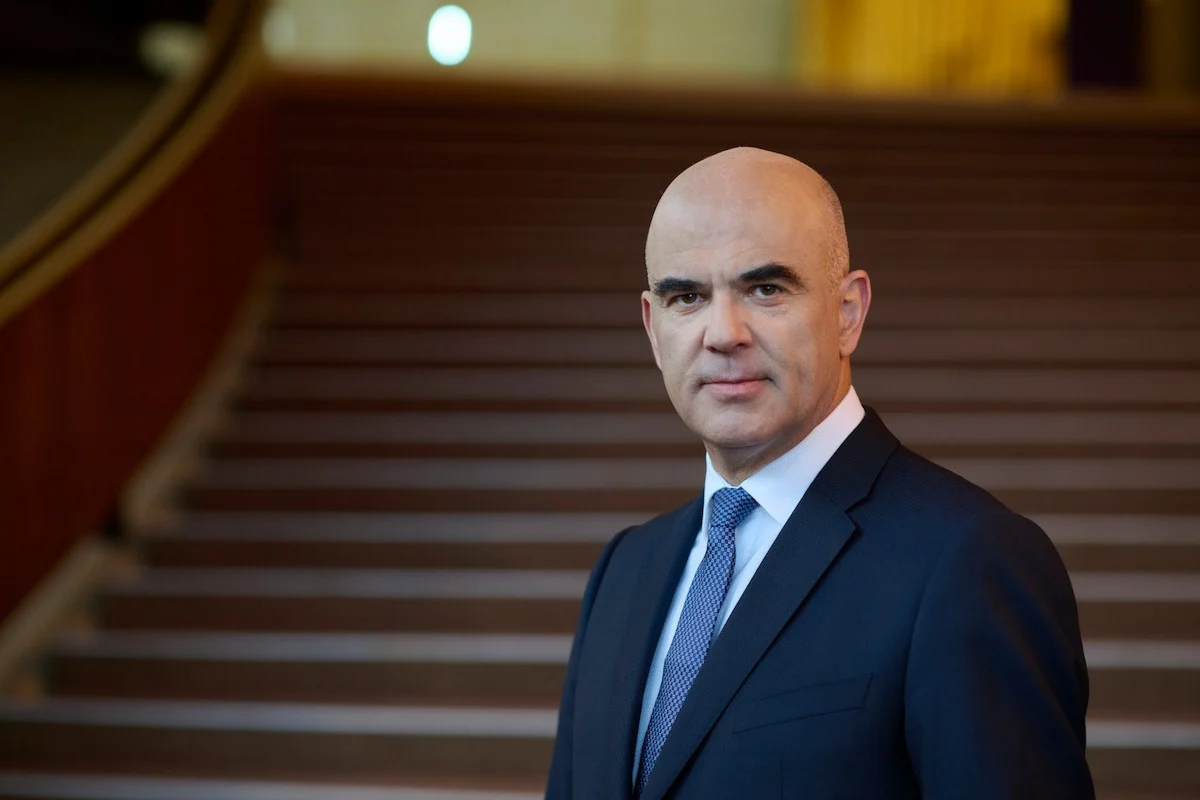
A groundbreaking international treaty designed to bolster the independent production of television and streaming series across Europe was officially unveiled Thursday by Council of Europe Secretary General Alain Berset at the prestigious Series Mania festival in Lille, France. The Convention on the Co-production of Audiovisual Works in the form of series, adopted by the continent’s leading human rights organization last November, marks a significant step towards fostering deeper cultural cooperation and democratic values through media.
A Landmark Treaty for European Audiovisual Production
This Historic European Co-Production Agreement is the first international legal instrument specifically tailored to support the creation of serialized content, a format that has surged in popularity and cultural impact across global audiences. Its primary objective is to dismantle administrative barriers and streamline the often complex process for independent producers from different countries to collaborate on joint projects. By simplifying these procedures, the treaty aims to make it significantly easier for co-productions to access crucial state media funding within their respective countries, thereby encouraging more ambitious and diverse storytelling.
The convention recognizes the unique challenges faced by independent producers in a fragmented European market, where navigating varied national regulations and funding schemes can be a formidable hurdle. By establishing a unified framework, the agreement seeks to unlock new creative and financial opportunities, allowing producers to pool resources, share expertise, and access broader talent pools. This harmonization is expected to foster an environment where cross-border collaboration is not only possible but actively encouraged, ultimately leading to a greater volume of high-quality, culturally rich European series.
Council of Europe’s Mandate and Cultural Diplomacy
The initiative comes from the Council of Europe, an organization distinct from the European Union, which encompasses 46 member states including non-EU nations like the United Kingdom, Switzerland, Norway, and Turkey. Founded in 1949, the Council of Europe’s core mission is to uphold human rights, democracy, and the rule of law across the continent. Its involvement in this Historic European Co-Production Agreement underscores its commitment to promoting cultural diversity and freedom of expression as fundamental pillars of democratic societies.
Secretary General Berset emphasized that European television can serve as a potent force for cooperation and democracy, articulating a vision where shared cultural endeavors contribute to stronger social bonds and mutual understanding. The Council of Europe has a long history of promoting cultural exchange, having previously established similar conventions for feature film co-production. This new treaty extends that legacy into the rapidly evolving landscape of episodic content, recognizing its pervasive influence on modern audiences.
Beyond Borders: The Pan-European Scope
The pan-European scope of the Council of Europe is crucial to the potential impact of this agreement. While the European Union has its own initiatives to support audiovisual production, the Council of Europe’s broader membership means that the benefits of this convention can extend to a wider array of countries, facilitating collaborations that might otherwise be geographically or politically constrained. This inclusivity is vital for creating a truly diverse tapestry of European narratives, encompassing perspectives from across the entire continent, not just within the EU bloc.
Addressing Industry Challenges and Fostering Diversity
The European audiovisual sector has been grappling with significant shifts driven by the rise of global streaming platforms and intense competition for audience attention. While these platforms have brought new investment, they also pose challenges to the visibility and sustainability of local, independent productions. The European Co-Production Agreement is a strategic response, designed to empower local producers and ensure that European stories continue to thrive and reach wide audiences.
The political goal of the treaty is explicitly stated as encouraging "cultural cooperation across borders [fostering] a richer mix of languages, perspectives, and storytelling traditions in the serial works available to citizens in Europe and beyond." This vision directly addresses concerns about cultural homogenization and the need to preserve and promote the continent’s linguistic vitality and pluralism. By supporting indigenous content, the convention aims to safeguard the unique cultural identities of European nations while simultaneously promoting cross-cultural dialogue.
The Economic and Creative Catalyst
From an economic standpoint, the convention is expected to act as a significant catalyst for growth within the European media industry. By making co-productions more viable, it can lead to larger budgets, higher production values, and increased employment opportunities for writers, directors, actors, and crew members across multiple countries. This could help retain creative talent within Europe, rather than seeing it drawn to larger, often U.S.-based, productions. For independent producers, the ability to access funding from several countries for a single project significantly de-risks ventures and allows for greater creative ambition. This pooling of resources could enable projects that would be impossible for a single national producer to undertake, leading to more complex narratives and higher production quality.
Series Mania: A Strategic Launchpad
The unveiling of the convention at Series Mania was a deliberate and strategic choice. Series Mania is one of the most prominent international festivals dedicated entirely to television series, drawing industry leaders, creators, and political decision-makers from around the globe. Its "Lille Dialogues" summit, which kicked off with Berset’s presentation, is specifically designed to address the major strategic challenges facing the audiovisual sector. This provided the ideal platform to introduce such a pivotal initiative to key stakeholders.
Laurence Herszberg, founder and general director of Series Mania, hailed the convention as a "major step forward for the industry." She underscored that the agreement would "help bring more diverse series to audiences across Europe and beyond," aligning perfectly with Series Mania’s long-standing mission to celebrate and promote a wide array of international storytelling. Her endorsement highlights the industry’s enthusiasm for a framework that promises to enhance creative freedom and market access.
Mechanism and Path to Implementation
The Convention on the Co-production of Audiovisual Works in the form of series is now open for signature by the Council of Europe’s 46 member countries. For the treaty to enter into force and become legally binding, it requires ratification by at least three countries. This process involves each signatory nation formally adopting the convention into its national law. While the initial adoption by the Council of Europe in November demonstrated political consensus, the ratification phase will be critical in determining the speed and breadth of its implementation.
The Council of Europe is actively encouraging all its member states, and even countries beyond Europe, to join the initiative. This broad invitation signals a desire for the convention to become a truly global standard for series co-production, extending its benefits to a wider international community. The success of previous cultural conventions suggests a strong likelihood of widespread adoption, particularly given the growing appetite for high-quality serialized content worldwide.
Anticipated Impact and Future Outlook
Once in force, the convention is expected to simplify many of the bureaucratic complexities currently involved in international co-productions. This includes standardizing definitions of what constitutes a "co-production," clarifying intellectual property rights, and establishing clear mechanisms for financial contributions and revenue sharing. By reducing legal and administrative uncertainties, the treaty aims to foster a more predictable and attractive environment for investment in European series. The long-term impact could be a vibrant, interconnected European production landscape, capable of competing more effectively with global content giants while preserving its unique cultural voice.
Broader Implications: Strengthening European Identity and Democracy
Beyond its economic and industrial benefits, the Historic European Co-Production Agreement carries significant political and cultural weight. The convention explicitly states that high-quality international co-productions are "public goods" that "nurture linguistic vitality, pluralism and democratic participation, in line with the Council of Europe’s mission to safeguard democracy." This framing elevates audiovisual content beyond mere entertainment, positioning it as a vital tool for civic engagement and the strengthening of democratic values.
In an era of increasing misinformation and societal polarization, fostering diverse perspectives and shared cultural experiences through media becomes even more crucial. By facilitating stories that traverse national boundaries, explore different cultures, and reflect a multitude of viewpoints, the treaty aims to build bridges between communities and reinforce a shared sense of European identity rooted in democratic principles and respect for human rights. Secretary General Berset underscored this, calling series "one of the defining cultural forms of our time," capable of reaching audiences across borders and bringing diverse perspectives into homes. He expressed hope that the convention would make culture "a force for cooperation and democracy."
The unveiling of this convention represents a pivotal moment for the European audiovisual sector, signaling a concerted effort to foster greater collaboration, cultural diversity, and democratic engagement through the powerful medium of television and streaming series. As nations consider ratification, the long-term vision is for a more integrated, vibrant, and culturally rich European media landscape, capable of producing stories that resonate globally while remaining deeply rooted in the continent’s diverse heritage.