Veteran comedian and television personality Howie Mandel recently disclosed a harrowing personal struggle during the height of the COVID-19 pandemic, revealing he almost died while self-medicating with substances to induce unconsciousness as a desperate attempt to cope with his severe anxiety and obsessive-compulsive disorder (OCD). The 70-year-old entertainment icon shared his experience on Hoda Kotb’s "Joy 101" podcast, detailing a period where his mental health deteriorated to a dangerous point, leading his wife, Terry Mandel, to issue a life-changing ultimatum. This candid confession highlights the profound and often unseen psychological toll the global health crisis took on individuals, particularly those with pre-existing mental health conditions.
Howie Mandel’s Longstanding Battle with Mental Health
For decades, Howie Mandel has been an outspoken advocate for mental health awareness, openly sharing his struggles with anxiety and OCD. His public persona, characterized by humor and high energy, often masks the underlying challenges he faces daily. Mandel has frequently discussed the pervasive nature of his germaphobia, a core component of his OCD, which manifests as an intense fear of contamination and a compulsive need for cleanliness. This condition, which he has managed with therapy and prescribed medication for many years, shaped his daily life long before the pandemic.

His openness has made him a relatable figure for millions grappling with similar issues, offering a beacon of hope and demonstrating that even highly successful individuals can live with and manage mental health disorders. Mandel’s career, spanning stand-up comedy, acting roles in films like Gremlins, and his prominent judging position on America’s Got Talent and hosting Deal or No Deal, has always run parallel to his journey of mental wellness. However, the unprecedented circumstances of the COVID-19 pandemic created an environment that profoundly challenged his established coping mechanisms and stable routine.
The COVID-19 Pandemic: A Catalyst for Crisis
The arrival of the COVID-19 pandemic in early 2020 presented an unparalleled global crisis that rapidly transformed daily life, instituting widespread lockdowns, social distancing, and an pervasive atmosphere of fear and uncertainty. For individuals with mental health conditions, especially those like Mandel who contend with severe germaphobia and anxiety, the pandemic was not merely a public health threat but a profound psychological assault. The constant news cycles detailing infection rates, mortality, and the necessity of extreme hygiene measures directly targeted Mandel’s deepest fears.
The isolation brought on by lockdown protocols exacerbated feelings of distress and disconnection for many. For Mandel, the world effectively became his worst nightmare: a breeding ground for invisible pathogens, necessitating hyper-vigilance and extreme precautions. This environment proved incredibly difficult to navigate, overwhelming his usual strategies for managing his OCD and anxiety. He found himself unable to sleep, tormented by ruminative thoughts that spiraled out of control. The constant threat of illness, combined with the disruption of his professional and personal routines, pushed him to a breaking point where the desire for escape became paramount.

The Descent into Self-Medication and Near-Death
During this critical period, Mandel sought refuge from his relentless mental health torment through self-medication. He admitted to turning to marijuana-infused gummies, not for recreational use, but with the specific intent of achieving unconsciousness. "I couldn’t sleep because part of my rumination is — I make fun of it — but I’m a germaphobe, and a pandemic? I live like I’m in a pandemic anyhow," Mandel explained on the podcast. He described a desperate need to simply "escape" the overwhelming reality and the constant anxiety, seeking a state where he could be completely unaware.
This self-prescribed regimen quickly spiraled into a dangerous pattern. Mandel recounted moments where his wife, Terry, would find him unresponsive. "There were times when my wife, she couldn’t wake me up or she thought she was going to take me to the hospital," he revealed. This stark admission underscores the severity of his condition and the life-threatening consequences of his attempts to self-medicate. The pursuit of unconsciousness became a perilous journey, placing him on the brink of a medical emergency and causing immense distress to his family.
An Ultimatum and the Path to Recovery
The turning point in Mandel’s harrowing experience came through the unwavering support and courageous intervention of his wife, Terry. Recognizing the perilous state her husband was in, Terry delivered a firm ultimatum: seek professional help or face dire consequences for their relationship. "Finally, my wife just went, ‘I can’t do this, this is really tiring, go talk to somebody,’" Mandel recalled. He credits her as his "hero," acknowledging that her decisive action was the catalyst for his return to a healthier path.

This ultimatum pushed Mandel to re-engage with professional mental health support. He transitioned away from self-medicating and returned to a regimen of prescribed medication under the guidance of healthcare professionals, coupled with intensive therapy. His experience serves as a powerful testament to the critical role that loved ones can play in recognizing a crisis and insisting on professional intervention when an individual is too overwhelmed to do so themselves. The journey from the brink of unconsciousness to stability required external support and a renewed commitment to his well-being.
The Dangers of Self-Medication and Broader Implications
Howie Mandel’s story serves as a stark warning about the inherent dangers of self-medication, particularly with substances like cannabis, which, while legalized in many areas, can have unpredictable and severe consequences, especially when used to escape chronic mental health distress. Unlike professionally prescribed medications, which are carefully dosed and monitored, self-administered substances lack oversight, making it easy to overdose or experience adverse reactions. Mandel’s comment, "I can’t do anything in moderation," highlights a common characteristic of addictive behaviors or coping mechanisms that can quickly become harmful.
His public confession also contributes significantly to the ongoing conversation about celebrity mental health. When figures as prominent as Mandel share their vulnerabilities, it helps to destigmatize mental illness and substance misuse, encouraging others to seek help without shame. His experience underscores that mental health struggles are universal, affecting people across all walks of life, regardless of their public image or professional success. The specific context of the COVID-19 pandemic further amplifies the relevance of his narrative, reminding society of the widespread psychological damage inflicted during that period.
Current Strategies and Ongoing Management
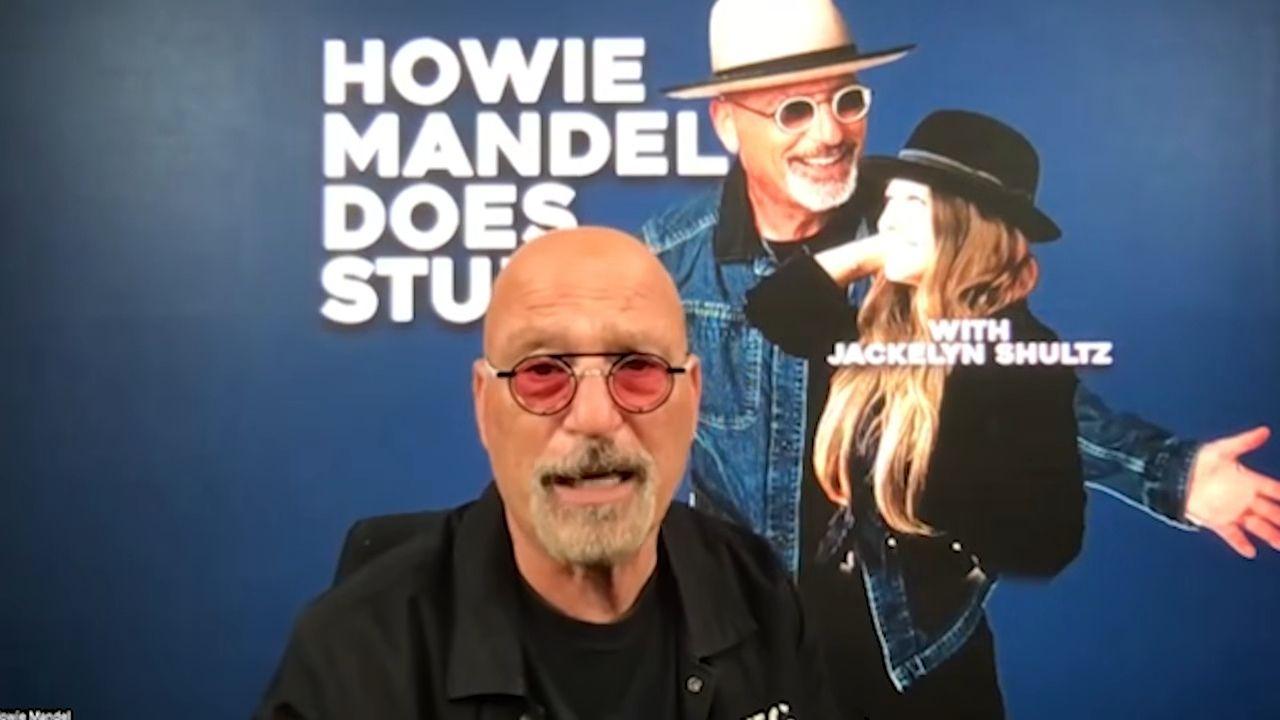
Today, Howie Mandel emphasizes his commitment to managing his mental health through a structured and professionally guided approach. He is "medicated" and "surrounded by professionals," a crucial shift from his period of self-medicating. He remains acutely aware of his vulnerability to the "lows" of his conditions, describing them as "incredibly painful and hard to navigate." His life now revolves around carefully balancing his prescribed medication and engaging in ongoing therapy to maintain stability.
Beyond clinical interventions, Mandel has developed personal coping mechanisms. He identifies "distraction" as his primary tool, making it a priority to remain "incredibly busy" to prevent "dark, recurring thoughts" from consuming him. This strategy, while perhaps sounding unconventional, is a recognized method for managing rumination and intrusive thoughts associated with OCD and anxiety. By immersing himself in work and other activities, he creates a mental buffer against the overwhelming internal struggles that led him to seek unconsciousness during the pandemic.
A Continuing Journey of Resilience and Advocacy
Howie Mandel’s journey from the precipice of a self-medicating crisis during the COVID-19 pandemic to his current state of managed wellness is a testament to resilience and the power of professional and personal support. His candid sharing on platforms like Hoda Kotb’s podcast not only illuminates the personal battles behind a public figure but also serves as a vital public service message. It underscores the critical importance of addressing mental health challenges head-on, seeking qualified help, and recognizing the life-saving role of family intervention.
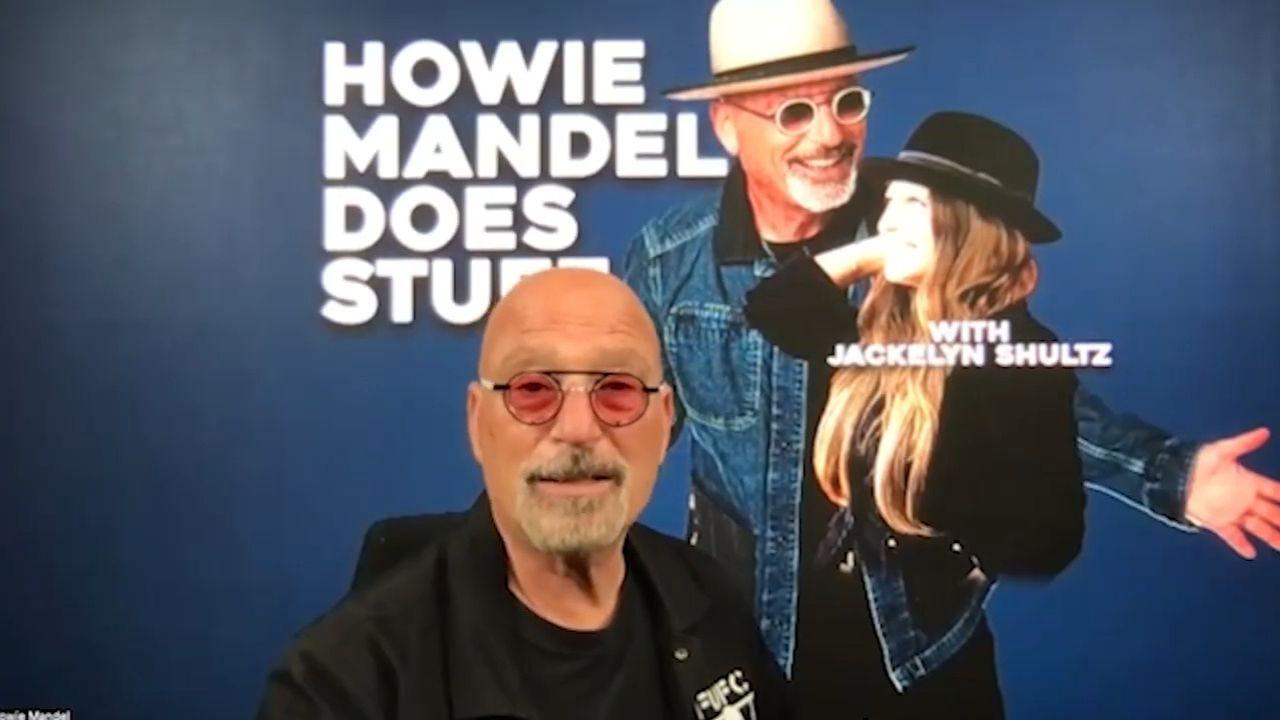
His story resonates with countless individuals who faced unprecedented stress and emotional turmoil during the pandemic, many of whom may have also turned to unhealthy coping mechanisms. Mandel’s ongoing advocacy for mental health awareness and his willingness to expose his own vulnerability continue to foster a more empathetic and understanding dialogue around these crucial issues. His experience stands as a powerful reminder that while the desire to "escape" into unconsciousness can be a desperate cry for relief, true and lasting peace is found through sustained professional care and the unwavering support of loved ones.