Bay Ridge, Brooklyn – As the FIFA World Cup final approached, the vibrant streets of Bay Ridge, a neighborhood often referred to as "Little Palestine," buzzed with an unexpected fervor: widespread support for the Spanish national team. For many in this diverse Arab American enclave, the choice for the championship match wasn’t solely about athletic prowess but a complex tapestry of political solidarity and shared cultural experiences, particularly in the context of the ongoing Israeli-Palestinian conflict.
Zein Rimawi, a 72-year-old community leader and chair of the Arab American Federation nonprofit, articulated a sentiment echoed by many: "I support countries that support our causes, especially the Palestinian cause." While not an avid football follower, Rimawi’s immediate endorsement of Spain over Argentina for the World Cup final stemmed from a deeply political calculus. This perspective highlights how global sporting events can become powerful platforms for expressing political allegiances and frustrations, especially for communities feeling marginalized or unheard.
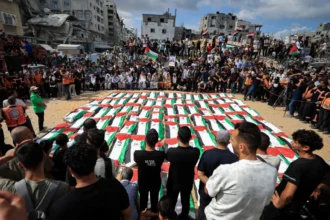
The neighborhood itself is a microcosm of the Arab diaspora in New York, a melting pot where Palestinian flags, keffiyeh patterns, tatreez embroidery, and the iconic watermelon symbol are visible markers of identity. Yet, Bay Ridge is also home to Yemeni cafes, Lebanese grocery stores, and various other immigrant communities, creating a rich cultural mosaic. The proximity of the World Cup final, hosted in neighboring New Jersey, amplified the local excitement, transforming local businesses into impromptu viewing hubs adorned with the flags of participating nations.
For Rimawi and others, the World Cup transcends the realm of sport, acting as a "political summit." Spain’s recent recognition of the State of Palestine in 2024 and its vocal criticism of Israel’s actions in Gaza have cemented its status as a favored nation among many Arab fans. This alignment of political stances with sporting choices underscores a deliberate and informed engagement with international affairs by diaspora communities.

"I didn’t know who Hossam Hassan was," Rimawi admitted, referring to Egypt’s head coach. "But when he raised the Palestinian flag, I instantly became a fan." This anecdote illustrates the profound impact of gestures of solidarity, turning a sports figure into a symbol of shared struggle and hope for a community often at the forefront of advocating for Palestinian rights.
Echoes of Solidarity at Al Reef Bakery
Across 5th Avenue, at Al Reef Bakery, a popular community hub, Talal Abdraboh shared a similar perspective. He emphasized Spain’s historical and contemporary support for Palestinians, coupled with the centuries-long Arab presence in Andalusia, as reasons for the community’s affinity. "It’s not about bias against Argentina," Abdraboh stated. "If any team that’s not Arab were facing Spain, we would support Spain. We’re for Spain with all our hearts."
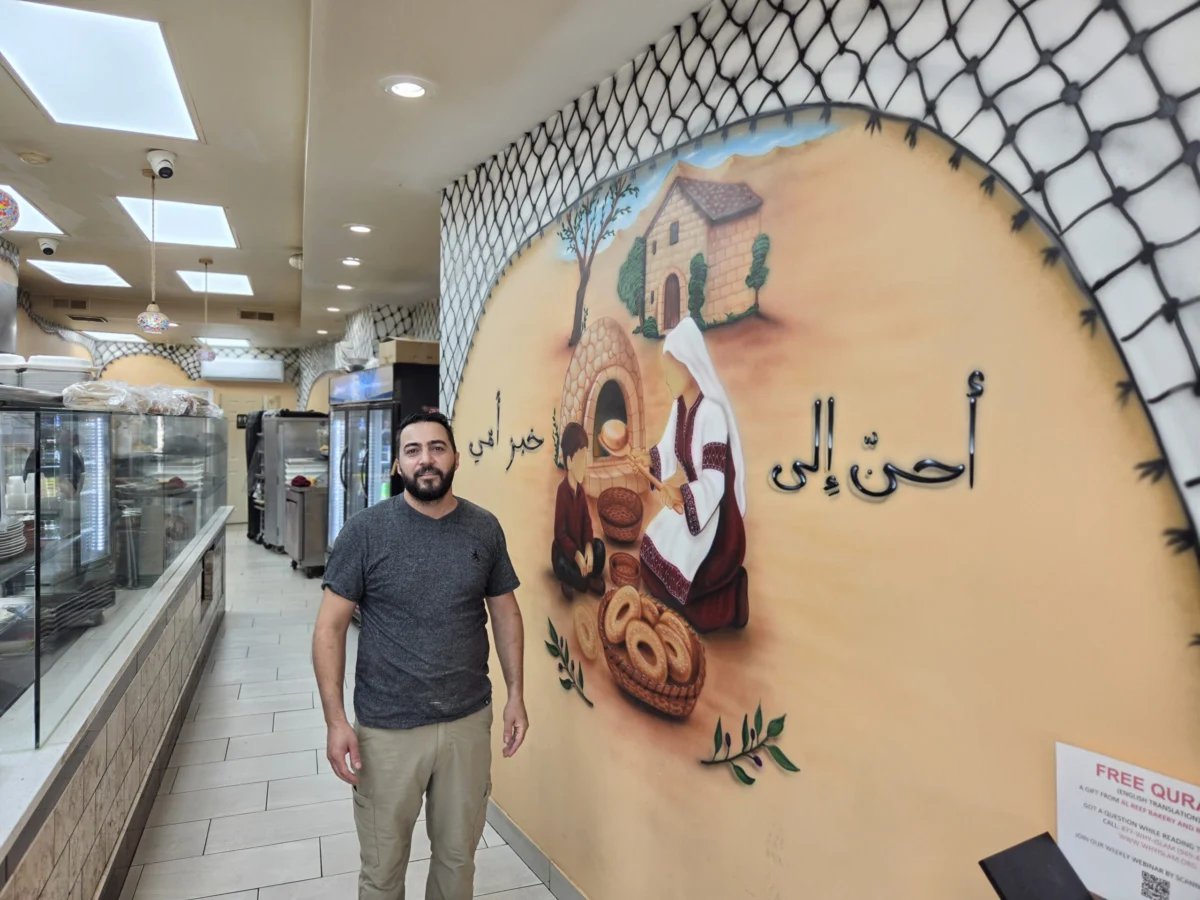
The bakery itself serves as a testament to Palestinian heritage, featuring a large mural of the Dome of the Rock in Jerusalem and another depicting a Palestinian woman baking, accompanied by the poignant words of Palestinian poet Mahmoud Darwish: "I long for the bread of my mother." These artistic expressions serve as constant reminders of cultural identity and longing for homeland.
Abdraboh reflected on the broader Arab community’s immersion in the World Cup, noting the ubiquitous presence of the Palestinian flag during matches featuring Arab teams. "All the Arab fans were raising the Palestinian flag. So, when any Arab team was playing, we were cheering for them as Palestinians." This collective expression of identity and solidarity during the tournament highlighted a powerful sense of shared heritage and political consciousness among Arab diasporas.
The 2026 World Cup marked a significant moment for Arab representation, with a record eight Arab nations participating. Morocco’s impressive run to the quarterfinals and Egypt’s advancement to the Round of 16, despite a controversial exit against Argentina, were sources of national pride and further galvanized support for Arab teams, often intertwined with Palestinian solidarity.

Fostering Unity Through Football
Mahmoud Kasem, owner of Al-Aqsa Bakery, actively fostered this sense of community and shared passion. He installed a large outdoor TV screen and offered free falafel during major Arab team matches, drawing crowds from across Bay Ridge. "Not everything is about business," Kasem told Al Jazeera. "I love soccer. Across the Arab world, we are infatuated with the game. I wanted to create a beautiful atmosphere as we do in Palestine. Put a TV outside and tell people, ‘Come and watch.’"
Kasem’s initiative aimed to replicate the communal spirit of football celebrations in Palestine, creating a space for people of diverse Arab backgrounds to connect. "The beauty of it is seeing the Palestinians, the Lebanese, the Moroccans, the Jordanians, everyone get together. I love unity. I love community and being all together." His vision extended beyond the immediate festivities, expressing a hope that Arab leaders would emulate the diaspora’s unity and overcome internal disputes and borders.
He even managed to de-escalate a minor conflict with local police over his street-side viewing setup by invoking the shared excitement of New York sports fans during championship runs, like the New York Knicks’ NBA victory. This anecdote underscores the power of sports to bridge divides and foster goodwill.
Kasem also voiced his support for Spain, citing their principled stance on international issues. "When Palestine was bombed, they took a stance. When Lebanon was bombed, they took a stance," he stated. "They stand with humanity. They stand with freedom." His reference to Palestinians supporting Real Madrid and Barcelona in club football further illustrates the deep-seated connection many have with Spanish football.
The broader solidarity from Spain extended beyond its government, with numerous celebrities and footballers publicly expressing support for Palestine. Notably, Athletic Club, a Basque team whose players include Spain’s goalkeeper Unai Simon and winger Nico Williams, officially called for an end to the "genocide in Gaza" last year. This collective expression of support from various sectors within Spain resonated deeply with the Arab diaspora in New York.

Kasem argued that FIFA itself had politicized the sport by awarding U.S. President Donald Trump its Peace Prize and suspending Russia over its invasion of Ukraine, while allegedly failing to take similar action against Israel for its actions in Gaza. This critique highlights a perception of double standards in how international sporting bodies address political conflicts.
Argentina-Israel Connections Spark Debate
The narrative surrounding the World Cup final also involved a complex dynamic concerning Argentina. For some Arab fans, there was an inclination to view the Argentinian team through the lens of the pro-Israel policies of Argentine President Javier Milei and the public support for Argentina expressed by Israeli Prime Minister Benjamin Netanyahu. Israeli flags were reportedly seen during Argentina’s match against Egypt, fueling these perceptions.
However, the Argentinian team and its players have largely remained neutral on the Israeli-Palestinian conflict. A notable past instance of solidarity occurred in 2018 when Argentina canceled a friendly match against Israel in Jerusalem following significant pressure from Palestinian rights activists. This historical context adds layers of nuance to the debate.
Despite these political associations, some Arab Americans continued to back Argentina, driven by the sheer brilliance of players like Lionel Messi. Karim Bouzeraa, a 24-year-old barber in Bay Ridge, articulated this sentiment: "Messi is a legend. Twenty years of competition is not something easy. We’ve seen other legends, but no one with the same longevity." For fans like Bouzeraa, the artistry and enduring legacy of football icons can transcend geopolitical concerns.
Bouzeraa also expressed optimism about the broader impact of the tournament on Arab unity. "At the end of the day, we are all Arabs – one blood," he stated. "Hopefully in the next World Cup we see many Arab teams, so we can support them." This sentiment reflects a desire for increased Arab representation on the global stage and a celebration of shared identity that football can help foster. The World Cup final, therefore, became more than just a sporting event; it served as a focal point for political expression, cultural affirmation, and a powerful display of diaspora unity within the diverse landscape of New York City.