The Republic of Ireland secured a decisive 3-0 victory over Israel in a UEFA Nations League fixture played in Hungary, a match that unfolded against a backdrop of significant controversy and widespread calls for a boycott. The game marked the first of two scheduled encounters between the nations, with the Irish team’s actions on the field and in the pre-match protocol drawing international attention and sparking debate.
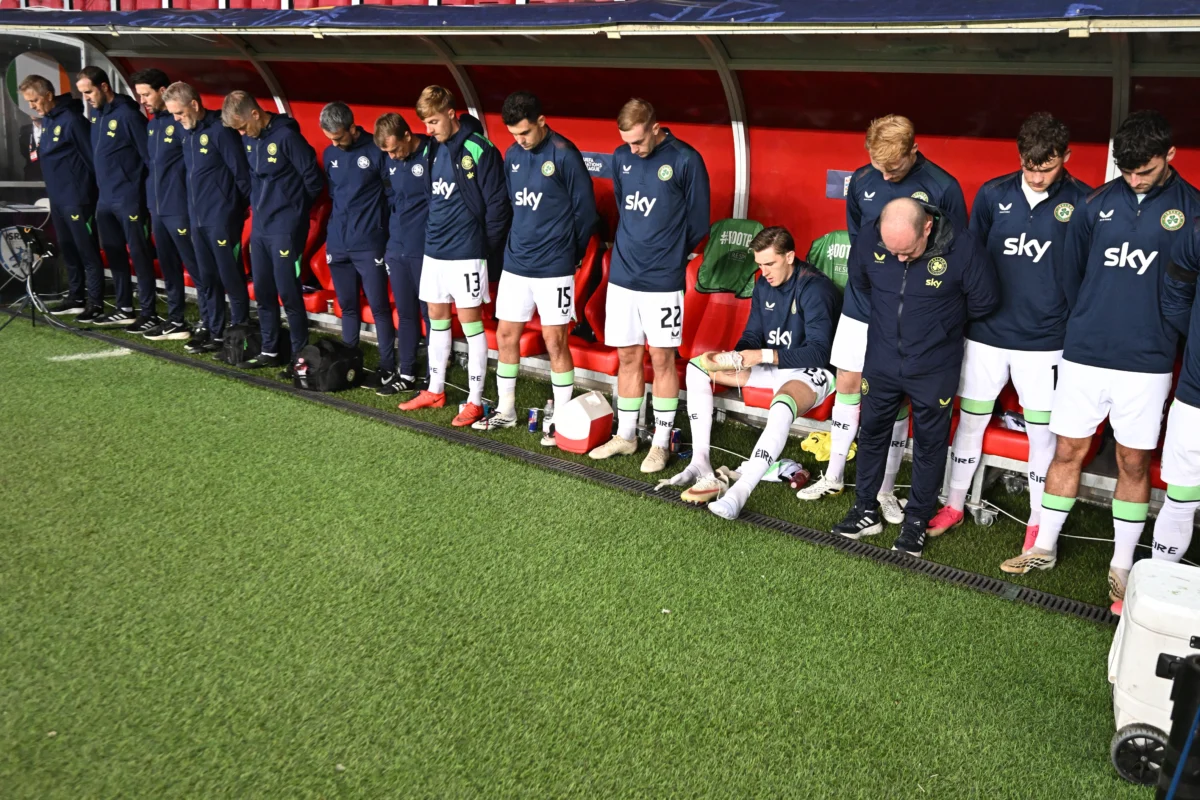
The Irish players’ demonstration of solidarity with Palestinians began before kickoff. They wore black armbands throughout the match, a gesture explicitly intended to honor Palestinian lives lost amid the ongoing conflict. This display of support was further underscored by their collective decision to bow their heads during the playing of the Israeli national anthem. In a clear act of protest, the Irish squad also refused to engage in the traditional pre-match handshake with their Israeli counterparts.
Adding a personal commitment to the cause, Ireland’s captain, Dara O’Shea, pledged to donate his entire match earnings to humanitarian aid efforts in Gaza. This financial contribution from the team’s leader amplified the players’ stance and underscored the depth of their convictions regarding the humanitarian crisis.
The decision for the Republic of Ireland to participate in the UEFA Nations League fixtures against Israel was not made lightly. It followed extensive deliberations within the Football Association of Ireland (FAI) and a vote among the players themselves. FAI chief executive David Courell confirmed on the eve of the match that the players would wear the black armbands, stating they were "in recognition of all lives lost in the conflict." This confirmation came after hours of discussions and a player consensus.
The FAI had proactively informed the Israeli football authorities and UEFA of the Irish team’s intention to forgo the pre-match handshakes. UEFA, European football’s governing body, reportedly accepted this arrangement, allowing the game to proceed under these modified conditions.
However, the controversy surrounding the fixture led to at least one prominent player opting out. Gavin Bazunu, the Republic of Ireland’s first-choice goalkeeper, publicly announced his withdrawal from both matches against Israel. Bazunu articulated his reasoning in a social media statement, declaring his belief that it would be "wrong to participate in the upcoming fixtures against Israel." His decision highlighted a division within the Irish football community and amplified the pressure on the FAI.
Bazunu’s absence means he will miss both legs of the tie, including the return fixture scheduled for October 4 in Backa Topola, Serbia. His principled stand resonated with many who had been advocating for a complete boycott of the matches, citing humanitarian concerns.
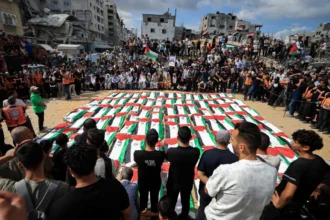
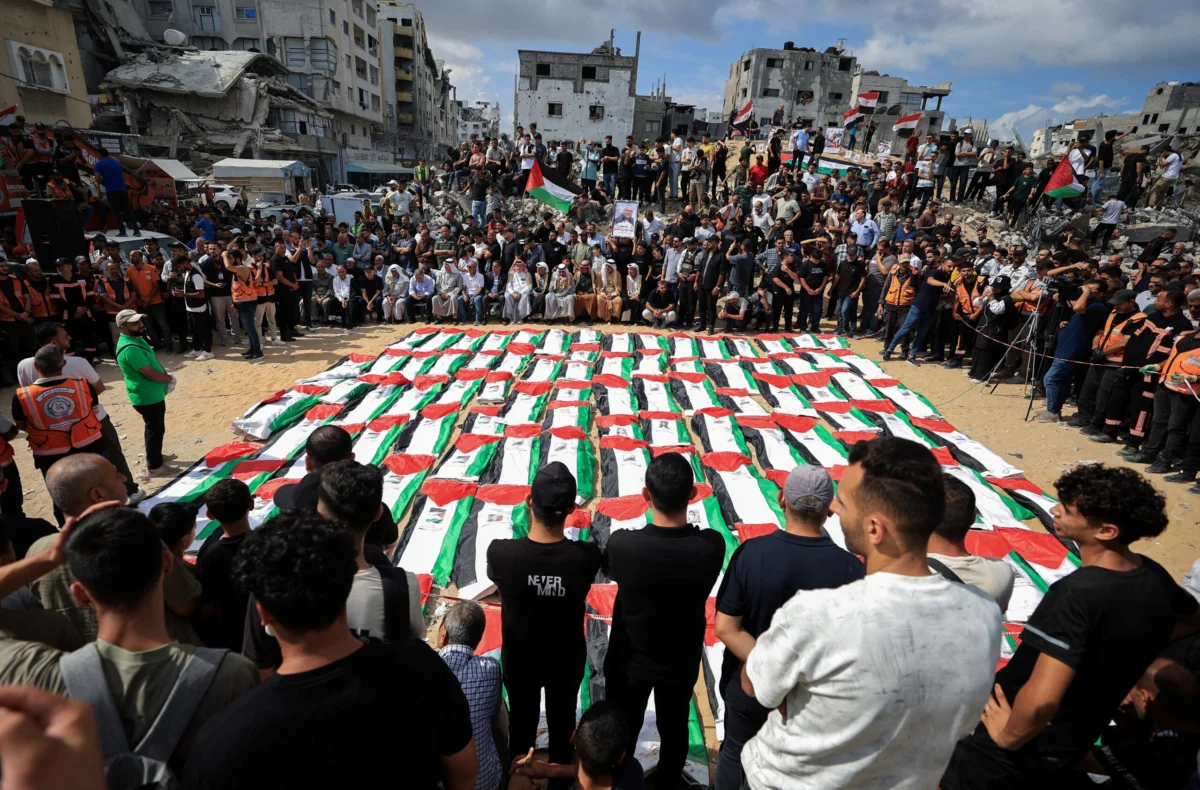
The match itself proceeded despite months of mounting pressure on the FAI to boycott the fixture entirely. This pressure stemmed from widespread condemnation of Israel’s military operations in Gaza, which critics have characterized as a "genocidal war." Activist groups and prominent figures within Irish society have been vocal in their calls for sporting isolation of Israel.
Since May, a concerted campaign orchestrated by Irish Sport for Palestine has urged the FAI to withdraw from the Nations League games. This movement gained significant traction, culminating in an open letter signed by over 160 prominent Irish athletes. These athletes implored the FAI to reconsider its decision to proceed with the matches, emphasizing the gravity of the situation in Gaza and the ethical implications of sporting engagement.

The core argument presented by the campaign is that Israel’s actions violate fundamental statutes of both UEFA and FIFA. Specifically, the campaign points to Israel’s alleged practice of allowing football teams to play on occupied Palestinian land, which they contend warrants the stripping of Israel’s membership from both international governing bodies. This perspective frames the sporting boycott not merely as a symbolic gesture but as a necessary measure to uphold international sporting regulations and human rights principles.
The geopolitical context surrounding the match played a significant role in shaping public perception and the actions of the Irish team. The ongoing Israeli military campaign in Gaza, following the October 7th attacks by Hamas, has resulted in a devastating humanitarian crisis, with a high civilian death toll and widespread destruction. This has led to increased international scrutiny of Israel’s conduct and intensified calls for diplomatic and economic sanctions, including sporting boycotts.
The UEFA Nations League, a relatively new competition designed to provide more meaningful international matches, has found itself at the center of this complex geopolitical entanglement. While the competition’s primary aim is sporting development and competition, its scheduling has inadvertently brought football into direct conflict with pressing global political and humanitarian issues. The FAI’s decision to participate, while facing intense domestic pressure to boycott, reflects the delicate balance between sporting obligations and ethical considerations.
The refusal to shake hands and the wearing of black armbands represent a powerful visual protest within the international sporting arena. These actions serve to highlight the ongoing conflict and the humanitarian cost to a global audience. For the Irish players, these gestures were a means of expressing solidarity and making a statement that transcended the confines of the football pitch.
The controversy has also exposed divisions within the broader sporting community. While some, like Gavin Bazunu, have chosen to withdraw, others have continued to participate, adhering to their contractual and sporting obligations. This divergence in approach underscores the complex ethical dilemmas faced by athletes and sporting organizations when confronted with significant political and humanitarian crises.
The FAI’s position, while ultimately allowing the matches to proceed, acknowledges the sensitive nature of the situation. The decision to permit the players’ symbolic gestures, such as the black armbands and the omission of handshakes, suggests a degree of understanding and perhaps even tacit approval of their right to express their views within the framework of the competition. UEFA’s acceptance of these arrangements further indicates a pragmatic approach to navigating such politically charged sporting events.
The international media coverage of the match has largely focused on the controversy, often overshadowing the sporting outcome itself. This heightened attention brings the plight of Palestinians and the broader conflict into sharper focus for a global audience that might otherwise remain unaware. The visibility of these protests within a major sporting event amplifies their impact and contributes to the ongoing international discourse surrounding the conflict.
The implications of this controversy extend beyond the immediate sporting fixture. It raises important questions about the role of sports in society, the responsibility of athletes and sporting bodies in addressing human rights issues, and the potential for sporting events to become platforms for political expression. The precedent set by the Irish team’s actions may influence how other sporting organizations and athletes respond to similar situations in the future.
Looking ahead, the return match between Ireland and Israel will undoubtedly remain under intense scrutiny. The FAI and the players will continue to face pressure from various stakeholders, and the broader debate about the intersection of sports and politics is likely to persist. The outcome of these fixtures, both on and off the field, will be closely watched as a barometer of evolving attitudes towards sporting engagement in the context of international conflict and human rights. The 3-0 victory for Ireland in the first leg serves as a stark reminder of the sporting contest that took place, yet it is the broader human and political dimensions that have defined this particular UEFA Nations League encounter.