JERUSALEM – Israel’s government has formally approved the deployment of an International Stabilization Force (ISF) to the Gaza Strip, a significant development stemming from a proposed 20-point peace plan championed by former United States President Donald Trump. The decision, confirmed by an Israeli official on Sunday, marks a pivotal step toward establishing a new security and administrative framework for the Palestinian enclave.
Cabinet Endorses Key Legal Frameworks for ISF Deployment
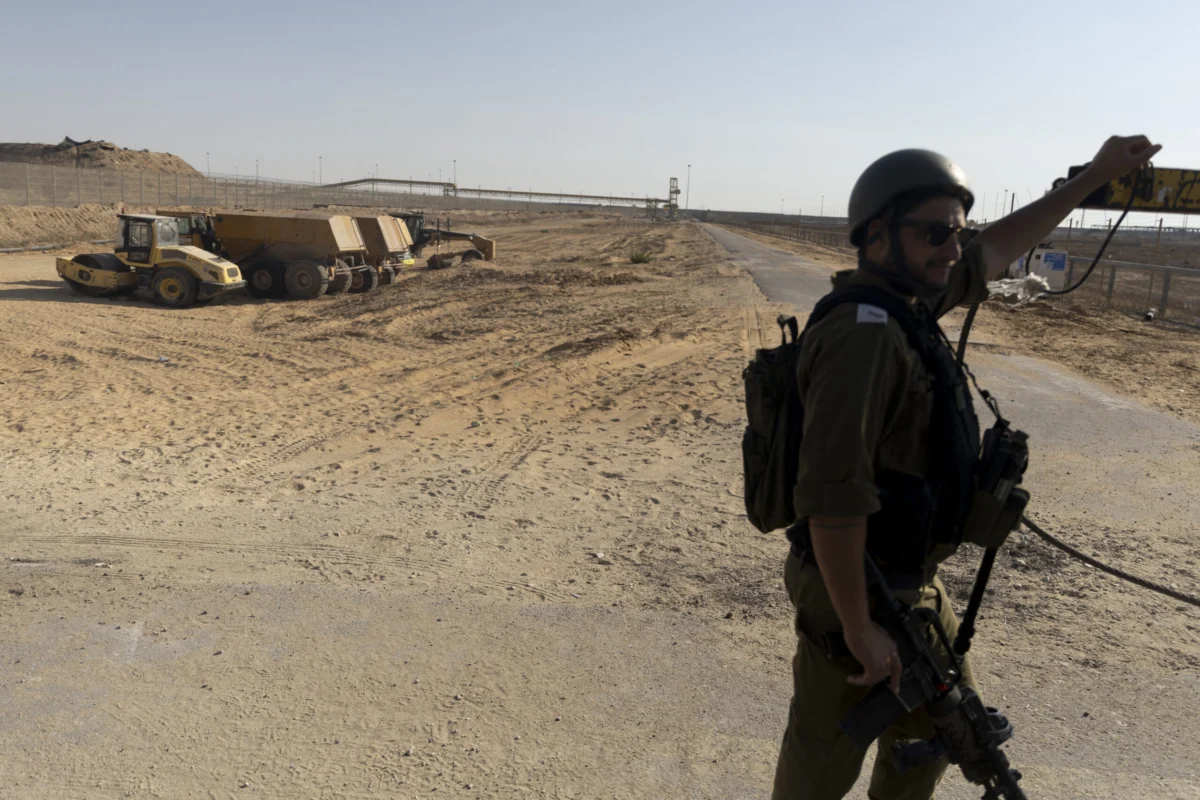
The Israeli security cabinet has greenlit the essential legal measures required for the ISF’s operation within Gaza. This force is slated to function in areas of the Palestinian territory that fall outside the direct control of the Israeli military. According to reports from The Times of Israel, the ISF will operate in "full coordination with" the Israel Defense Forces (IDF), underscoring a carefully managed integration into the existing security landscape.
Composition and Mandate of the International Stabilization Force
The ISF is envisioned as a multinational contingent, with initial reports suggesting it will comprise approximately 200 personnel drawn from "friendly countries." Reuters news agency has identified potential contributors such as Uganda and Morocco, though a definitive list of participating nations and a specific timeline for deployment have not yet been announced. A crucial element of the Israeli government’s approval includes retaining the ultimate authority to vet and approve which countries will be permitted to contribute forces.
This move comes after a protracted period of Israeli military operations in Gaza, which began following the October 7th attacks by Hamas. The Israeli government maintains that its control over Gaza’s borders, including the flow of aid and food, is a necessary security measure in the aftermath of what it describes as a "genocidal war" against its citizens. However, critics argue that this stringent blockade has exacerbated the humanitarian crisis in the densely populated strip.
Broader Framework of the Trump Peace Plan
The establishment of the ISF is an integral component of the wider peace initiative put forth by former President Trump. This comprehensive plan outlines a multi-faceted approach to resolving the Israeli-Palestinian conflict, with a particular focus on Gaza’s future governance and security. Beyond the stabilization force, the plan calls for the creation of an international "Board of Peace" tasked with overseeing the administration and reconstruction of Gaza.
Furthermore, the Trump proposal envisages the establishment of a National Committee for the Administration of Gaza (NCAG), a technocratic body intended to govern the strip. A key demand within the plan is the disarmament of Hamas, alongside a commitment from Israel to withdraw its forces from Gaza. The success of these measures hinges on significant international cooperation and the willingness of Palestinian factions to engage with the proposed framework.
International Reactions and the Role of the Gaza Board of Peace
The news of the ISF approval has garnered a mixed but largely welcoming response from international stakeholders. Nickolay Mladenov, the Director-General of the Gaza Board of Peace, expressed his support for Israel’s decision. Mladenov, a former Bulgarian foreign minister and defense minister, highlighted that Israel’s enablement of the ISF deployment is "a critical part of the agreed framework for stabilizing Gaza, supporting demilitarization, and enabling the transition to effective Palestinian transitional administration" under the NCAG.
It is noteworthy that the vast majority of Western countries have opted not to join the Gaza Board of Peace, indicating a degree of skepticism or differing approaches to resolving the conflict. Mladenov’s endorsement, therefore, carries weight as a representative of an entity central to the proposed peace architecture.
Context of Ongoing Conflict and Humanitarian Concerns
The approval of the ISF comes at a particularly sensitive time, with reports of ongoing hostilities and a persistent humanitarian crisis in Gaza. Despite an agreed-upon ceasefire between Hamas and Israel in October, Palestinian health officials report a continued pattern of killings of Palestinians by the Israeli military. The Palestinian Ministry of Health claims that since the implementation of the ceasefire, approximately 1,200 Palestinians have been killed and over 3,888 wounded.
These figures underscore the volatile security situation on the ground and the urgent need for effective mechanisms to de-escalate violence and protect civilian lives. The deployment of an international force, even if limited in scope and subject to Israeli approval, is seen by some as a potential step towards greater stability, though its ultimate impact remains to be seen.
Geopolitical Significance and Upcoming Diplomatic Engagements
The timing of the Israeli cabinet’s approval is also significant, occurring just prior to Israeli Prime Minister Benjamin Netanyahu’s scheduled visit to Washington, D.C. This visit is expected to include discussions with U.S. leadership regarding regional security, the ongoing conflict, and the implementation of the Trump administration’s peace initiative. The U.S. has been a key proponent of the peace plan, and the ISF’s approval aligns with American efforts to foster a more stable environment in the region.
The Occupied Territory and the "Yellow Line"
Compounding the complexities of the situation is Israel’s continued occupation of significant portions of Gaza. Reports indicate that Israel currently controls close to 70 percent of the strip, forcing its nearly two million inhabitants into increasingly confined areas. Israel has established a demarcated "Yellow Line" which it uses to define areas of its withdrawal during the initial phases of the proposed deal. The ISF is designated to operate in territories that remain outside of this Israeli-controlled zone, a detail that could shape its operational effectiveness and perceived neutrality.
The administration of Gaza has been a central point of contention for years, with the Palestinian Authority lacking full control and Hamas holding sway in significant areas, leading to internal divisions and international isolation. The proposed NCAG, as a technocratic governing body, aims to bypass these political stalemates by focusing on practical governance and reconstruction.
Future Implications and Challenges Ahead
The deployment of the International Stabilization Force represents a bold, albeit potentially contentious, step towards restructuring the security and governance of Gaza. The success of the ISF will depend on a multitude of factors, including the cooperation of all relevant parties, the clarity of its mandate, and the continued political will of the international community.
Challenges remain significant, including the deep-seated mistrust between Israelis and Palestinians, the complex internal political landscape within Gaza, and the ongoing risk of renewed hostilities. The effectiveness of the ISF in achieving its stated goals of stabilizing Gaza, supporting demilitarization, and facilitating a transition to effective Palestinian administration will be closely scrutinized in the months and years to come. The coming period will test the viability of international intervention in a region long defined by conflict and political impasse.