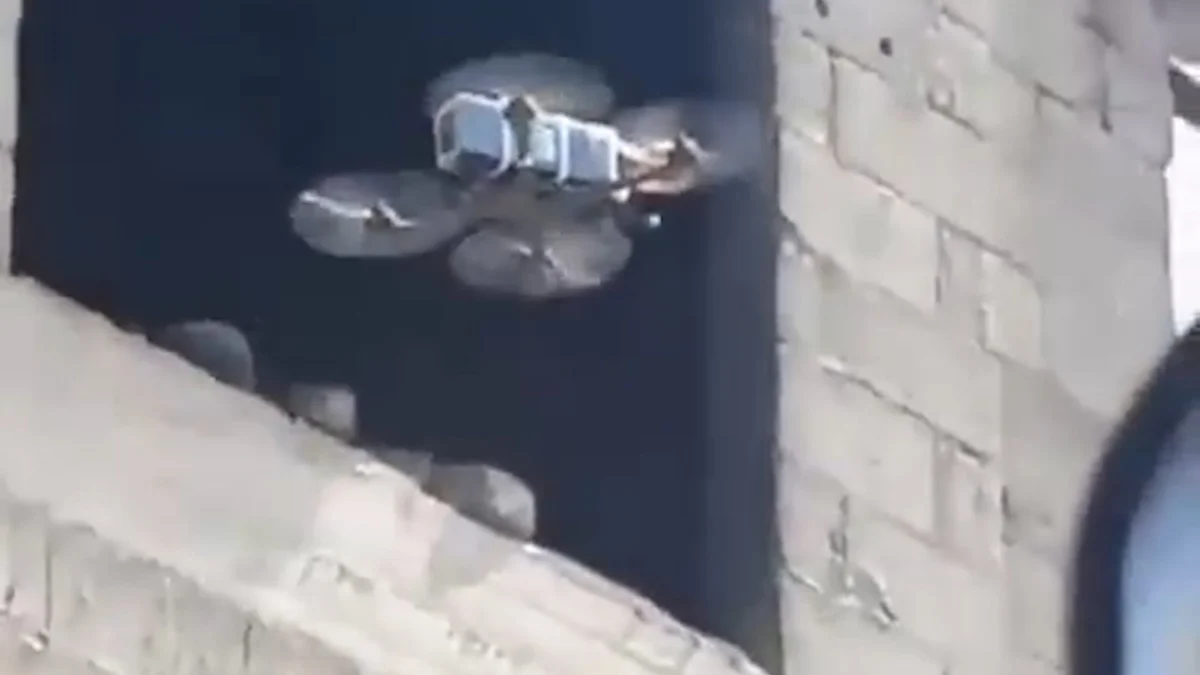
Gaza City, Gaza Strip – A low-flying Israeli quadcopter was observed maneuvering erratically between residential buildings in the Al-Tuffah neighborhood of Gaza City, sparking fear and distress among residents. The drone, identified as an armed quadcopter, is part of a broader deployment across the Gaza Strip that human rights organizations and local accounts suggest is being used to track and target civilians. The incident underscores the pervasive presence of advanced aerial surveillance and potential weaponry in densely populated urban environments, intensifying the ongoing conflict and its humanitarian toll.
The Evolving Landscape of Aerial Warfare in Gaza
The deployment of armed quadcopters represents a significant escalation in the technological and tactical approach to urban warfare in Gaza. These unmanned aerial vehicles (UAVs), often referred to as drones, offer persistent surveillance capabilities and the potential for precision strikes, but their use in civilian areas raises profound ethical and legal questions. In the confined and densely populated Gaza Strip, where residential buildings are in close proximity, the operation of such devices can create a climate of constant anxiety.
The quadcopter’s presence over Al-Tuffah, a densely populated district, highlights the risks associated with the integration of advanced drone technology into close-quarters combat scenarios. Residents have reported hearing the distinctive whirring sound of these drones for extended periods, a constant reminder of potential surveillance and the ever-present threat of aerial attack. This psychological impact, often termed "drone anxiety," is a documented consequence of prolonged drone presence in civilian populations, contributing to a pervasive sense of insecurity.
A Glimpse into the Al-Tuffah Incident
The specific quadcopter observed was seen navigating at low altitudes, a maneuver that brings it perilously close to homes and civilian infrastructure. While the immediate purpose of this particular flight was not officially disclosed by Israeli authorities, the broader operational context suggests a range of potential military objectives. These can include reconnaissance, intelligence gathering, and the identification of targets for subsequent engagement.
Eyewitness accounts from Al-Tuffah describe the quadcopter’s movements as unsettling, with its proximity to residential areas amplifying fears of collateral damage. The visual of a drone hovering and weaving through apartment blocks, often only meters above rooftops, is a stark illustration of the challenges faced by civilians living under constant aerial observation. The fear is not merely of surveillance but of being actively targeted, especially given reports of armed quadcopters being employed in offensive operations.
The Broader Context: Drones in the Israeli-Palestinian Conflict
The use of quadcopters by the Israeli military in Gaza is not a new development, but their increasing sophistication and widespread deployment have become a defining characteristic of recent conflict cycles. Israel has been a pioneer in drone technology, utilizing UAVs for a variety of military applications since the late 20th century. These platforms offer significant advantages, including reduced risk to pilots and enhanced operational flexibility.
However, the application of these technologies in densely populated urban environments like Gaza presents a unique set of challenges. International humanitarian law mandates the protection of civilians and civilian objects during armed conflict. The presence of armed drones, capable of lethal force, operating in close proximity to civilian residences necessitates rigorous adherence to principles of distinction and proportionality to avoid harm to non-combatants.
Critics and human rights organizations have repeatedly raised concerns about the potential for indiscriminate targeting and excessive civilian casualties resulting from drone warfare. Reports from organizations such as Amnesty International and Human Rights Watch have documented instances where drone strikes have led to significant loss of civilian life, prompting calls for greater transparency and accountability in their use.
Technological Advancements and Strategic Implications
The quadcopter observed in Gaza City is likely representative of a generation of drones equipped with advanced sensor technology, high-resolution cameras, and potentially miniaturized weaponry. These capabilities allow for detailed mapping of urban terrain and the identification of individuals or activities deemed suspicious by military intelligence. The ability to loiter over an area for extended periods provides a continuous stream of data.
Strategically, the deployment of such drones serves multiple purposes for the Israeli military. It allows for real-time monitoring of movement and activity, enabling rapid response to perceived threats. Furthermore, it can be used to gather intelligence on Hamas and other militant groups operating within Gaza, tracking their movements and operational infrastructure. The psychological impact of constant surveillance also serves as a deterrent against militant activities.
However, the effectiveness of these strategies must be weighed against the humanitarian consequences. The fear and trauma experienced by civilians living under the constant threat of drone surveillance and potential attack can have long-lasting effects on mental health and community well-being.
Impact on Gaza’s Civilian Population
For the residents of Gaza City, particularly in neighborhoods like Al-Tuffah, the daily reality of living under the shadow of these drones is one of pervasive fear and anxiety. Children grow up accustomed to the sounds and sights of surveillance aircraft, a normalization of conflict that profoundly impacts their development and sense of security. Families report that the drones disrupt daily life, making it difficult to carry out routine activities without the feeling of being watched.
The psychological toll of this constant state of alert is significant. Sleep disturbances, increased stress levels, and a general sense of vulnerability are commonly reported. The inability to escape the omnipresent gaze of the drones can lead to feelings of helplessness and powerlessness, exacerbating the existing hardships faced by the Gazan population due to the ongoing blockade and economic challenges.
Furthermore, the risk of mistaken identity or collateral damage during any potential engagement involving these drones creates a constant undercurrent of dread. Even when not directly targeted, the proximity of military operations to civilian areas makes residents acutely aware of their vulnerability.
International Scrutiny and Calls for Accountability
The use of armed drones in conflict zones like Gaza has drawn considerable international attention and criticism. Human rights advocates and international bodies have called for stricter regulations on the development and deployment of autonomous weapons systems and greater transparency regarding the rules of engagement for drone operations.
There are ongoing debates within international legal frameworks regarding the application of existing laws of armed conflict to the use of drones, particularly concerning the distinction between combatants and civilians and the principle of proportionality. The increasing autonomy of some drone systems also raises concerns about accountability when errors or unintended harm occur.
The incident in Al-Tuffah serves as a potent reminder of the human cost of technological advancements in warfare. While drones offer tactical advantages, their deployment in densely populated civilian areas requires a constant and rigorous application of international humanitarian law and a profound consideration for the protection of civilian lives and well-being.
Future Trajectories and Lingering Questions
The continued use of quadcopters and other advanced drone technology in the Israeli-Palestinian conflict raises critical questions about the future of warfare in urban environments. As these technologies become more sophisticated and accessible, their proliferation is likely to increase, posing new challenges for conflict resolution and civilian protection.
The incident in Gaza City highlights the urgent need for ongoing dialogue and action to ensure that the deployment of such technologies adheres to the highest standards of international law and ethical considerations. The voices of those living under the constant surveillance of these machines, experiencing the fear and anxiety they engender, must be heard.
Moving forward, the international community faces the challenge of establishing clear guidelines and robust oversight mechanisms for the use of armed drones. This includes promoting transparency, ensuring accountability for any violations of international humanitarian law, and exploring avenues for de-escalation and the protection of civilian populations in areas affected by this evolving form of aerial warfare. The terror felt by residents of Gaza City serves as a stark reminder that technological advancement in warfare must be coupled with an unwavering commitment to human security and dignity.