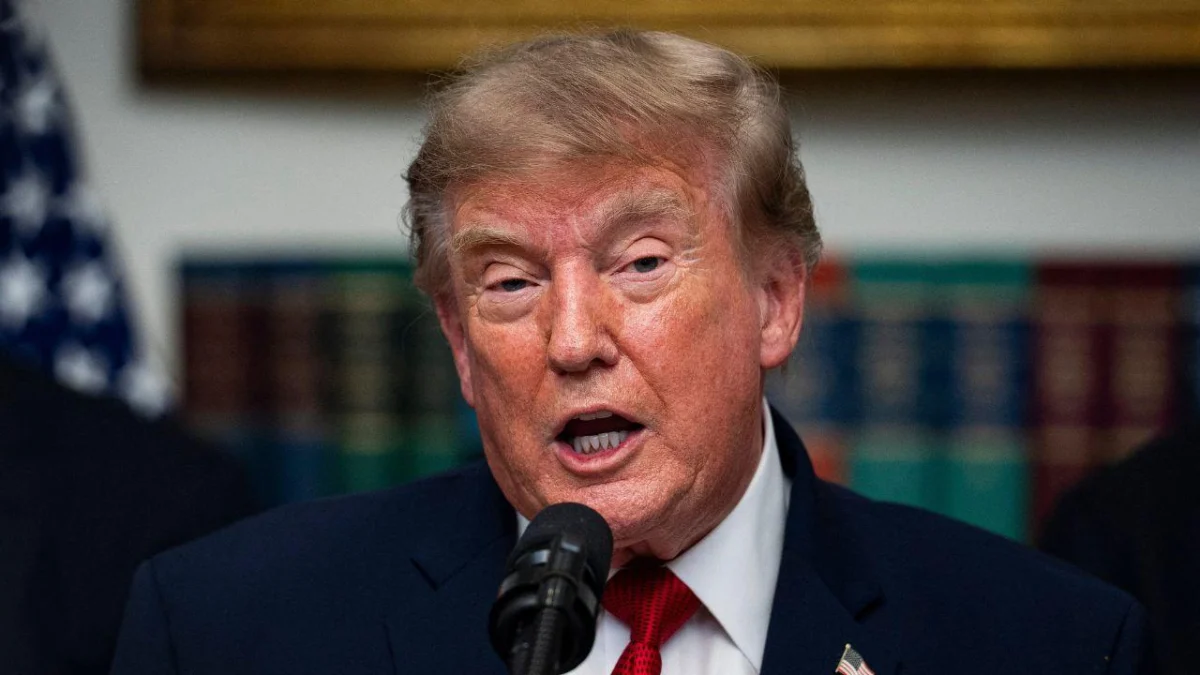
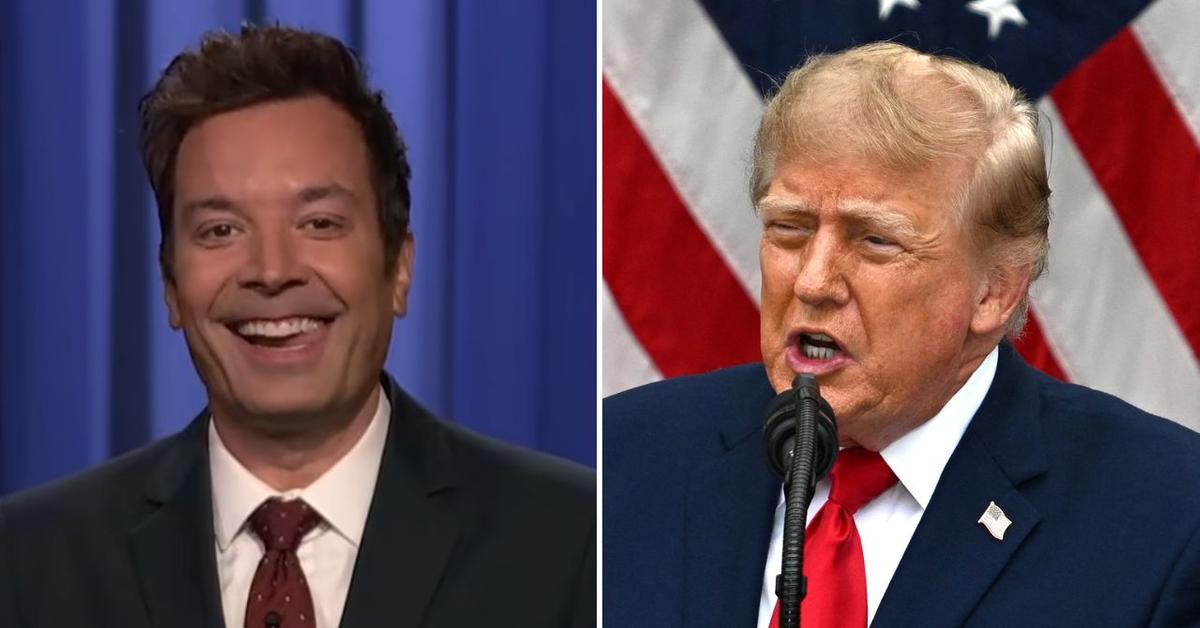
Late-night host Jimmy Fallon recently used his platform on NBC’s The Tonight Show to satirize former President Donald Trump’s assertions regarding his personal capability to manage artificial intelligence, specifically mocking Trump’s self-professed "High IQ" as a sufficient safeguard against AI risks. Fallon’s monologue, delivered on September 14, directly responded to Trump’s social media declaration that a "STRONG AND SMART (High IQ!) PRESIDENT" is the only necessary "control or ‘guardrails’" for AI development.
Trump’s original post on Truth Social asserted that the United States already possesses such a leader "in spades" and that his administration held significant criminal and regulatory authority over AI companies. This statement came amidst a burgeoning global debate among technology executives, researchers, and policymakers about the urgent need for robust regulatory frameworks and ethical guardrails to manage the rapid advancement of artificial intelligence.
The Growing Debate Over AI Regulation
The rapid proliferation of artificial intelligence technologies has sparked widespread discussions about their potential societal impact, ranging from job displacement and ethical dilemmas to the spread of misinformation and autonomous weapons systems. Experts across various fields have issued calls for proactive regulation, international cooperation, and the establishment of clear ethical guidelines to ensure AI development benefits humanity while mitigating inherent risks. Many prominent figures in the tech industry, including OpenAI CEO Sam Altman and Tesla CEO Elon Musk, have voiced concerns, advocating for a cautious approach and robust oversight.
This backdrop of serious policy debate and technological foresight frames Trump’s more individualistic and self-assured approach to AI governance. His declaration on Truth Social positioned his personal intellect as the ultimate control mechanism, downplaying the complex, multi-faceted challenges that AI regulation presents to governments and societies worldwide. Such a stance starkly contrasts with the intricate, collaborative efforts currently being explored by international bodies and national legislatures.
Fallon’s Sharpened Wit on Trump’s AI Stance
Jimmy Fallon, known for his lighthearted yet pointed political commentary, seized upon Trump’s claims during his monologue. After quoting Trump’s boast about a "STRONG AND SMART (High IQ!) PRESIDENT" providing all necessary AI guardrails, Fallon offered a sarcastic, "Well, I feel better," immediately signaling his skepticism to the audience. This initial quip set the stage for a series of jokes designed to highlight the perceived incongruity between Trump’s self-assessment and the technical complexities of AI.
The comedian specifically targeted Trump’s cognitive prowess, drawing a humorous parallel to a well-known online puzzle game. "We’re relying on Trump to beat AI? I don’t think Trump can beat Wordle," Fallon quipped, drawing laughter from the studio audience. The Wordle reference resonated widely, as the game’s popularity makes it a universally understood measure of basic problem-solving and vocabulary skills, implicitly questioning the "High IQ" claim in a relatable manner.
The Contrast: Trump vs. ChatGPT and Cognitive Tests
Fallon’s comedic analysis extended to mock a hypothetical scenario involving Trump and advanced AI. He imagined Trump challenging AI systems like ChatGPT on rudimentary cognitive tasks. "Trump was like, ‘I’d like to see ChatGPT pick out a zebra on a cognitive test. I don’t think so, buddy,’" Fallon joked. This line played on past instances where Trump himself has referenced cognitive tests, often implying his superior performance. By pitting him against an AI in such a context, Fallon underscored the absurdity of comparing human general intelligence, especially as presented by Trump, with the specialized capabilities of artificial intelligence.
The late-night segment also touched upon Trump’s characteristic communication style and his use of social media to frame narratives. Trump’s Truth Social post had dismissed expert warnings about AI as exaggerated by "very negative forces." Fallon cleverly twisted this phrase into a comedic proposal for a new military branch, the "Very Negative Force Force," illustrating how Trump’s rhetoric often provides fertile ground for satirists.

Reimagining AI: From Artificial to ‘American Intelligence’
Fallon further engaged with Trump’s persona by imagining how the former president might attempt to rebranding the technology. "Trump’s handling it, which means he’s gonna change it from artificial intelligence to American intelligence," Fallon suggested, poking fun at Trump’s nationalist rhetoric and tendency to apply an "America First" lens to diverse issues.
The comedian then extended this humorous exploration of Trump’s understanding of AI, speculating on a more fundamental misunderstanding. "Keep in mind, up until a week ago, Trump thought AI stood for ‘American Idol’," Fallon quipped, mimicking Trump’s voice to add, "I’ve spoken with Ryan Seacrest, and we’re perfectly safe." This joke served to underscore a perceived lack of technical literacy, painting a picture of a leader whose grasp of emerging technologies might be superficial, yet whose confidence remains unshaken.
The Visual Appeal of AI: Trump’s Self-Generated Imagery
A significant part of Fallon’s critique revolved around Trump’s known affinity for AI-generated images, especially those flattering his public image. "For some reason, Trump’s not eager to stop something that lets him make photos of himself as Jesus riding a bald eagle," Fallon pointed out. This joke referenced widely circulated AI-generated images shared by Trump and his supporters, often depicting him in heroic or divine contexts.
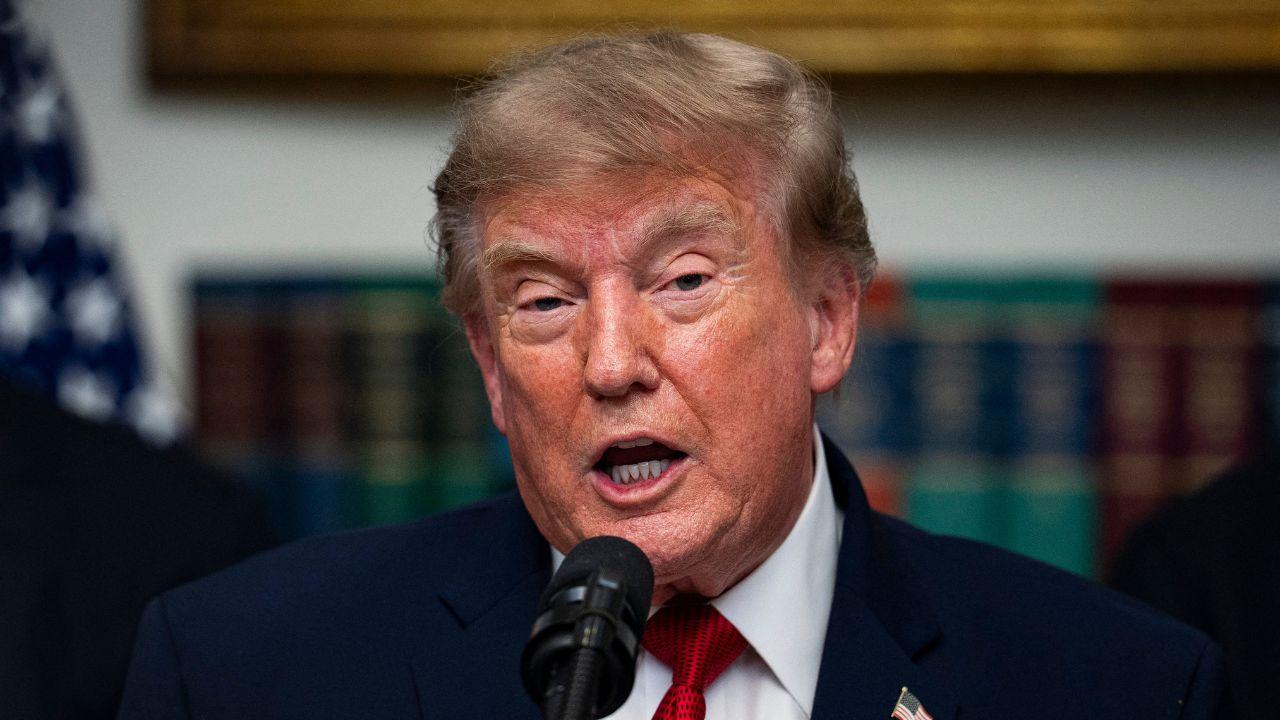
This particular line highlighted a potential conflict: a leader tasked with regulating a powerful technology might be less inclined to impose strict controls if that technology also serves their personal or political branding interests. The ability of AI to create compelling, albeit often misleading, visuals has become a notable aspect of political communication, raising concerns about authenticity and the spread of disinformation. Fallon’s humor thus touched upon a serious underlying issue about the integrity of public discourse in the age of generative AI.
Broader Implications for Public Discourse and AI Governance
Fallon’s comedic roast serves as a cultural commentary on the intersection of politics, technology, and public perception. By using humor, late-night television can translate complex policy debates into digestible, often viral, moments that resonate with a broad audience. This particular segment underscored the challenge of establishing credible leadership and effective governance over rapidly evolving technologies like AI, especially when political figures frame such issues through a lens of personal confidence rather than collective expertise.
The episode contributed to an ongoing public conversation about who should regulate AI, how it should be regulated, and what qualifications leaders need to navigate this technological frontier. While a comedic take, it indirectly questioned whether a leader’s "High IQ" or individual strength is truly sufficient to address the profound ethical, economic, and security implications of artificial intelligence. As the development of AI continues to accelerate, the demand for thoughtful, informed, and collaborative governance frameworks will likely intensify, moving beyond individual assurances to comprehensive policy solutions.