A federal judge has temporarily halted the proposed Paramount-Warner Bros. merger, sending ripples of uncertainty through the entertainment industry and setting the stage for a critical legal showdown. U.S. District Judge Araceli Martinez-Olguin issued a 14-day temporary restraining order on July 20, blocking the multi-billion dollar transaction after a coalition of 12 states, spearheaded by California, filed a lawsuit alleging the deal would violate federal antitrust laws. This judicial intervention compels both media giants to pause their ambitious consolidation plans, pending further deliberation and an impending court hearing.
The unexpected legal pause introduces significant volatility into a media landscape already undergoing profound transformation. The states argue that combining Paramount Global and Warner Bros. Discovery would drastically reduce competition across key sectors, including film production, television broadcasting, and cable distribution. Conversely, Paramount executives contend that the merger is a necessary strategic move to create a more robust and competitive streaming service, capable of challenging the market dominance of tech giants like Netflix and Amazon.

The Genesis of a Media Megamerger
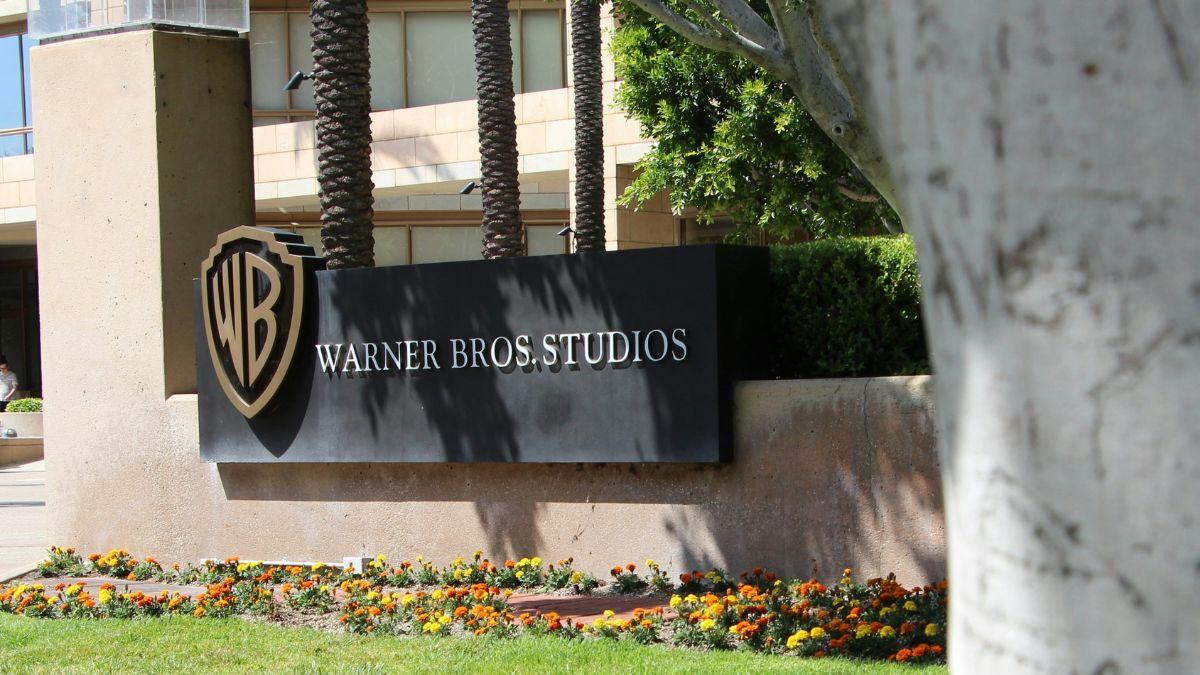
The proposed Paramount-Warner Bros. merger represents the latest and one of the most significant attempts at consolidation within the rapidly evolving media industry. Both Paramount Global and Warner Bros. Discovery, legacies of Hollywood’s golden age, have been grappling with the seismic shifts brought about by the streaming revolution and declining traditional media revenues. Paramount Global, formerly ViacomCBS, owns a vast array of assets including Paramount Pictures, CBS, MTV, Comedy Central, and the Paramount+ streaming service. Warner Bros. Discovery, itself a product of the 2022 merger between WarnerMedia and Discovery, controls Warner Bros. Pictures, HBO, CNN, TBS, TNT, and the Max streaming platform.
For years, media companies have pursued mergers and acquisitions as a primary strategy to gain scale, reduce costs, and amass extensive content libraries deemed essential for attracting and retaining subscribers in the cutthroat streaming wars. The rationale behind the Paramount-Warner Bros. merger was largely driven by this imperative: to pool intellectual property, streamline operations, and build a combined streaming offering formidable enough to compete with entrenched market leaders. However, such large-scale consolidations invariably draw the scrutiny of regulatory bodies concerned about market concentration and consumer welfare.
Antitrust Scrutiny on the Paramount-Warner Bros. Merger
The challenge mounted by the 12-state coalition underscores a growing trend of aggressive antitrust enforcement, particularly in sectors where a few dominant players exert significant influence. The states’ lawsuit contends that a combined Paramount-Warner Bros. entity would wield excessive power, potentially leading to fewer choices for consumers, higher prices for content, and reduced opportunities for independent creators and distributors. Their concerns span multiple distribution channels, from theatrical releases and network television to cable bundles and direct-to-consumer streaming platforms.
This legal battle highlights a fundamental disagreement over the definition of "competition" in the modern media era. Paramount’s defense rests on the argument that the relevant market now includes not just traditional media rivals but also tech behemoths like Apple, Google, and Amazon, which have invested heavily in content production and distribution. From this perspective, the merger isn’t about stifling competition but about fostering it against an ever-expanding field of global digital players. The federal court’s decision will likely hinge on how narrowly or broadly it defines the competitive landscape for film, television, and streaming content.
The Immediate Legal Landscape and Financial Stakes
Judge Martinez-Olguin’s temporary restraining order, issued on July 20, provides a 14-day window for the court to hear preliminary arguments before deciding on a more substantial injunction. This interim period is designed to prevent irreversible actions related to the merger while the legal challenges are considered. The stakes are particularly high for the upcoming hearing scheduled for August 3, where legal experts anticipate the real fireworks will begin.
Derek Reisfield, a former Vice President of Business Development at CBS and co-founder of Marketwatch, offered his insights into the unfolding situation. "The real fireworks will be at the upcoming hearing on August 3," Reisfield stated. "The odds are the judge will extend the injunction further." A prolonged injunction would not only delay the merger but also impose significant financial penalties on Paramount. The merger agreement includes a substantial fee structure: if the deal fails to close by its September 30 deadline, Paramount is obligated to pay $650 million per quarter. "As a percentage of the merger price, it isn’t too big, but in absolute terms it is a lot of dough. It’s 25 cents per share. It will be painful for Paramount to pay it," Reisfield explained, highlighting the severe financial pressure on the company.

Why Both Companies Need the Paramount-Warner Bros. Merger to Proceed Swiftly
Beyond the immediate legal and financial ramifications, both Paramount Global and Warner Bros. Discovery face immense strategic pressure to finalize the merger. The competitive intensity of the streaming market demands scale and a deep content library to attract and retain subscribers. Current churn rates, a metric indicating the percentage of subscribers who cancel their service within a given period, illustrate the urgency. HBO’s monthly churn hovers around 6%, while Paramount+ sees rates above 7%. In stark contrast, Netflix, the market leader, maintains a churn rate of approximately 2%.
These figures underscore the precarious position of both companies in the direct-to-consumer streaming arena. Without the combined resources, content, and subscriber base that the merger promises, each company’s standalone streaming service faces an uphill battle for long-term viability and profitability. Reisfield emphasized this point, stating, "There is tremendous pressure on Paramount and Warner to get the deal done. Without this deal, I am not sure you can fix either streaming service quickly." He further added, "While paying $110 billion to buy WBD is painful, the alternative is worse." This perspective frames the merger not merely as an expansion opportunity but as a critical survival mechanism in a rapidly consolidating industry.
The Perception War and Industry Repercussions
In Hollywood, where perception often shapes reality, a court-ordered pause on such a high-profile deal creates a volatile environment. Amore Philip, founder of Apples and Oranges Public Relations, articulated the immediate challenge: "A court-ordered pause reads to the market as uncertainty, and uncertainty is where narratives, not facts, fill the vacuum. The legal process is slow and quiet. The perception war starts immediately."

This period of "merger limbo" creates internal anxieties within both organizations. Employees, talent, and production partners will be closely watching for signals about which projects and divisions are considered essential to the future combined entity. Philip advised that during this time, studios must actively reassure those most likely to be affected about the stability of their projects and jobs. "A pause is not a cancellation, but it is a window where decisions freeze," she noted. She urged observers to "watch over the next two to four weeks is which shows get loud public support and which go conspicuously quiet, because that contrast tells you what leadership actually believes will survive."
The ripple effects extend beyond the immediate parties. Other media companies considering similar consolidations will be closely monitoring the outcome of this antitrust challenge. A strong judicial stance against the Paramount-Warner Bros. merger could set a precedent, signaling increased regulatory scrutiny for future large-scale deals in the entertainment and tech sectors.
The Road Ahead: Negotiation or Prolonged Battle?
The immediate focus remains on the August 3 hearing, where Judge Martinez-Olguin will decide whether to extend the temporary restraining order into a more permanent preliminary injunction. An extension would significantly complicate the path forward for the merger, increasing the financial burden on Paramount and strengthening the leverage of the state attorneys general.
Experts like Reisfield anticipate that a prolonged court battle might ultimately push the parties toward a settlement. "This will likely get negotiated to a settlement and Paramount will give up some assets to get the deal done," he predicted. Such a settlement could involve divesting certain content libraries, cable channels, or other assets to address the antitrust concerns and secure regulatory approval. However, the longer the legal fight persists, the more concessions Paramount may be forced to make.
The coming weeks will be pivotal for the future of the Paramount-Warner Bros. merger and, by extension, the broader media industry. The outcome will not only determine the fate of two iconic Hollywood studios but also offer critical insights into the evolving landscape of antitrust enforcement in the digital age, shaping how content is produced, distributed, and consumed for years to come.