Nutribullet has officially expanded its footprint in the competitive kitchen appliance sector with the release of the Nutribullet Chill Ice Cream Maker, a high-performance device designed to challenge the market dominance of the Ninja Creami. The new appliance utilizes high-speed blade technology to transform frozen bases into smooth desserts, signaling a strategic move by the brand to diversify beyond its legacy blender lineup. Market analysts suggest that this release targets a growing consumer demographic focused on customizable, health-conscious frozen treats made at home.

The introduction of the Nutribullet Chill Ice Cream Maker comes at a time when "instant" ice cream technology is rapidly replacing traditional churning methods in American kitchens. Unlike conventional makers that rely on a pre-frozen bowl and a slow-moving paddle to incorporate air over 30 to 45 minutes, the Nutribullet Chill employs a "top-down" or "bottom-up" pulverizing method. This process breaks down solid blocks of frozen liquid into micro-crystals, resulting in a texture that mimics premium commercial ice cream in a fraction of the time.
Industry experts note that Nutribullet’s entry into this specific niche is a logical progression for the company. Having spent over a decade dominating the personal blender market, the brand has built a reputation for durable motors and efficient blade systems. The Nutribullet Chill Ice Cream Maker leverages this engineering heritage, featuring a robust motor base and a specialized blade block designed to handle the extreme resistance of rock-solid frozen ingredients.

Engineering and Design Specifications of the Nutribullet Chill Ice Cream Maker
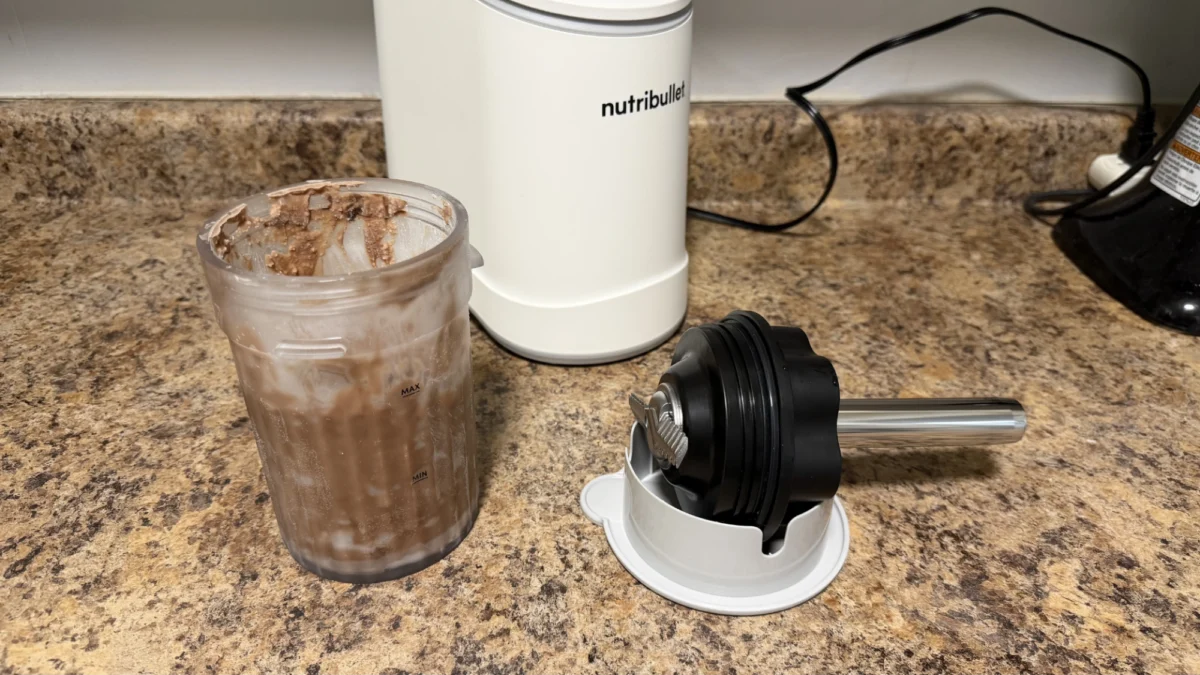
The Nutribullet Chill Ice Cream Maker is engineered with a vertical orientation to minimize its countertop footprint, a critical factor for urban dwellers with limited kitchen space. Weighing approximately 10.5 pounds, the unit is heavy enough to remain stable during high-speed operation but light enough to be stored in a standard cabinet. The system comprises three primary components: the motor base, a 16-ounce pint container, and a specialized blade block that attaches directly to the pint.
A notable departure from its primary competitors is the mechanical assembly of the Nutribullet Chill. While many instant makers feature a blade that descends from the top of the machine, the Nutribullet Chill utilizes a unique design where the blade block and pint are placed onto the base in an inverted or sliding fashion. This design choice appears to streamline the assembly process, though it introduces specific thermal dynamics during operation that have caught the attention of early testers.

The device features five pre-programmed settings: Ice Cream, Sorbet, Gelato, Smoothie Bowl, and Frozen Yogurt. Each setting is calibrated to a specific speed and duration, ensuring that the blade processes the frozen base according to the desired density and aeration. Despite these automated options, the machine notably lacks a dedicated "re-spin" or "mix-in" function, features that have become standard on higher-priced rival models.
Performance Evaluation and Texture Consistency
Initial performance data indicates that the Nutribullet Chill Ice Cream Maker excels in creating smooth, non-icy textures across a variety of bases. In controlled testing environments, the machine successfully processed dairy-based custards, protein-heavy plant milks, and fruit-based yogurts. The resulting textures have been described as exceptionally creamy, with dairy-free "protein ice creams" achieving a consistency similar to a thick soft-serve or a fast-food dairy treat.

However, the precision of the machine’s results appears to be highly dependent on the specific recipe and the temperature of the frozen pint. While frozen yogurt and sorbet batches typically emerge with professional-grade consistency, some traditional vanilla ice cream recipes have shown a tendency to melt slightly during the final stages of processing. This phenomenon is attributed to the heat generated by the high-speed friction of the blade and the motor’s internal mechanics.
The Nutribullet Chill Ice Cream Maker also requires a strict 24-hour freezing period for all pint bases. This requirement ensures that the liquid is frozen solid to the core, preventing the blade from simply "spinning" through a slushy center. Adherence to the minimum and maximum fill lines on the 16-ounce containers is also mandatory to prevent motor strain or overflow during the aeration process.

Operational Challenges: Noise and Thermal Output
One of the most significant characteristics of the Nutribullet Chill Ice Cream Maker is its high decibel output during operation. As a high-torque appliance designed to pulverize solid ice, the machine produces a sound level that has been compared to heavy machinery or a large garbage truck. This operational noise is a common trait among instant ice cream makers, but consumer reports suggest the Nutribullet model may be among the loudest in its class.
In addition to the noise, the Nutribullet Chill Ice Cream Maker generates a noticeable amount of heat. The metal shaft of the blade block, which interfaces directly with the motor, can become hot to the touch immediately after a cycle. The manufacturer has included multiple safety warnings regarding the "hot shaft," advising users to exercise caution when disassembling the unit. This thermal output is a byproduct of the energy required to process frozen solids, and while it does not generally affect the safety of the device, it can contribute to the softening of the dessert if not handled quickly.

From a maintenance perspective, Nutribullet has addressed one of the primary complaints regarding kitchen gadgets: ease of cleaning. The blade block, blade cover, and pint containers are all rated as top-rack dishwasher safe. This stands in contrast to several competitors whose components require meticulous hand-washing to avoid warping or damage to the seals.
Market Impact and the Rise of the "At-Home Creamery"
The launch of the Nutribullet Chill Ice Cream Maker is expected to accelerate the "at-home creamery" trend that gained momentum during the COVID-19 pandemic. As inflation continues to drive up the cost of premium pints in grocery stores—often exceeding $6 or $7 per container—consumers are increasingly looking for ways to replicate high-end frozen desserts at a lower per-unit cost.

Furthermore, the rise of specialized diets, including keto, vegan, and high-protein lifestyles, has created a demand for appliances that allow for total ingredient control. The Nutribullet Chill Ice Cream Maker enables users to bypass the stabilizers, gums, and excessive sugars found in commercial products. By using simple ingredients like Greek yogurt, fruit, or protein shakes, consumers can create "healthy" alternatives that would otherwise be unavailable or prohibitively expensive at retail outlets.
Retail analysts believe that Nutribullet’s aggressive pricing strategy will be its greatest advantage. Retailing at approximately $149.99, the Nutribullet Chill is positioned as a more accessible alternative to the Ninja Creami, which often retails between $180 and $230 depending on the model. This $30 to $80 price gap could be the deciding factor for budget-conscious families looking to enter the instant ice cream market.

Competitive Landscape: Nutribullet vs. SharkNinja
The rivalry between Nutribullet and SharkNinja (the parent company of Ninja) has defined the kitchen appliance market for over a decade. Both companies have built empires on the premise of high-power blending at a fraction of the cost of professional-grade brands like Vitamix. The battle has now moved from smoothies to frozen desserts, with both brands vying for the top spot on wedding registries and holiday wish lists.
While the Ninja Creami currently holds a larger share of the social media conversation—thanks in part to viral "Creami recipes" on TikTok—the Nutribullet Chill Ice Cream Maker offers a streamlined simplicity that may appeal to a different segment of the market. The Nutribullet model focuses on the core functions of frozen dessert making without the added complexity of "milkshake" or "mix-in" buttons, which some users find unnecessary.

Industry observers note that Nutribullet’s long-standing reputation for "buy it for life" durability in its blender line may provide a halo effect for the Chill. Many consumers who have owned a Nutribullet blender for five or ten years are likely to remain brand-loyal when choosing an ice cream maker, viewing the brand as a reliable staple of the American kitchen.
Future Outlook for Nutribullet and the Frozen Dessert Category
As the Nutribullet Chill Ice Cream Maker hits major retailers like Amazon, Walmart, and Target, the company is expected to support the launch with an extensive library of recipes and digital content. The success of the device will likely depend on how well the brand can foster a community of users who share creative "hacks" and flavor combinations, much like the community that propelled the original Nutribullet blender to fame.

The broader kitchen appliance industry is watching closely to see if the "instant ice cream" category is a fleeting trend or a permanent shift in consumer behavior. Given the ongoing consumer focus on health, wellness, and cost-saving measures, it appears that devices like the Nutribullet Chill are well-positioned for long-term growth.
In the coming months, consumers can expect to see further innovations in this space, possibly including quieter motors or integrated cooling systems that eliminate the need for a 24-hour freeze. For now, the Nutribullet Chill Ice Cream Maker stands as a powerful, affordable, and efficient entry into a market that shows no signs of cooling down. By providing a high-quality alternative to the current market leaders, Nutribullet has once again proven its ability to adapt and compete in the ever-evolving landscape of home technology.