A decade-long analysis of wildlife rescue data has revealed a significant shift in animal behavior across Australia, as native species increasingly occupy residential buildings to compensate for the rapid disappearance of their natural habitats. The study, published in the journal People and Nature, indicates that what many homeowners consider isolated or unusual incidents are actually part of a broader, systemic trend driven by the loss of old-growth trees and urban sprawl. As forests are cleared and natural hollows become scarce, Australian houses are being repurposed by wildlife as surrogate ecosystems, leading to a new era of unintended cohabitation between humans and animals.
Researchers from the University of Melbourne analyzed more than 2,400 documented cases of native wildlife utilizing human-made structures for shelter and nesting. The findings suggest that the traditional boundary between the Australian bush and the suburban backyard has largely dissolved, with species ranging from brushtail possums to microbats adapting to the structural features of modern architecture. The data shows that these animals are not merely passing through but are actively selecting specific parts of buildings that mimic the thermal and protective qualities of their lost natural environments.
The Rising Trend of Domestic Wildlife Infiltration
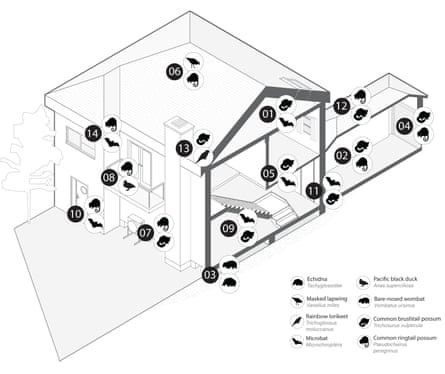
The study identifies a wide variety of species that have transitioned from forest dwellers to "house guests." Brushtail and ringtail possums are the most frequent residents, accounting for approximately half of all reported cases of wildlife in buildings. These marsupials are particularly adept at navigating urban environments, often finding their way into interior roof spaces that offer warmth and protection from predators. However, the diversity of animals seeking refuge is broader than previously understood, including bare-nosed wombats, various species of microbats, and even wood ducks.
According to Bethany Kiss, a researcher and architect at the University of Melbourne and the lead author of the study, the phenomenon is a direct consequence of the "housing crisis" facing Australian wildlife. As developers clear land for new residential projects and older, hollow-bearing trees are removed for safety or aesthetic reasons, animals are left with few options. Kiss noted that the research found native wildlife utilizing almost every conceivable part of the modern home, suggesting that buildings are now a critical, albeit accidental, component of Australia’s urban ecology.

The data provided by Wildlife Victoria and other rescue organizations highlights that these encounters are no longer limited to the fringes of rural areas. They are becoming a daily reality in densely populated suburbs. While many of these interactions occur in hidden spaces like wall cavities or crawl spaces, a surprising number involve direct contact within living quarters. Approximately 10% of the cases analyzed involved animals found in primary living areas, such as kitchens and bedrooms, leading to startling discoveries for residents.
Possums in the Roof and the Hierarchy of Household Habitats
The research categorized the most common building features utilized by wildlife, creating a hierarchy of preferred domestic habitats. Interior roof spaces ranked as the primary choice for many species, followed closely by garages, sheds, and the areas beneath houses. These locations provide the dark, secluded environments that many nocturnal species require. However, the study also identified 14 distinct building features that serve as wildlife hotspots, including wall cavities, exterior roofing, and heating, ventilation, and air conditioning (HVAC) systems.
Beyond the standard structural voids, animals were found in more creative locations. Mailboxes and hanging baskets are frequently used by birds and smaller marsupials, while chimneys and window ledges provide perches or nesting sites for others. Roller doors and their housing mechanisms have also become popular nesting spots, often leading to mechanical failures or injury to the animals when the doors are operated. The study emphasizes that for many of these species, a brick wall or a tiled roof is the closest available approximation to a hollow log or a rocky outcrop.
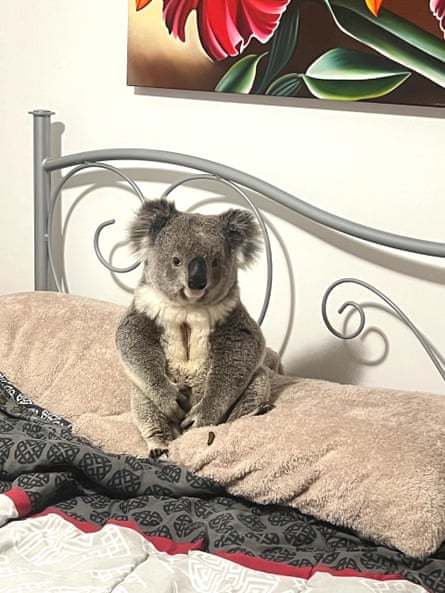
In New South Wales, the rescue service Wires has documented similar trends, noting that extreme weather events often accelerate these movements. During periods of intense cold or record-breaking heat, animals that might otherwise stay in the canopy are forced to seek the climate-controlled environments of human homes. This was evidenced by a widely reported incident where a koala was found calmly seated on a homeowner’s bed after wandering through an open door to escape the outdoor conditions.
The Loss of Natural Hollows and the Environmental Context
To understand why animals are resorting to Australian homes, environmentalists point to the critical shortage of hollow-bearing trees. In the Australian landscape, it can take between 120 and 200 years for a tree to develop the types of hollows necessary to support larger mammals like possums or gliders. Logging, land clearing for agriculture, and urban development have decimated these ancient trees. When a single old-growth tree is removed, dozens of potential nesting sites are lost, forcing the displaced inhabitants to search for alternatives in the nearest available structures.
The anecdotal evidence from rescue workers paints a vivid picture of this displacement. Aleisha Hall, a spokesperson for Wildlife Victoria, recounted a recent emergency call where a resident discovered a colony of juvenile sugar gliders in her kitchen. The homeowner had reached under her sink for a dishwashing tablet and instead touched a furry animal. Upon further inspection, rescuers found seven gliders huddled together in a small glass jar stored in the back of the cupboard. Such cases illustrate the desperation of species that have lost their traditional nesting sites and are forced to find safety in any enclosed space they can access.
Similarly, echidnas have been reported entering homes and exploring pantries. In one instance, an echidna was found pulling items off shelves, including a heavy food processor, in search of food or shelter. While these stories are often shared as humorous or "only in Australia" moments on social media, researchers warn that they reflect a serious ecological imbalance. The fact that an echidna—a notoriously shy and specialized feeder—would enter a house and rummage through a pantry indicates a significant disruption to its natural foraging environment.
Architectural Solutions and the Concept of Deliberate Coexistence
As the biodiversity crisis intersects with the ongoing human housing crisis, some experts are calling for a radical shift in how buildings are designed. Bethany Kiss suggests that rather than focusing solely on keeping nature out, architects should begin to think about how to integrate wildlife-friendly features into the built environment. This approach, known as "reconciliatory ecology," seeks to design urban spaces that support both human residents and local fauna.
Kiss pointed to international examples, such as the United Kingdom, where certain new developments are now required to include "swift bricks"—specialized bricks with built-in nesting holes for birds. Similar initiatives could be adopted in Australia, such as the installation of integrated possum boxes, swallow shelves, or bat-friendly cladding. By providing dedicated spaces for wildlife within the structure of a building, developers could reduce the likelihood of animals entering living areas or damaging insulation and wiring.
"We need to think about embedding the ecologist in the design process, much like we do with structural engineers," Kiss said. This would involve analyzing the local species present at a building site and incorporating features that mitigate the impact of the construction. Measures could include wildlife-friendly lighting to reduce disorientation for nocturnal animals and noise-reduction technologies to prevent human activity from disturbing nesting sites.
Public Safety and the Mental Health Benefits of Urban Nature
While having a possum in the roof can be a source of noise and frustration, some researchers argue that the presence of wildlife in urban areas offers significant benefits to human well-being. Professor Sarah Bekessy, a co-author of the study and a lead councillor for the Biodiversity Council, emphasized that everyday interactions with nature are essential for mental health. Research consistently shows that living in proximity to wildlife can reduce stress, strengthen a person’s connection to the environment, and foster a sense of stewardship for the natural world.
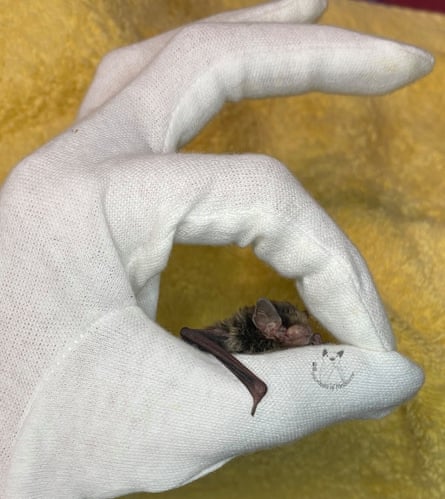
However, coexistence requires a level of public education and safety awareness. Organizations like Microbats of Melbourne emphasize that while animals like microbats make excellent "housemates" by consuming thousands of insects each night, they should never be handled by untrained individuals. Ericka Tudhope, a rehabilitation specialist, noted that bats living in roof spaces rarely do damage and do not chew on wires, unlike rodents. The key to successful cohabitation is leaving the animals undisturbed and seeking professional advice if they become a nuisance.
Wildlife Victoria and other rescue groups advocate for peaceful coexistence wherever possible. They encourage homeowners to seal entry points only after ensuring that no animals are trapped inside and to provide alternative housing, such as nesting boxes in nearby trees, to lure animals out of roofs. When an animal is found inside a living space, the recommendation is always to contact a local rescue service rather than attempting a DIY removal, which can lead to injury for both the human and the animal.
Reimagining the Future of Urban Design in Australia
The findings of the University of Melbourne study serve as a wake-up call for urban planners and the construction industry. As Australia continues to grow, the pressure on native habitats will only increase. The transition of wildlife into residential buildings is not a temporary anomaly but a permanent shift in the country’s ecological landscape. Addressing this reality requires a move away from the traditional view of houses as fortresses against nature and toward a more integrated model of urban living.
The integration of biodiversity into the "built environment" could transform Australian cities into more resilient and healthier places to live. By acknowledging that buildings are now functioning as part of the ecosystem, policymakers can develop new standards that protect both property and wildlife. This might include incentives for developers who include habitat features or stricter regulations on the removal of hollow-bearing trees in suburban areas.
Ultimately, the sight of a koala on a bed or a sugar glider in a kitchen cupboard is a reminder of the resilience of Australia’s native species and the profound impact of human activity on their survival. As habitat loss continues to drive animals into our homes, the challenge for the future will be finding a way to share the landscape in a way that ensures the safety and prosperity of all inhabitants, whether they have two legs or four.