Prince Harry reportedly played a pivotal role in persuading his wife, Meghan Markle, to adopt a more conciliatory stance toward the British Royal Family, paving the way for a recent, critical meeting with King Charles III aimed at forging a potential royal family peace deal. The Duke of Sussex, 41, viewed the gathering as a crucial juncture for mending fractured relationships and rebuilding trust, according to sources familiar with the discussions.
The high-stakes visit saw the Duke and Duchess of Sussex, alongside their children, Archie, 7, and Lilibet, 5, travel to the United Kingdom, culminating in a meeting with King Charles, 77, at his Highgrove residence. This marked the first occasion in four years that the King had seen his California-based grandchildren, underscoring the significance of the reunion amidst years of highly publicized estrangement between the Sussexes and the monarchy. The visit followed Prince Harry’s week-long engagement promoting the Invictus Games, an event he founded for wounded servicemen and women.
Decades of Growing Royal Rift and Public Scrutiny

The relationship between Prince Harry, Meghan Markle, and the Royal Family has been under intense global scrutiny since the couple announced their intention to step back as senior royals in early 2020, a move widely dubbed "Megxit." Their subsequent relocation to Montecito, California, and a series of candid interviews, including a bombshell conversation with Oprah Winfrey, a revealing Netflix documentary series, and Prince Harry’s controversial memoir, "Spare," have laid bare deep-seated tensions and accusations of neglect and racism within the royal institution. These public disclosures widened the rift, particularly with King Charles and Prince William, the Prince of Wales, creating an atmosphere of mistrust and public speculation about any potential for reconciliation.
Prior to this recent visit, interactions between the Sussexes and the Royal Family had been minimal and often strained, typically occurring during major royal events such as jubilees or funerals. The absence of Meghan and the children from many of Harry’s solo trips to the UK had fueled narratives of continued animosity, making the decision for the entire family to travel a notable shift in dynamic.
The Path to Highgrove: A Diplomatic Overture
Weeks of speculation preceded the family’s arrival, with intense media interest in whether Meghan would accompany Harry and the children. Reports surfaced regarding disagreements over accommodation arrangements, with some sources claiming Prince Harry had anticipated staying at Buckingham Palace, only for the offer to be allegedly withdrawn due to insufficient notice. Ultimately, the family stayed at Highgrove, a more private and less official setting, which may have contributed to a more intimate, albeit carefully managed, encounter.

A source close to the discussions revealed to OK! that Prince Harry considered this UK return an "important opportunity to rebuild trust with his family." He reportedly emphasized to Meghan the necessity of avoiding past "misunderstandings that have defined recent years" and encouraged her to embrace a more conciliatory approach. This internal dialogue within the Sussex household appears to have been a crucial precursor to the visit.
King Charles’s Terms for a Royal Family Peace Deal
The impetus for this diplomatic overture reportedly stemmed from King Charles, who, according to sources, made it "very clear that if Harry genuinely wants to rebuild the relationship, it has to happen on the family’s terms." This stipulation suggests a firm stance from the monarch, indicating a limit to compromise and a desire for the Sussexes to align with established royal protocols and expectations regarding communication and public conduct. Harry reportedly understood this to be potentially "the last realistic chance to repair the damage," recognizing the rarity of such opportunities for direct engagement.
The meeting at Highgrove was seen by both sides as too significant to be missed. For King Charles, it presented an opportunity to connect with his grandchildren, a personal desire that likely transcended the broader institutional tensions. For Harry, it was a tangible step towards demonstrating a willingness to bridge the chasm that had grown between his family and the monarchy. The private nature of the Highgrove setting contrasted sharply with previous public encounters, perhaps allowing for more candid conversations away from the glare of media attention.
Navigating Future Reconciliation: A Delicate Balance
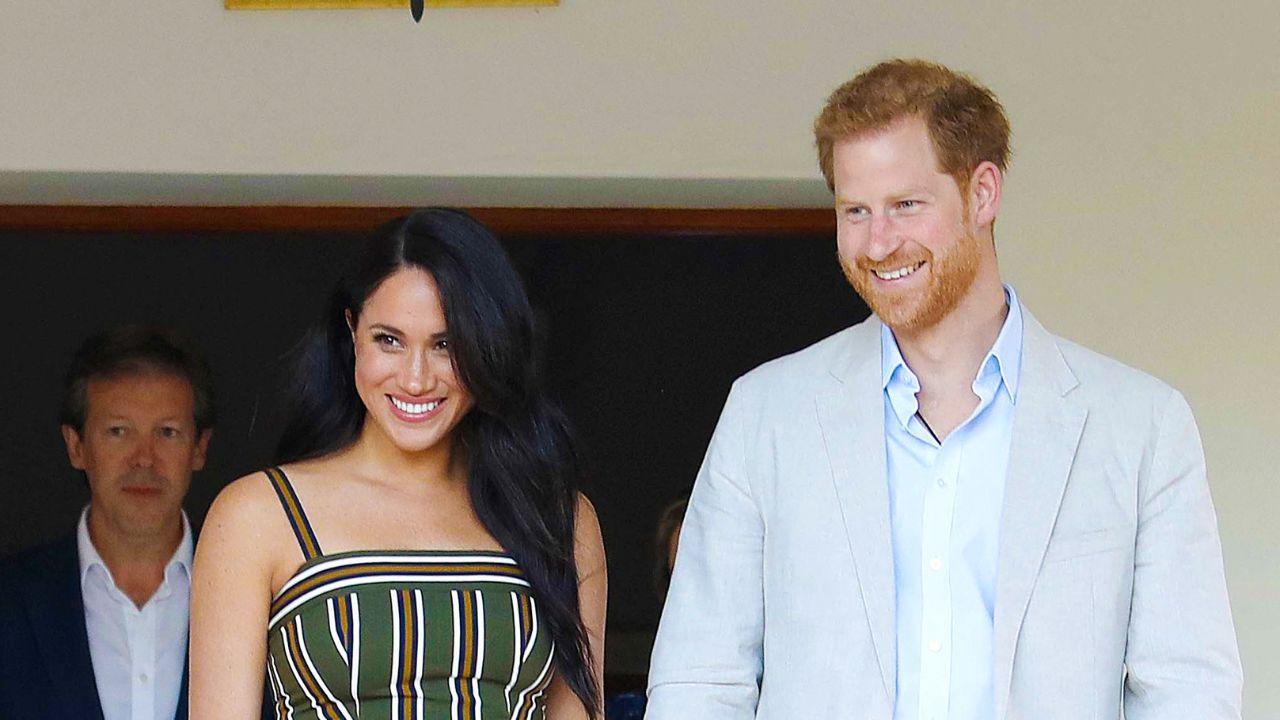
While the Highgrove meeting was hailed as an "early step" towards easing years of strained relations, insiders cautioned that "lasting reconciliation will depend on sustained efforts rather than a single visit." The deep-seated issues that led to the initial departure and subsequent public criticisms are complex and multifaceted, requiring ongoing commitment from all parties to truly heal. The source further elaborated on Harry’s perspective, stating, "Harry has accepted that the old way of doing things isn’t going to repair the relationship. He believes they need to show a willingness to compromise, and he’s been encouraging Meghan to embrace that if they want to rebuild trust with the family."
This shift in strategy, reportedly driven by Harry’s conviction, suggests a realization that a confrontational or overly independent approach might not yield the desired outcome of familial harmony. From his vantage point, this period represents a "pivotal moment," with the understanding that failure to make "real progress now" could close the door on future opportunities for rapprochement.
Public Impact and Broader Implications for the Monarchy
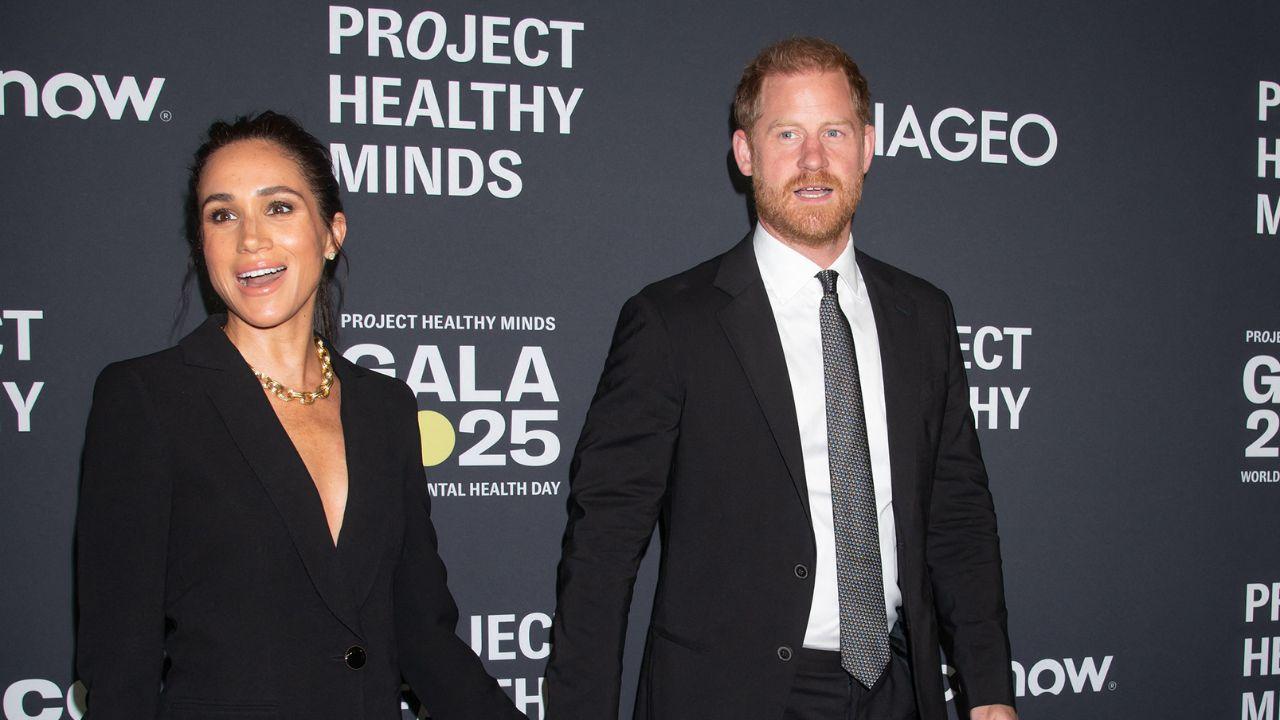
The public’s reception of any potential royal family peace deal remains a significant factor. The ongoing saga of the Sussexes has captivated audiences worldwide, with strong opinions on both sides. A genuine reconciliation could offer a more stable and unified image of the Royal Family, particularly important as King Charles navigates his reign and the monarchy adapts to modern challenges. Conversely, any perceived backsliding or renewed conflict would further erode public trust and exacerbate existing divisions.
The involvement of Archie and Lilibet in the visit also carries symbolic weight. Their presence underscores the familial aspect of the conflict and the potential for future generations to either inherit or mend the current rifts. For the monarchy, maintaining a connection with all its members, regardless of their working status, is crucial for its long-term continuity and appeal.
The Road Ahead: Sustained Effort for Lasting Trust
The claims that Prince Harry "persuaded Meghan to ease up on the Royal Family" suggest a coordinated effort from the Sussexes to present a more unified and conciliatory front. This shift, if sustained, could significantly alter the trajectory of their relationship with the monarchy. Harry’s hope is that "relations between him and his family can only get better from now on, now he has her on board."
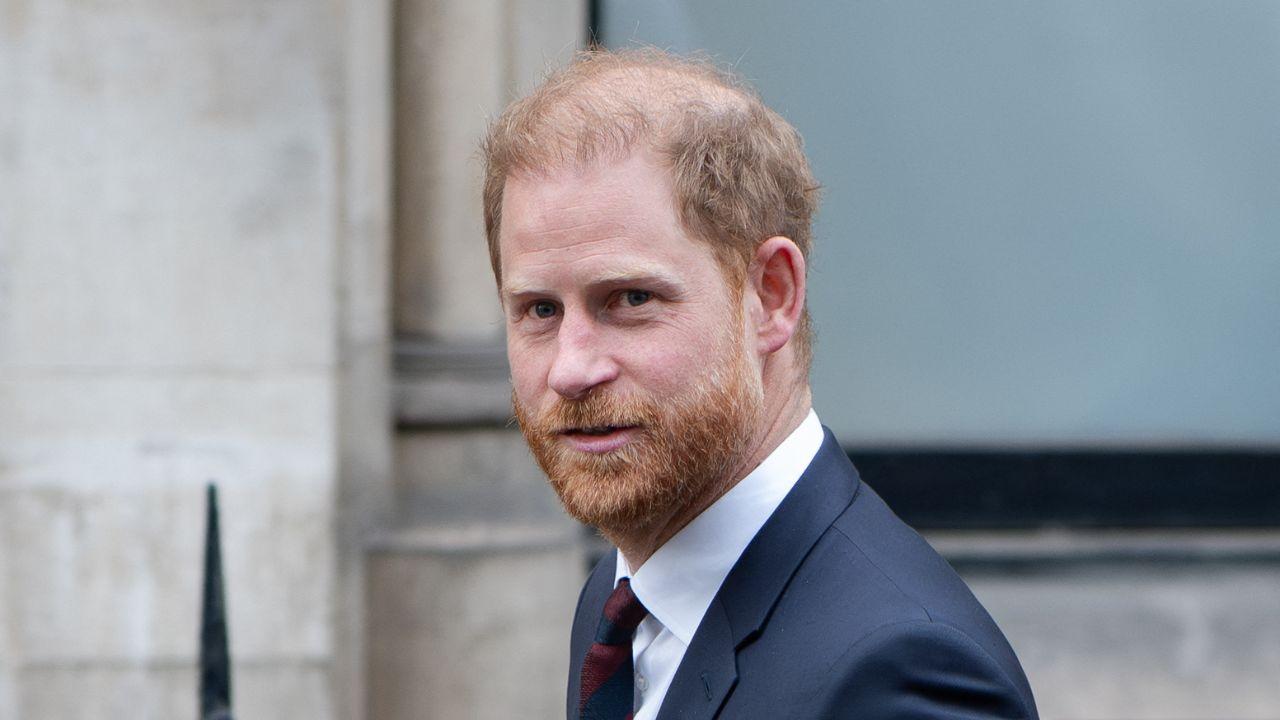
However, significant challenges remain. The relationship with Prince William, which has been particularly fraught, was not explicitly addressed in this report, and mending that bond will require its own set of efforts. The details of future visits, communication protocols, and the public roles (or lack thereof) of the Sussexes will all play a role in determining whether this nascent royal family peace deal can evolve into a lasting reconciliation. The Highgrove meeting, while a positive step, is merely the beginning of a potentially long and arduous process to restore trust and rebuild familial bonds within one of the world’s most scrutinized institutions.