A delegation of Russian officials arrived in the United States on Thursday for crucial meetings with their American counterparts, marking the first such high-level diplomatic engagement since relations were severely strained by Russia’s ongoing war in Ukraine. The Kremlin has characterized these discussions as a "necessary dialogue" amid persistent global tensions, while simultaneously refuting allegations of providing military assistance to Iran.
Diplomatic Overture Amidst Global Crises
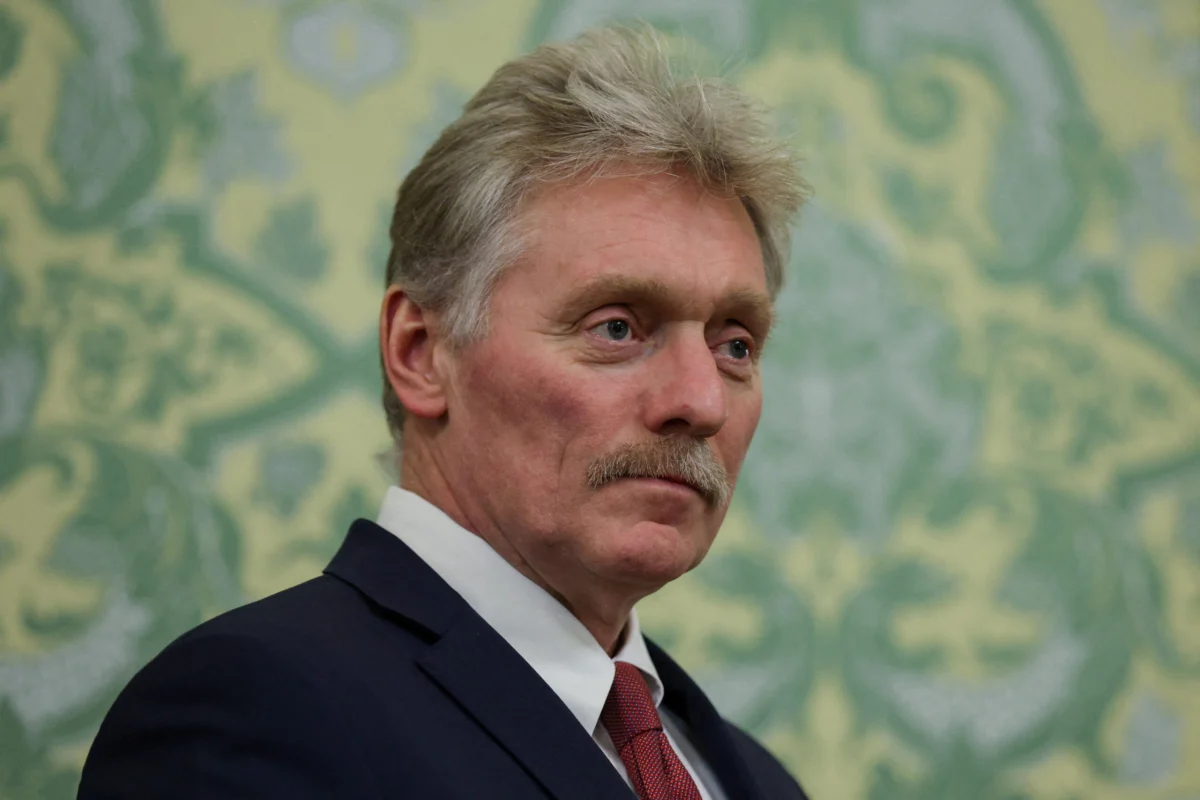
The visit, which commenced on Thursday, signifies a tentative step toward re-establishing channels of communication between Washington and Moscow. These talks are unfolding against a backdrop of protracted conflict in Ukraine and escalating geopolitical rivalries. Kremlin spokesperson Dmitry Peskov expressed cautious optimism, stating, "We hope that these first tentative steps will, of course, make their contribution to the further revival of our bilateral engagement."
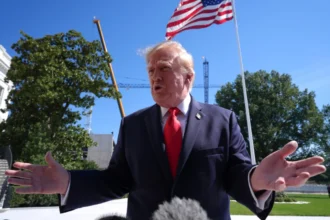
President Vladimir Putin has reportedly set the "main directives" for the delegation, and will receive a comprehensive briefing on the outcomes of the discussions. The meetings are taking place as diplomatic efforts to broker a definitive end to the war in Ukraine remain largely stalled. Multiple rounds of negotiations, initiated after U.S. President Donald Trump’s return to the White House, have failed to achieve a breakthrough, with Russia showing little inclination to compromise on its military objectives in Ukraine.
Allegations of Russian Support for Iran Surface
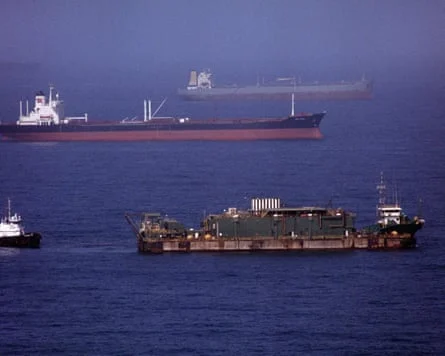
The diplomatic outreach from Russia coincides with fresh allegations from Western intelligence officials and media reports suggesting that Russia is actively supporting Iran’s military capabilities. Specifically, a report published by the United Kingdom-based Financial Times on Wednesday alleged that Russia was nearing the completion of a significant drone shipment to Iran. These accusations paint a complex geopolitical picture, with Russia positioned as a key ally to Iran, which is itself engaged in a conflict initiated by the United States and Israel.
When pressed on these specific allegations, Peskov vehemently denied them, stating, "There are so many lies being spread by the media… Do not pay attention to them." This firm rebuttal underscores Russia’s consistent stance in denying any illicit military cooperation with Tehran, particularly in the context of ongoing global conflicts.
The Shadow of the Ukraine War Looms Large
The ongoing war in Ukraine continues to cast a long shadow over international relations and remains a central point of contention. This week alone, Russia conducted one of its most substantial aerial assaults since the commencement of its full-scale invasion, launching an estimated 948 drones within a 24-hour period. This significant barrage, which coincided with troop and equipment movements to the front lines, highlights the persistent and brutal nature of the conflict.
In the wake of these intensified attacks, Ukrainian President Volodymyr Zelenskyy issued an urgent appeal to international allies for additional air defense munitions. Zelenskyy warned that Ukraine, heavily reliant on U.S. supplied air defense systems to counter ballistic missile threats, could face a critical deficit in missile supplies. This potential shortfall, he indicated, could be exacerbated by Washington’s focus on the evolving U.S.-Israeli military engagement in the Middle East.
Stalled Peace Talks and Shifting Priorities
Further complicating the diplomatic landscape, recent talks between Ukraine and the United States, which opened in Florida on Saturday, failed to yield the long-sought security guarantees that Kyiv has been pressing for from Washington. These discussions, intended to solidify future security arrangements for Ukraine, underscore the persistent challenges in achieving a stable and lasting peace.
The diplomatic standstill in Ukraine, coupled with the escalating tensions in the Middle East, creates a complex and volatile environment for international engagement. The Russian delegation’s visit to the U.S. therefore represents a critical juncture, offering a potential, albeit fragile, opportunity to de-escalate tensions and explore areas of mutual interest, even as fundamental disagreements persist.
Geopolitical Undercurrents: Russia’s Strategic Alliances
Russia’s alleged cooperation with Iran is not an isolated incident but appears to be part of a broader strategic realignment in response to Western pressure and sanctions. As Moscow faces increasing isolation from Western nations due to its actions in Ukraine, it has sought to strengthen ties with countries that share its opposition to U.S. global dominance. Iran, itself a target of extensive U.S. sanctions and facing regional adversaries, represents a natural partner in this evolving geopolitical landscape.
The reported drone shipments, if substantiated, would represent a significant escalation of this partnership. Such transfers could bolster Iran’s ability to conduct offensive operations and potentially increase its influence in regional conflicts, thereby complicating U.S. foreign policy objectives in the Middle East. The denial from Moscow, while expected, does little to assuage the concerns of Western intelligence agencies.
Economic Implications and the Global Arms Market
The potential for increased Russian-Iranian military cooperation also carries significant economic implications. For Russia, arms sales can provide a vital source of revenue, helping to offset the economic impact of Western sanctions. For Iran, access to advanced Russian weaponry could enhance its defense capabilities and its position as a regional power. This dynamic plays into the broader global arms market, where geopolitical shifts often drive demand for military hardware.
The U.S. and its allies have consistently sought to curb Iran’s military ambitions and prevent it from acquiring advanced weapons systems. Any evidence of Russian assistance in this regard would likely trigger a strong diplomatic response and potentially further sanctions. The current meetings in the U.S. therefore occur under the shadow of these complex and intertwined global security concerns.
The Broader Context of Bilateral Engagement
The "necessary dialogue" invoked by the Kremlin spokesperson points to a recognition, at least on the surface, of the need for continued communication, even between adversaries. In a world increasingly defined by strategic competition, maintaining open channels, however strained, is crucial for preventing miscalculation and managing crises. The U.S. has generally maintained that it is willing to engage with Russia on issues where common ground might exist, such as arms control or counter-terrorism, while remaining firm on areas of profound disagreement.
However, the current circumstances present a significant challenge to any meaningful diplomatic progress. The war in Ukraine remains an intractable obstacle, and accusations of Russian support for Iran add another layer of complexity to an already fraught relationship. The effectiveness of these current meetings will likely be judged by their ability to lay the groundwork for future discussions, rather than by any immediate breakthroughs.
Public Perception and the Information War
The backdrop of these high-level meetings is also an intense information war, where narratives are constantly being shaped and contested. The repeated denials from Moscow regarding military aid to Iran, juxtaposed with reports from reputable media outlets and intelligence assessments, highlight the challenges of discerning verifiable facts amidst propaganda and disinformation. The public, both domestically in the U.S. and internationally, is exposed to competing narratives that can influence perceptions of the conflicts and the actors involved.
The impact of the war in Ukraine on global energy markets, food security, and international stability continues to be a major concern for populations worldwide. Any perceived shift in the balance of power, whether through alleged military alliances or intensified conflict, has tangible consequences for everyday lives. The diplomatic maneuvers occurring now, therefore, are not confined to the halls of power but have ripple effects across the globe.
Navigating a Multipolar World
The ongoing geopolitical realignments, including the potential strengthening of the Russia-Iran axis, signal a move towards a more multipolar world order. In such an environment, the United States faces the complex task of managing relationships with a range of global powers, each with its own interests and agendas. The meetings between Russian and American officials, therefore, are a microcosm of the broader challenges of navigating this evolving international landscape.
The outcomes of these discussions, while unlikely to yield immediate dramatic shifts, will be closely watched for any indications of evolving strategies or potential areas for de-escalation. The persistent denial from Moscow regarding its role in arming Iran, coupled with the continued conflict in Ukraine, underscores the deep chasm that still exists between the two nations. Yet, the very act of meeting signifies a recognition that dialogue, however difficult, remains an essential tool in managing global affairs.